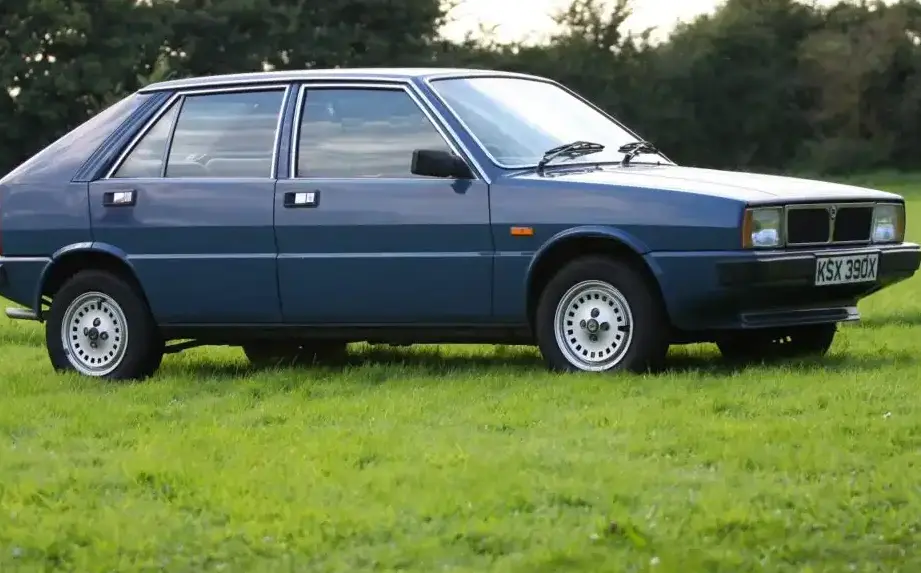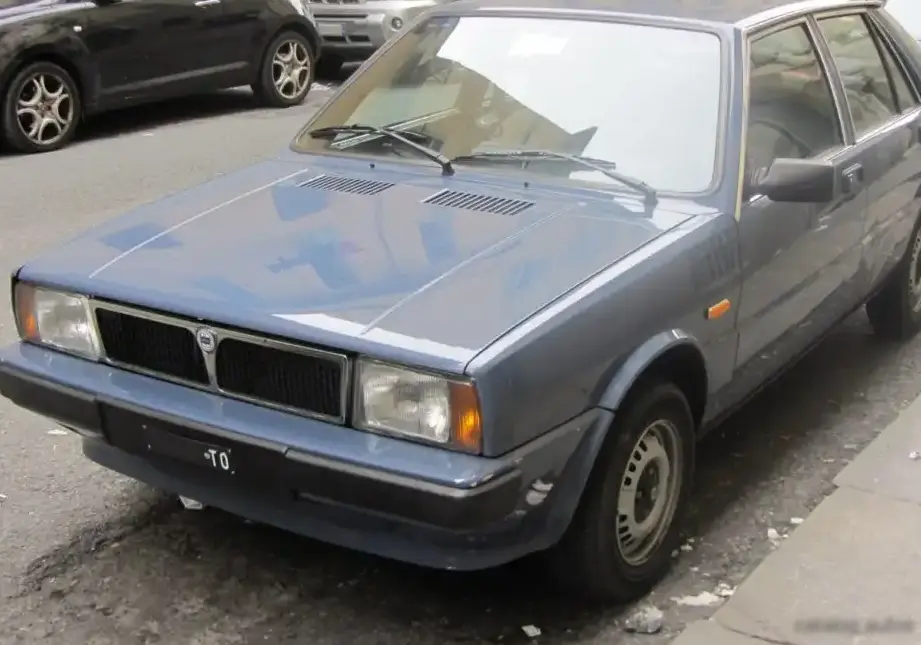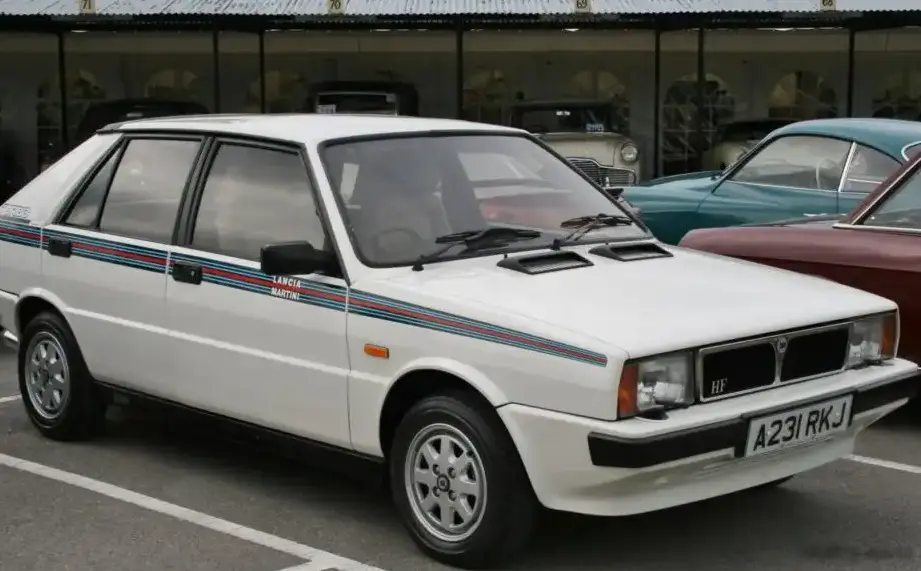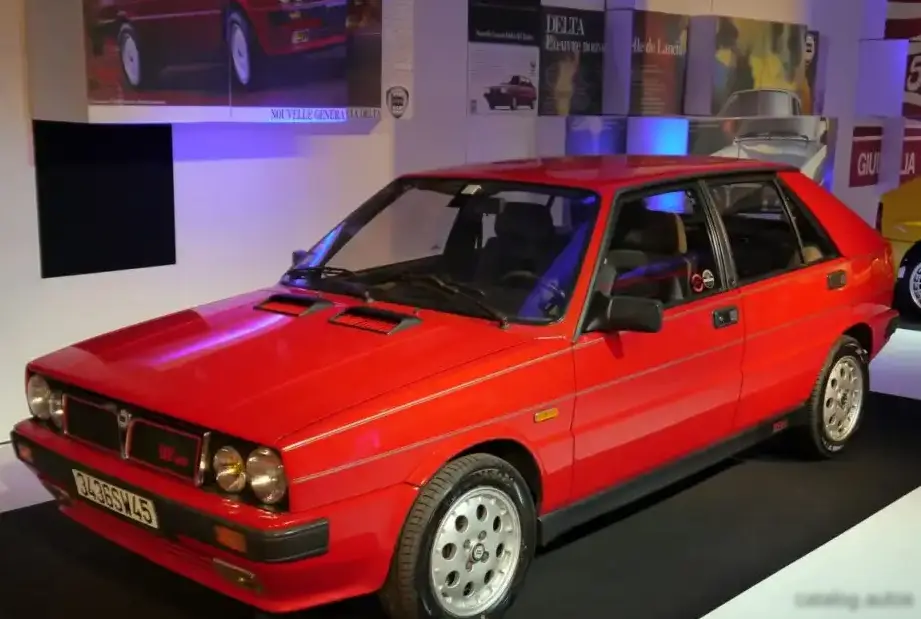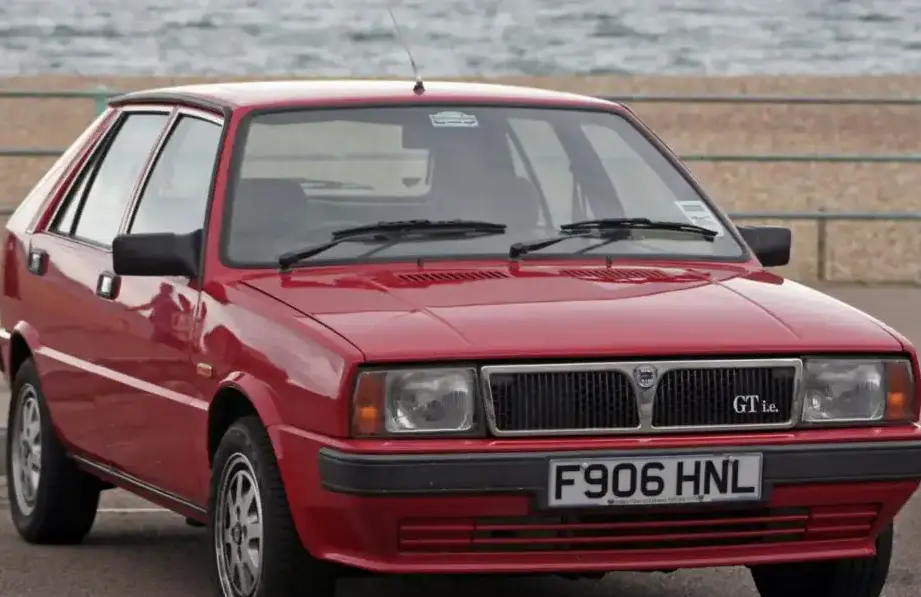
The Lancia Delta 1.6 GT i.e., produced from May 1986 to August 1988, represents a significant iteration of the first-generation Delta (Type 831) following its 1986 facelift. Positioned as a mid-range offering within the Delta lineup, it aimed to bridge the gap between the more economical base models and the high-performance Integrale variants. This model was primarily marketed in Europe, where Lancia enjoyed a strong reputation for innovative engineering and stylish design. The 1.6 GT i.e. offered a blend of performance and practicality, appealing to buyers seeking a refined and capable hatchback.
Technical Specifications
| Brand | Lancia |
| Model | Delta |
| Generation | Delta I (831, facelift 1986) |
| Type (Engine) | 1.6 GT i.e. (108 Hp) |
| Start of production | May, 1986 |
| End of production | August, 1988 |
| Powertrain Architecture | Internal Combustion engine |
| Body type | Hatchback |
| Seats | 5 |
| Doors | 5 |
| Fuel consumption (urban) | 9.8 l/100 km (24 US mpg, 28.8 UK mpg, 10.2 km/l) |
| Fuel consumption (extra urban) | 6.2 l/100 km (37.9 US mpg, 45.6 UK mpg, 16.1 km/l) |
| Fuel Type | Petrol (Gasoline) |
| Acceleration 0 – 100 km/h | 10 sec |
| Acceleration 0 – 62 mph | 10 sec |
| Acceleration 0 – 60 mph | 9.5 sec |
| Maximum speed | 185 km/h (114.95 mph) |
| Weight-to-power ratio | 9.3 kg/Hp, 107.7 Hp/tonne |
| Weight-to-torque ratio | 7.4 kg/Nm, 134.6 Nm/tonne |
| Power | 108 Hp @ 5900 rpm |
| Power per litre | 68.1 Hp/l |
| Torque | 135 Nm @ 3500 rpm (99.57 lb.-ft. @ 3500 rpm) |
| Engine layout | Front, Transverse |
| Engine Model/Code | 831B7000 |
| Engine displacement | 1585 cm3 (96.72 cu. in.) |
| Number of cylinders | 4 |
| Engine configuration | Inline |
| Cylinder Bore | 84 mm (3.31 in.) |
| Piston Stroke | 71.5 mm (2.81 in.) |
| Compression ratio | 9.7:1 |
| Number of valves per cylinder | 2 |
| Fuel injection system | Single-point injection |
| Engine aspiration | Naturally aspirated engine |
| Valvetrain | DOHC |
| Engine oil capacity | 5 l (5.28 US qt | 4.4 UK qt) |
| Coolant | 6.5 l (6.87 US qt | 5.72 UK qt) |
| Kerb Weight | 1003 kg (2211.24 lbs.) |
| Trunk (boot) space – minimum | 260 l (9.18 cu. ft.) |
| Trunk (boot) space – maximum | 1000 l (35.31 cu. ft.) |
| Fuel tank capacity | 57 l (15.06 US gal | 12.54 UK gal) |
| Length | 3895 mm (153.35 in.) |
| Width | 1620 mm (63.78 in.) |
| Height | 1380 mm (54.33 in.) |
| Wheelbase | 2475 mm (97.44 in.) |
| Front track | 1402 mm (55.2 in.) |
| Rear (Back) track | 1400 mm (55.12 in.) |
| Front overhang | 750 mm (29.53 in.) |
| Rear overhang | 670 mm (26.38 in.) |
| Minimum turning circle | 10.5 m (34.45 ft.) |
| Drivetrain Architecture | The Internal combustion engine (ICE) drives the front wheels of the vehicle. |
| Drive wheel | Front wheel drive |
| Number of gears and type of gearbox | 5 gears, manual transmission |
| Front suspension | Independent, type McPherson with coil spring and anti-roll bar |
| Rear suspension | McPherson, Transverse stabilizer |
| Front brakes | Disc, 257 mm |
| Rear brakes | Disc, 227 mm |
| Steering type | Steering rack and pinion |
| Tires size | 165/65 R14 |
| Wheel rims size | 5.5J x 14 |
Powertrain & Engine Architecture
The heart of the Delta 1.6 GT i.e. is the 831B7000 engine, a 1.6-liter inline-four cylinder gasoline engine. This engine featured single-point fuel injection, a relatively common technology in the mid-1980s, providing a balance between cost and efficiency. The engine utilized a double overhead camshaft (DOHC) valvetrain, operating two valves per cylinder, contributing to improved breathing and power output compared to older single-cam designs. The 1585cc displacement, combined with a 9.7:1 compression ratio, allowed for a respectable 108 horsepower at 5900 rpm and 135 Nm (99.57 lb-ft) of torque at 3500 rpm. The engine was transversely mounted, a layout favored by Lancia for its front-wheel-drive vehicles, optimizing space utilization. The 5-speed manual transmission was the standard offering, providing drivers with good control over the engine’s power band.
Driving Characteristics
The 1.6 GT i.e. offered a noticeably more engaging driving experience than the base-model Deltas. While not a sports car, the 108 hp engine provided adequate power for spirited driving, achieving 0-60 mph in around 9.5 seconds and a top speed of 185 km/h (114.95 mph). The five-speed manual transmission allowed drivers to keep the engine in its optimal power range. Compared to the later Integrale models with their turbocharged engines, the 1.6 GT i.e. felt less urgent in its acceleration, but it offered a more linear and predictable power delivery. The gear ratios were well-chosen for everyday driving, providing a comfortable cruising experience on the highway. The front-wheel-drive configuration, while offering good traction in most conditions, could exhibit some torque steer under hard acceleration.
Equipment & Trim Levels
The 1.6 GT i.e. trim level offered a step up in comfort and features compared to the more basic Delta models. Standard equipment typically included cloth upholstery, power steering, and a basic stereo system. The interior design was functional and well-laid-out, reflecting Italian design sensibilities of the era. Optional extras included electric windows, central locking, and a sunroof. The dashboard featured a comprehensive instrument cluster, providing information on speed, engine temperature, fuel level, and other vital parameters. The GT i.e. also benefited from slightly upgraded interior trim compared to lower-spec models, with more refined materials and detailing.
Chassis & Braking
The Delta 1.6 GT i.e. utilized an independent McPherson strut suspension system at the front, providing good handling and ride comfort. The rear suspension also employed a McPherson strut design, incorporating a transverse stabilizer bar to reduce body roll. Braking duties were handled by disc brakes on all four wheels, offering adequate stopping power for the vehicle’s weight and performance. The front discs measured 257mm, while the rear discs were slightly smaller at 227mm. The steering system was a rack and pinion setup, providing precise and responsive steering feel. The 165/65 R14 tires offered a good balance between grip and ride comfort.
Market Reception & Comparison
The Lancia Delta 1.6 GT i.e. was generally well-received by automotive critics. It was praised for its stylish design, comfortable interior, and engaging driving experience. Compared to other hatchbacks in its class, the Delta offered a unique blend of Italian flair and practicality. Fuel economy was respectable for the time, with combined fuel consumption around 8.3 l/100km. Compared to the more powerful Integrale models, the 1.6 GT i.e. was significantly more affordable and easier to insure, making it a popular choice for buyers who wanted a sporty and stylish hatchback without the high running costs of a performance model. The 1.9 TDI diesel variant, while offering superior fuel economy, lacked the responsiveness and refinement of the 1.6 GT i.e.’s gasoline engine.
Legacy
The Lancia Delta 1.6 GT i.e. remains a popular classic car among enthusiasts. The 831B7000 engine is generally considered to be reliable, although regular maintenance is essential to prevent issues. Parts availability can be a challenge, but a dedicated network of Lancia specialists and online retailers can provide support. Today, well-maintained examples of the 1.6 GT i.e. are sought after by collectors and enthusiasts who appreciate the Delta’s unique character and Italian design heritage. The model represents a sweet spot in the Delta lineup, offering a good balance of performance, practicality, and affordability.