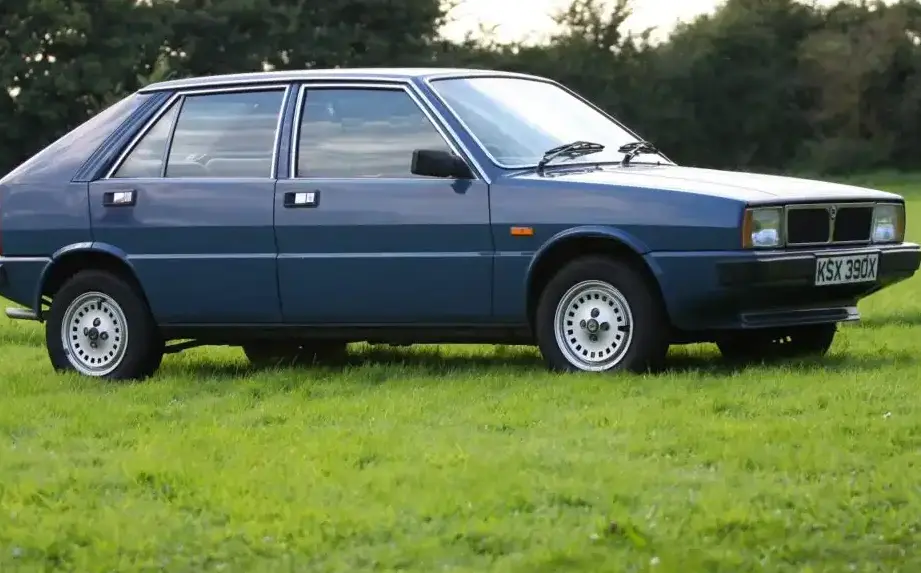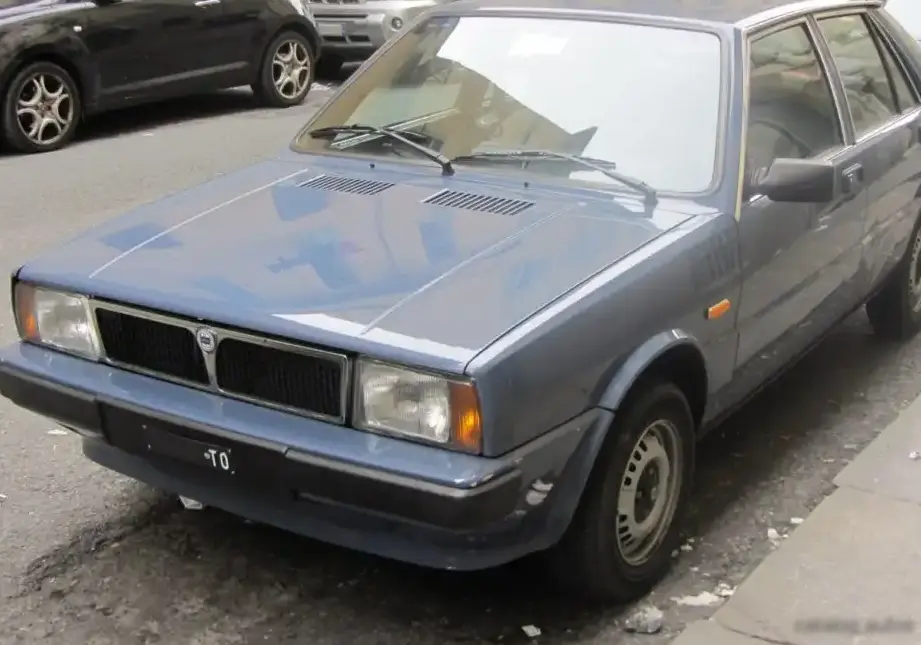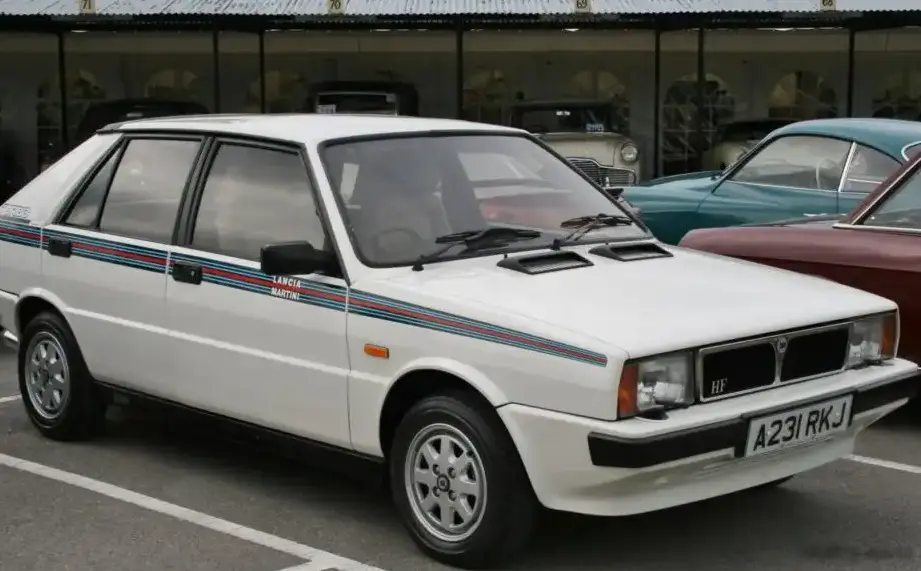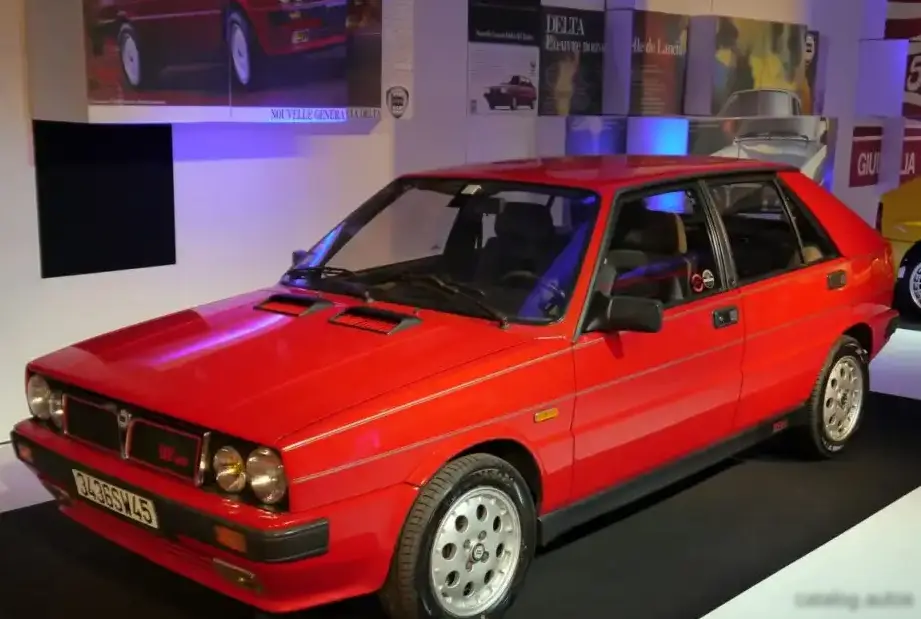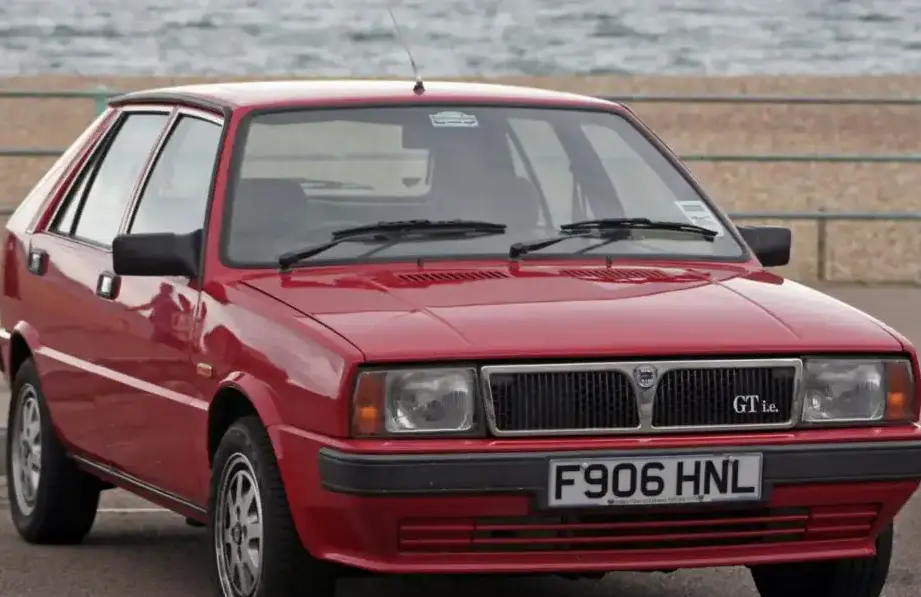
The Lancia Delta 1.9 Turbo DS, produced from October 1986 to December 1989, represents a significant iteration of the first-generation Delta (831 series, post-facelift). This variant occupied a middle ground within the Delta lineup, offering a blend of fuel efficiency and respectable performance thanks to its turbocharged diesel engine. It was primarily aimed at buyers seeking a practical, comfortable, and relatively economical family hatchback, particularly in European markets where diesel engines were gaining popularity. The Delta, as a whole, was a groundbreaking vehicle for Lancia, successfully combining front-wheel drive, a modern design, and a focus on driving enjoyment.
Technical Specifications
| Brand | Lancia |
| Model | Delta |
| Generation | Delta I (831, facelift 1986) |
| Type (Engine) | 1.9 Turbo DS (80 Hp) |
| Start of production | October, 1986 |
| End of production | December, 1989 |
| Powertrain Architecture | Internal Combustion engine |
| Body type | Hatchback |
| Seats | 5 |
| Doors | 5 |
| Fuel consumption (urban) | 6.5 l/100 km (36.2 US mpg, 43.5 UK mpg, 15.4 km/l) |
| Fuel consumption (extra urban) | 4.6 l/100 km (51.1 US mpg, 61.4 UK mpg, 21.7 km/l) |
| Fuel Type | Diesel |
| Acceleration 0 – 100 km/h | 12.9 sec |
| Acceleration 0 – 62 mph | 12.9 sec |
| Acceleration 0 – 60 mph | 12.3 sec |
| Maximum speed | 172 km/h (106.88 mph) |
| Weight-to-power ratio | 13.3 kg/Hp, 75.5 Hp/tonne |
| Weight-to-torque ratio | 6.2 kg/Nm, 162.3 Nm/tonne |
| Power | 80 Hp @ 4200 rpm |
| Power per litre | 41.5 Hp/l |
| Torque | 172 Nm @ 2400 rpm (126.86 lb.-ft. @ 2400 rpm) |
| Engine layout | Front, Transverse |
| Engine Model/Code | 831D1000 |
| Engine displacement | 1929 cm3 (117.71 cu. in.) |
| Number of cylinders | 4 |
| Engine configuration | Inline |
| Cylinder Bore | 82.6 mm (3.25 in.) |
| Piston Stroke | 90 mm (3.54 in.) |
| Compression ratio | 20:1 |
| Number of valves per cylinder | 2 |
| Fuel injection system | Precombustion chamber injection |
| Engine aspiration | Turbocharger, Intercooler |
| Valvetrain | SOHC |
| Engine oil capacity | 5 l (5.28 US qt | 4.4 UK qt) |
| Coolant | 7 l (7.4 US qt | 6.16 UK qt) |
| Kerb Weight | 1060 kg (2336.9 lbs.) |
| Max. weight | 1510 kg (3328.98 lbs.) |
| Max load | 450 kg (992.08 lbs.) |
| Trunk (boot) space – minimum | 260 l (9.18 cu. ft.) |
| Trunk (boot) space – maximum | 1000 l (35.31 cu. ft.) |
| Fuel tank capacity | 57 l (15.06 US gal | 12.54 UK gal) |
| Length | 3895 mm (153.35 in.) |
| Width | 1620 mm (63.78 in.) |
| Height | 1380 mm (54.33 in.) |
| Wheelbase | 2475 mm (97.44 in.) |
| Front track | 1402 mm (55.2 in.) |
| Rear (Back) track | 1400 mm (55.12 in.) |
| Front overhang | 750 mm (29.53 in.) |
| Rear overhang | 670 mm (26.38 in.) |
| Minimum turning circle | 10.5 m (34.45 ft.) |
| Drivetrain Architecture | The Internal combustion engine (ICE) drives the front wheels of the vehicle. |
| Drive wheel | Front wheel drive |
| Number of gears and type of gearbox | 5 gears, manual transmission |
| Front suspension | Independent, type McPherson with coil spring and anti-roll bar |
| Rear suspension | McPherson, Transverse stabilizer |
| Front brakes | Disc |
| Rear brakes | Drum |
| Steering type | Steering rack and pinion |
| Tires size | 165/65 R14 |
| Wheel rims size | 5.5J x 14 |
Powertrain & Engine Architecture
The heart of the Delta 1.9 Turbo DS is the 831D1000 engine, a 1929cc inline-four cylinder diesel. This engine utilized a precombustion chamber injection system, a common technology for diesel engines of the era, which improved combustion efficiency and reduced noise compared to direct injection systems. The addition of a turbocharger and intercooler significantly boosted power output to 80 horsepower at 4200 rpm and 172 Nm (126.86 lb-ft) of torque at 2400 rpm. The engine featured a single overhead camshaft (SOHC) valvetrain with two valves per cylinder. The five-speed manual transmission was the standard offering, providing a reasonable balance between performance and fuel economy. The engine’s transverse mounting and front-wheel drive configuration were key elements of the Delta’s compact design and handling characteristics.
Driving Characteristics
The 1.9 Turbo DS offered a noticeable step up in performance compared to the naturally aspirated diesel versions of the Delta. While not a sports car, the turbocharger provided a useful boost of power for overtaking and highway cruising. Acceleration to 60 mph took around 12.3 seconds, and the top speed was approximately 106.88 mph. The five-speed gearbox allowed drivers to keep the engine in its optimal power band. However, the engine could feel somewhat strained at higher revs, and turbo lag was present, though not excessive. The front-wheel drive layout provided predictable handling, but could exhibit some understeer when pushed hard. Overall, the driving experience was comfortable and practical, prioritizing usability over outright performance.
Equipment & Trim Levels
The 1.9 Turbo DS trim typically included features such as power steering, central locking, and electric windows. Interior upholstery was usually cloth, with a functional and durable design. The dashboard layout was typical of early 1980s Italian cars, with a focus on ergonomics and ease of use. Optional extras included a sunroof, upgraded audio system, and alloy wheels. The trim level aimed to provide a good balance of comfort and convenience without the added cost of more luxurious features found in higher-spec Delta models.
Chassis & Braking
The Delta 1.9 Turbo DS utilized an independent McPherson strut suspension setup at the front, providing a comfortable ride and decent handling. The rear suspension also employed a McPherson strut design, incorporating a transverse stabilizer bar to reduce body roll. Front brakes were discs, offering good stopping power, while the rear brakes were drums, a cost-saving measure common in this class of vehicle. The steering was rack and pinion, providing precise and responsive control. Tire size was typically 165/65 R14, mounted on 5.5J x 14 inch steel wheels.
Market Reception & Comparison
The Delta 1.9 Turbo DS was generally well-received by automotive critics as a practical and efficient family car. It offered a compelling alternative to other hatchbacks in its class, particularly those with gasoline engines, thanks to its superior fuel economy. Compared to the higher-performance Delta Integrale models, the 1.9 Turbo DS was significantly less expensive and focused on everyday usability rather than outright speed. It also offered a more refined driving experience than the lower-powered, naturally aspirated diesel versions. Reliability was generally good, although diesel engines of this era required regular maintenance to ensure longevity.
Legacy
The Lancia Delta 1.9 Turbo DS, while not as iconic as the Integrale rally car, played a crucial role in establishing the Delta as a successful and popular model. The 831D1000 engine proved to be a durable and reliable unit when properly maintained. Today, these Deltas are becoming increasingly sought after by classic car enthusiasts, particularly those who appreciate their unique blend of Italian style, practicality, and diesel efficiency. Finding well-maintained examples can be challenging, but the Delta 1.9 Turbo DS remains a testament to Lancia’s engineering prowess and design flair.