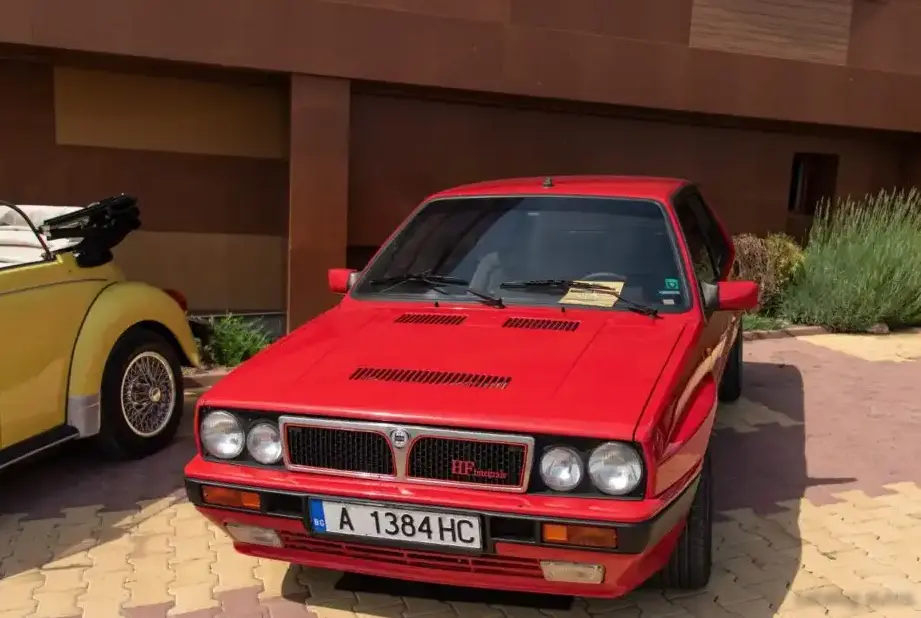
Technical Specifications
| Brand | Lancia |
| Model | Delta |
| Generation | Delta I (831, facelift 1986) |
| Type | HF Integrale 2.0 8V (177 Hp) 4WD |
| Start of production | 1989 |
| End of production | 1991 |
| Powertrain Architecture | Internal Combustion engine |
| Body type | Hatchback |
| Seats | 5 |
| Doors | 5 |
| Fuel consumption (urban) | 11.1 l/100 km (21.2 US mpg) |
| Fuel consumption (extra urban) | 8.2 l/100 km (28.7 US mpg) |
| Fuel Type | Petrol (Gasoline) |
| Acceleration 0 – 100 km/h | 6.9 sec |
| Acceleration 0 – 62 mph | 6.9 sec |
| Acceleration 0 – 60 mph | 6.6 sec |
| Maximum speed | 212 km/h (131.73 mph) |
| Weight-to-power ratio | 7.3 kg/Hp |
| Weight-to-torque ratio | 4.5 kg/Nm |
| Power | 177 Hp @ 5250 rpm |
| Torque | 290 Nm @ 2750 rpm (213.89 lb.-ft. @ 2750 rpm) |
| Engine layout | Front, Transverse |
| Engine Model/Code | 831C5046 |
| Engine displacement | 1995 cm3 (121.74 cu. in.) |
| Number of cylinders | 4 |
| Engine configuration | Inline |
| Cylinder Bore | 84 mm (3.31 in.) |
| Piston Stroke | 90 mm (3.54 in.) |
| Compression ratio | 7.5:1 |
| Number of valves per cylinder | 2 |
| Fuel injection system | Multi-port manifold injection |
| Engine aspiration | Turbocharger, Intercooler |
| Valvetrain | DOHC |
| Engine oil capacity | 5.3 l (5.6 US qt | 4.66 UK qt) |
| Coolant capacity | 6.2 l (6.55 US qt | 5.46 UK qt) |
| Kerb Weight | 1300 kg (2866.01 lbs.) |
| Max. weight | 1750 kg (3858.09 lbs.) |
| Max load | 450 kg (992.08 lbs.) |
| Trunk (boot) space – minimum | 200 l (7.06 cu. ft.) |
| Trunk (boot) space – maximum | 940 l (33.2 cu. ft.) |
| Length | 3900 mm (153.54 in.) |
| Width | 1700 mm (66.93 in.) |
| Height | 1380 mm (54.33 in.) |
| Wheelbase | 2480 mm (97.64 in.) |
| Minimum turning circle | 10.4 m (34.12 ft.) |
| Drivetrain Architecture | All wheel drive (4×4) |
| Number of gears | 5 |
| Gearbox type | Manual transmission |
| Front suspension | Independent, McPherson with coil spring and anti-roll bar |
| Rear suspension | McPherson, Transverse stabilizer |
| Front brakes | Ventilated discs |
| Rear brakes | Disc |
| Steering type | Steering rack and pinion |
| Power steering | Hydraulic |
| Tires size | 205/50 R15 |
| Wheel rims size | 7.5J x 15 |
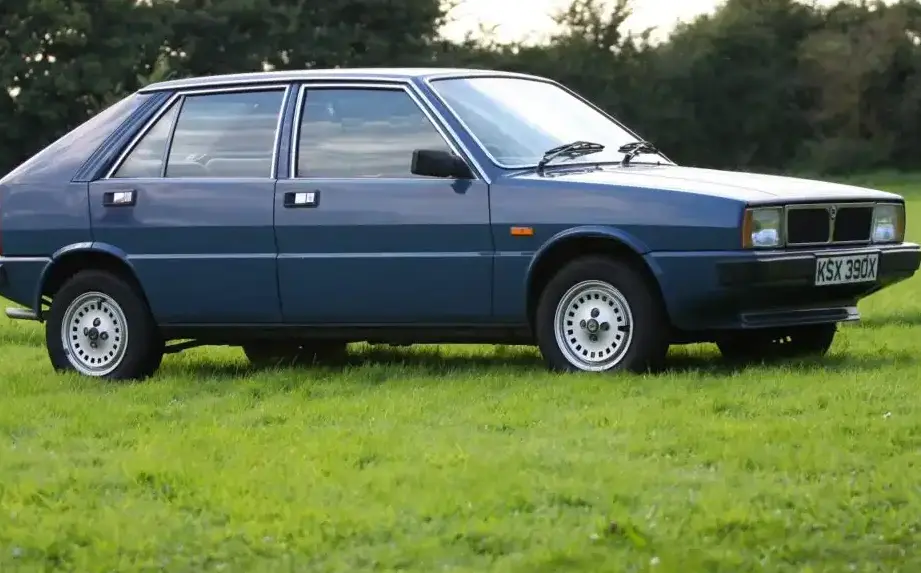
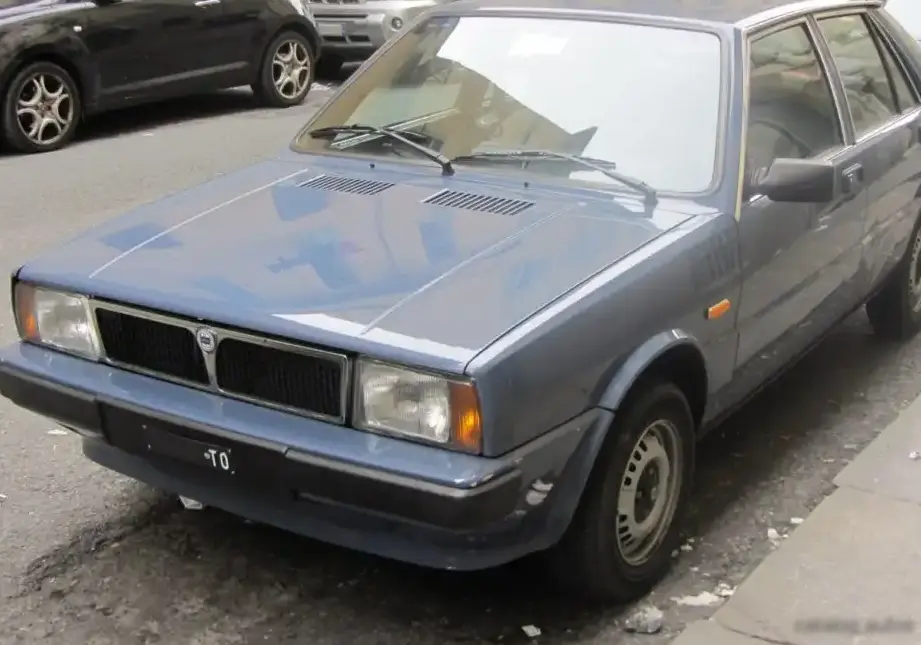
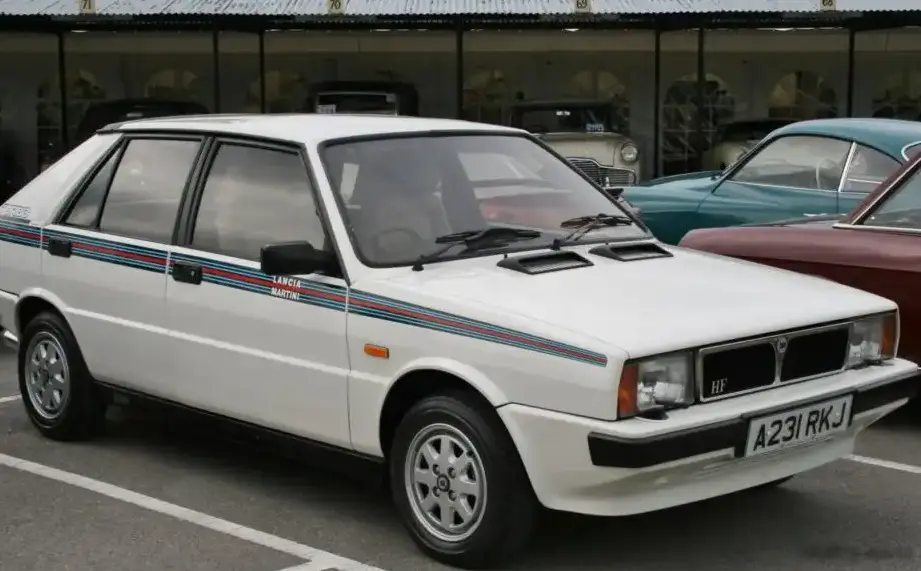
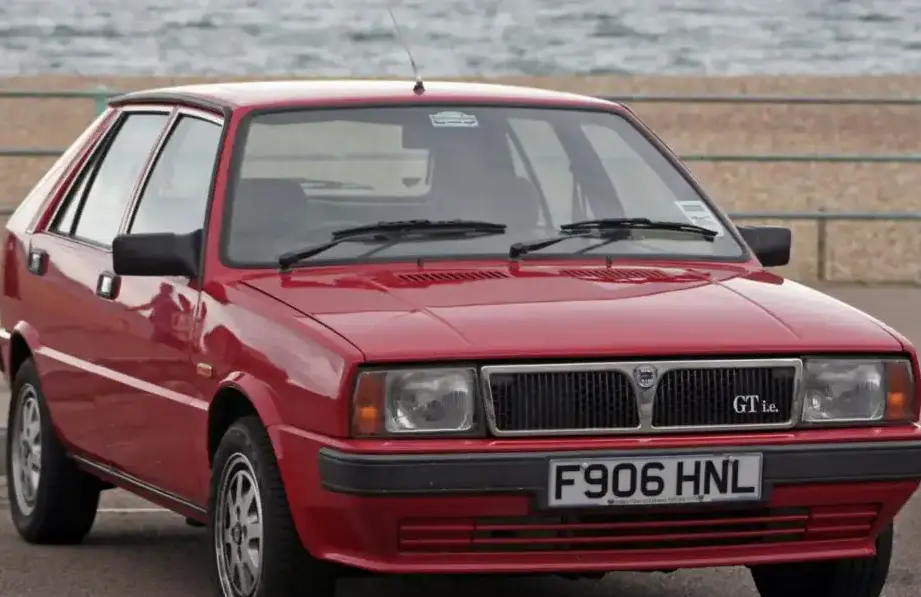
The Lancia Delta HF Integrale 2.0 8V, launched in 1989, built upon the success of the earlier Integrale models. It represented a significant step forward in terms of performance and refinement. The Delta, originally introduced in 1979, was a revolutionary hatchback that combined front-wheel drive with a spacious interior and modern styling. The Integrale variants, starting with the 8V, transformed the Delta into a formidable rally weapon and a highly sought-after performance car. This specific 2.0 8V model was produced until 1991, when it was superseded by the more powerful 16-valve version. It was a key player in Lancia’s dominance of the World Rally Championship during the late 1980s and early 1990s.
Powertrain & Engine Architecture
At the heart of the HF Integrale 2.0 8V lies the 831C5046 engine, a 1995cc inline-four cylinder powerplant. This engine featured a dual overhead camshaft (DOHC) design, a turbocharger with an intercooler, and multi-port fuel injection. The 7.5:1 compression ratio was a compromise between performance and reliability, necessary for the forced induction system. The engine produced 177 horsepower at 5250 rpm and 290 Nm (213.89 lb-ft) of torque at 2750 rpm. The engine’s transverse mounting and all-wheel-drive system contributed to its excellent handling characteristics. The transmission was a robust, five-speed manual gearbox. This gearbox was chosen for its durability and ability to handle the engine’s torque output. The engine code, 831C5046, is crucial for identifying specific parts and maintenance requirements.
Driving Characteristics
The driving experience of the Delta HF Integrale 2.0 8V is defined by its responsive turbocharger and tenacious all-wheel-drive system. While not as brutally fast as later 16V models, the 8V offered a more progressive power delivery, making it easier to control in everyday driving situations. The turbo lag was noticeable, but manageable, and the engine pulled strongly once it spooled up. The all-wheel-drive system provided exceptional grip, particularly on loose surfaces, and inspired confidence in challenging conditions. The five-speed manual gearbox offered precise shifts, although the ratios were geared more towards performance than fuel economy. Compared to the later 16V version, the 8V felt less frantic and more approachable, making it a more comfortable daily driver. However, it lacked the ultimate performance potential of its successor.
Equipment & Trim Levels
The HF Integrale 2.0 8V was relatively well-equipped for its time, although it wasn’t a luxury car. Standard features included power steering, central locking, electric windows, and a basic stereo system. The interior was characterized by its functional design and supportive Recaro seats, upholstered in a combination of cloth and Alcantara. Optional extras included air conditioning, a sunroof, and upgraded audio systems. The dashboard featured a comprehensive array of gauges, including a turbo pressure gauge, adding to the car’s sporty appeal.
Chassis & Braking
The Delta Integrale’s chassis was a key element of its success. It featured independent suspension all around, with McPherson struts at the front and a twist-beam setup at the rear. Anti-roll bars were fitted front and rear to reduce body roll during cornering. The braking system consisted of ventilated discs at the front and solid discs at the rear, providing adequate stopping power for the car’s performance capabilities. The hydraulic power steering offered precise and responsive control. The car’s relatively short wheelbase and wide track contributed to its agile handling.
Market Reception & Comparison
The Lancia Delta HF Integrale 2.0 8V was widely praised by automotive journalists for its performance, handling, and all-weather capability. It was considered a benchmark in the hot hatchback segment. Critics noted its strong engine, excellent grip, and robust build quality. Compared to other performance hatchbacks of the era, such as the Ford Escort RS Cosworth and the Volkswagen Golf GTI, the Delta Integrale offered a unique combination of performance and practicality. The 8V version was generally considered more accessible and user-friendly than the later 16V model, making it a popular choice for drivers who wanted a high-performance car that was also comfortable to live with. Fuel economy was reasonable for a turbocharged performance car, averaging around 21-29 mpg.
Legacy
The Lancia Delta HF Integrale 2.0 8V remains a highly collectible and sought-after classic car. Its robust powertrain and relatively simple mechanical design contribute to its long-term reliability, although regular maintenance is essential. The engine, while capable, is known to be sensitive to oil quality and requires regular servicing. Today, well-maintained examples command high prices in the used car market. The Delta Integrale’s legacy extends beyond its rallying success; it is remembered as a groundbreaking performance car that redefined the hot hatchback segment and cemented Lancia’s reputation for engineering excellence.