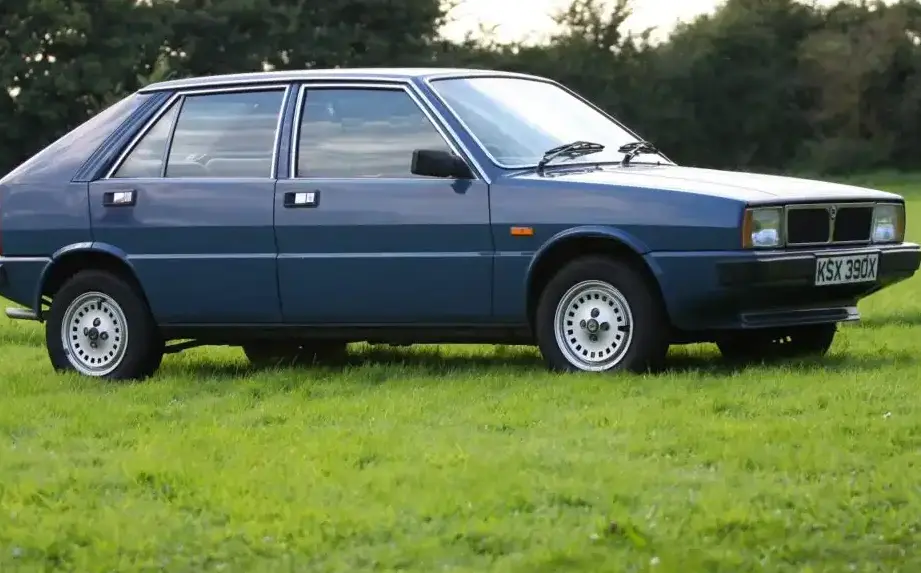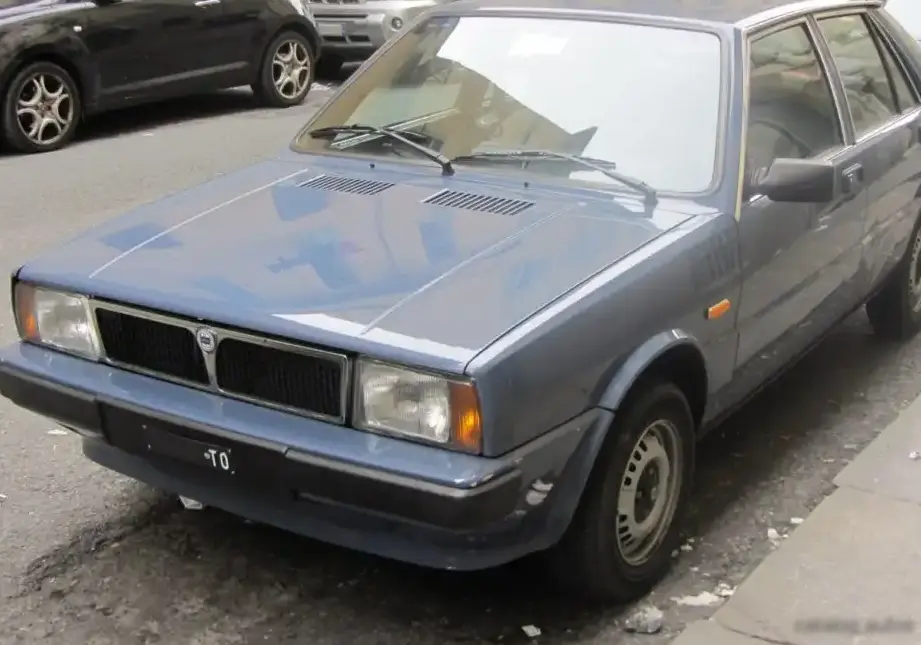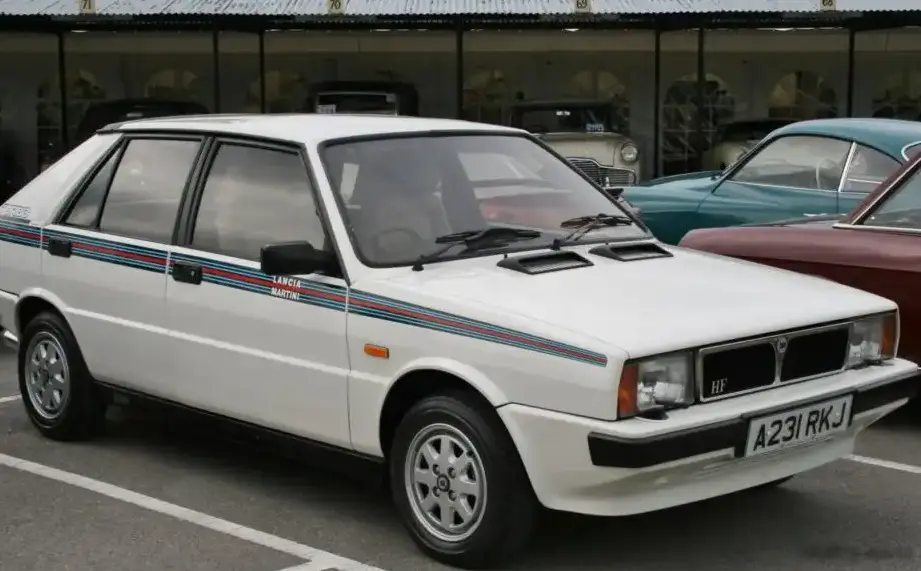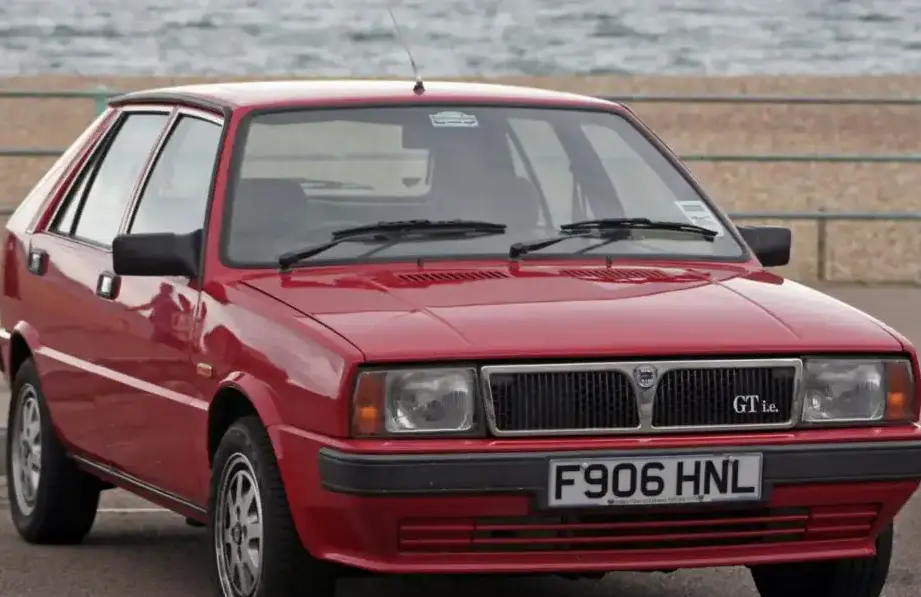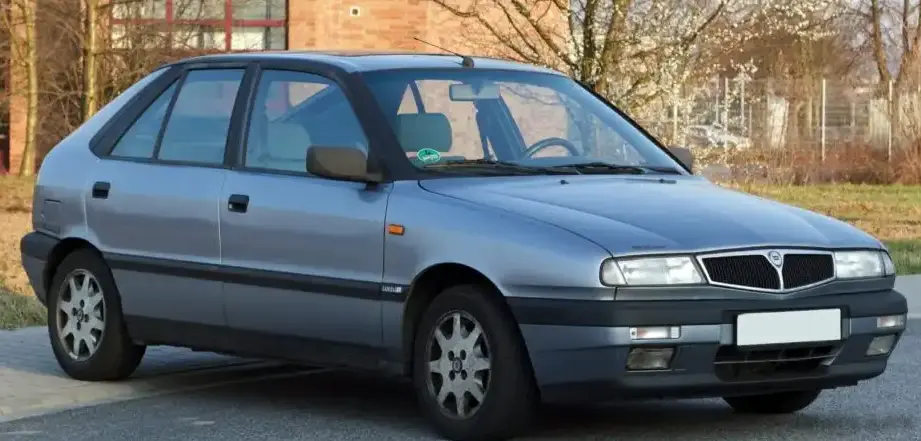
The Lancia Delta II 1.6 i.e. (75 hp) was a variant of the second-generation Delta, produced between 1993 and 1998. Positioned as an entry-level offering within the 836 series, it aimed to provide affordable access to the Delta’s renowned practicality and styling. This model occupied a crucial space in Lancia’s lineup during a period of transition, offering a balance between economy and the Delta’s established reputation for engineering. It was part of the 1HX0/A3 platform shared with other Fiat Group vehicles like the Fiat Tipo and Alfa Romeo 145/146.
Technical Specifications
| Brand | Lancia |
| Model | Delta |
| Generation | Delta II (836) |
| Type (Engine) | 1.6 i.e. (75 Hp) |
| Start of production | 1993 |
| End of production | 1998 |
| Powertrain Architecture | Internal Combustion engine |
| Body type | Hatchback |
| Seats | 5 |
| Doors | 5 |
| Fuel consumption (combined) | 8.3 l/100 km |
| Fuel consumption (US mpg) | 28.3 US mpg |
| Fuel consumption (UK mpg) | 34 UK mpg |
| Fuel consumption (km/l) | 12 km/l |
| Fuel Type | Petrol (Gasoline) |
| Acceleration 0 – 100 km/h | 13.8 sec |
| Acceleration 0 – 62 mph | 13.8 sec |
| Acceleration 0 – 60 mph | 13.1 sec |
| Maximum speed | 172 km/h (106.88 mph) |
| Weight-to-power ratio | 14.7 kg/Hp |
| Weight-to-torque ratio | 8.8 kg/Nm |
| Power | 75 Hp @ 6000 rpm |
| Power per litre | 47.4 Hp/l |
| Torque | 125 Nm @ 3000 rpm (92.2 lb.-ft. @ 3000 rpm) |
| Engine layout | Front, Transverse |
| Engine Model/Code | 835 C1.000 |
| Engine displacement | 1581 cm3 (96.48 cu. in.) |
| Number of cylinders | 4 |
| Engine configuration | Inline |
| Cylinder Bore | 86.4 mm (3.4 in.) |
| Piston Stroke | 67.4 mm (2.65 in.) |
| Compression ratio | 9.2:1 |
| Number of valves per cylinder | 2 |
| Fuel injection system | Single-point injection |
| Engine aspiration | Naturally aspirated engine |
| Valvetrain | OHC |
| Engine oil capacity | 3.7 l (3.91 US qt | 3.26 UK qt) |
| Coolant capacity | 6.5 l (6.87 US qt | 5.72 UK qt) |
| Kerb Weight | 1102 kg (2429.49 lbs.) |
| Max. weight | 1620 kg (3571.49 lbs.) |
| Max load | 518 kg (1141.99 lbs.) |
| Trunk (boot) space – minimum | 310 l (10.95 cu. ft.) |
| Fuel tank capacity | 55 l (14.53 US gal | 12.1 UK gal) |
| Length | 4011 mm (157.91 in.) |
| Width | 1703 mm (67.05 in.) |
| Height | 1430 mm (56.3 in.) |
| Wheelbase | 2540 mm (100 in.) |
| Front track | 1436 mm (56.54 in.) |
| Rear track | 1415 mm (55.71 in.) |
| Drivetrain Architecture | Front wheel drive |
| Number of gears | 5 gears, manual transmission |
| Front suspension | Spring Strut |
| Rear suspension | Coil spring |
| Front brakes | Disc |
| Rear brakes | Disc |
| Assisting systems | ABS (Anti-lock braking system) |
| Steering type | Steering rack and pinion |
| Power steering | Hydraulic Steering |
| Tires size | 185/60 R14 |
Powertrain & Engine Architecture
The 1.6 i.e. engine, designated with the code 835 C1.000, was a naturally aspirated, inline-four cylinder unit. It featured a single overhead camshaft (OHC) and utilized a single-point fuel injection system. This system, while cost-effective, was less sophisticated than the multi-point injection found in higher-spec Delta models. The engine produced 75 horsepower at 6000 rpm and 125 Nm (92.2 lb-ft) of torque at 3000 rpm. The compression ratio was set at 9.2:1. The engine’s relatively modest output was geared towards fuel efficiency and everyday usability rather than outright performance. The engine was transversely mounted, driving the front wheels. The standard transmission was a five-speed manual gearbox, chosen for its affordability and simplicity. While an automatic transmission was offered on some Delta II models, it wasn’t typically paired with the 1.6 i.e. engine.
Driving Characteristics
The Delta II 1.6 i.e. offered a comfortable, if uninspiring, driving experience. Acceleration was leisurely, taking approximately 13.8 seconds to reach 62 mph (100 km/h). The engine felt strained at higher revs, and the single-point injection system contributed to a slightly rough idle. The five-speed manual transmission was well-matched to the engine’s characteristics, allowing drivers to keep the engine in its optimal power band. Compared to the more powerful 1.8 i.e. or the turbocharged models, the 1.6 i.e. lacked the punch for spirited driving. However, its lighter weight and less stressed engine contributed to improved fuel economy. The steering was light and precise, typical of Lancia’s engineering, and the suspension provided a reasonably comfortable ride, although it could feel somewhat soft in corners.
Equipment & Trim Levels
The 1.6 i.e. trim level was generally considered the base model in the Delta II range. Standard equipment typically included central locking, power steering, and basic instrumentation. Interior upholstery was usually cloth, and the dashboard featured a functional, if somewhat dated, design. Optional extras included power windows, air conditioning, and an upgraded stereo system. The overall interior ambiance was practical and durable, prioritizing functionality over luxury. The exterior styling was consistent with other Delta II models, featuring the distinctive wedge shape and integrated headlights.
Chassis & Braking
The Delta II 1.6 i.e. utilized a front-wheel-drive layout with independent front suspension employing MacPherson struts and a twist-beam rear suspension. Braking was provided by disc brakes on all four wheels, a relatively advanced setup for a car in this price segment. An Anti-lock Braking System (ABS) was standard, enhancing safety and stability during braking. The steering system was a rack and pinion type, offering precise control and a reasonable turning circle. Tire size was typically 185/60 R14, providing a good balance between comfort and handling.
Market Reception & Comparison
The Delta II 1.6 i.e. was generally well-received as an affordable and practical hatchback. Critics praised its spacious interior, comfortable ride, and relatively low running costs. However, the engine’s lack of power was a common criticism. Compared to the 1.8 i.e. variant, the 1.6 i.e. offered significantly less performance but at a lower purchase price. The 1.8 i.e. provided a noticeable improvement in acceleration and overall driving experience, while the turbocharged models offered even greater performance but came with higher running costs and potential maintenance issues. The 1.6 i.e. appealed to buyers who prioritized economy and practicality over outright performance.
Legacy
The Lancia Delta II 1.6 i.e. remains a relatively common sight on European roads today, testament to its durability and reliability. The 835 C1.000 engine is generally considered to be a robust and dependable unit, although regular maintenance is essential to prevent issues. Parts availability is generally good, thanks to the Delta’s popularity and the shared components with other Fiat Group vehicles. In the used car market, the 1.6 i.e. represents an affordable entry point into Delta ownership, offering a taste of the model’s iconic styling and practicality. While not the most desirable variant, it remains a viable option for buyers seeking a reliable and economical hatchback with a touch of Italian flair.