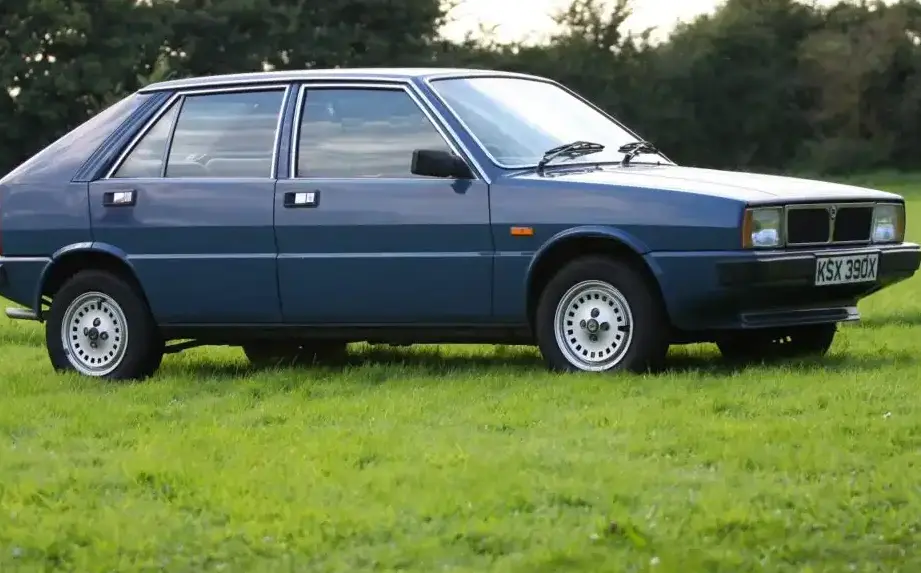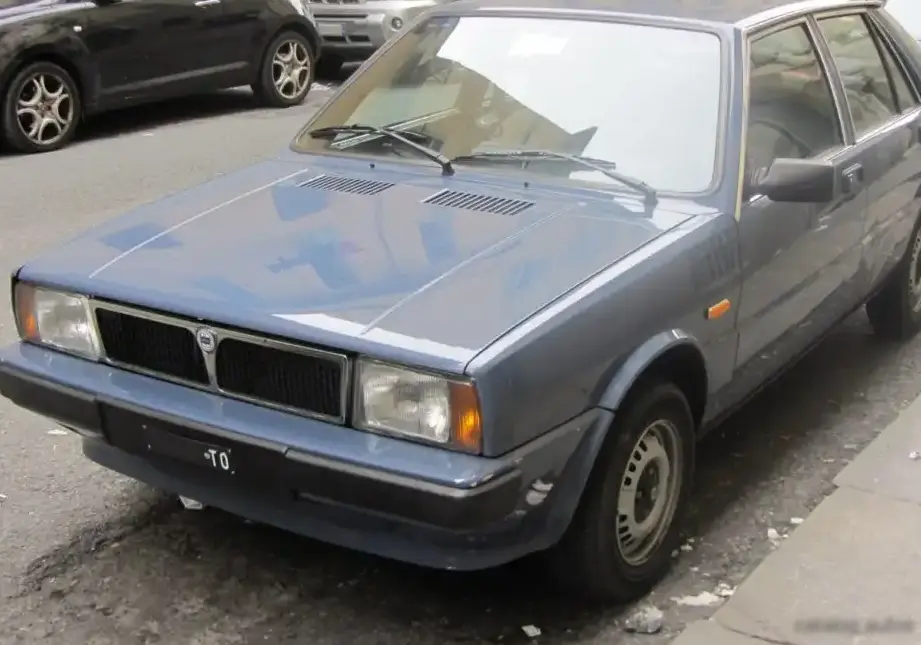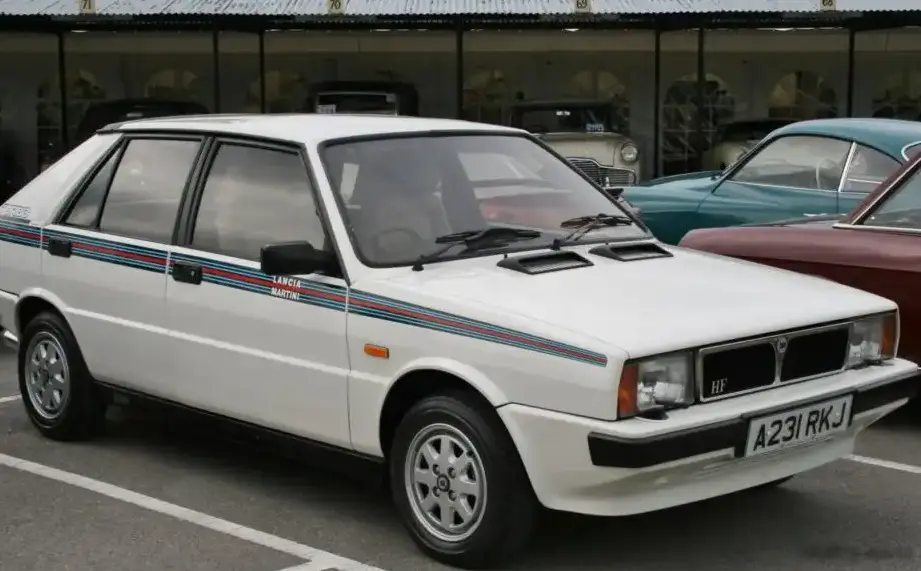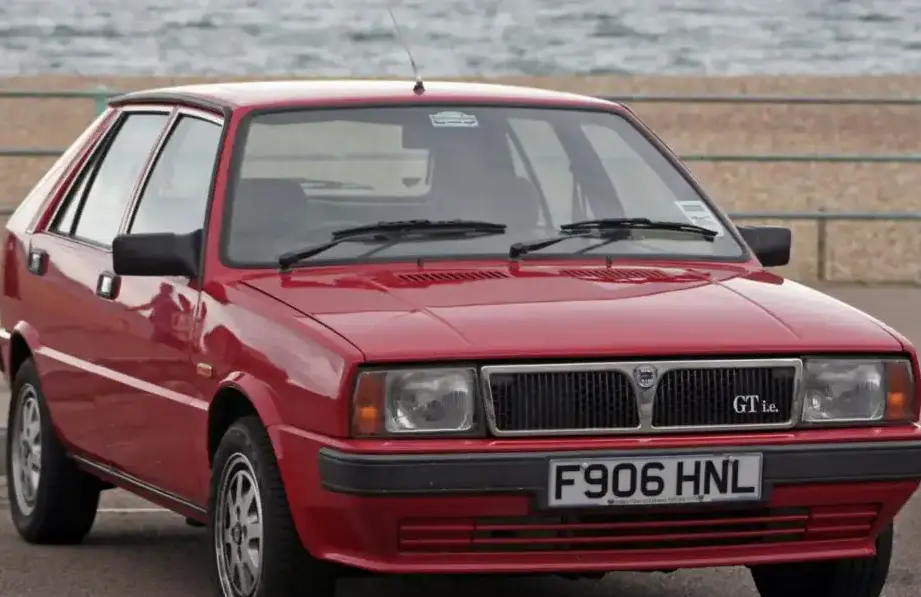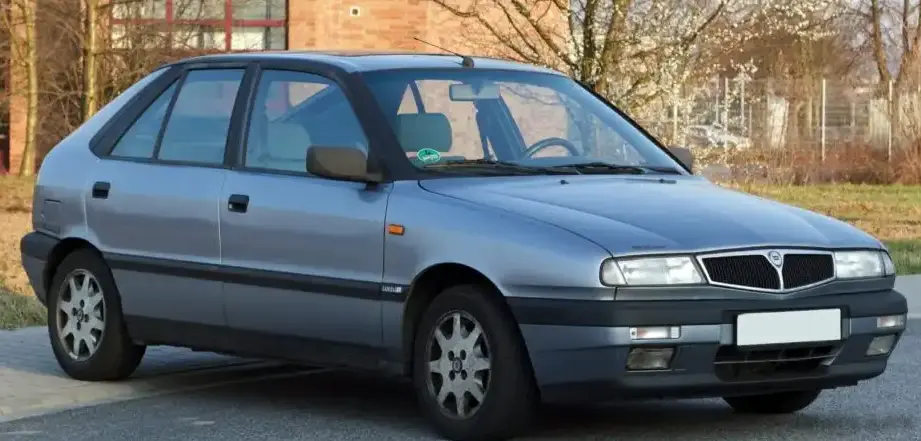
The Lancia Delta II 1.8 (90 hp) represents an important iteration of the iconic Delta model, produced between 1994 and 1999. Falling within the 836 series, this variant occupied a mid-range position in the Delta II lineup, offering a balance between affordability and reasonable performance. It was designed to appeal to buyers seeking a practical, comfortable, and relatively economical hatchback within the European market. The Delta II, built upon the Lancia/Fiat Tipo-based platform, aimed to modernize the Delta’s image while retaining its core values of spaciousness and driving enjoyment.
Technical Specifications
| Brand | Lancia |
| Model | Delta |
| Generation | Delta II (836) |
| Type (Engine) | 1.8 (90 Hp) |
| Start of production | 1994 |
| End of production | 1999 |
| Powertrain Architecture | Internal Combustion engine |
| Body type | Hatchback |
| Seats | 5 |
| Doors | 5 |
| Fuel consumption (combined) | 9 l/100 km (26.1 US mpg, 31.4 UK mpg, 11.1 km/l) |
| Fuel Type | Petrol (Gasoline) |
| Acceleration 0 – 100 km/h | 12.6 sec |
| Acceleration 0 – 62 mph | 12.6 sec |
| Acceleration 0 – 60 mph | 12 sec |
| Maximum speed | 180 km/h (111.85 mph) |
| Weight-to-power ratio | 13.1 kg/Hp (76.1 Hp/tonne) |
| Weight-to-torque ratio | 9.2 kg/Nm (108.3 Nm/tonne) |
| Power | 90 Hp @ 6000 rpm |
| Power per litre | 51.3 Hp/l |
| Torque | 128 Nm @ 3250 rpm (94.41 lb.-ft. @ 3250 rpm) |
| Engine layout | Front, Transverse |
| Engine Model/Code | 836 A6.000 |
| Engine displacement | 1756 cm3 (107.16 cu. in.) |
| Number of cylinders | 4 |
| Engine configuration | Inline |
| Cylinder Bore | 84 mm (3.31 in.) |
| Piston Stroke | 79.2 mm (3.12 in.) |
| Compression ratio | 9.5:1 |
| Number of valves per cylinder | 2 |
| Fuel injection system | Multi-port manifold injection |
| Engine aspiration | Naturally aspirated engine |
| Valvetrain | DOHC |
| Engine oil capacity | 4.8 l (5.07 US qt | 4.22 UK qt) |
| Coolant | 6.9 l (7.29 US qt | 6.07 UK qt) |
| Kerb Weight | 1182 kg (2605.86 lbs.) |
| Max. weight | 1700 kg (3747.86 lbs.) |
| Max load | 518 kg (1141.99 lbs.) |
| Trunk (boot) space – minimum | 310 l (10.95 cu. ft.) |
| Fuel tank capacity | 55 l (14.53 US gal | 12.1 UK gal) |
| Length | 4011 mm (157.91 in.) |
| Width | 1703 mm (67.05 in.) |
| Height | 1430 mm (56.3 in.) |
| Wheelbase | 2540 mm (100 in.) |
| Front track | 1436 mm (56.54 in.) |
| Rear (Back) track | 1415 mm (55.71 in.) |
| Drivetrain Architecture | The Internal combustion engine (ICE) drives the front wheels of the vehicle. |
| Drive wheel | Front wheel drive |
| Number of gears and type of gearbox | 5 gears, manual transmission |
| Front suspension | Spring Strut |
| Rear suspension | Coil spring |
| Front brakes | Disc |
| Rear brakes | Disc |
| Assisting systems | ABS (Anti-lock braking system) |
| Steering type | Steering rack and pinion |
| Power steering | Hydraulic Steering |
| Tires size | 185/60 R14 |
Introduction
The Lancia Delta II 1.8 (90 hp) was produced from 1994 to 1999, representing a significant update to the original Delta. It was part of the 836 project, which saw a substantial redesign of the Delta, sharing components with the Fiat Tipo. This variant aimed to provide a more accessible entry point into the Delta range, appealing to buyers who prioritized fuel efficiency and practicality over outright performance. It served as a crucial model in maintaining the Delta’s presence in a competitive European hatchback market.
Powertrain & Engine Architecture
At the heart of the Delta II 1.8 was the 836 A6.000 engine, an inline four-cylinder, naturally aspirated gasoline engine displacing 1756 cc (1.8 liters). This engine featured a dual overhead camshaft (DOHC) valvetrain with two valves per cylinder. Fuel delivery was managed by a multi-port fuel injection system, contributing to improved efficiency and smoother operation compared to earlier carbureted Lancia engines. The 90 horsepower output at 6000 rpm and 128 Nm (94.41 lb-ft) of torque at 3250 rpm were respectable for its time, but positioned it as a more economical choice within the Delta lineup. The engine’s design prioritized reliability and ease of maintenance. The 5-speed manual transmission was standard, offering a relatively conventional driving experience.
Driving Characteristics
The Delta II 1.8 (90 hp) offered a comfortable and predictable driving experience. Acceleration was adequate for everyday driving, with a 0-60 mph time of around 12 seconds and a top speed of 111.85 mph. However, it was noticeably slower than the more powerful Delta variants, such as those equipped with the 2.0-liter engine or the turbocharged models. The 5-speed manual transmission provided reasonable control, but the gear ratios were geared towards fuel economy rather than spirited performance. The relatively low power output meant that the engine needed to be revved to extract the most from it, especially when carrying a full load or tackling inclines. Compared to the more potent Delta models, the 1.8 felt less refined and lacked the same level of responsiveness.
Equipment & Trim Levels
The Delta II 1.8 typically came with a fairly basic level of equipment, reflecting its position as an entry-level model. Standard features generally included power steering, central locking, and electric front windows. Interior upholstery was typically cloth, and the dashboard featured a functional, if somewhat dated, design. Optional extras included air conditioning, alloy wheels, and a radio/cassette player. Higher trim levels offered upgrades such as upgraded upholstery, a sunroof, and more comprehensive audio systems. The focus was on providing a practical and comfortable interior rather than luxurious appointments.
Chassis & Braking
The Delta II 1.8 utilized a front-wheel-drive layout with a MacPherson strut suspension at the front and a coil spring suspension at the rear. This setup provided a comfortable ride quality, although it wasn’t particularly sporty. Disc brakes were fitted to all four wheels, providing adequate stopping power. An Anti-lock Braking System (ABS) was standard, enhancing safety. The chassis was designed to balance handling with ride comfort, making it suitable for everyday driving conditions. The relatively lightweight construction of the Delta II helped to mitigate the effects of the modest engine output.
Market Reception & Comparison
The Delta II 1.8 (90 hp) was generally well-received as a practical and affordable hatchback. Critics praised its spacious interior, comfortable ride, and reasonable fuel economy. However, it was often criticized for its lack of performance compared to other Delta variants and its competitors. Compared to the 2.0-liter Delta, the 1.8 offered significantly less power and acceleration. The 1.9 TDI diesel version provided superior fuel economy and torque, making it a popular choice for high-mileage drivers. The 1.8 appealed to buyers who prioritized value for money and practicality over outright performance.
Legacy
The Lancia Delta II 1.8 (90 hp) remains a relatively common sight on European roads today, testament to its inherent reliability. The 836 A6.000 engine is known for its durability, and with regular maintenance, it can provide many years of service. However, like all older vehicles, it is susceptible to age-related issues such as corrosion and wear and tear on suspension components. In the used car market, the 1.8 variant is typically the most affordable Delta II model, making it an attractive option for budget-conscious buyers. While it may not offer the same level of performance or prestige as the more powerful Delta variants, it represents a practical and reliable choice for those seeking a classic Italian hatchback.