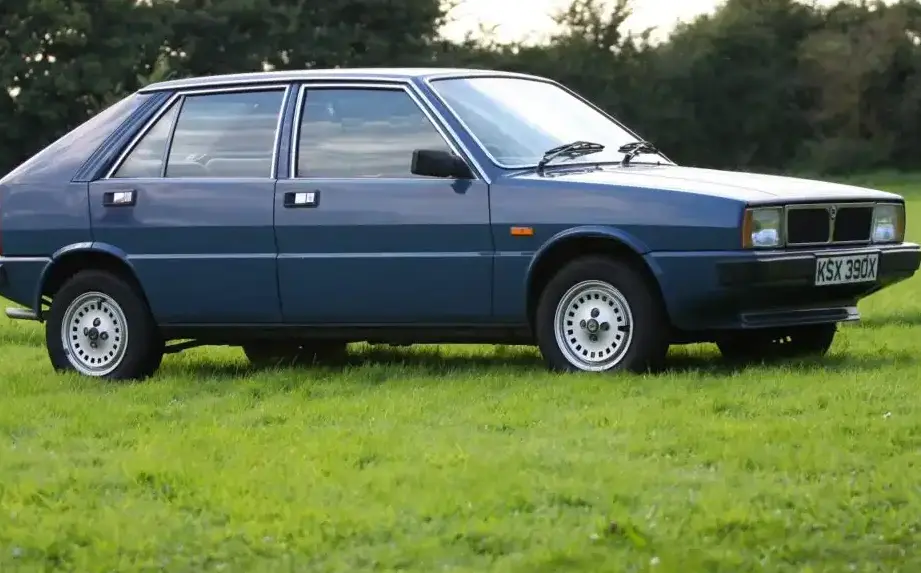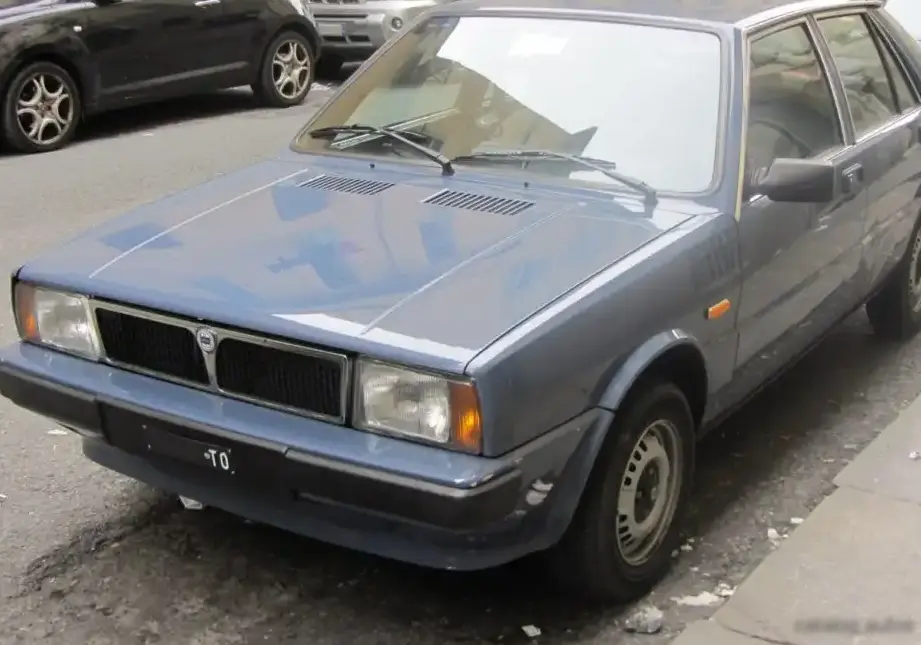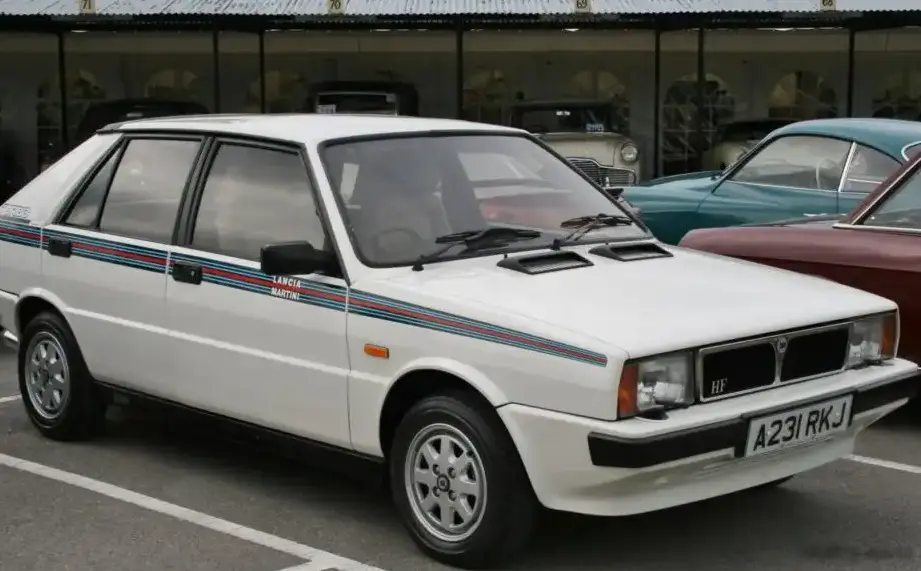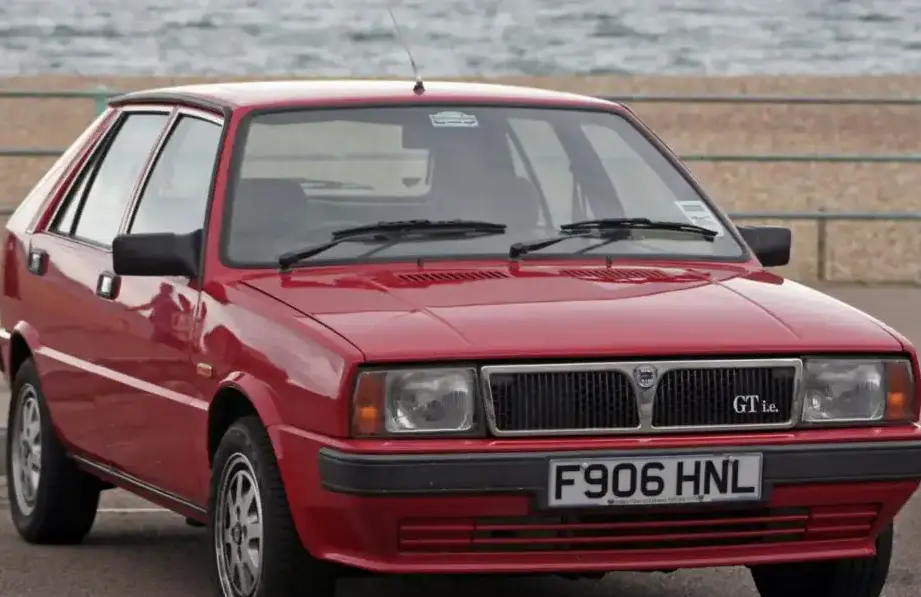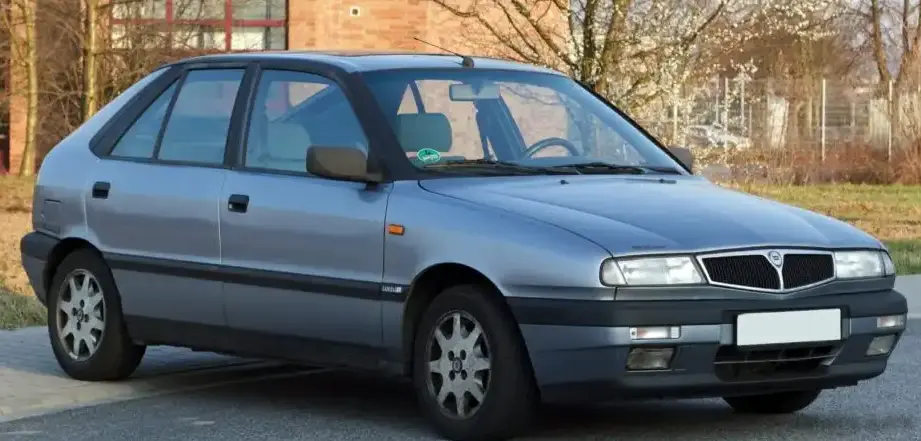
The Lancia Delta II 1.8 i.e., produced between 1993 and 1998, represented a significant evolution of the iconic Delta model. Falling within the 836 series, this variant occupied a middle-ground position in the Delta II lineup, offering a balance between performance and affordability. It was positioned above the base 1.6-liter models and below the more potent 2.0-liter versions, including the high-performance Delta Integrale. The 1.8 i.e. aimed to provide a comfortable and practical hatchback experience for a broader customer base within the European market, building upon the Delta’s established reputation for innovative engineering and rally-bred pedigree.
Technical Specifications
| Brand | Lancia |
| Model | Delta |
| Generation | Delta II (836) |
| Type (Engine) | 1.8 i.e. (103 Hp) |
| Start of production | 1993 |
| End of production | 1998 |
| Powertrain Architecture | Internal Combustion engine |
| Body type | Hatchback |
| Seats | 5 |
| Doors | 5 |
| Fuel Type | Petrol (Gasoline) |
| Weight-to-power ratio | 10.7 kg/Hp, 93.5 Hp/tonne |
| Weight-to-torque ratio | 7.8 kg/Nm, 128.9 Nm/tonne |
| Power | 103 Hp @ 6000 rpm |
| Power per litre | 58.7 Hp/l |
| Torque | 142 Nm @ 2500 rpm (104.73 lb.-ft. @ 2500 rpm) |
| Engine layout | Front, Transverse |
| Engine Model/Code | 835 C2.000 |
| Engine displacement | 1756 cm3 (107.16 cu. in.) |
| Number of cylinders | 4 |
| Engine configuration | Inline |
| Cylinder Bore | 84 mm (3.31 in.) |
| Piston Stroke | 79.2 mm (3.12 in.) |
| Compression ratio | 9.5:1 |
| Number of valves per cylinder | 2 |
| Fuel injection system | Multi-port manifold injection |
| Engine aspiration | Naturally aspirated engine |
| Valvetrain | DOHC |
| Engine oil capacity | 4.8 l (5.07 US qt | 4.22 UK qt) |
| Coolant | 6.9 l (7.29 US qt | 6.07 UK qt) |
| Kerb Weight | 1102 kg (2429.49 lbs.) |
| Max. weight | 1620 kg (3571.49 lbs.) |
| Max load | 518 kg (1141.99 lbs.) |
| Trunk (boot) space – minimum | 310 l (10.95 cu. ft.) |
| Fuel tank capacity | 55 l (14.53 US gal | 12.1 UK gal) |
| Length | 4011 mm (157.91 in.) |
| Width | 1703 mm (67.05 in.) |
| Height | 1430 mm (56.3 in.) |
| Wheelbase | 2540 mm (100 in.) |
| Front track | 1436 mm (56.54 in.) |
| Rear (Back) track | 1415 mm (55.71 in.) |
| Drivetrain Architecture | The Internal combustion engine (ICE) drives the front wheels of the vehicle. |
| Drive wheel | Front wheel drive |
| Number of gears and type of gearbox | 5 gears, manual transmission |
| Front suspension | Spring Strut |
| Rear suspension | Coil spring |
| Front brakes | Disc |
| Rear brakes | Disc |
| Assisting systems | ABS (Anti-lock braking system) |
| Steering type | Steering rack and pinion |
| Power steering | Hydraulic Steering |
| Tires size | 185/60 R14 |
Powertrain & Engine Architecture
The heart of the Delta II 1.8 i.e. is the 835 C2.000 engine, an inline four-cylinder petrol engine displacing 1756 cc (1.8 liters). This engine utilizes a multi-port fuel injection system, delivering fuel directly into the intake ports for improved combustion efficiency. The engine features a double overhead camshaft (DOHC) valvetrain, operating two valves per cylinder, contributing to its respectable power output for its displacement. The 1.8-liter engine produces 103 horsepower at 6000 rpm and 142 Nm (104.73 lb-ft) of torque at 2500 rpm. This engine was known for its relatively smooth operation and decent responsiveness, although it wasn’t designed for outright performance. The engine is transversely mounted, driving the front wheels. The 5-speed manual transmission was the standard offering, providing a reasonable balance between fuel economy and drivability.
Driving Characteristics
The Delta II 1.8 i.e. offered a comfortable and predictable driving experience. While not a sports car, the 103 hp engine provided adequate power for everyday driving and highway cruising. Acceleration was respectable, but not particularly brisk, with a 0-60 mph time estimated around 11-12 seconds. The 5-speed manual transmission allowed drivers to effectively utilize the engine’s torque band, while the gear ratios were tuned for fuel efficiency rather than outright performance. Compared to the higher-output 2.0-liter versions, the 1.8 i.e. felt noticeably less powerful, especially during overtaking maneuvers. However, it offered a more forgiving and accessible driving experience for less experienced drivers. The front-wheel-drive configuration provided predictable handling, although it could exhibit some understeer when pushed hard.
Equipment & Trim Levels
The Delta II 1.8 i.e. typically came equipped with a reasonable level of standard features. These included power steering, central locking, electric front windows, and an adjustable steering column. Interior upholstery was typically cloth, with a functional and durable design. Optional extras included air conditioning, a sunroof, and upgraded audio systems. The trim level could vary depending on the market, but generally, the 1.8 i.e. offered a step up in comfort and convenience compared to the base models. The dashboard layout was typical of early 1990s Italian design, with a focus on functionality and ease of use.
Chassis & Braking
The Delta II 1.8 i.e. utilized a MacPherson strut front suspension and a coil spring rear suspension. This setup provided a comfortable ride quality, absorbing bumps and imperfections in the road surface effectively. The braking system consisted of disc brakes on all four wheels, providing adequate stopping power for the vehicle’s weight and performance. An Anti-lock Braking System (ABS) was standard, enhancing safety and control during emergency braking situations. The chassis was relatively lightweight, contributing to the car’s nimble handling characteristics. Stabilizer bars were fitted to both the front and rear axles, reducing body roll during cornering.
Market Reception & Comparison
The Lancia Delta II 1.8 i.e. was generally well-received by automotive critics as a practical and well-rounded hatchback. It was praised for its comfortable ride, decent fuel economy, and spacious interior. However, some critics noted that the engine lacked the punch of its larger counterparts. Compared to the 1.6-liter models, the 1.8 i.e. offered a noticeable improvement in performance, making it a more appealing option for drivers who frequently traveled on highways or carried passengers. In terms of reliability, the 1.8 i.e. proved to be a relatively dependable engine, although regular maintenance was essential to prevent issues. Fuel economy was typically around 30-35 mpg, depending on driving conditions.
Legacy
The Lancia Delta II 1.8 i.e. remains a popular choice among enthusiasts and collectors today. Its combination of practicality, comfort, and Italian styling has ensured its enduring appeal. The 835 C2.000 engine is known for its durability, and well-maintained examples can still provide reliable transportation. However, finding parts can sometimes be challenging, as the Delta II is now a relatively rare vehicle. The 1.8 i.e. represents a sweet spot in the Delta II lineup, offering a good balance between performance, affordability, and running costs. It stands as a testament to Lancia’s engineering prowess and its commitment to creating innovative and enjoyable vehicles.