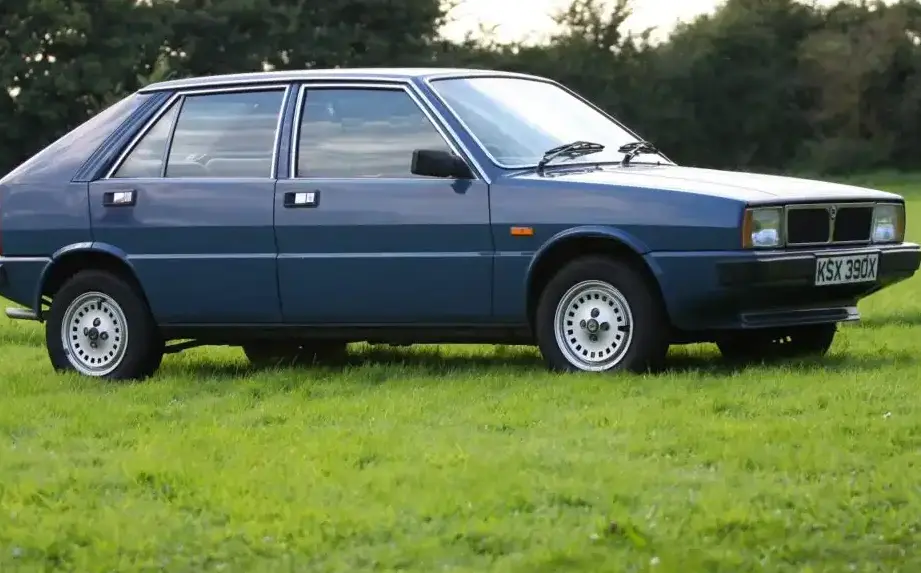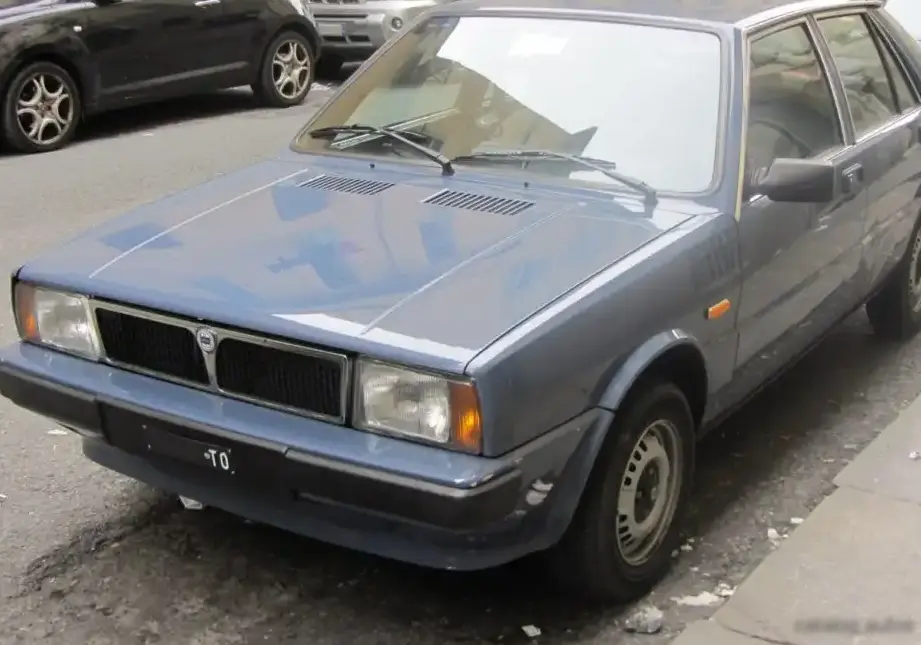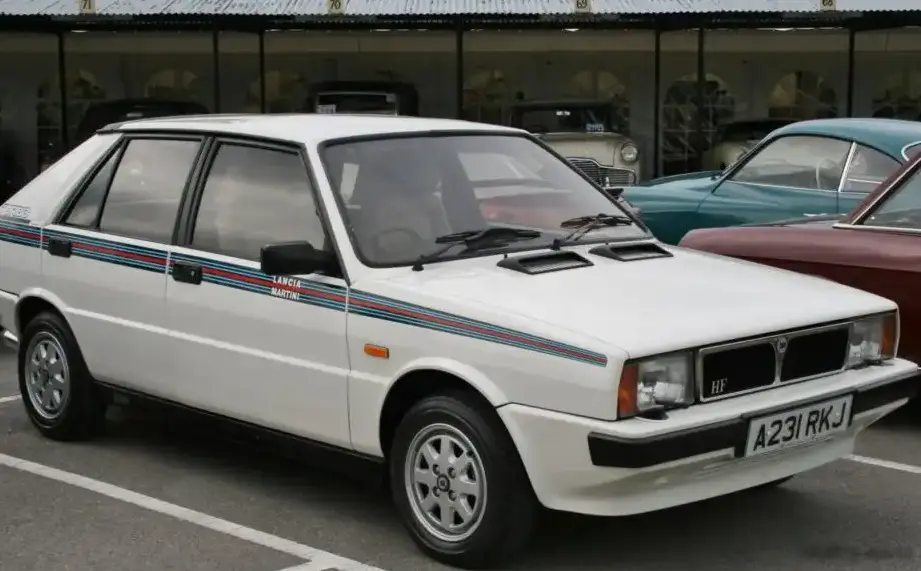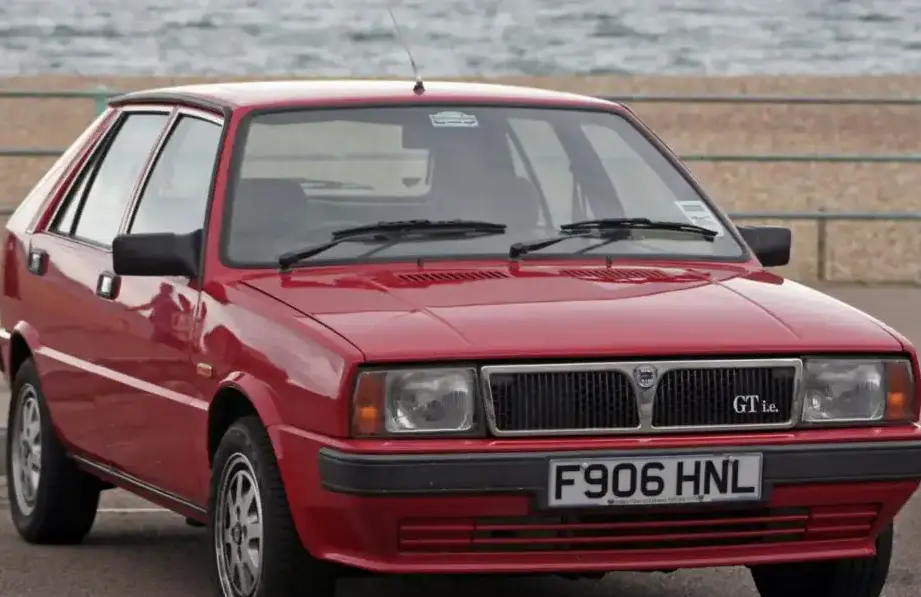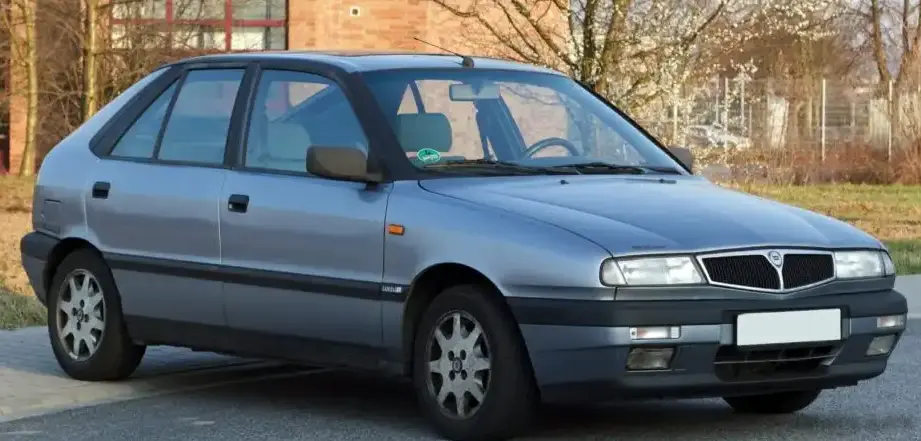
The Lancia Delta II 1.8 i.e. 16V GT, produced between 1996 and 1999, represents a significant iteration of the iconic Delta hatchback. Falling within the 836 series, this variant occupied a mid-range position in the Delta II lineup, offering a blend of performance and practicality. It built upon the success of the original Delta, a rally legend, while attempting to modernize the formula for a changing automotive landscape. The 1.8 i.e. 16V GT aimed to appeal to drivers seeking a more engaging experience than the base models, without the outright cost and focus of the high-performance HF versions.
Technical Specifications
| Brand | Lancia |
| Model | Delta |
| Generation | Delta II (836) |
| Type (Engine) | 1.8 i.e. 16V GT (131 Hp) |
| Start of production | 1996 |
| End of production | 1999 |
| Powertrain Architecture | Internal Combustion engine |
| Body type | Hatchback |
| Seats | 5 |
| Doors | 5 |
| Fuel consumption (urban) | 12.1 l/100 km (19.4 US mpg) |
| Fuel consumption (extra urban) | 6.9 l/100 km (34.1 US mpg) |
| Fuel Type | Petrol (Gasoline) |
| Acceleration 0 – 100 km/h | 9.4 sec |
| Acceleration 0 – 62 mph | 9.4 sec |
| Acceleration 0 – 60 mph | 8.9 sec |
| Maximum speed | 200 km/h (124.27 mph) |
| Weight-to-power ratio | 9.8 kg/Hp |
| Weight-to-torque ratio | 7.8 kg/Nm |
| Power | 131 Hp @ 6300 rpm |
| Power per litre | 75 Hp/l |
| Torque | 164 Nm @ 4000 rpm (120.96 lb.-ft. @ 4000 rpm) |
| Engine layout | Front, Transverse |
| Engine Model/Code | 183 A1.000 |
| Engine displacement | 1747 cm3 (106.61 cu. in.) |
| Number of cylinders | 4 |
| Engine configuration | Inline |
| Cylinder Bore | 82 mm (3.23 in.) |
| Piston Stroke | 82.7 mm (3.26 in.) |
| Compression ratio | 10.3:1 |
| Number of valves per cylinder | 4 |
| Fuel injection system | Multi-port manifold injection |
| Engine aspiration | Naturally aspirated engine |
| Valvetrain | DOHC |
| Engine oil capacity | 4.3 l (4.54 US qt | 3.78 UK qt) |
| Coolant capacity | 4.3 l (4.54 US qt | 3.78 UK qt) |
| Kerb Weight | 1285 kg (2832.94 lbs.) |
| Max. weight | 1740 kg (3836.04 lbs.) |
| Max load | 455 kg (1003.1 lbs.) |
| Trunk (boot) space – minimum | 355 l (12.54 cu. ft.) |
| Trunk (boot) space – maximum | 975 l (34.43 cu. ft.) |
| Fuel tank capacity | 60 l (15.85 US gal | 13.2 UK gal) |
| Length | 4011 mm (157.91 in.) |
| Width | 1759 mm (69.25 in.) |
| Height | 1430 mm (56.3 in.) |
| Wheelbase | 2540 mm (100 in.) |
| Front track | 1486 mm (58.5 in.) |
| Rear track | 1424 mm (56.06 in.) |
| Drivetrain Architecture | Front wheel drive |
| Number of gears | 5 |
| Gearbox type | Manual transmission |
| Front suspension | Spring Strut |
| Rear suspension | Coil spring |
| Front brakes | Ventilated discs |
| Rear brakes | Disc |
| Assisting systems | ABS (Anti-lock braking system) |
| Steering type | Steering rack and pinion |
| Power steering | Hydraulic Steering |
| Tires size | 195/55 R15 |
INTRODUCTION
The Lancia Delta II 1.8 i.e. 16V GT, launched in 1996, was a key component of Lancia’s attempt to revitalize the Delta nameplate. The Delta II (836 series) represented a significant departure from the groundbreaking, boxy original, adopting a more rounded and contemporary aesthetic. This generation aimed to broaden the Delta’s appeal beyond its rally-bred image, attracting a wider customer base. The 1.8 i.e. 16V GT trim offered a balance between performance and affordability, positioned above the entry-level 1.6-liter models but below the more potent 2.0-liter versions, including the legendary HF models. It was designed to provide a more spirited driving experience while maintaining reasonable fuel economy and everyday usability.
Powertrain & Engine Architecture
At the heart of the 1.8 i.e. 16V GT lies the 183A1.000 engine, a 1747cc inline-four cylinder powerplant. This engine featured a multi-port fuel injection system, delivering fuel directly into the intake ports for improved combustion efficiency. The 16-valve DOHC (Dual Overhead Camshaft) cylinder head allowed for optimized airflow, contributing to the engine’s 131 horsepower output at 6300 rpm and 164 Nm (120.96 lb-ft) of torque at 4000 rpm. The engine’s design prioritized smooth power delivery and responsiveness, making it well-suited for everyday driving. The 1.8L engine was paired with a five-speed manual transmission, providing drivers with precise control over gear selection. This transmission was chosen for its durability and relatively simple maintenance requirements. The engine’s transverse mounting and front-wheel-drive configuration were standard for this class of vehicle, optimizing space utilization and handling characteristics.
Driving Characteristics
The Delta II 1.8 i.e. 16V GT offered a noticeably more engaging driving experience compared to the lower-powered variants. While not possessing the outright acceleration of the 2.0-liter models, the 1.8L engine provided sufficient power for confident overtaking and comfortable cruising. The five-speed manual transmission allowed drivers to keep the engine within its optimal power band, maximizing performance. Gear ratios were tuned for a balance between acceleration and fuel efficiency. The front-wheel-drive layout, combined with the relatively lightweight construction of the Delta II, contributed to nimble handling. However, it was prone to torque steer under hard acceleration, a common characteristic of front-wheel-drive vehicles. Compared to the HF models, the 1.8 i.e. 16V GT felt less aggressive and more refined, prioritizing comfort and usability over outright performance.
Equipment & Trim Levels
The 1.8 i.e. 16V GT trim came reasonably well-equipped for its time. Standard features typically included power steering, central locking, electric front windows, and an adjustable steering column. Interior upholstery was generally cloth, with a focus on durability and comfort. The dashboard layout was functional and straightforward, with clearly labeled controls. Optional extras included air conditioning, a sunroof, and upgraded audio systems. The GT trim also often featured alloy wheels and a more sporty exterior appearance compared to the base models. The overall interior ambiance was practical and functional, reflecting the Delta’s focus on everyday usability.
Chassis & Braking
The Delta II utilized a MacPherson strut front suspension and a coil spring rear suspension. This setup provided a good balance between ride comfort and handling precision. The front suspension incorporated a stabilizer bar to reduce body roll during cornering. Braking duties were handled by ventilated discs at the front and solid discs at the rear. An ABS (Anti-lock Braking System) was standard, enhancing safety by preventing wheel lockup during emergency braking. The steering system employed a rack and pinion setup with hydraulic power assistance, providing precise and responsive steering feel. The Delta II’s chassis was designed to provide a stable and predictable driving experience, prioritizing safety and comfort.
Market Reception & Comparison
The Lancia Delta II 1.8 i.e. 16V GT was generally well-received by automotive critics as a competent and practical hatchback. It was praised for its comfortable ride, responsive engine, and well-equipped interior. However, some critics noted that it lacked the outright excitement of the higher-performance HF models. Compared to the 1.6-liter versions, the 1.8 i.e. 16V GT offered a significant performance upgrade, justifying its higher price tag. Fuel economy was respectable for its class, although not class-leading. Reliability was generally good, although some owners reported minor electrical issues. The Delta II faced competition from other European hatchbacks, such as the Volkswagen Golf, Ford Focus, and Opel Astra.
Legacy
The Lancia Delta II 1.8 i.e. 16V GT, while not as iconic as the original Delta, remains a fondly remembered vehicle among enthusiasts. The 183A1.000 engine proved to be relatively durable and reliable, and parts availability is generally good. Today, these cars can be found on the used car market at affordable prices, making them an attractive option for those seeking a classic European hatchback. The Delta II represents a transitional period for Lancia, bridging the gap between its rally-bred past and its more mainstream future. While the Delta nameplate has seen several iterations since, the 836 series, and particularly the 1.8 i.e. 16V GT variant, holds a special place in the hearts of many Lancia fans.