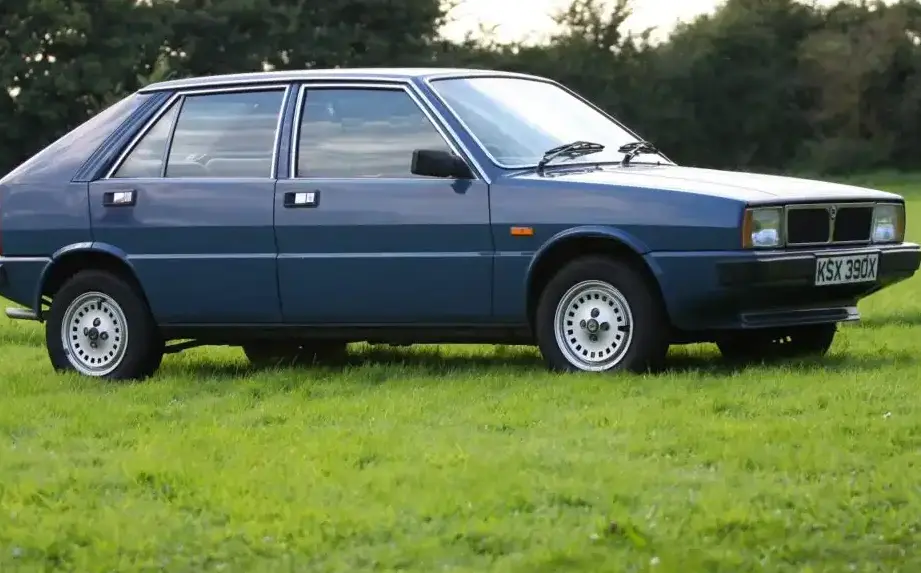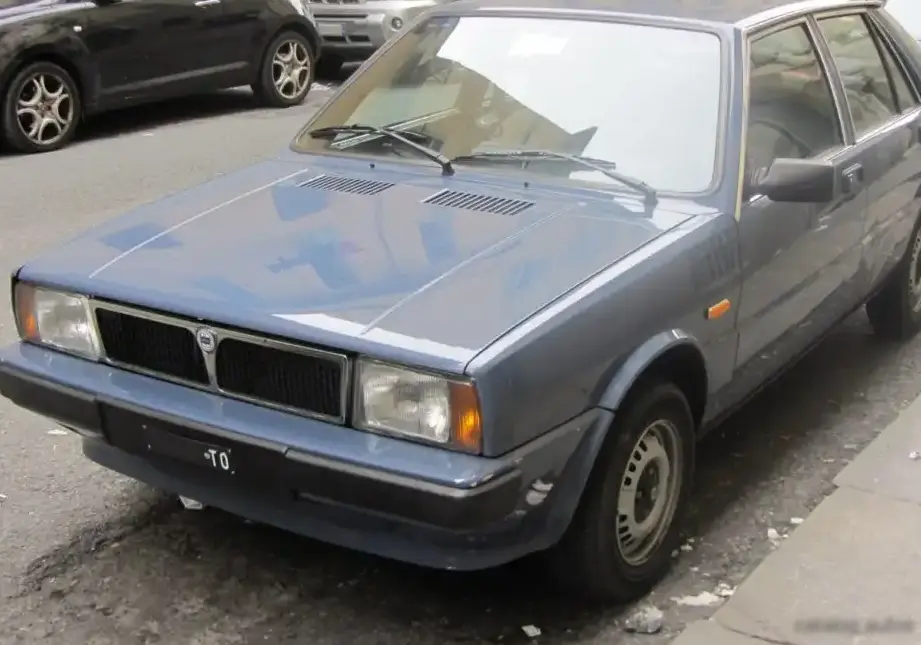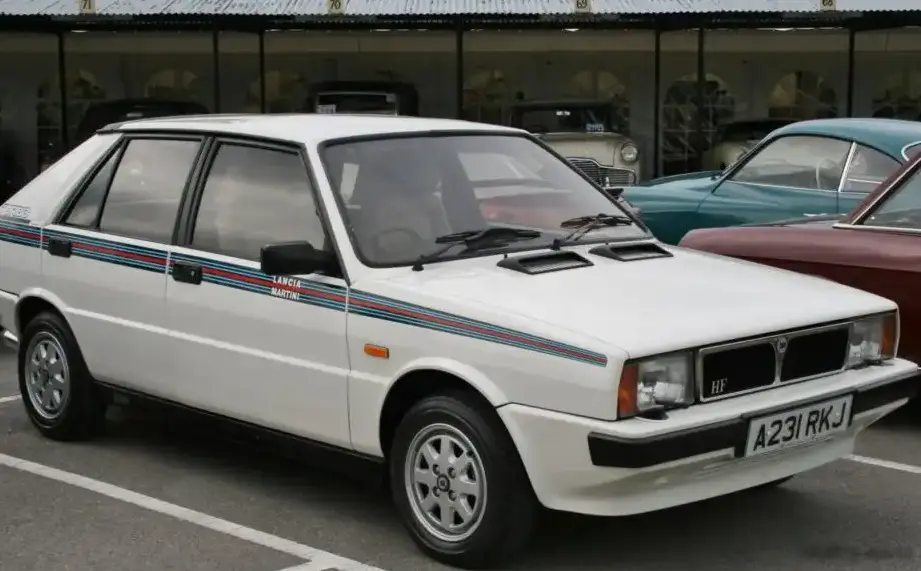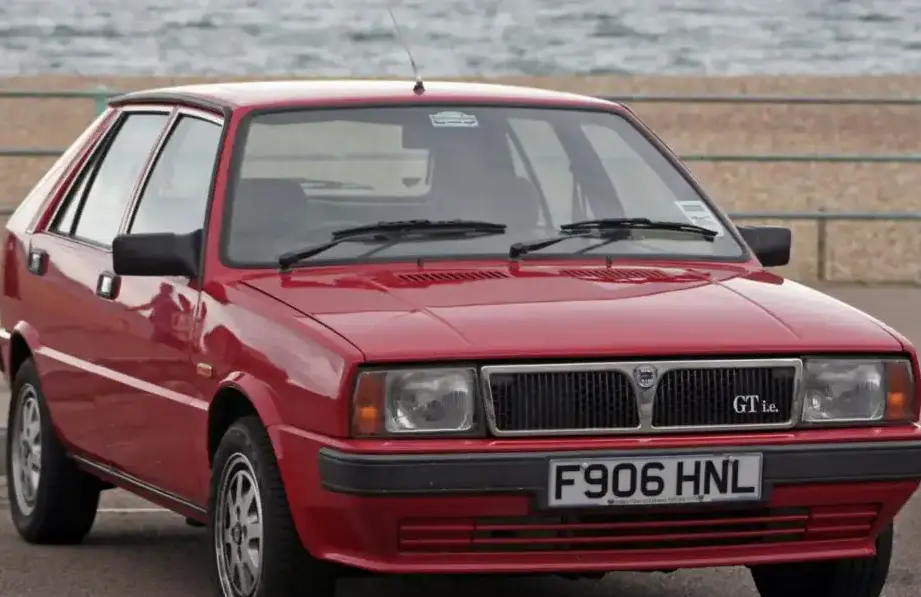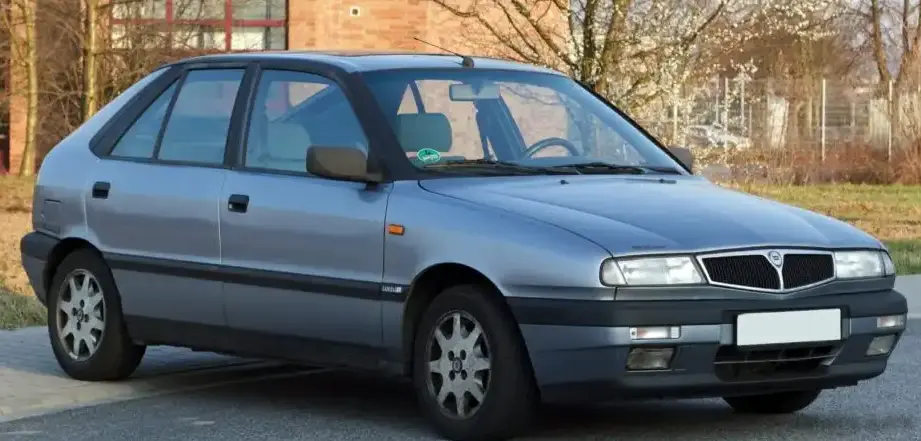
The Lancia Delta II (836) 2.0 Turbo 16V HPE, produced between 1996 and 1999, represented a potent offering within the second generation of the iconic Delta hatchback. Positioned as a performance-oriented variant, it sat near the top of the Delta II range, offering a significant step up in power and driving experience compared to the lower-spec models. This model was primarily aimed at the European market, where Lancia maintained a stronger brand presence and the Delta enjoyed a loyal following. The “HPE” designation signified a higher equipment level, adding to the appeal of this turbocharged variant. It was built on the 836 platform, a revised version of the original Delta’s chassis, offering improved refinement and safety features.
Technical Specifications
| Brand | Lancia |
| Model | Delta |
| Generation | Delta II (836) |
| Type (Engine) | 2.0 Turbo 16V HPE (193 Hp) |
| Start of production | 1996 |
| End of production | 1999 |
| Powertrain Architecture | Internal Combustion engine |
| Body type | Hatchback |
| Seats | 4 |
| Doors | 3 |
| Fuel consumption (urban) | 14.6 l/100 km (16.1 US mpg, 19.3 UK mpg, 6.8 km/l) |
| Fuel consumption (extra urban) | 8 l/100 km (29.4 US mpg, 35.3 UK mpg, 12.5 km/l) |
| Fuel consumption (combined) | 10.4 l/100 km (22.6 US mpg, 27.2 UK mpg, 9.6 km/l) |
| Fuel Type | Petrol (Gasoline) |
| Maximum speed | 225 km/h (139.81 mph) |
| Weight-to-power ratio | 6.6 kg/Hp, 151.4 Hp/tonne |
| Weight-to-torque ratio | 4.4 kg/Nm, 227.5 Nm/tonne |
| Power | 193 Hp @ 5500 rpm |
| Power per litre | 96.7 Hp/l |
| Torque | 290 Nm @ 3400 rpm (213.89 lb.-ft. @ 3400 rpm) |
| Engine layout | Front, Transverse |
| Engine Model/Code | 175 A4.000 |
| Engine displacement | 1995 cm3 (121.74 cu. in.) |
| Number of cylinders | 4 |
| Engine configuration | Inline |
| Cylinder Bore | 84 mm (3.31 in.) |
| Piston Stroke | 90 mm (3.54 in.) |
| Compression ratio | 8.1:1 |
| Number of valves per cylinder | 4 |
| Fuel injection system | Multi-port manifold injection |
| Engine aspiration | Turbocharger, Intercooler |
| Valvetrain | DOHC |
| Engine oil capacity | 5.8 l (6.13 US qt | 5.1 UK qt) |
| Coolant | 6 l (6.34 US qt | 5.28 UK qt) |
| Kerb Weight | 1275 kg (2810.89 lbs.) |
| Length | 4011 mm (157.91 in.) |
| Width | 1760 mm (69.29 in.) |
| Height | 1430 mm (56.3 in.) |
| Wheelbase | 2540 mm (100 in.) |
| Front track | 1486 mm (58.5 in.) |
| Rear track | 1415 mm (55.71 in.) |
| Drivetrain Architecture | Front wheel drive |
| Drive wheel | Front wheel drive |
| Number of gears and type of gearbox | 5 gears, manual transmission |
| Front brakes | Ventilated discs |
| Rear brakes | Disc |
| Assisting systems | ABS (Anti-lock braking system) |
| Steering type | Steering rack and pinion |
| Power steering | Hydraulic Steering |
| Tires size | 215/45 R16 |
| Wheel rims size | 16 |
Powertrain & Engine Architecture
The heart of the Delta II 2.0 Turbo 16V HPE is the 175 A4.000 engine, a 1995cc inline-four cylinder powerplant. This engine utilizes a Garrett turbocharger with an intercooler to significantly boost power output. The engine features multi-port fuel injection, ensuring precise fuel delivery for optimal combustion. The double overhead camshaft (DOHC) valvetrain, with four valves per cylinder, contributes to the engine’s high-revving nature and improved breathing. The 8.1:1 compression ratio is a compromise between performance and reliability when used with a turbocharger. The 5-speed manual transmission was the only gearbox option available with this engine, providing drivers with full control over the power delivery. This transmission was chosen to handle the increased torque output of the turbocharged engine.
Driving Characteristics
The 2.0 Turbo 16V HPE offered a distinctly more engaging driving experience than the lower-powered Delta II variants. The 193 horsepower and 290 Nm (213.89 lb-ft) of torque provided brisk acceleration, with a 0-60 mph time estimated around 7.5 seconds. The turbocharger delivers a noticeable surge of power in the mid-range, making overtaking maneuvers effortless. While the chassis retained the front-wheel-drive layout of the original Delta, the suspension was tuned to handle the increased power, offering a firmer ride and improved handling. The 5-speed manual transmission allowed for precise gear selection, maximizing the engine’s performance. Compared to the naturally aspirated 1.6L or 1.8L models, the 2.0 Turbo offered a significantly more responsive and dynamic driving experience. However, it lacked the all-wheel-drive system of the original Delta Integrale, which was a key feature of its rally heritage.
Equipment & Trim Levels
The “HPE” trim level denoted a higher level of equipment compared to the base Delta II models. Standard features included power windows, central locking, power steering, and an upgraded audio system. The interior typically featured sport seats upholstered in a combination of fabric and Alcantara, providing enhanced support and comfort. Optional extras included air conditioning, a sunroof, and alloy wheels. The dashboard layout was typical of the Delta II, with a functional and straightforward design. The HPE trim also included some exterior styling enhancements, such as a rear spoiler and unique alloy wheel designs.
Chassis & Braking
The Delta II 836 utilized a MacPherson strut front suspension and a torsion beam rear suspension. The front suspension was specifically tuned to handle the increased power and torque of the 2.0 Turbo engine. The braking system consisted of ventilated discs on the front wheels and solid discs on the rear. Anti-lock braking system (ABS) was standard, enhancing safety and control during hard braking. The chassis was reinforced in key areas to improve rigidity and handling. The tires were typically 215/45 R16, providing a good balance of grip and ride comfort.
Market Reception & Comparison
The Lancia Delta II 2.0 Turbo 16V HPE was generally well-received by automotive critics. It was praised for its strong performance, engaging driving dynamics, and comfortable interior. However, some critics noted that the front-wheel-drive layout limited its handling potential compared to all-wheel-drive rivals. Fuel economy was also a concern, with the combined fuel consumption of 10.4 l/100 km (22.6 US mpg) being relatively high for its time. Compared to other hot hatchbacks of the era, such as the Volkswagen Golf GTI and the Peugeot 306 GTI, the Delta II 2.0 Turbo offered a unique blend of Italian style and turbocharged performance. It was often seen as a more sophisticated and refined alternative to its more mainstream competitors.
Legacy
The Lancia Delta II 2.0 Turbo 16V HPE remains a sought-after model among Lancia enthusiasts. The 175 A4.000 engine is generally considered to be a reliable unit, although regular maintenance is essential to prevent issues. Turbocharger failure and oil leaks are common problems that can occur with age. The Delta II’s relatively simple construction makes it relatively easy to maintain and repair. In the used car market, prices for well-maintained examples have been steadily increasing in recent years, reflecting the growing appreciation for this iconic Italian hatchback. It represents a final flourish of Lancia’s performance heritage before the brand’s decline.