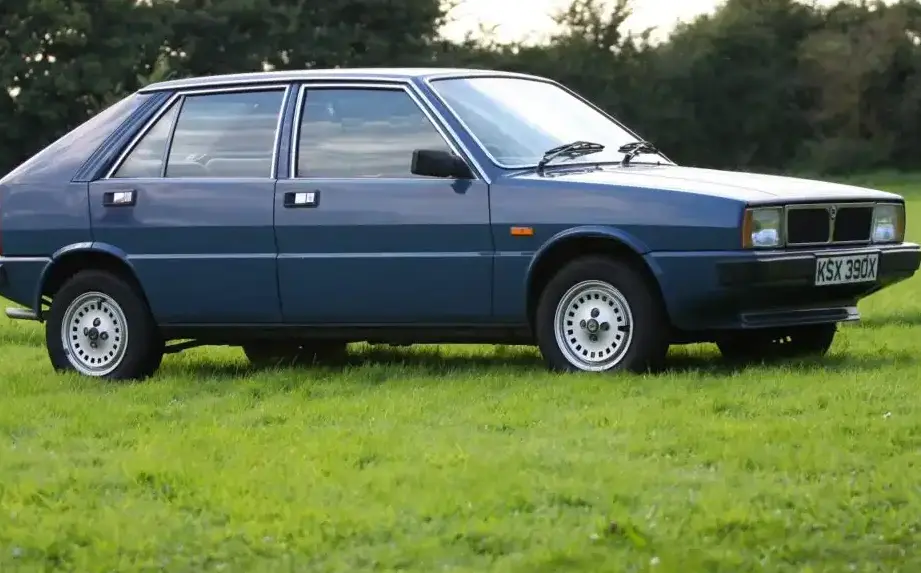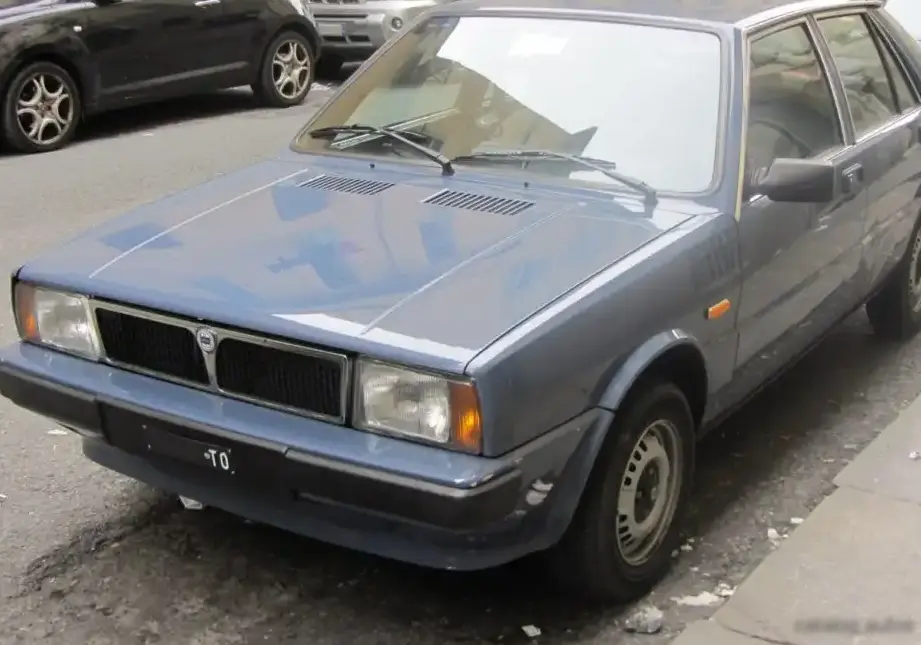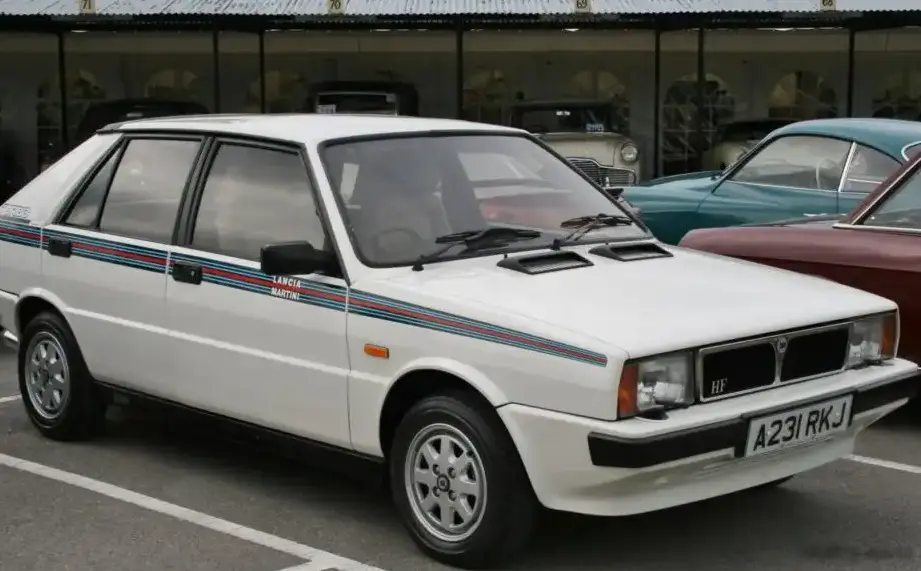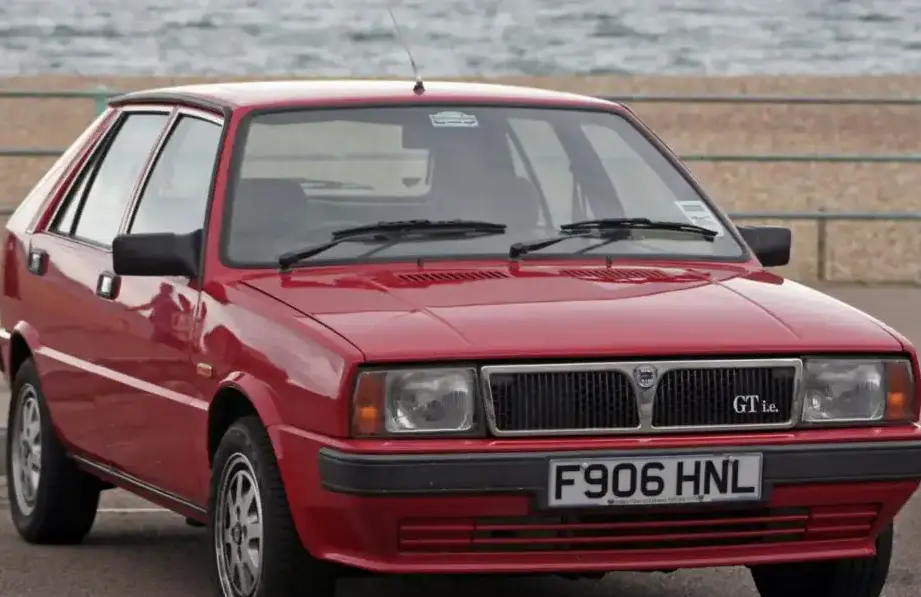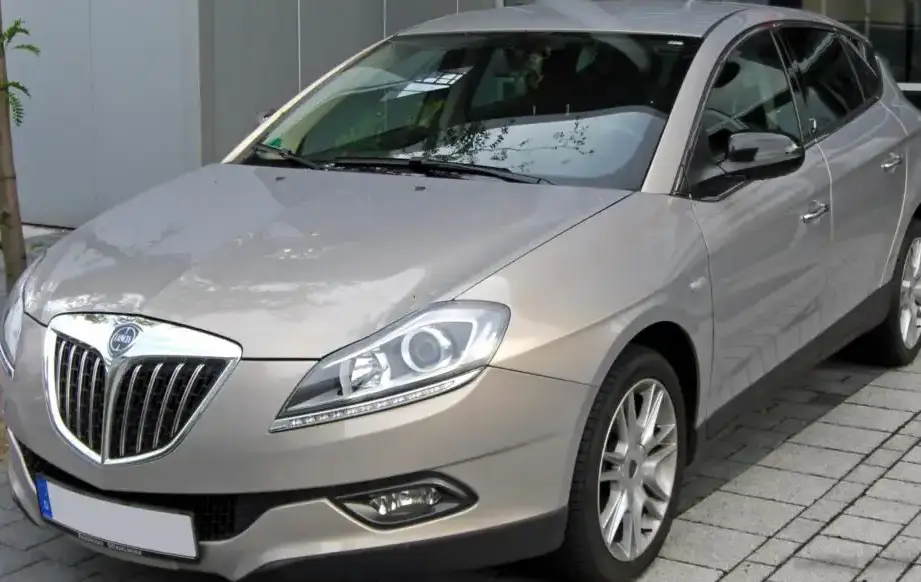
The Lancia Delta III (844) 1.6 Multijet 16V, produced from 2008 to 2011, represented a key offering in the revived Delta lineup. Positioned as a more economical and accessible option within the range, it aimed to broaden the Delta’s appeal beyond the more powerful and technologically advanced variants. This model was primarily marketed in Europe, attempting to recapture some of the original Delta’s spirit while offering modern diesel efficiency and practicality. It sat within the 844 generation, built on the Fiat/Chrysler Compact US Wide platform, shared with models like the Fiat Bravo and Alfa Romeo Giulietta.
Technical Specifications
| Brand | Lancia |
| Model | Delta |
| Generation | Delta III (844) |
| Type (Engine) | 1.6 Multijet 16V (120 Hp) DPF |
| Start of production | August, 2008 |
| End of production | 2011 |
| Powertrain Architecture | Internal Combustion engine |
| Body type | Hatchback |
| Seats | 5 |
| Doors | 5 |
| Fuel consumption (urban) | 6.1 l/100 km (38.6 US mpg, 46.3 UK mpg, 16.4 km/l) |
| Fuel consumption (extra urban) | 4.2 l/100 km (56 US mpg, 67.3 UK mpg, 23.8 km/l) |
| Fuel consumption (combined) | 4.9 l/100 km (48 US mpg, 57.6 UK mpg, 20.4 km/l) |
| Fuel Type | Diesel |
| Acceleration 0 – 100 km/h | 10.7 sec |
| Acceleration 0 – 62 mph | 10.7 sec |
| Acceleration 0 – 60 mph | 10.2 sec |
| Maximum speed | 195 km/h (121.17 mph) |
| Emission standard | Euro 4 |
| Weight-to-power ratio | 12.4 kg/Hp, 80.8 Hp/tonne |
| Weight-to-torque ratio | 5 kg/Nm, 202 Nm/tonne |
| Power | 120 Hp @ 4000 rpm |
| Power per litre | 75.1 Hp/l |
| Torque | 300 Nm @ 1500 rpm (221.27 lb.-ft. @ 1500 rpm) |
| Engine layout | Front, Transverse |
| Engine Model/Code | 198 A2.000 |
| Engine displacement | 1598 cm3 (97.52 cu. in.) |
| Number of cylinders | 4 |
| Engine configuration | Inline |
| Number of valves per cylinder | 4 |
| Fuel injection system | Diesel Commonrail |
| Engine aspiration | Turbocharger, Intercooler |
| Valvetrain | DOHC |
| Engine oil capacity | 4.6 l (4.86 US qt | 4.05 UK qt) |
| Coolant capacity | 7.1 l (7.5 US qt | 6.25 UK qt) |
| Kerb Weight | 1485 kg (3273.86 lbs.) |
| Max. weight | 1980 kg (4365.15 lbs.) |
| Max load | 495 kg (1091.29 lbs.) |
| Trunk (boot) space – minimum | 380 l (13.42 cu. ft.) |
| Trunk (boot) space – maximum | 1190 l (42.02 cu. ft.) |
| Fuel tank capacity | 57 l (15.06 US gal | 12.54 UK gal) |
| Length | 4510 mm (177.56 in.) |
| Width | 1797 mm (70.75 in.) |
| Height | 1497 mm (58.94 in.) |
| Wheelbase | 2700 mm (106.3 in.) |
| Front track | 1538 mm (60.55 in.) |
| Rear track | 1531 mm (60.28 in.) |
| Minimum turning circle | 10.8 m (35.43 ft.) |
| Drivetrain Architecture | Front wheel drive |
| Drive wheel | Front wheel drive |
| Number of gears | 6 gears, manual transmission |
| Front suspension | Independent type McPherson |
| Rear suspension | Semi-independent, coil spring |
| Front brakes | Ventilated discs |
| Rear brakes | Disc |
| Assisting systems | ABS (Anti-lock braking system), Electric Power Steering |
| Tires size | 205/55R16 |
INTRODUCTION
The Lancia Delta III, launched in 2008, marked the return of a legendary nameplate after a lengthy hiatus. The 1.6 Multijet 16V variant, producing 120 horsepower, was introduced as a more accessible entry point into the Delta range. It was designed to appeal to buyers prioritizing fuel economy and practicality over outright performance. This version occupied the lower-mid range of the Delta lineup, positioned below the more potent 1.9 TwinTurbo JTD and the sporting 1.4 Turbo Jet engines. The Delta III aimed to blend Italian styling with modern technology, though its reliance on Fiat group components drew some criticism from purists.
Powertrain & Engine Architecture
At the heart of the 1.6 Multijet 16V lies the 198 A2.000 engine, a four-cylinder diesel utilizing common rail direct injection. This engine is part of the Fiat Multijet family, known for its efficiency and relatively quiet operation. The 16-valve configuration (four valves per cylinder) contributes to improved breathing and power delivery. A turbocharger with an intercooler further enhances performance by forcing more air into the cylinders. The engine benefits from variable geometry turbo (VGT) technology, optimizing boost pressure across the rev range. The 120 hp version utilizes a slightly different turbocharger map and engine management calibration compared to higher output Multijet variants. The engine is paired with a six-speed manual transmission, chosen for its efficiency and driver engagement. While an automatic transmission was offered on other Delta models, it wasn’t available with this specific 1.6 Multijet engine.
Driving Characteristics
The 1.6 Multijet 16V Delta offered a comfortable and refined driving experience, prioritizing fuel economy and ease of use over sporty handling. With 120 horsepower and 300 Nm (221 lb-ft) of torque, acceleration was adequate for everyday driving, achieving 0-60 mph in around 10.2 seconds. The engine’s peak torque, available from just 1500 rpm, provided good low-end grunt, making it well-suited for navigating city streets and overtaking on highways. The six-speed manual transmission was well-matched to the engine, offering smooth shifts and allowing drivers to keep the engine in its optimal power band. Compared to the more powerful Delta variants, the 1.6 Multijet felt noticeably less responsive, particularly at higher speeds. However, its lighter weight and efficient engine contributed to better fuel economy, making it a practical choice for long-distance journeys.
Equipment & Trim Levels
The 1.6 Multijet 16V Delta typically came equipped with a reasonable level of standard features. These included air conditioning, electric front windows, a CD/radio system, and ABS brakes. Higher trim levels, such as the “Argenta” or “Platino”, added features like alloy wheels, climate control, rear parking sensors, and upgraded interior trim. Interior upholstery was typically cloth, with options for leather available on higher-spec models. The dashboard layout was modern and functional, with a focus on ergonomics. Optional extras included a navigation system, a panoramic sunroof, and premium audio systems.
Chassis & Braking
The Delta III utilized a McPherson strut front suspension and a semi-independent coil spring rear suspension. This setup provided a comfortable ride quality, absorbing bumps and imperfections in the road effectively. The front brakes were ventilated discs, offering good stopping power, while the rear brakes were solid discs. Electric power steering provided light and precise steering feel. The Delta’s chassis was designed to balance comfort and handling, prioritizing stability and predictability over outright sportiness. Stabilizer bars were fitted to both the front and rear axles to reduce body roll during cornering.
Market Reception & Comparison
The Lancia Delta 1.6 Multijet 16V was generally well-received by critics as a practical and economical option within the Delta range. Its fuel economy was a major selling point, offering competitive figures compared to other hatchbacks in its class. However, some reviewers found the engine to be somewhat underpowered, particularly when fully loaded. Compared to the 1.9 TwinTurbo JTD, the 1.6 Multijet offered significantly less performance but boasted lower running costs. The 1.4 Turbo Jet provided a more engaging driving experience but lacked the diesel’s fuel efficiency. Reliability was generally good, although some owners reported minor issues with the diesel particulate filter (DPF) system, a common concern with modern diesel engines.
Legacy
The Lancia Delta III, including the 1.6 Multijet 16V variant, ultimately failed to achieve the sales success that Lancia had hoped for. Production ceased in 2011, and the Delta nameplate was discontinued. However, the 1.6 Multijet engine proved to be a reliable and durable unit, and examples continue to be found on the used car market today. While not a performance icon like its predecessors, the 1.6 Multijet Delta offered a practical and economical option for buyers seeking a stylish and comfortable hatchback. Its relatively simple mechanicals and readily available parts make it a potentially affordable and reliable used car choice, provided it has been well-maintained.