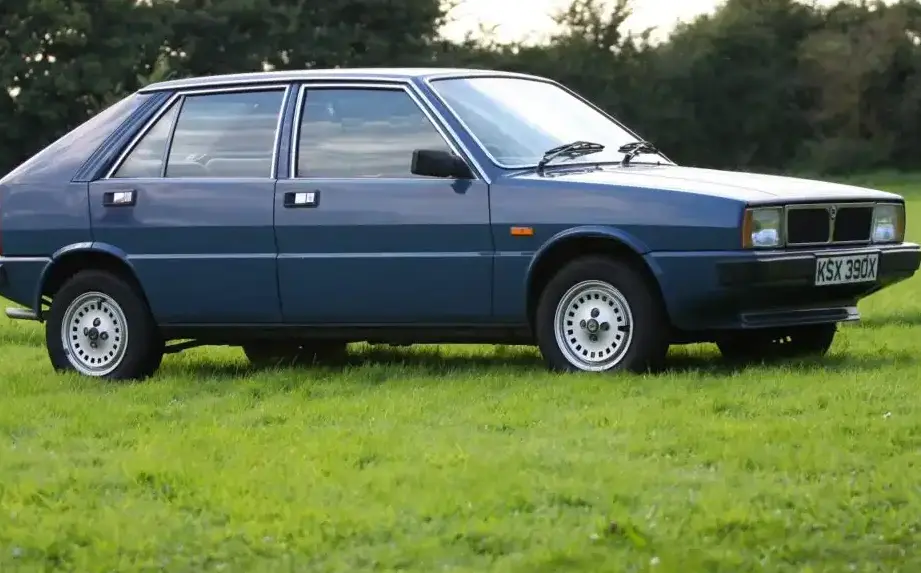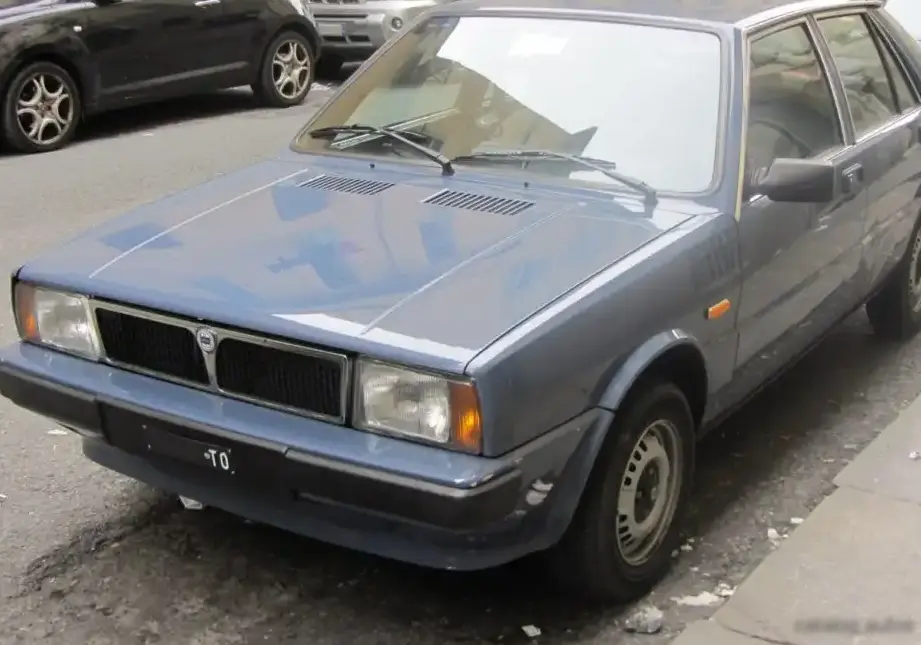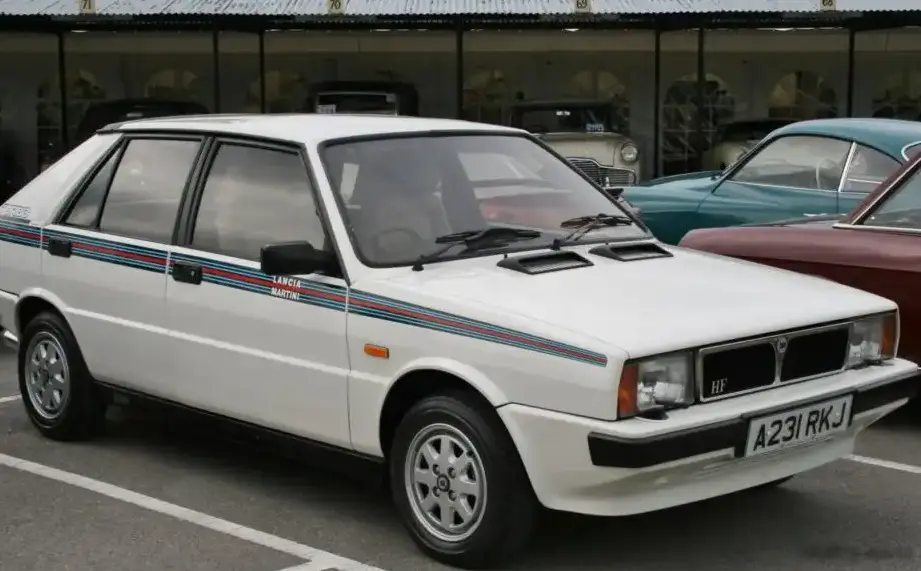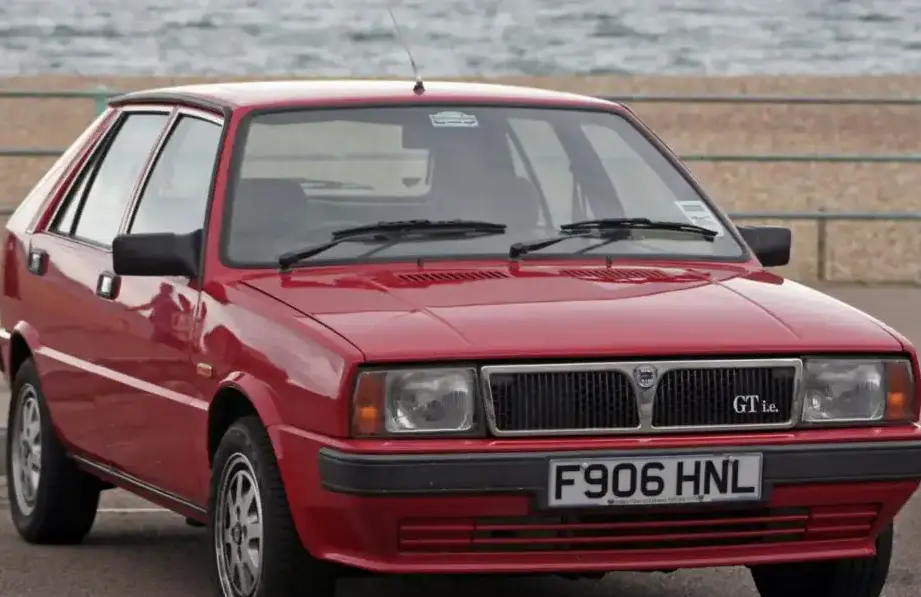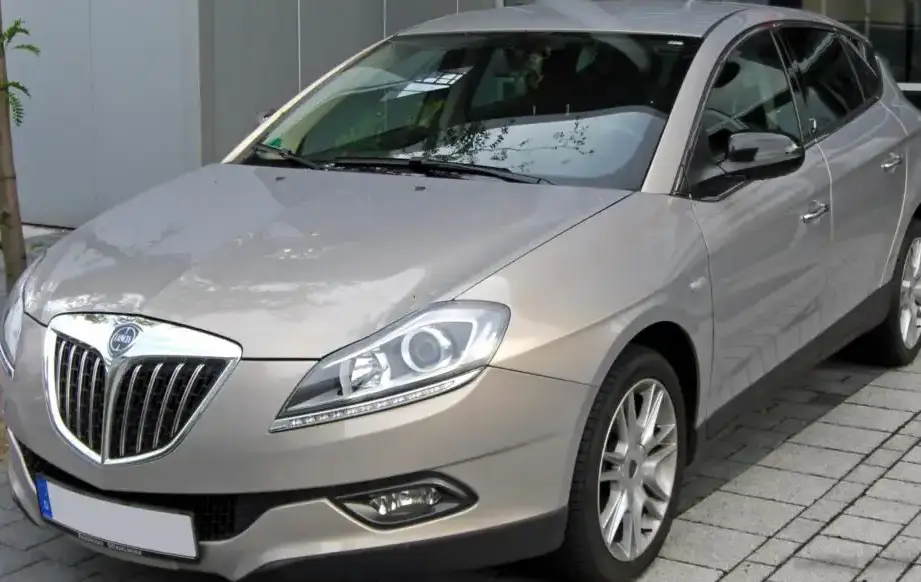
The Lancia Delta III (844) 1.8 Di T-Jet 16V Automatic, produced from 2009 to June 2011, represented a significant offering within the revived Delta range. Positioned as a mid-to-upper trim level, it aimed to blend performance with the convenience of an automatic transmission. This variant was built on the Fiat/Chrysler C-segment platform, known internally as the 844 project, and shared its underpinnings with other vehicles like the Fiat Bravo and Alfa Romeo Giulietta. The Delta III marked Lancia’s return to the compact hatchback segment, attempting to recapture the spirit of the iconic Delta Integrale while appealing to a more modern audience.
Technical Specifications
| Brand | Lancia |
| Model | Delta |
| Generation | Delta III (844) |
| Type (Engine) | 1.8 Di T-Jet 16V (200 Hp) Automatic |
| Start of production | 2009 |
| End of production | June, 2011 |
| Powertrain Architecture | Internal Combustion engine |
| Body type | Hatchback |
| Seats | 5 |
| Doors | 5 |
| Fuel consumption (economy) – urban (NEDC) | 11.1 l/100 km (21.2 US mpg, 25.4 UK mpg, 9 km/l) |
| Fuel consumption (economy) – extra urban (NEDC) | 5.9 l/100 km (39.9 US mpg, 47.9 UK mpg, 16.9 km/l) |
| Fuel consumption (economy) – combined (NEDC) | 7.8 l/100 km (30.2 US mpg, 36.2 UK mpg, 12.8 km/l) |
| CO2 emissions (NEDC) | 185 g/km |
| Fuel Type | Petrol (Gasoline) |
| Acceleration 0 – 100 km/h | 7.4 sec |
| Acceleration 0 – 62 mph | 7.4 sec |
| Acceleration 0 – 60 mph | 7 sec (Calculated) |
| Maximum speed | 230 km/h (142.92 mph) |
| Emission standard | Euro 5 |
| Weight-to-power ratio | 7.2 kg/Hp, 139.9 Hp/tonne |
| Weight-to-torque ratio | 4.5 kg/Nm, 223.8 Nm/tonne |
| Power | 200 Hp @ 5000 rpm |
| Power per litre | 114.8 Hp/l |
| Torque | 320 Nm @ 1400 rpm (236.02 lb.-ft. @ 1400 rpm) |
| Engine layout | Front, Transverse |
| Engine Model/Code | 939B1000 |
| Engine displacement | 1742 cm3 (106.3 cu. in.) |
| Number of cylinders | 4 |
| Engine configuration | Inline |
| Cylinder Bore | 83 mm (3.27 in.) |
| Piston Stroke | 80.5 mm (3.17 in.) |
| Compression ratio | 9.5:1 |
| Number of valves per cylinder | 4 |
| Fuel injection system | Direct injection |
| Engine aspiration | Turbocharger, Intercooler |
| Valvetrain | DOHC |
| Engine oil capacity | 4.35 l (4.6 US qt, 3.83 UK qt) |
| Coolant | 7.3 l (7.71 US qt, 6.42 UK qt) |
| Kerb Weight | 1430 kg (3152.61 lbs.) |
| Max. weight | 2000 kg (4409.25 lbs.) |
| Max load | 570 kg (1256.63 lbs.) |
| Trunk (boot) space – minimum | 420 l (14.83 cu. ft.) |
| Trunk (boot) space – maximum | 1190 l (42.02 cu. ft.) |
| Fuel tank capacity | 58 l (15.32 US gal, 12.76 UK gal) |
| Permitted trailer load with brakes (12%) | 1300 kg (2866.01 lbs.) |
| Permitted trailer load without brakes | 500 kg (1102.31 lbs.) |
| Length | 4520 mm (177.95 in.) |
| Width | 1797 mm (70.75 in.) |
| Height | 1499 mm (59.02 in.) |
| Wheelbase | 2700 mm (106.3 in.) |
| Front track | 1538 mm (60.55 in.) |
| Rear (Back) track | 1531 mm (60.28 in.) |
| Front overhang | 1017 mm (40.04 in.) |
| Rear overhang | 803 mm (31.61 in.) |
| Minimum turning circle | 10.6 m (34.78 ft.) |
| Drivetrain Architecture | Front wheel drive |
| Drive wheel | Front wheel drive |
| Number of gears and type of gearbox | 6 gears, automatic transmission |
| Front suspension | Independent type McPherson, Transverse stabilizer |
| Rear suspension | Transverse stabilizer, Torsion |
| Front brakes | Ventilated discs, 330×28 mm |
| Rear brakes | Disc, 278×12 mm |
| Assisting systems | ABS (Anti-lock braking system) |
| Steering type | Steering rack and pinion |
| Power steering | Electric Steering |
| Tires size | 225/45 R17; 225/40 R18 |
| Wheel rims size | 7J x 17; 7.5J x 18 |
Powertrain & Engine Architecture
The heart of the Delta 1.8 Di T-Jet 16V Automatic is the 939B1000 engine, a 1.742-liter inline-four cylinder gasoline engine. This engine utilizes direct fuel injection and a turbocharger with an intercooler to achieve its 200 horsepower output at 5000 rpm and 320 Nm (236 lb-ft) of torque at a remarkably low 1400 rpm. The engine features a double overhead camshaft (DOHC) valvetrain with four valves per cylinder, contributing to its efficient breathing and power delivery. The ‘Di’ in T-Jet stands for Direct Injection. The automatic transmission is a six-speed unit, designed to provide smooth shifts and enhance the driving experience. This transmission was chosen to broaden the Delta’s appeal, offering a more relaxed driving experience compared to the standard manual gearbox.
Driving Characteristics
The 1.8 Di T-Jet Automatic offered a compelling blend of performance and comfort. While not as overtly sporty as some of its rivals, the turbocharger provided a noticeable surge of power, allowing for brisk acceleration – 0 to 60 mph in around 7 seconds. The automatic transmission, while smooth, did slightly diminish the sense of control compared to the manual versions. Gear ratios were tuned for a balance between fuel efficiency and responsiveness. The low-end torque, readily available from 1400 rpm, made everyday driving effortless. However, the automatic transmission could sometimes feel hesitant during quick downshifts, and the overall driving experience wasn’t as engaging as the manual variants.
Equipment & Trim Levels
The 1.8 Di T-Jet Automatic typically came equipped with a generous level of standard features. These included climate control, power windows and mirrors, a multi-function steering wheel, and a basic audio system. Higher trim levels offered options such as leather upholstery, a more advanced infotainment system with navigation, and parking sensors. Interior appointments were generally well-executed, with a focus on comfort and practicality. The Delta aimed for a premium feel, though material quality wasn’t always on par with its German competitors.
Chassis & Braking
The Delta III utilized a McPherson strut front suspension and a torsion beam rear suspension. This setup provided a comfortable ride, absorbing bumps and imperfections in the road effectively. The front brakes were ventilated discs measuring 330x28mm, while the rear brakes were solid discs at 278x12mm. Anti-lock Braking System (ABS) was standard. The suspension was tuned to prioritize comfort over outright handling prowess, making it a pleasant companion for long journeys. Stabilizer bars were included both front and rear to reduce body roll during cornering.
Market Reception & Comparison
The Lancia Delta 1.8 Di T-Jet Automatic received mixed reviews. Critics praised its stylish design, comfortable interior, and strong engine performance. However, the automatic transmission was often criticized for being somewhat sluggish, and the Delta’s overall driving experience wasn’t considered as refined as that of its rivals, such as the Volkswagen Golf or Audi A3. Fuel economy, at around 30.2 US mpg combined, was respectable but not class-leading. Compared to the 1.4 T-Jet versions, the 1.8 offered significantly more power, but at the cost of slightly higher fuel consumption and a higher purchase price. The 1.9 JTD diesel variants were favored by those prioritizing fuel efficiency.
Legacy
The Lancia Delta III, despite its relatively short production run, remains a distinctive vehicle. The 1.8 Di T-Jet Automatic powertrain has proven to be reasonably reliable, although regular maintenance is crucial. Common issues include turbocharger wear and potential problems with the direct injection system. On the used car market, these Deltas are becoming increasingly sought after by enthusiasts who appreciate their unique styling and performance. Parts availability can be a concern, as Lancia’s presence in many markets is limited. However, the Delta’s enduring appeal ensures that it will continue to be a recognizable and appreciated vehicle for years to come.