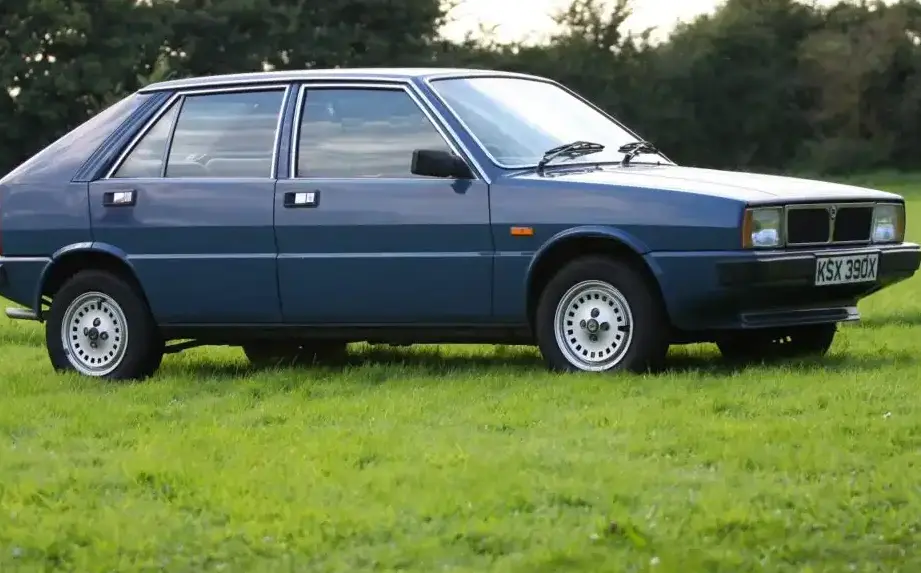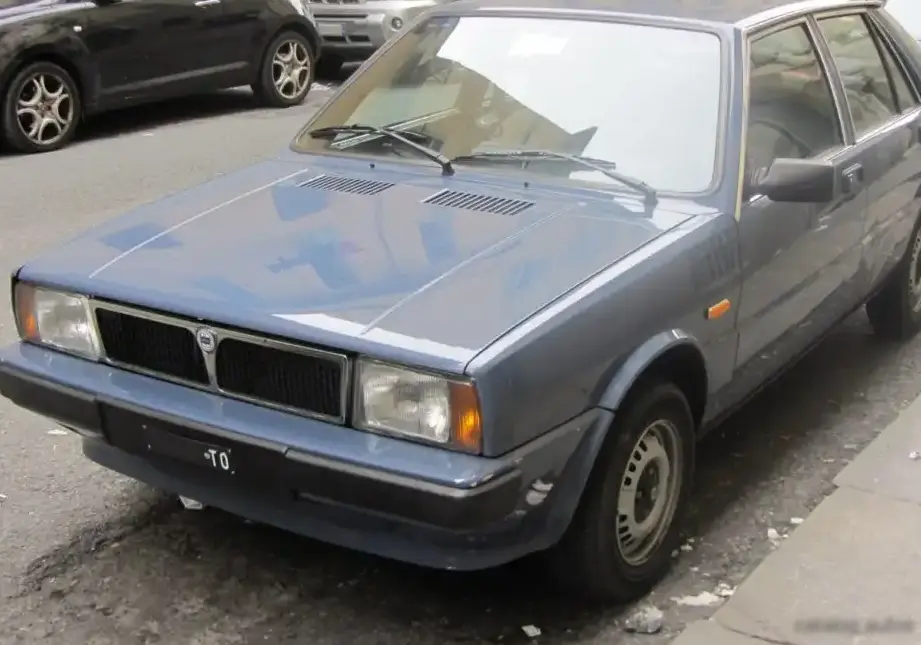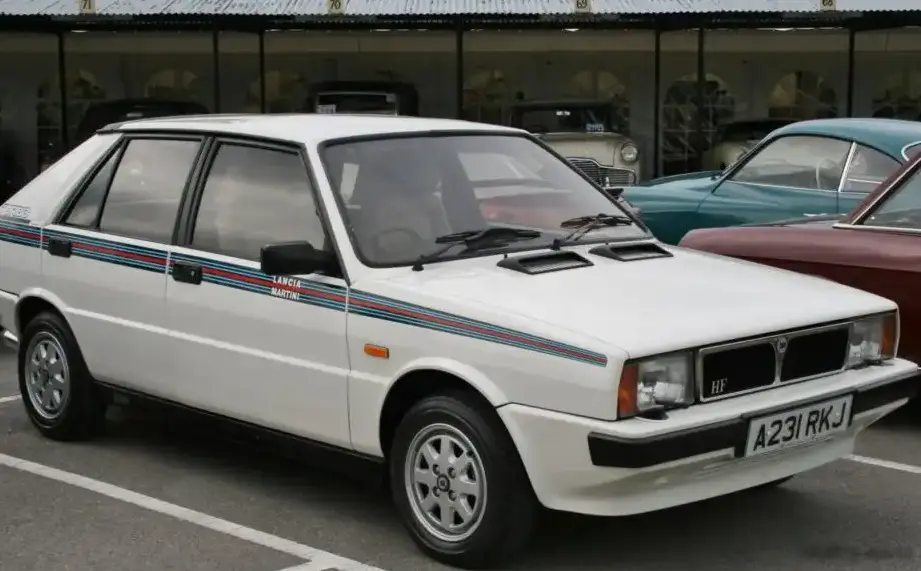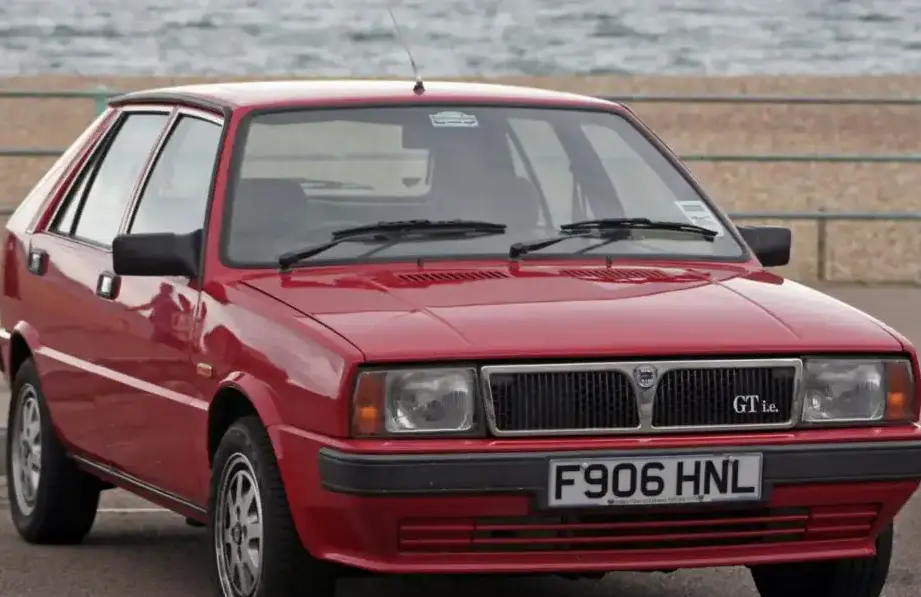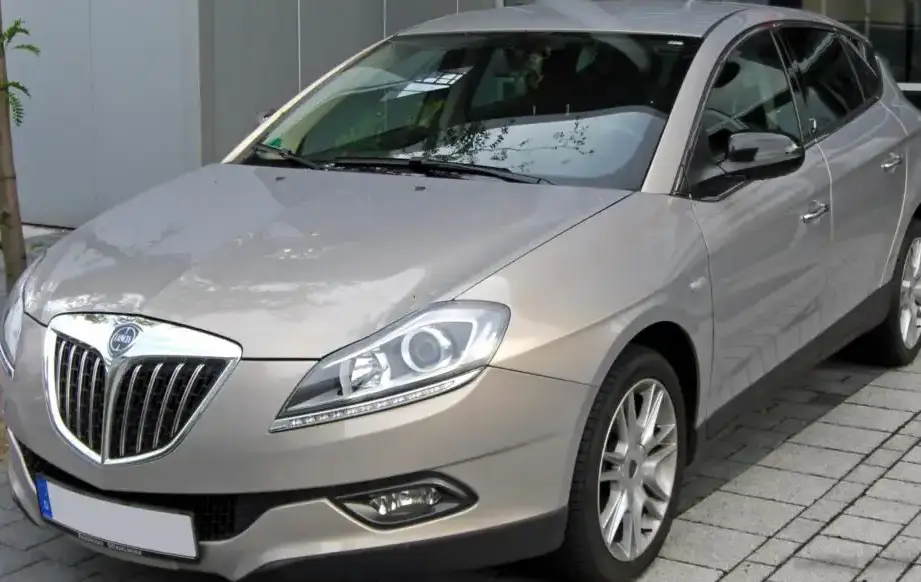
The Lancia Delta III (844) 1.9 Multijet, produced from 2008 to June 2011, represented a significant attempt to revive the iconic Delta nameplate. This variant, boasting 190 horsepower, occupied a performance-oriented position within the Delta III lineup, slotting above the lower-powered diesel options and below any potential high-performance petrol variants that were never fully realized. Built on the Fiat/Chrysler Compact US Wide (CUSW) platform – also known internally as the 844 platform – the Delta aimed to blend Italian styling with modern technology and practicality, primarily targeting the European market. It was intended to appeal to buyers seeking a premium hatchback with a sporty edge.
Technical Specifications
| Brand | Lancia |
| Model | Delta |
| Generation | Delta III (844) |
| Type (Engine) | 1.9 Multijet (190 Hp) |
| Start of production | 2008 |
| End of production | June, 2011 |
| Powertrain Architecture | Internal Combustion engine |
| Body type | Hatchback |
| Seats | 5 |
| Doors | 5 |
| Fuel consumption (economy) – urban (NEDC) | 7.3 l/100 km (32.2 US mpg, 38.7 UK mpg, 13.7 km/l) |
| Fuel consumption (economy) – extra urban (NEDC) | 4.7 l/100 km (50 US mpg, 60.1 UK mpg, 21.3 km/l) |
| Fuel consumption (economy) – combined (NEDC) | 5.7 l/100 km (41.3 US mpg, 49.6 UK mpg, 17.5 km/l) |
| CO2 emissions (NEDC) | 149 g/km |
| Fuel Type | Diesel |
| Acceleration 0 – 100 km/h | 7.9 sec |
| Acceleration 0 – 62 mph | 7.9 sec |
| Acceleration 0 – 60 mph | 7.5 sec |
| Maximum speed | 222 km/h (137.94 mph) |
| Emission standard | Euro 5 |
| Weight-to-power ratio | 7.5 kg/Hp, 132.9 Hp/tonne |
| Weight-to-torque ratio | 3.6 kg/Nm, 279.7 Nm/tonne |
| Power | 190 Hp @ 4000 rpm |
| Power per litre | 99.5 Hp/l |
| Torque | 400 Nm @ 2000 rpm (295.02 lb.-ft. @ 2000 rpm) |
| Engine layout | Front, Transverse |
| Engine Model/Code | 844A1000 |
| Engine displacement | 1910 cm3 (116.56 cu. in.) |
| Number of cylinders | 4 |
| Engine configuration | Inline |
| Cylinder Bore | 82 mm (3.23 in.) |
| Piston Stroke | 90.4 mm (3.56 in.) |
| Compression ratio | 16.5:1 |
| Number of valves per cylinder | 4 |
| Fuel injection system | Diesel Commonrail |
| Engine aspiration | Twin-Turbo, Intercooler |
| Valvetrain | DOHC |
| Engine oil capacity | 4.9 l (5.18 US qt | 4.31 UK qt) |
| Coolant | 7.1 l (7.5 US qt | 6.25 UK qt) |
| Kerb Weight | 1430 kg (3152.61 lbs.) |
| Max. weight | 2000 kg (4409.25 lbs.) |
| Max load | 570 kg (1256.63 lbs.) |
| Trunk (boot) space – minimum | 420 l (14.83 cu. ft.) |
| Trunk (boot) space – maximum | 1190 l (42.02 cu. ft.) |
| Fuel tank capacity | 58 l (15.32 US gal | 12.76 UK gal) |
| Permitted trailer load with brakes (12%) | 1300 kg (2866.01 lbs.) |
| Permitted trailer load without brakes | 500 kg (1102.31 lbs.) |
| Length | 4520 mm (177.95 in.) |
| Width | 1797 mm (70.75 in.) |
| Height | 1499 mm (59.02 in.) |
| Wheelbase | 2700 mm (106.3 in.) |
| Front track | 1538 mm (60.55 in.) |
| Rear (Back) track | 1531 mm (60.28 in.) |
| Front overhang | 1017 mm (40.04 in.) |
| Rear overhang | 803 mm (31.61 in.) |
| Minimum turning circle (turning diameter) | 10.6 m (34.78 ft.) |
| Drivetrain Architecture | The Internal combustion engine (ICE) drives the front wheels of the vehicle. |
| Drive wheel | Front wheel drive |
| Number of gears and type of gearbox | 6 gears, manual transmission |
| Front suspension | Independent type McPherson, Transverse stabilizer |
| Rear suspension | Transverse stabilizer, Torsion |
| Front brakes | Ventilated discs, 305×28 mm |
| Rear brakes | Disc, 251×10 mm |
| Assisting systems | ABS (Anti-lock braking system) |
| Steering type | Steering rack and pinion |
| Power steering | Electric Steering |
| Tires size | 205/55 R16; 225/45 R17; 225/40 R18 |
| Wheel rims size | 7J x 16; 7J x 17; 7.5J x 18 |
INTRODUCTION
The Lancia Delta III 1.9 Multijet (190 Hp) was a key variant in the Delta’s attempt to recapture the spirit of the original Delta Integrale. Production spanned from 2008 to 2011, and it was positioned as a more dynamic offering within the Delta range. The 1.9 Multijet engine, a Fiat-developed unit, was a mainstay in many of their vehicles, known for its blend of performance and fuel efficiency. This particular iteration, with its twin-turbo setup, aimed to deliver a more engaging driving experience than the lower-powered diesel options. The Delta III, despite its modern underpinnings, sought to evoke the rally-bred heritage of its predecessor, though it ultimately faced challenges in establishing itself as a major player in the competitive hatchback segment.
Powertrain & Engine Architecture
At the heart of the Delta 1.9 Multijet (190 Hp) lies the 844A1000 engine, a 1910cc inline-four cylinder diesel. This engine utilizes a sophisticated common rail direct injection system, delivering fuel at extremely high pressures for optimized combustion. The key to its increased power output compared to lower-spec Multijets is the implementation of a twin-turbocharger system. A smaller turbocharger provides quick spool-up for improved low-end response, while a larger turbocharger contributes to higher peak power. An intercooler further enhances performance by cooling the compressed intake air. The engine features a double overhead camshaft (DOHC) valvetrain with four valves per cylinder, maximizing airflow. The engine’s 16.5:1 compression ratio is typical for a modern diesel engine, contributing to its thermal efficiency. The engine was paired with a six-speed manual transmission as standard, delivering power to the front wheels.
Driving Characteristics
The 190 hp 1.9 Multijet Delta offered a noticeable step up in performance compared to the lower-powered diesel variants. Acceleration to 60 mph was achieved in around 7.5 seconds, and a top speed of 138 mph was attainable. The twin-turbo setup minimized turbo lag, providing a relatively linear power delivery throughout the rev range. While not as overtly sporty as a dedicated hot hatch, the 1.9 Multijet offered a good balance of performance and everyday usability. The six-speed manual transmission allowed for precise gear selection, and the relatively short gear ratios helped to keep the engine in its optimal power band. Compared to the base diesel models, the 190 hp version felt significantly more responsive and capable, making it a more enjoyable driving experience, especially on winding roads.
Equipment & Trim Levels
The 1.9 Multijet (190 Hp) typically came with a reasonably well-equipped specification. Standard features often included air conditioning, electric windows and mirrors, a CD/radio system, and alloy wheels. Higher trim levels added features such as leather upholstery, a sunroof, parking sensors, and a more advanced infotainment system. Interior appointments were generally of good quality, reflecting Lancia’s focus on providing a premium feel. Optional extras included navigation systems, upgraded audio systems, and various cosmetic enhancements. The Delta aimed to provide a comfortable and refined interior environment, with a focus on driver and passenger comfort.
Chassis & Braking
The Delta III utilized an independent McPherson strut suspension setup at the front, providing good handling and ride comfort. The rear suspension employed a torsion beam arrangement, which was a cost-effective solution that offered a reasonable compromise between handling and space efficiency. The braking system consisted of ventilated discs at the front and solid discs at the rear, equipped with ABS (Anti-lock Braking System) as standard. The suspension was tuned to provide a balance between comfort and handling, leaning towards the comfort side to appeal to a wider range of buyers. Stabilizer bars were fitted to both the front and rear axles to reduce body roll during cornering.
Market Reception & Comparison
The Lancia Delta III 1.9 Multijet (190 Hp) received mixed reviews from automotive critics. While the engine was praised for its performance and fuel efficiency, the Delta’s styling was often considered polarizing. Some critics found the interior design to be overly complex and lacking in the elegance of previous Lancia models. Compared to rivals such as the Volkswagen Golf GTD and the Ford Focus ST, the Delta offered a different character, prioritizing comfort and style over outright sportiness. Fuel economy was competitive, averaging around 41 mpg in combined driving, and reliability was generally considered to be good, although some owners reported issues with the electronic systems.
Legacy
The Lancia Delta III, despite its relatively short production run, represents an interesting chapter in Lancia’s history. The 1.9 Multijet (190 Hp) variant, while not a runaway success, offered a compelling combination of performance, fuel efficiency, and Italian style. On the used car market, these Deltas can be found at relatively affordable prices. The 1.9 Multijet engine is generally considered to be robust and reliable, but potential buyers should be aware of the possibility of issues with the electronic systems and the turbocharger. The Delta III remains a distinctive and somewhat underrated hatchback, appealing to those seeking a car with a unique character and a touch of Italian flair.