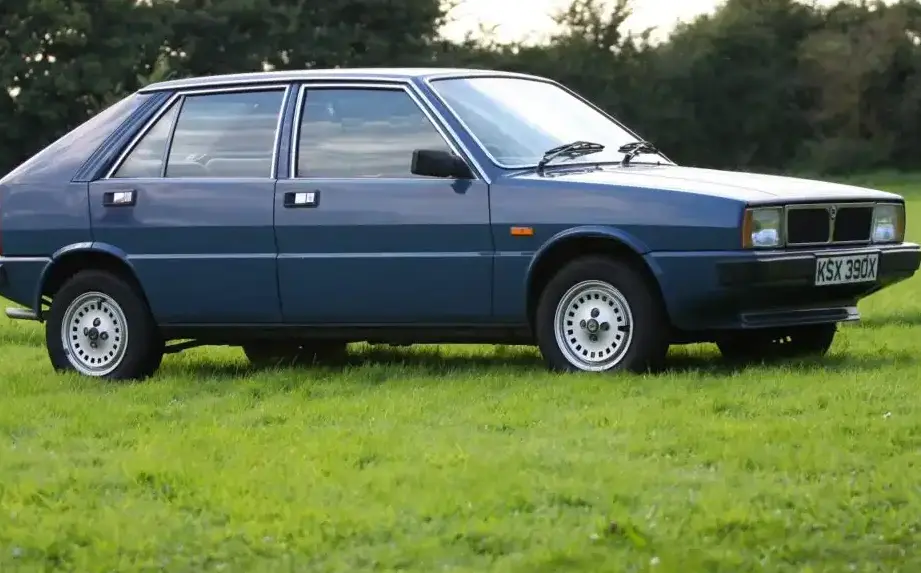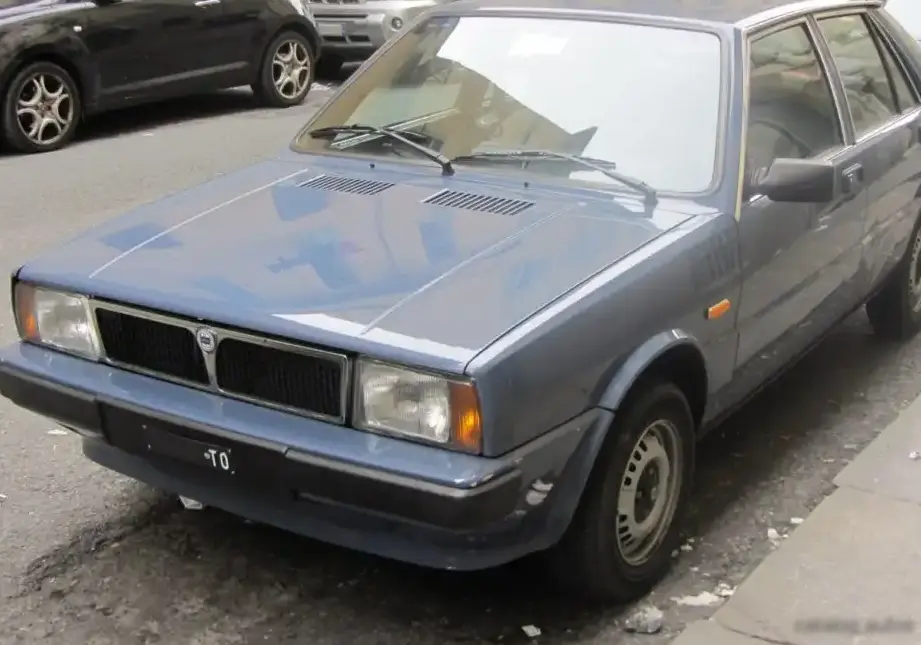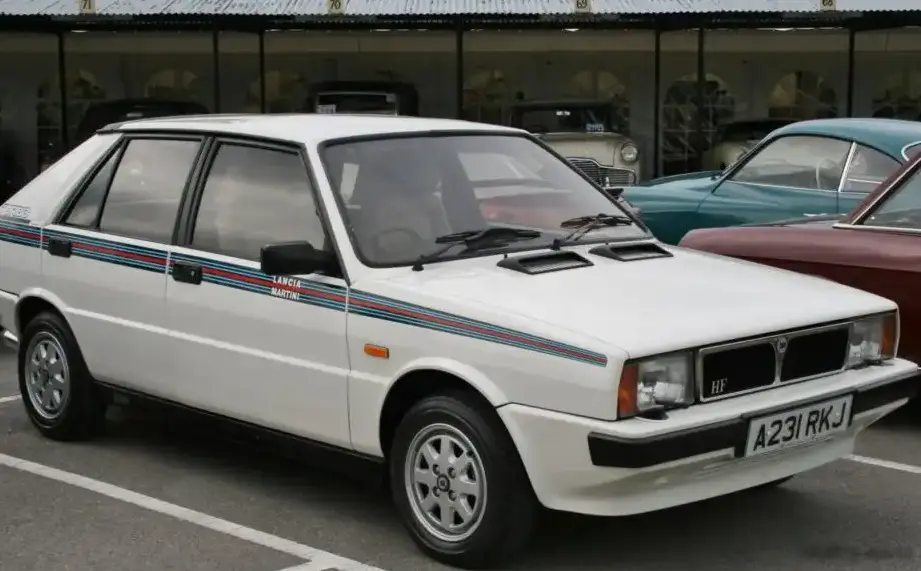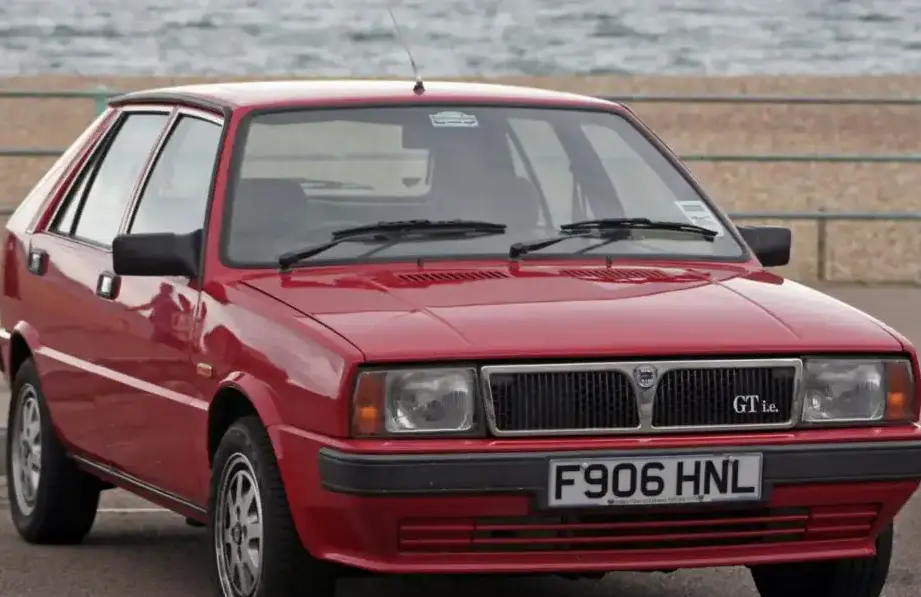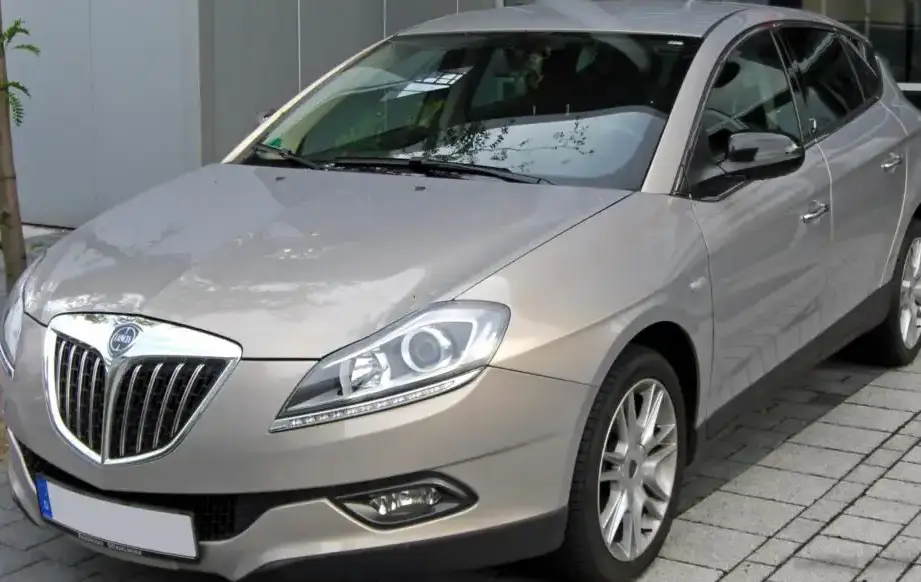
The Lancia Delta III (844) 2.0 Multijet 16V, produced from September 2008 to June 2011, represented a significant attempt to revive the iconic Delta nameplate. Positioned as a mid-range offering within the Delta III lineup, this variant aimed to balance performance, fuel efficiency, and practicality for European buyers. It was a key component of Lancia’s strategy to recapture a share of the competitive C-segment hatchback market. The Delta III was built on the Fiat/Chrysler C-segment platform, shared with models like the Fiat Bravo and Alfa Romeo Giulietta, representing a departure from the previous Delta’s more unique construction.
Technical Specifications
| Brand | Lancia |
| Model | Delta |
| Generation | Delta III (844) |
| Type (Engine) | 2.0 Multijet 16V (163 Hp) DPF |
| Start of production | September, 2008 |
| End of production | June, 2011 |
| Powertrain Architecture | Internal Combustion engine |
| Body type | Hatchback |
| Seats | 5 |
| Doors | 5 |
| Fuel consumption (urban) | 6.9 l/100 km (34.1 US mpg, 40.9 UK mpg, 14.5 km/l) |
| Fuel consumption (extra urban) | 4.3 l/100 km (54.7 US mpg, 65.7 UK mpg, 23.3 km/l) |
| Fuel consumption (combined) | 5.3 l/100 km (44.4 US mpg, 53.3 UK mpg, 18.9 km/l) |
| CO2 emissions | 139 g/km |
| Fuel Type | Diesel |
| Maximum speed | 214 km/h (132.97 mph) |
| Emission standard | Euro 5 |
| Weight-to-power ratio | 8.8 kg/Hp, 114 Hp/tonne |
| Weight-to-torque ratio | 4 kg/Nm, 251.7 Nm/tonne |
| Power | 163 Hp @ 4000 rpm |
| Power per litre | 83.3 Hp/l |
| Torque | 360 Nm @ 1750 rpm (265.52 lb.-ft. @ 1750 rpm) |
| Engine layout | Front, Transverse |
| Engine Model/Code | 844A2000 |
| Engine displacement | 1956 cm3 (119.36 cu. in.) |
| Number of cylinders | 4 |
| Engine configuration | Inline |
| Cylinder Bore | 83 mm (3.27 in.) |
| Piston Stroke | 90.4 mm (3.56 in.) |
| Compression ratio | 16.5:1 |
| Number of valves per cylinder | 4 |
| Fuel injection system | Diesel Commonrail |
| Engine aspiration | Turbocharger, Intercooler |
| Valvetrain | DOHC |
| Engine oil capacity | 4.9 l (5.18 US qt | 4.31 UK qt) |
| Coolant capacity | 7.1 l (7.5 US qt | 6.25 UK qt) |
| Kerb Weight | 1430 kg (3152.61 lbs.) |
| Max. weight | 2000 kg (4409.25 lbs.) |
| Max load | 570 kg (1256.63 lbs.) |
| Trunk (boot) space – minimum | 420 l (14.83 cu. ft.) |
| Trunk (boot) space – maximum | 1190 l (42.02 cu. ft.) |
| Fuel tank capacity | 57 l (15.06 US gal | 12.54 UK gal) |
| Max. roof load | 80 kg (176.37 lbs.) |
| Permitted trailer load (braked) | 1300 kg (2866.01 lbs.) |
| Permitted trailer load (unbraked) | 500 kg (1102.31 lbs.) |
| Permitted towbar download | 60 kg (132.28 lbs.) |
| Length | 4520 mm (177.95 in.) |
| Width | 1797 mm (70.75 in.) |
| Height | 1499 mm (59.02 in.) |
| Wheelbase | 2700 mm (106.3 in.) |
| Front track | 1538 mm (60.55 in.) |
| Rear track | 1531 mm (60.28 in.) |
| Front overhang | 1017 mm (40.04 in.) |
| Rear overhang | 803 mm (31.61 in.) |
| Turning circle | 10.6 m (34.78 ft.) |
| Drivetrain | Front wheel drive |
| Number of gears | 6 |
| Gearbox type | Manual transmission |
| Front suspension | Independent, McPherson with coil spring and anti-roll bar |
| Rear suspension | Torsion bar, Transverse stabilizer |
| Front brakes | Ventilated discs, 305×28 mm |
| Rear brakes | Disc, 251×10 mm |
| Safety systems | ABS (Anti-lock braking system) |
| Steering type | Steering rack and pinion |
| Power steering | Electric |
| Tires size | 205/55 R16; 225/45 R17; 225/40 R18 |
| Wheel rims size | 7J x 16; 7J x 17; 7.5J x 18 |
Powertrain & Engine Architecture
The heart of the Delta 2.0 Multijet 16V is the 844A2000 engine, a 1.956-liter inline-four cylinder diesel. This engine belongs to the Fiat Multijet family, known for its common-rail direct injection and variable geometry turbocharger. The 16-valve configuration (four valves per cylinder) contributes to improved breathing and higher power output. The engine utilizes a sophisticated Bosch common-rail system, delivering fuel at extremely high pressures for optimized combustion. The turbocharger, coupled with an intercooler, minimizes intake air temperature, further enhancing performance. The engine’s design prioritized low-end torque, making it suitable for everyday driving. The 6-speed manual transmission was the standard offering, providing a balance between fuel economy and driver control.
Driving Characteristics
The 163 horsepower and 360 Nm (265 lb-ft) of torque provided by the 2.0 Multijet engine delivered respectable performance for a C-segment hatchback. Acceleration from 0 to 62 mph (0-100 km/h) took around 8.7 seconds, and the car felt responsive in most driving situations. Compared to the lower-powered 1.4-liter petrol versions, the 2.0 Multijet offered significantly more pulling power, especially when fully loaded or tackling inclines. However, it wasn’t as sporty as the higher-performance Delta versions equipped with more powerful engines. The manual transmission offered precise shifts, and the gear ratios were well-matched to the engine’s torque curve. The focus was on usability and fuel efficiency rather than outright speed.
Equipment & Trim Levels
The 2.0 Multijet 16V typically came equipped with a reasonable level of standard features. These included air conditioning, electric windows, central locking, a CD/radio system, and alloy wheels. Higher trim levels, such as the “Sport” or “Oro,” added features like climate control, a more advanced audio system, leather upholstery, and parking sensors. Interior upholstery was generally cloth, with leather options available as upgrades. The dashboard layout was modern for its time, with a focus on ergonomics and ease of use. Optional extras included a sunroof, navigation system, and upgraded safety features.
Chassis & Braking
The Delta III utilized an independent McPherson strut suspension at the front and a torsion beam setup at the rear. This configuration provided a good balance between ride comfort and handling. The front suspension featured a stabilizer bar to reduce body roll during cornering. Braking duties were handled by ventilated discs at the front and solid discs at the rear, equipped with ABS (Anti-lock Braking System) as standard. The braking system was adequate for the car’s weight and performance, providing confident stopping power in most conditions. Steering was rack and pinion with electric power assistance, offering a light and precise feel.
Market Reception & Comparison
The Lancia Delta 2.0 Multijet 16V was generally well-received by automotive critics. It was praised for its fuel efficiency, comfortable ride, and spacious interior. However, some reviewers noted that the styling was somewhat polarizing and that the interior quality, while decent, didn’t quite match that of some of its German rivals. Compared to the 1.4-liter petrol versions, the 2.0 Multijet offered superior performance and fuel economy, making it a more practical choice for drivers covering long distances. Compared to the more powerful Delta versions, it represented a more affordable and economical option. Reliability was generally good, although some owners reported minor issues with the electronic systems.
Legacy
The Lancia Delta III, despite its relatively short production run, remains a noteworthy vehicle. The 2.0 Multijet 16V powertrain proved to be durable and reliable, and many examples are still on the road today. In the used car market, these Deltas offer a good value proposition, providing a comfortable and economical driving experience. While the Delta nameplate has been discontinued, the Delta III represents a final attempt to capture the spirit of the original Delta, a rally legend. The engine itself, a member of the Fiat Multijet family, has a strong reputation for longevity and is relatively straightforward to maintain, contributing to its continued presence in the used car market.