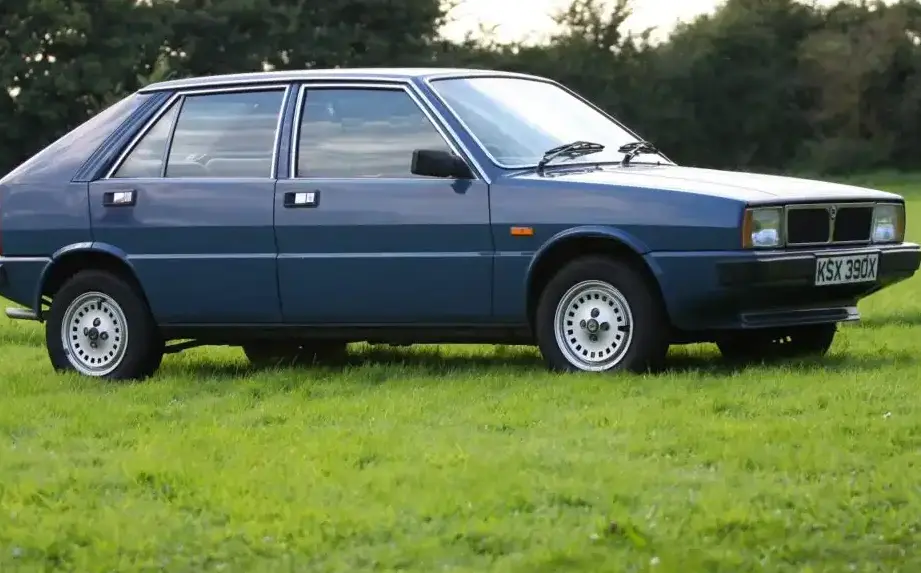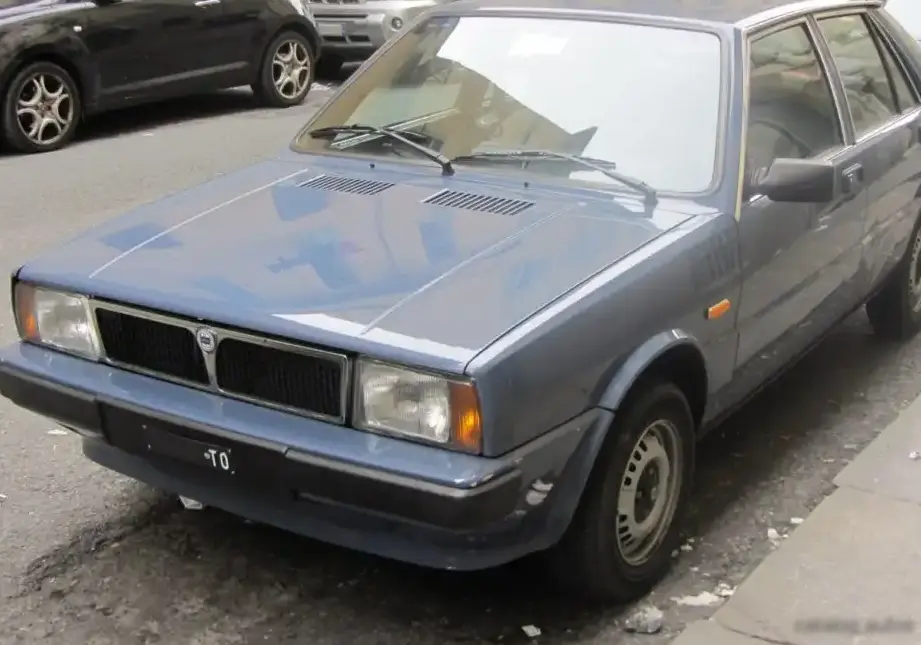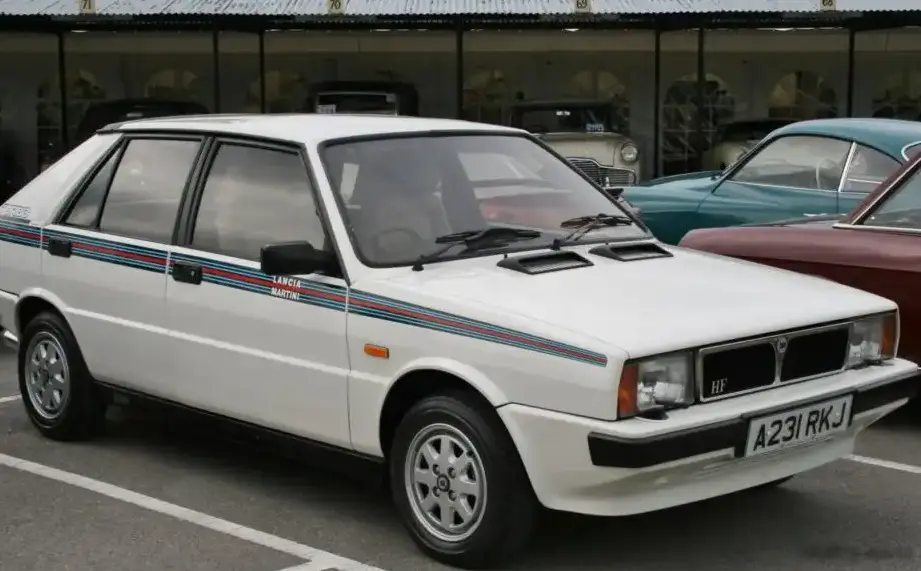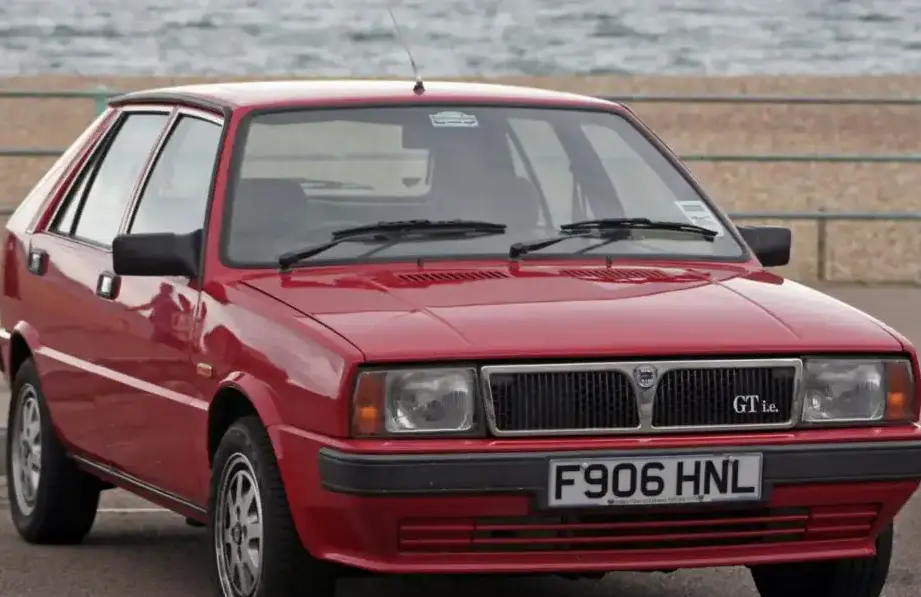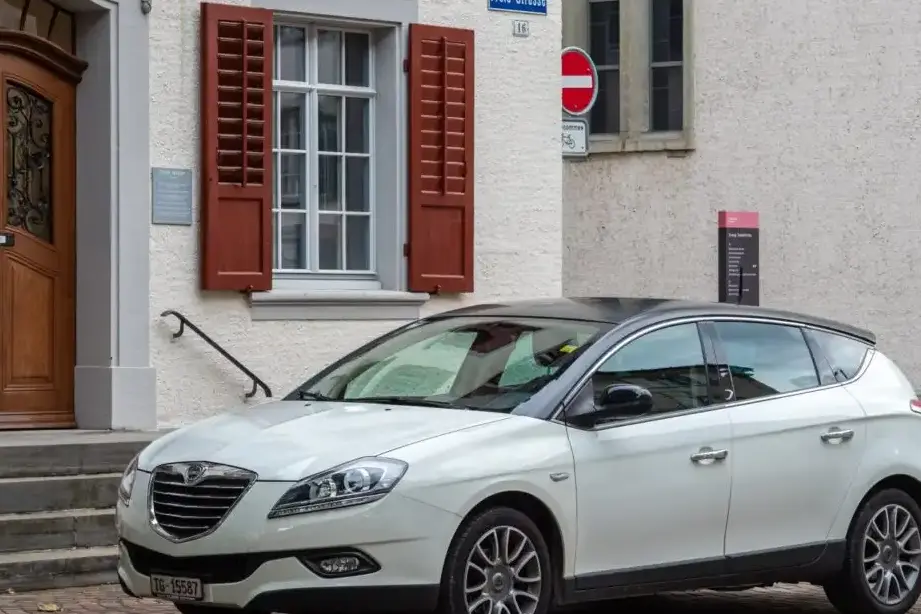
The Lancia Delta III, specifically the 2.0 MultiJet 16V (165 hp) variant, was produced from 2011 to 2014 as part of the 844 facelift series. This model represented Lancia’s attempt to revive the iconic Delta nameplate, aiming for a blend of practicality, style, and performance within the compact hatchback segment. Positioned as a mid-range offering, it slotted between the lower-powered 1.6 MultiJet versions and the higher-performance Delta HF Integrale models that were later introduced. The Delta III was primarily marketed in Europe, intended to compete with vehicles like the Volkswagen Golf, Ford Focus, and Opel Astra, offering a more premium and distinctly Italian alternative.
Technical Specifications
| Brand | Lancia |
| Model | Delta |
| Generation | Delta III (844, facelift 2011) |
| Type (Engine) | 2.0 MultiJet 16V (165 Hp) |
| Start of production | 2011 |
| End of production | 2014 |
| Powertrain Architecture | Internal Combustion engine |
| Body type | Hatchback |
| Seats | 5 |
| Doors | 5 |
| Fuel consumption (urban) | 6.9 l/100 km (34.1 US mpg, 40.9 UK mpg, 14.5 km/l) |
| Fuel consumption (extra urban) | 4.3 l/100 km (54.7 US mpg, 65.7 UK mpg, 23.3 km/l) |
| Fuel consumption (combined) | 5.3 l/100 km (44.4 US mpg, 53.3 UK mpg, 18.9 km/l) |
| CO2 emissions | 135 g/km |
| Fuel Type | Diesel |
| Acceleration 0 – 100 km/h | 8.5 sec |
| Acceleration 0 – 62 mph | 8.5 sec |
| Acceleration 0 – 60 mph | 8.1 sec |
| Maximum speed | 214 km/h (132.97 mph) |
| Emission standard | Euro 5 |
| Weight-to-power ratio | 8.7 kg/Hp, 115.4 Hp/tonne |
| Weight-to-torque ratio | 4.1 kg/Nm, 244.8 Nm/tonne |
| Power | 165 Hp @ 4000 rpm |
| Power per litre | 84.4 Hp/l |
| Torque | 350 Nm @ 1750 rpm (258.15 lb.-ft. @ 1750 rpm) |
| Engine layout | Front, Transverse |
| Engine Model/Code | 198A5000 |
| Engine displacement | 1956 cm3 (119.36 cu. in.) |
| Number of cylinders | 4 |
| Engine configuration | Inline |
| Cylinder Bore | 83 mm (3.27 in.) |
| Piston Stroke | 90.4 mm (3.56 in.) |
| Compression ratio | 16.5:1 |
| Number of valves per cylinder | 4 |
| Fuel injection system | Diesel Commonrail |
| Engine aspiration | Turbocharger, Intercooler |
| Valvetrain | DOHC |
| Engine oil capacity | 4.9 l (5.18 US qt | 4.31 UK qt) |
| Coolant capacity | 7.1 l (7.5 US qt | 6.25 UK qt) |
| Kerb Weight | 1430 kg (3152.61 lbs.) |
| Max. weight | 2000 kg (4409.25 lbs.) |
| Max load | 570 kg (1256.63 lbs.) |
| Trunk (boot) space – minimum | 420 l (14.83 cu. ft.) |
| Trunk (boot) space – maximum | 1190 l (42.02 cu. ft.) |
| Fuel tank capacity | 58 l (15.32 US gal | 12.76 UK gal) |
| Permitted trailer load with brakes (12%) | 1300 kg (2866.01 lbs.) |
| Permitted trailer load without brakes | 500 kg (1102.31 lbs.) |
| Length | 4520 mm (177.95 in.) |
| Width | 1797 mm (70.75 in.) |
| Height | 1499 mm (59.02 in.) |
| Wheelbase | 2700 mm (106.3 in.) |
| Front track | 1538 mm (60.55 in.) |
| Rear track | 1531 mm (60.28 in.) |
| Front overhang | 1017 mm (40.04 in.) |
| Rear overhang | 803 mm (31.61 in.) |
| Minimum turning circle | 10.6 m (34.78 ft.) |
| Drivetrain | Front wheel drive |
| Number of gears | 6 |
| Gearbox type | Manual transmission |
| Front suspension | Independent type McPherson, Transverse stabilizer |
| Rear suspension | Transverse stabilizer, Torsion |
| Front brakes | Ventilated discs, 305×28 mm |
| Rear brakes | Disc, 251×10 mm |
| Assisting systems | ABS (Anti-lock braking system) |
| Steering type | Steering rack and pinion |
| Power steering | Electric Steering |
| Tires size | 205/55 R16 |
| Wheel rims size | 7J x 16 |
Powertrain & Engine Architecture
The heart of this Delta variant is the 1.956-liter, four-cylinder 2.0 MultiJet 16V diesel engine, designated with the code 198A5000. This engine belongs to the Fiat/VM Motori family of common rail direct injection diesels. It features a 16-valve dual overhead camshaft (DOHC) valvetrain and is equipped with a turbocharger and intercooler to boost power and efficiency. The common rail direct injection system, operating at extremely high pressures, ensures precise fuel delivery and optimized combustion. The engine produces 165 horsepower at 4000 rpm and a substantial 350 Nm (258 lb-ft) of torque at just 1750 rpm. This torque output is a key characteristic of modern diesel engines, providing strong low-end and mid-range acceleration. The engine is transversely mounted in the front of the vehicle. The 6-speed manual transmission was the standard offering for this trim, providing a balance between fuel economy and driver engagement.
Driving Characteristics
The 2.0 MultiJet 16V with the manual transmission offered a noticeably more engaging driving experience than the lower-powered 1.6 MultiJet variants. The increased horsepower and torque resulted in quicker acceleration – 0 to 60 mph in approximately 8.1 seconds – and a more relaxed cruising speed on highways. The gear ratios in the 6-speed manual were well-matched to the engine’s torque curve, allowing for effortless overtaking maneuvers. While not a sports car, the Delta 2.0 MultiJet provided a confident and capable driving experience. Compared to the automatic transmission option (available on other Delta trims), the manual offered greater driver control and a slightly improved fuel economy. It lacked the outright performance of the later Delta HF Integrale models, but provided a practical and efficient alternative for everyday driving.
Equipment & Trim Levels
The 2.0 MultiJet 16V trim typically included features such as air conditioning, a CD/MP3 stereo system, electric front and rear windows, and central locking. Higher trim levels added features like alloy wheels, fog lights, a multi-function steering wheel, and a more sophisticated infotainment system. Interior upholstery was generally cloth, with optional leather available. Safety features included ABS brakes, electronic stability control, and multiple airbags. The Delta aimed for a premium feel, with a relatively well-appointed interior and a focus on comfort.
Chassis & Braking
The Delta III utilized an independent McPherson strut suspension at the front and a torsion beam suspension at the rear. This setup provided a good balance between ride comfort and handling. The front suspension incorporated a transverse stabilizer bar to reduce body roll. Braking duties were handled by ventilated discs at the front and solid discs at the rear. The ABS anti-lock braking system was standard, enhancing safety during emergency braking situations. The chassis was designed to provide a stable and predictable driving experience, prioritizing comfort over outright sportiness.
Market Reception & Comparison
The Lancia Delta III 2.0 MultiJet 16V was generally well-received by automotive critics, who praised its stylish design, comfortable interior, and efficient diesel engine. However, some criticized its relatively high price compared to competitors like the Volkswagen Golf and Ford Focus. Fuel economy was a strong point, with combined figures around 5.3 l/100 km (44.4 US mpg). Reliability was generally good, although some owners reported minor electrical issues. Compared to the 1.6 MultiJet, the 2.0 offered a significant performance upgrade, while the higher-spec HF Integrale models provided a more focused and sporty driving experience.
Legacy
The Lancia Delta III, despite its relatively short production run, represents a significant attempt to revive a beloved nameplate. The 2.0 MultiJet 16V variant, with its efficient and torquey diesel engine, remains a popular choice in the used car market. The engine itself is known for its durability and relatively low maintenance costs, provided it is properly serviced. While not as iconic as its predecessors, the Delta III offered a unique blend of Italian style, practicality, and modern technology, and continues to appeal to those seeking a distinctive and comfortable hatchback.