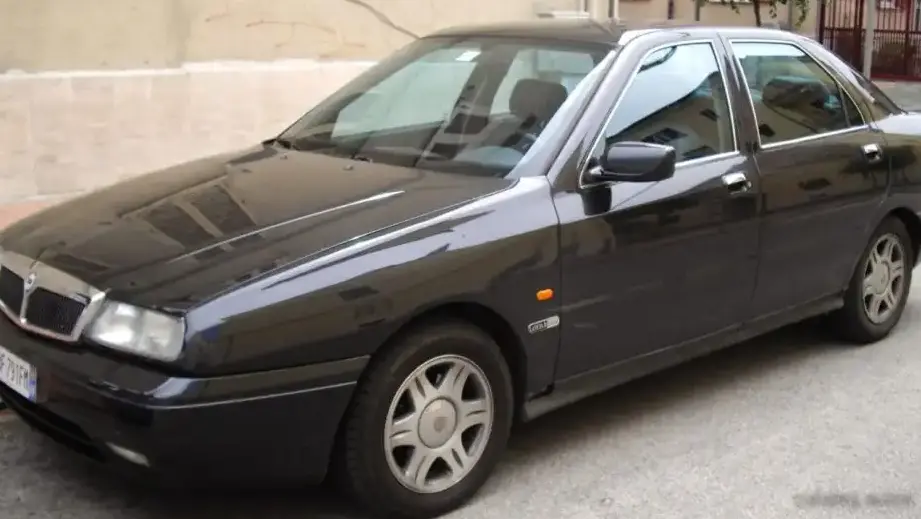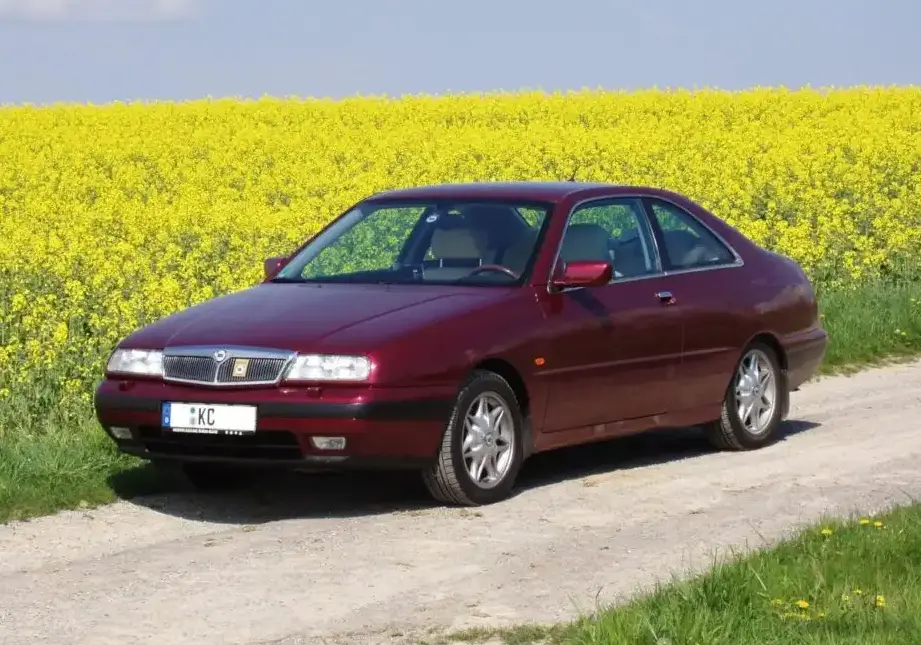
The Lancia Kappa Coupe (Type 838) 2.0 20V, produced between 1996 and 2000, represents a distinctive and often overlooked grand tourer from the Italian automaker. Positioned as a more sporting alternative to the Kappa sedan, the Coupe aimed to recapture some of Lancia’s historical flair for elegant, performance-oriented vehicles. It was built on a shortened version of the Kappa platform, offering a more compact and driver-focused experience. This 2.0-liter, 20-valve variant occupied a middle ground in the Kappa Coupe lineup, offering a balance between performance and affordability, slotting below the more powerful 3.0 V6 models.
Technical Specifications
| Brand | Lancia |
| Model | Kappa |
| Generation | Kappa Coupe (838) |
| Type (Engine) | 2.0 20V (155 Hp) |
| Start of Production | 1996 |
| End of Production | 2000 |
| Powertrain Architecture | Internal Combustion Engine |
| Body Type | Coupe |
| Fuel Type | Petrol (Gasoline) |
| Power | 155 Hp |
| Engine Model/Code | 838 A6.000 |
| Engine Aspiration | Naturally Aspirated |
| Engine Oil Capacity | 5.5 l (5.81 US qt | 4.84 UK qt) |
| Coolant Capacity | 8.3 l (8.77 US qt | 7.3 UK qt) |
Powertrain & Engine Architecture
The heart of the Kappa Coupe 2.0 20V is the 838 A6.000 engine, a 1998cc inline-four cylinder powerplant. This engine is notable for its five valves per cylinder – three intake and two exhaust – a design intended to enhance volumetric efficiency and broaden the powerband. Fuel delivery is managed by the Bosch Motronic M1.5.5 engine management system, utilizing sequential multi-point fuel injection. The engine features a cast iron block and an aluminum cylinder head. The 20-valve configuration, combined with a relatively high 10.4:1 compression ratio, allowed for a respectable 155 horsepower at 6000 rpm and 137 lb-ft of torque at 4500 rpm. The engine is paired with a four-speed automatic transmission, which was a common choice for buyers prioritizing comfort and ease of use over outright performance. While a five-speed manual transmission was available, the automatic was a popular option, particularly in markets where grand touring comfort was highly valued. The automatic transmission itself is a conventional hydraulic control unit, lacking the modern electronic controls found in later transmissions.
Driving Characteristics
The Kappa Coupe 2.0 20V with the automatic transmission delivers a comfortable and refined driving experience. Acceleration is adequate, with a 0-60 mph time estimated around 9.5 seconds, but it doesn’t possess the urgency of the V6 models. The automatic transmission, while smooth, can feel somewhat dated by modern standards, with noticeable shifts and a tendency to hunt for gears on inclines. The gear ratios are geared towards cruising, making it a pleasant highway companion. Compared to the manual transmission version, the automatic sacrifices some responsiveness and driver engagement; the manual offered a more direct connection to the engine and allowed for greater control over gear selection. The 2.0-liter engine provides sufficient power for overtaking maneuvers, but requires downshifting for more spirited driving. The steering is light and precise, contributing to the car’s ease of handling, although it lacks significant feedback. Overall, the driving experience is best described as relaxed and refined, prioritizing comfort over aggressive performance. The suspension absorbs bumps well, contributing to a comfortable ride even on less-than-perfect road surfaces.
Equipment & Trim Levels
The Kappa Coupe 2.0 20V typically came equipped with a generous level of standard features. Interior appointments included cloth upholstery, power windows, central locking, and an integrated audio system. Air conditioning was standard. Higher trim levels, often denoted by the “LE” (Limited Edition) designation, added features such as leather upholstery, upgraded audio systems, and alloy wheels. Optional extras included a sunroof, heated front seats, and a more sophisticated climate control system. The dashboard layout is typically Italian in its design, with a focus on ergonomics and a generally clean aesthetic. The instrument cluster features a combination of analog gauges and a digital display providing information such as trip mileage and outside temperature. The interior materials, while generally of good quality, reflect the car’s price point and are not as luxurious as those found in more expensive grand tourers. The LE trim also often included wood trim accents on the dashboard and door panels.
Chassis & Braking
The Kappa Coupe utilizes a MacPherson strut front suspension and a semi-independent torsion beam rear suspension. This setup provides a good balance between ride comfort and handling. Stabilizer bars are fitted to both the front and rear axles to reduce body roll during cornering. The braking system consists of ventilated disc brakes at the front and solid disc brakes at the rear. Anti-lock braking system (ABS) was standard equipment. The chassis is relatively lightweight, contributing to the car’s nimble handling characteristics. The steering is rack-and-pinion, providing precise and responsive steering feel. The suspension tuning is geared towards comfort, resulting in a relatively soft ride quality. While not a dedicated sports car, the Kappa Coupe offers a competent and enjoyable driving experience on winding roads. The rear torsion beam suspension, while cost-effective, does limit the car’s ultimate handling potential compared to a fully independent rear suspension.
Market Reception & Comparison
The Lancia Kappa Coupe 2.0 20V received mixed reviews upon its release. Critics praised its stylish design, comfortable interior, and refined driving experience. However, some criticized its lack of outright performance compared to rivals such as the Alfa Romeo GTV and the BMW 3 Series Coupe. Fuel economy was reasonable for the time, averaging around 24-28 mpg in mixed driving conditions. Reliability was a concern for some owners, with reports of electrical issues and occasional engine problems. Compared to the 3.0 V6 models, the 2.0 20V offered a more affordable entry point into the Kappa Coupe range, but at the expense of performance. The 2.0-liter engine was also generally considered more reliable than the more complex V6. The automatic transmission, while convenient, was often criticized for its lack of responsiveness. The Alfa Romeo GTV offered a more engaging driving experience, while the BMW 3 Series Coupe provided a more polished and refined overall package.
Legacy
The Lancia Kappa Coupe, including the 2.0 20V variant, remains a relatively rare and often overlooked classic car. Its distinctive styling and Italian flair have earned it a small but dedicated following. The 838 A6.000 engine, while not without its quirks, is generally considered a durable and reliable unit when properly maintained. In the used car market, Kappa Coupes are typically available at affordable prices, making them an attractive option for enthusiasts seeking a stylish and comfortable grand tourer. However, finding well-maintained examples can be challenging, and parts availability can be limited. The Kappa Coupe represents a final flourish of Lancia’s independent spirit before the brand’s decline, and it continues to be appreciated by those who value Italian design and engineering. Today, the car is often seen as a testament to a bygone era of Italian automotive design, offering a unique alternative to more mainstream grand tourers.