
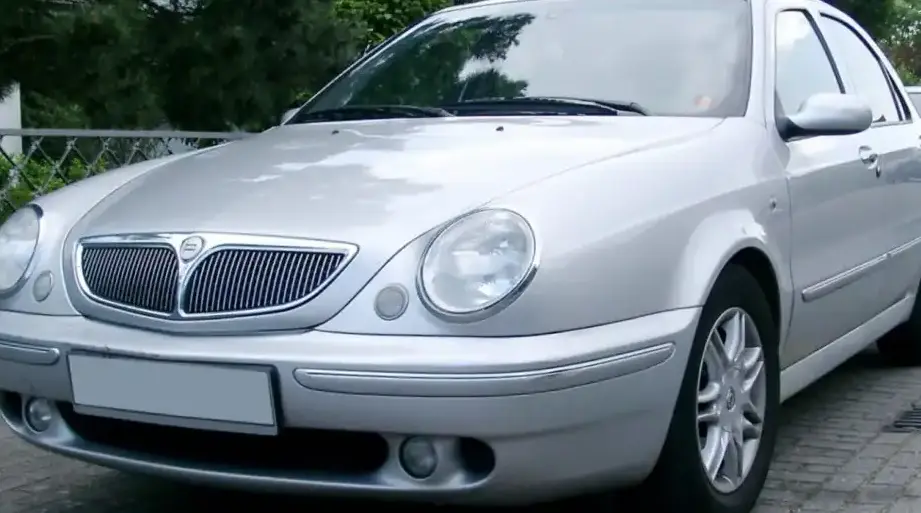
The Lancia Lybra 1.9 JTD, produced between 1999 and 2000, represented a significant offering in the European mid-size sedan market. Positioned as a more sophisticated and comfortable alternative to mainstream competitors, the Lybra (designated as the 839 series) aimed to blend Italian style with modern diesel technology. This particular variant, equipped with the 1.9-liter JTD engine producing 105 horsepower, was a popular choice for drivers prioritizing fuel efficiency and reasonable performance in a practical, family-oriented package. It sat within the Lybra range alongside petrol engines and a higher-output JTD variant, offering a balance between cost and capability.
Technical Specifications
| Brand | Lancia |
| Model | Lybra |
| Generation | Lybra (839) |
| Type (Engine) | 1.9 JTD (105 Hp) |
| Start of production | July, 1999 |
| End of production | September, 2000 |
| Powertrain Architecture | Internal Combustion engine |
| Body type | Sedan |
| Seats | 5 |
| Doors | 4 |
| Fuel consumption (urban) | 8.1 l/100 km (29 US mpg, 34.9 UK mpg, 12.3 km/l) |
| Fuel consumption (extra urban) | 4.7 l/100 km (50 US mpg, 60.1 UK mpg, 21.3 km/l) |
| Fuel consumption (combined) | 5.9 l/100 km (39.9 US mpg, 47.9 UK mpg, 16.9 km/l) |
| Fuel Type | Diesel |
| Acceleration 0 – 100 km/h | 11.3 sec |
| Acceleration 0 – 62 mph | 11.3 sec |
| Acceleration 0 – 60 mph | 10.7 sec |
| Maximum speed | 185 km/h (114.95 mph) |
| Weight-to-power ratio | 12.5 kg/Hp, 80.2 Hp/tonne |
| Weight-to-torque ratio | 5.1 kg/Nm, 194.7 Nm/tonne |
| Power | 105 Hp @ 4000 rpm |
| Power per litre | 55 Hp/l |
| Torque | 255 Nm @ 2000 rpm (188.08 lb.-ft. @ 2000 rpm) |
| Engine layout | Front, Transverse |
| Engine Model/Code | AR 32302 |
| Engine displacement | 1910 cm3 (116.56 cu. in.) |
| Number of cylinders | 4 |
| Engine configuration | Inline |
| Cylinder Bore | 82 mm (3.23 in.) |
| Piston Stroke | 90.4 mm (3.56 in.) |
| Compression ratio | 18.5:1 |
| Number of valves per cylinder | 2 |
| Fuel injection system | Diesel Commonrail |
| Engine aspiration | Turbocharger |
| Valvetrain | OHC |
| Engine oil capacity | 4.8 l (5.07 US qt | 4.22 UK qt) |
| Coolant | 7.3 l (7.71 US qt | 6.42 UK qt) |
| Kerb Weight | 1310 kg (2888.06 lbs.) |
| Max. weight | 1830 kg (4034.46 lbs.) |
| Max load | 520 kg (1146.4 lbs.) |
| Trunk (boot) space – minimum | 420 l (14.83 cu. ft.) |
| Fuel tank capacity | 60 l (15.85 US gal | 13.2 UK gal) |
| Length | 4466 mm (175.83 in.) |
| Width | 1743 mm (68.62 in.) |
| Height | 1462 mm (57.56 in.) |
| Wheelbase | 2593 mm (102.09 in.) |
| Front track | 1497 mm (58.94 in.) |
| Rear (Back) track | 1459 mm (57.44 in.) |
| Drivetrain Architecture | The Internal combustion engine (ICE) drives the front wheels of the vehicle. |
| Drive wheel | Front wheel drive |
| Number of gears and type of gearbox | 5 gears, manual transmission |
| Front suspension | Spring Strut |
| Rear suspension | Coil spring |
| Front brakes | Disc |
| Rear brakes | Disc |
| Assisting systems | ABS (Anti-lock braking system) |
| Steering type | Steering rack and pinion |
| Power steering | Hydraulic Steering |
| Tires size | 195/65R15 |
INTRODUCTION
The Lancia Lybra, launched in 1998, was intended to replace the aging Delta and Prisma models, offering a more upmarket and refined experience. The 839 series, encompassing sedan and station wagon body styles, was built upon a stretched version of the Fiat Tipo platform (often referred to as the 1HX0/A3 platform). The 1.9 JTD variant, introduced in 1999, brought modern common-rail diesel technology to the Lybra lineup, appealing to buyers seeking improved fuel economy and lower running costs. This engine, developed in collaboration with Bosch, was a key selling point, offering a significant improvement over older indirect injection diesel engines.
Powertrain & Engine Architecture
The heart of the Lybra 1.9 JTD is the AR 32302 engine, a 1910cc inline-four cylinder diesel. This engine utilizes a second-generation common rail direct injection system, allowing for precise fuel delivery and optimized combustion. The engine features an overhead camshaft (OHC) valvetrain with two valves per cylinder. A turbocharger with an intercooler is employed to boost power and torque. The 1.9 JTD engine was known for its relatively quiet operation compared to contemporary diesel engines, a testament to Lancia’s focus on refinement. The five-speed manual transmission was the standard offering for this variant, providing a balance between fuel efficiency and drivability. The transmission’s gear ratios were tuned for relaxed cruising and acceptable acceleration.
Driving Characteristics
The Lybra 1.9 JTD, with its 105 horsepower and 255 Nm (188 lb-ft) of torque, offered a comfortable and capable driving experience. While not a performance-oriented vehicle, the engine provided sufficient power for everyday driving and highway cruising. Acceleration from 0-60 mph took around 10.7 seconds, and top speed was approximately 115 mph. The turbocharger provided a noticeable boost in power at lower engine speeds, making overtaking maneuvers relatively easy. Compared to the higher-output 1.9 JTD (typically around 130 hp) and the petrol variants, the 105 hp version felt less stressed and offered better fuel economy. The manual transmission, while not particularly sporty, was smooth and easy to operate.
Equipment & Trim Levels
The Lybra 1.9 JTD typically came equipped with a reasonable level of standard equipment. This included central locking, electric front windows, power steering, and an anti-lock braking system (ABS). Interior upholstery was typically cloth, with options for leather available at an extra cost. Dashboard design was functional and relatively modern for its time, with a clear instrument cluster. Optional extras included air conditioning, a sunroof, and a CD stereo system. Trim levels varied depending on the market, but generally offered progressively more luxurious features as you moved up the range.
Chassis & Braking
The Lybra 839 utilized a MacPherson strut front suspension and a coil spring rear suspension. This setup provided a comfortable ride, absorbing bumps and imperfections in the road effectively. The front and rear brakes were both disc brakes, providing adequate stopping power for the vehicle’s weight and performance. The steering was rack and pinion with hydraulic assistance, offering a light and precise feel. The 1.9 JTD models typically rode on 15-inch alloy wheels with 195/65R15 tires.
Market Reception & Comparison
The Lancia Lybra 1.9 JTD was generally well-received by automotive critics, who praised its comfortable ride, refined engine, and spacious interior. However, some criticisms were leveled at its somewhat bland styling and the perceived lack of brand prestige compared to German rivals. In terms of fuel economy, the 1.9 JTD significantly outperformed the petrol variants, achieving around 40-48 mpg on the combined cycle. Compared to other diesel-powered sedans in its class, such as the Ford Mondeo TDDi and Volkswagen Passat TDI, the Lybra offered a more Italianate driving experience, prioritizing comfort and style over outright performance.
Legacy
The Lancia Lybra, while not a massive sales success, remains a fondly remembered car among enthusiasts. The 1.9 JTD engine proved to be relatively reliable, although like all diesel engines, it requires regular maintenance and attention to the fuel system. Today, well-maintained examples of the Lybra 1.9 JTD are becoming increasingly rare and sought after by collectors and those seeking a unique and stylish classic car. The engine’s durability and fuel efficiency continue to make it a practical choice for those looking for a comfortable and economical long-distance cruiser.
