
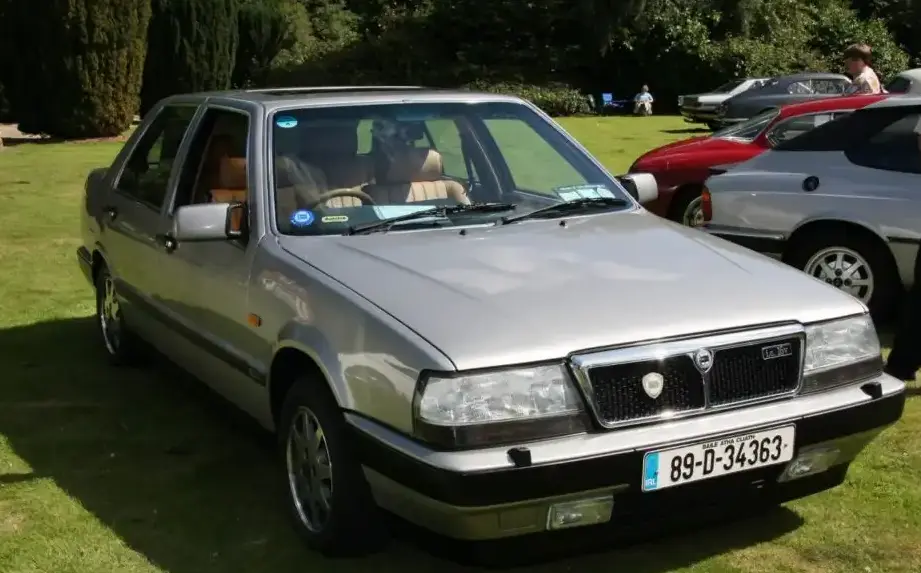
The Lancia Thema (834) 2500 Turbo D, produced between 1984 and 1988, represents a significant offering in the executive sedan segment from the Italian automaker. This variant, powered by a turbocharged diesel engine, was positioned as a more fuel-efficient alternative within the Thema range, which also included gasoline-powered options. The 834 series Thema, launched in 1984, was a collaborative effort with Saab, Fiat, and Alfa Romeo, sharing a common platform – the Type Four – but each brand offering distinct styling and mechanical configurations. The 2500 Turbo D aimed to provide a blend of luxury, performance, and economy, appealing to buyers seeking a sophisticated vehicle with lower running costs.
Technical Specifications
| Brand | Lancia |
| Model | Thema |
| Generation | Thema (834) |
| Type (Engine) | 2500 Turbo D (101 Hp) |
| Start of Production | 1984 |
| End of Production | 1988 |
| Powertrain Architecture | Internal Combustion Engine |
| Body Type | Sedan |
| Fuel Type | Diesel |
| Power | 101 Hp |
| Engine Model/Code | 8144.91 |
| Engine Aspiration | Turbocharger |
| Engine Oil Capacity | 6.4 l (6.76 US qt | 5.63 UK qt) |
| Coolant Capacity | 9.6 l (10.14 US qt | 8.45 UK qt) |
Powertrain & Engine Architecture
The heart of the Thema 2500 Turbo D is the 8144.91 engine, a 2.5-liter inline-four diesel engine equipped with a turbocharger and intercooler. This engine was a product of Lancia’s engineering expertise, designed to deliver respectable power and torque for its time while maintaining fuel efficiency. The engine utilizes indirect injection, a common feature in diesel engines of the 1980s, employing Bosch mechanical fuel injection. This system, while not as precise as later electronic systems, provided reliable fuel delivery under varying conditions. The turbocharger significantly boosted power output, increasing the engine’s ability to produce 101 horsepower. The engine features a single overhead camshaft (SOHC) valvetrain, operating two valves per cylinder. The turbocharger’s boost pressure was carefully regulated to balance performance and durability. The engine was paired with a four-speed automatic transmission, a popular choice for luxury sedans aiming for ease of driving. This transmission was designed to handle the engine’s torque output and provide smooth gear changes.
Driving Characteristics
The Thema 2500 Turbo D offered a unique driving experience compared to its gasoline-powered siblings. While lacking the outright acceleration of the gasoline variants, the diesel engine provided a substantial amount of low-end torque, making it well-suited for relaxed cruising and effortless overtaking. The four-speed automatic transmission, while not offering the sportiness of a manual gearbox, contributed to a comfortable and refined driving experience. Gear ratios were optimized for fuel economy and smooth acceleration. The turbocharger provided a noticeable boost in power once the engine reached a certain RPM, but turbo lag was present, a characteristic of turbocharging technology in the 1980s. Compared to the more powerful gasoline engines, the 2500 Turbo D prioritized fuel efficiency and long-distance comfort over outright performance. The heavier diesel engine did impact handling slightly, making the car feel less nimble than its lighter counterparts, but the Thema’s well-tuned suspension helped to mitigate this effect.
Equipment & Trim Levels
The Thema 2500 Turbo D was generally well-equipped for its time, reflecting its positioning as a luxury sedan. Standard features typically included power windows, central locking, and a high-quality audio system. Interior upholstery was usually cloth, but leather options were available as upgrades. The dashboard featured a comprehensive instrument cluster with gauges for speed, engine temperature, fuel level, and turbocharger boost pressure. Air conditioning was a common feature, and higher trim levels could include features such as electric sunroofs, upgraded sound systems, and more luxurious interior trim. The Thema’s interior was designed with comfort and refinement in mind, offering a spacious and well-appointed cabin. Optional extras allowed buyers to customize their vehicles to their specific preferences.
Chassis & Braking
The Thema 834 chassis was a monocoque construction, providing a rigid and safe platform. The suspension system consisted of independent suspension all around, with MacPherson struts at the front and semi-trailing arms at the rear. This setup provided a comfortable ride and good handling characteristics. The braking system featured disc brakes at the front and drum brakes at the rear. While the front discs provided ample stopping power, the rear drums were a cost-saving measure and offered less effective braking performance. Anti-lock braking system (ABS) was available as an option, enhancing safety by preventing wheel lockup during hard braking. The Thema’s steering system was power-assisted, making it easy to maneuver in tight spaces. Stabilizer bars were fitted to both the front and rear axles to reduce body roll during cornering.
Market Reception & Comparison
The Lancia Thema 2500 Turbo D was generally well-received by automotive critics, who praised its fuel efficiency, comfortable ride, and refined interior. However, some critics noted the engine’s lack of outright power compared to its gasoline counterparts and the presence of turbo lag. Compared to other diesel-powered executive sedans of the time, the Thema offered a compelling combination of luxury and economy. It was often compared to the Fiat Croma Turbo D, with which it shared many mechanical components, and the Alfa Romeo 164, which offered a more sporty driving experience. The Thema’s diesel engine provided significantly better fuel economy than the gasoline engines, making it an attractive option for drivers who covered long distances. Reliability was generally good, although the Bosch mechanical fuel injection system required periodic maintenance.
Legacy
The Lancia Thema 2500 Turbo D represents a unique chapter in Lancia’s history, showcasing the automaker’s ability to blend Italian style with practical diesel technology. While not as widely celebrated as some of Lancia’s more iconic models, the Thema 2500 Turbo D remains a sought-after vehicle among enthusiasts and collectors. The 8144.91 engine, while not known for its high performance, proved to be a durable and reliable powerplant when properly maintained. Today, well-preserved examples of the Thema 2500 Turbo D are becoming increasingly rare, and their value is steadily appreciating. The car’s combination of classic Italian styling, comfortable interior, and fuel-efficient diesel engine continues to appeal to those seeking a distinctive and practical classic sedan. Finding parts can be challenging, but a dedicated community of Lancia enthusiasts helps to keep these cars on the road.
