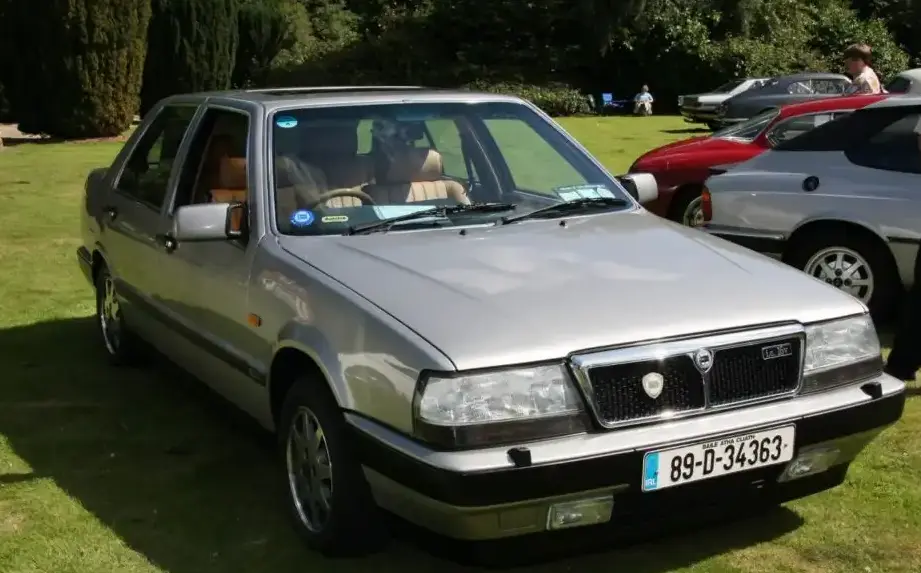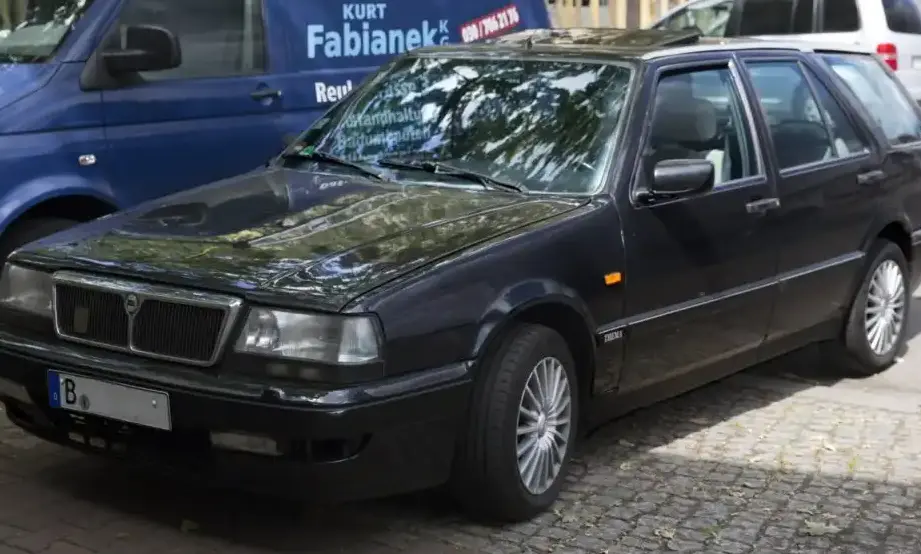
The Lancia Thema Station Wagon (834) 2500 Turbo Diesel, produced between 1987 and 1990, represented a unique offering in the upscale European estate car market. Positioned as a more practical variant of the Thema sedan, itself a collaborative effort with Saab, Alfa Romeo, and Fiat based on the Type Four platform, the station wagon aimed to combine luxury, performance, and cargo capacity. This particular diesel-powered version, equipped with a turbocharger and producing 101 horsepower, occupied a specific niche within the Thema lineup, appealing to buyers prioritizing fuel efficiency and long-distance comfort over outright speed. It was a relatively uncommon variant, particularly outside of Europe, and remains a sought-after vehicle among Lancia enthusiasts today.
Technical Specifications
| Brand | Lancia |
| Model | Thema |
| Generation | Thema Station Wagon (834) |
| Type (Engine) | 2500 Turbo Diesel (101 Hp) |
| Start of production | 1987 |
| End of production | 1990 |
| Powertrain Architecture | Internal Combustion engine |
| Body type | Station wagon (estate) |
| Fuel Type | Diesel |
| Power | 101 Hp |
| Engine Model/Code | 8144.91 |
| Engine aspiration | Turbocharger |
| Engine oil capacity | 6.4 l (6.76 US qt | 5.63 UK qt) |
| Coolant capacity | 9.6 l (10.14 US qt | 8.45 UK qt) |
Powertrain & Engine Architecture
The heart of the Thema 2500 Turbo Diesel was the 8144.91 engine, a 2.5-liter inline-four diesel. This engine was a product of VM Motori, an Italian manufacturer specializing in diesel engines, and was shared with other Fiat Group vehicles. The engine featured indirect injection, a common characteristic of diesels of that era, utilizing a pre-chamber combustion system. This system improved combustion efficiency and reduced engine noise compared to direct injection designs. The turbocharger, a key component, significantly boosted power output, bringing it to 101 horsepower and a respectable 195 lb-ft of torque. The engine’s design prioritized durability and low-end torque, making it well-suited for hauling loads and covering long distances. The Thema 2500 Turbo Diesel was typically paired with a four-speed automatic transmission, although a five-speed manual was also available in some markets. The automatic transmission, while providing convenience, was not known for its particularly quick shifts or sporty feel, focusing instead on smooth operation and fuel economy.
Driving Characteristics
The driving experience in the Thema 2500 Turbo Diesel was characterized by relaxed cruising and ample low-end torque. While not a performance-oriented vehicle, the turbocharger provided a noticeable boost in acceleration when needed, making overtaking on highways manageable. The automatic transmission, with its relatively wide gear ratios, prioritized fuel efficiency over rapid acceleration. Compared to the gasoline-powered Thema variants, particularly the 2.0-liter inline-four and the more potent V6 models, the diesel offered significantly better fuel economy but lacked the responsiveness and overall performance of its petrol counterparts. The manual transmission version, when equipped, offered a more engaging driving experience, allowing the driver to better utilize the engine’s torque band. However, the diesel engine’s inherent characteristics – a relatively narrow power band and some diesel clatter – were present regardless of the transmission choice. The Thema’s independent suspension, featuring MacPherson struts at the front and a semi-trailing arm setup at the rear, provided a comfortable ride, absorbing bumps and imperfections in the road effectively.
Equipment & Trim Levels
The Thema Station Wagon 2500 Turbo Diesel was generally well-equipped for its time, reflecting Lancia’s reputation for luxury. Standard features typically included central locking, electric windows, power steering, and a decent audio system. Interior upholstery was usually cloth, although leather options were available as upgrades. The dashboard layout was similar to that of the Thema sedan, featuring a clean and functional design with analog gauges. Optional extras included a sunroof, air conditioning, and upgraded audio systems. Trim levels varied depending on the market, but generally, the diesel variant was positioned as a mid-range offering, bridging the gap between the more basic gasoline models and the higher-specification V6 versions. The station wagon body style itself added to the perceived luxury, offering a more spacious and versatile interior compared to the sedan.
Chassis & Braking
The Thema Station Wagon’s chassis was based on the Type Four platform, shared with the Saab 9000, Alfa Romeo 164, and Fiat Croma. The suspension system, as mentioned previously, consisted of MacPherson struts at the front and a semi-trailing arm setup at the rear. Braking systems varied depending on the market and trim level. Lower-spec models typically featured disc brakes at the front and drum brakes at the rear, while higher-spec versions, and often the diesel models due to the increased weight, were equipped with disc brakes all around. Anti-lock braking system (ABS) was available as an option, enhancing safety and control during hard braking. Stabilizer bars were fitted to both the front and rear axles, helping to reduce body roll during cornering. The Thema’s chassis provided a good balance between comfort and handling, although it wasn’t designed for particularly aggressive driving.
Market Reception & Comparison
The Lancia Thema Station Wagon 2500 Turbo Diesel received generally positive reviews, particularly for its fuel efficiency, spacious interior, and comfortable ride. Critics praised the engine’s torque and its suitability for long-distance travel. However, some reviewers noted the automatic transmission’s lack of responsiveness and the engine’s inherent diesel characteristics, such as noise and vibration. Compared to other diesel-powered estate cars of the time, such as the Volvo 240 and the Mercedes-Benz 200D, the Thema offered a more luxurious and stylish alternative. However, it was often more expensive than its competitors. Against its siblings within the Thema lineup, the diesel variant appealed to a different type of buyer – one who prioritized fuel economy and practicality over outright performance. The gasoline-powered models, particularly the V6, offered a more engaging driving experience but at the cost of increased fuel consumption.
Legacy
The Lancia Thema 2500 Turbo Diesel, while not a high-volume seller, has gained a loyal following among Lancia enthusiasts. The VM diesel engine, known for its durability, has proven to be relatively reliable over the years, although regular maintenance is essential. Finding parts can be challenging, as the Thema is now a relatively rare vehicle. Today, well-maintained examples of the Thema Station Wagon 2500 Turbo Diesel are sought after by collectors and enthusiasts who appreciate its unique blend of luxury, practicality, and Italian flair. The car represents a fascinating chapter in Lancia’s history, showcasing the brand’s commitment to innovation and its ability to create distinctive and appealing vehicles. Its continued presence on the roads and at classic car shows is a testament to its enduring appeal.