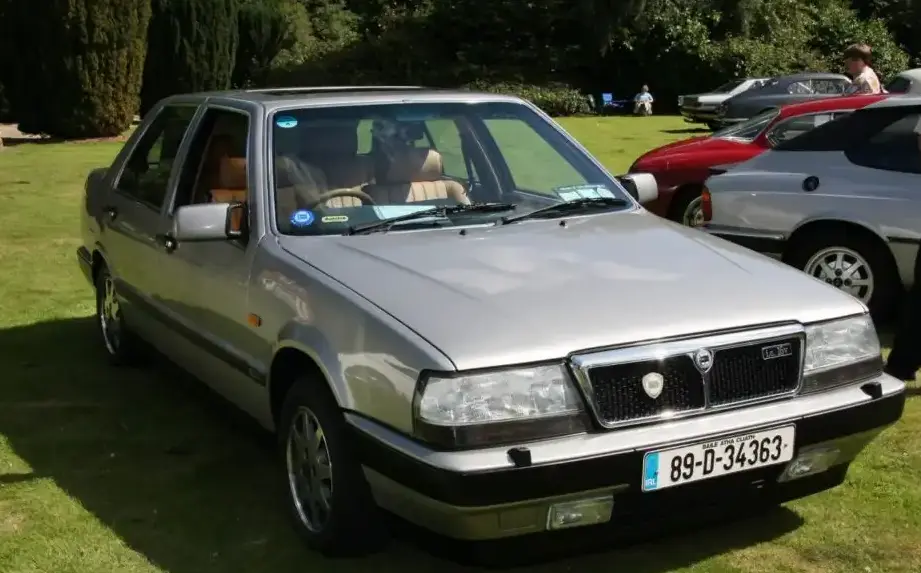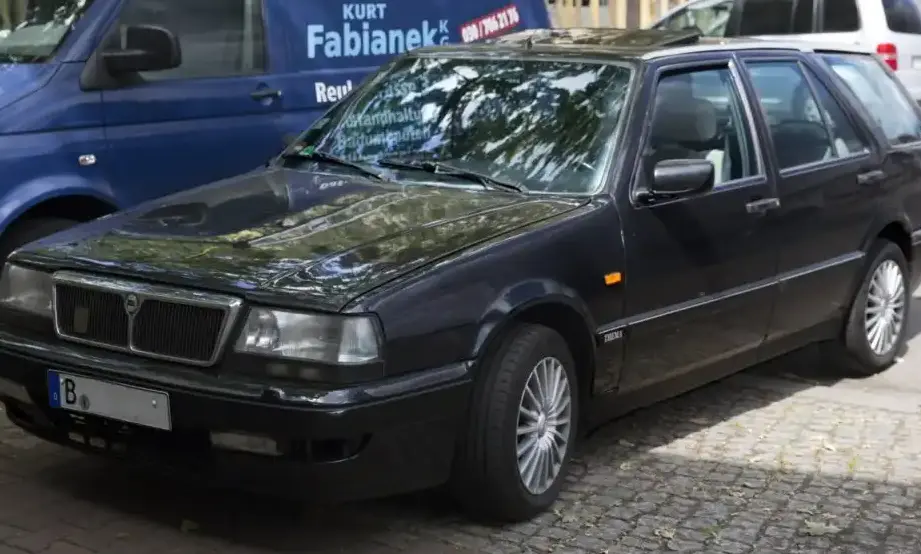
The Lancia Thema Station Wagon (834) 2500 Turbo Diesel, produced between 1990 and 1993, represented a unique offering in the executive station wagon segment. Positioned as a more practical variant of the Thema sedan, it catered to buyers needing space and comfort without sacrificing the prestige associated with the Lancia brand. This particular model, powered by the 8144.97 Y engine, was a relatively late addition to the Thema lineup, arriving as diesel technology improved and demand for fuel-efficient luxury vehicles grew. It was built on the Tipo Four platform, shared with the Fiat Croma, Alfa Romeo 164, and Saab 9000, showcasing a collaborative engineering effort within the Fiat Group.
Technical Specifications
| Brand | Lancia |
| Model | Thema |
| Generation | Thema Station Wagon (834) |
| Type (Engine) | 2500 Turbo Diesel (116 Hp) |
| Start of production | 1990 |
| End of production | 1993 |
| Powertrain Architecture | Internal Combustion engine |
| Body type | Station wagon (estate) |
| Fuel Type | Diesel |
| Power | 116 Hp |
| Engine Model/Code | 8144.97 Y |
| Engine aspiration | Turbocharger |
| Engine oil capacity | 6.4 l (6.76 US qt | 5.63 UK qt) |
| Coolant capacity | 9.6 l (10.14 US qt | 8.45 UK qt) |
Powertrain & Engine Architecture
The heart of the Thema 2500 Turbo Diesel was the 8144.97 Y engine, a 2.5-liter inline-four cylinder diesel. This engine was a product of Fiat’s diesel development program, utilizing direct injection and a turbocharger to boost power output to 116 horsepower. The direct injection system, a key feature for the time, improved combustion efficiency and reduced emissions compared to older indirect injection diesels. The turbocharger, a Garrett unit, provided significant gains in torque and responsiveness. The engine featured a robust cast iron block and aluminum cylinder head, designed for durability. While specific details on the fuel injection pump are scarce, it was a mechanically controlled unit, typical of the era. The engine’s valvetrain employed a single overhead camshaft (SOHC) configuration, simplifying maintenance and reducing weight. The Thema 2500 Turbo Diesel was exclusively offered with a four-speed automatic transmission, a GM-sourced unit known for its smoothness but not its outright performance. This transmission was chosen to provide a comfortable and effortless driving experience, aligning with the luxury positioning of the Thema.
Driving Characteristics
The 116 hp and substantial torque output of the 2.5-liter turbo diesel provided adequate, though not exhilarating, performance for the Thema Station Wagon. Acceleration was respectable, but the automatic transmission’s relatively wide gear ratios meant that the engine often felt strained during quick overtaking maneuvers. The focus was clearly on relaxed cruising and effortless long-distance travel. The turbocharger did provide a noticeable boost in power once spooled up, but there was some degree of turbo lag, common in turbo diesel engines of this period. The automatic transmission shifted smoothly, but lacked the responsiveness of a manual gearbox. Compared to the gasoline-powered Thema variants, the diesel offered significantly better fuel economy, making it a popular choice for high-mileage drivers. However, it lacked the refinement and responsiveness of the more powerful gasoline engines. The diesel Thema was noticeably heavier than its gasoline counterparts, impacting handling and braking performance.
Equipment & Trim Levels
The Thema Station Wagon 2500 Turbo Diesel was generally well-equipped, reflecting its luxury car status. Standard features typically included central locking, electric windows, power steering, and an adjustable steering column. Interior upholstery was typically a high-quality cloth, with leather options available as an extra-cost upgrade. The dashboard layout was similar to that of the Thema sedan, featuring a comprehensive instrument cluster and a user-friendly control layout. Air conditioning was standard equipment. Optional extras included a sunroof, upgraded audio system, and alloy wheels. The trim level was generally consistent across the diesel station wagon range, with limited customization options available. The emphasis was on providing a comfortable and well-appointed interior, rather than offering a wide range of personalization choices.
Chassis & Braking
The Thema Station Wagon utilized a MacPherson strut front suspension and a semi-trailing arm rear suspension. The suspension was tuned for comfort, providing a smooth and compliant ride. Stabilizer bars were fitted to both the front and rear axles to reduce body roll during cornering. Braking was accomplished via disc brakes on the front wheels and drum brakes on the rear wheels. The braking system was adequate for normal driving conditions, but lacked the stopping power of the more advanced braking systems found on some contemporary vehicles. The Thema’s chassis was relatively robust, but the added weight of the diesel engine and automatic transmission placed additional stress on the suspension components. The steering was power-assisted, providing light and effortless steering feel.
Market Reception & Comparison
The Lancia Thema Station Wagon 2500 Turbo Diesel was generally well-received by critics, who praised its spacious interior, comfortable ride, and fuel efficiency. However, some critics noted the engine’s lack of refinement and the automatic transmission’s sluggishness. Compared to other diesel station wagons of the time, such as the Mercedes-Benz 200D Estate and the Volvo 240 Diesel, the Thema offered a more luxurious interior and a more modern design. However, it lacked the reputation for bulletproof reliability of the Mercedes-Benz and Volvo. Fuel economy was competitive, averaging around 30-35 mpg on the highway. Reliability was generally good, but the turbocharger and fuel injection system required regular maintenance. The Thema diesel was positioned as a premium alternative to more mainstream diesel station wagons.
Legacy
The Lancia Thema Station Wagon 2500 Turbo Diesel, while not a high-volume seller, remains a fondly remembered vehicle among enthusiasts. The 8144.97 Y engine proved to be a durable and reliable powerplant, capable of covering high mileages with proper maintenance. Today, well-maintained examples are becoming increasingly rare and sought after by collectors. The Thema diesel represents a unique chapter in Lancia’s history, showcasing the brand’s commitment to innovation and luxury. The combination of a spacious station wagon body style, a fuel-efficient turbo diesel engine, and a comfortable interior makes it a compelling classic car for those seeking a distinctive and practical vehicle. Parts availability can be a challenge, but a dedicated network of Lancia enthusiasts and specialists exists to support owners.