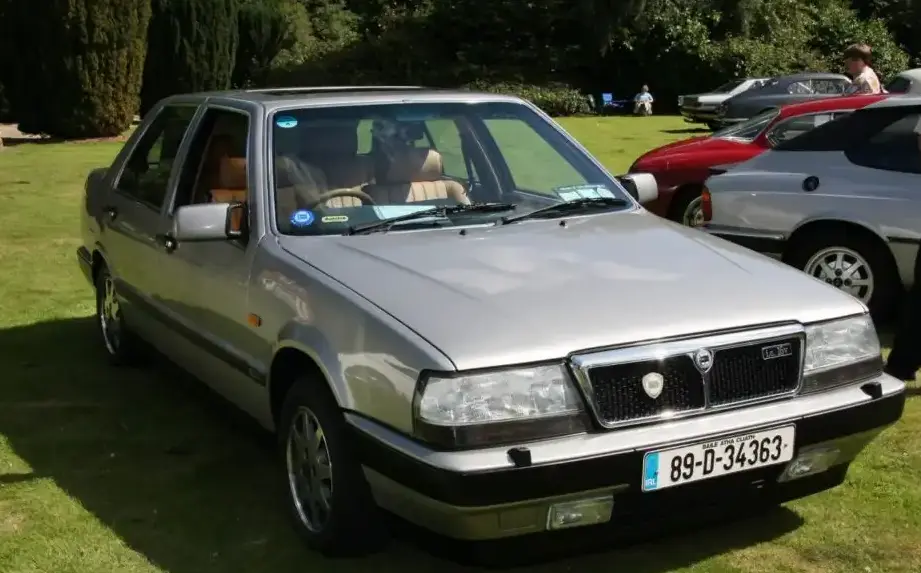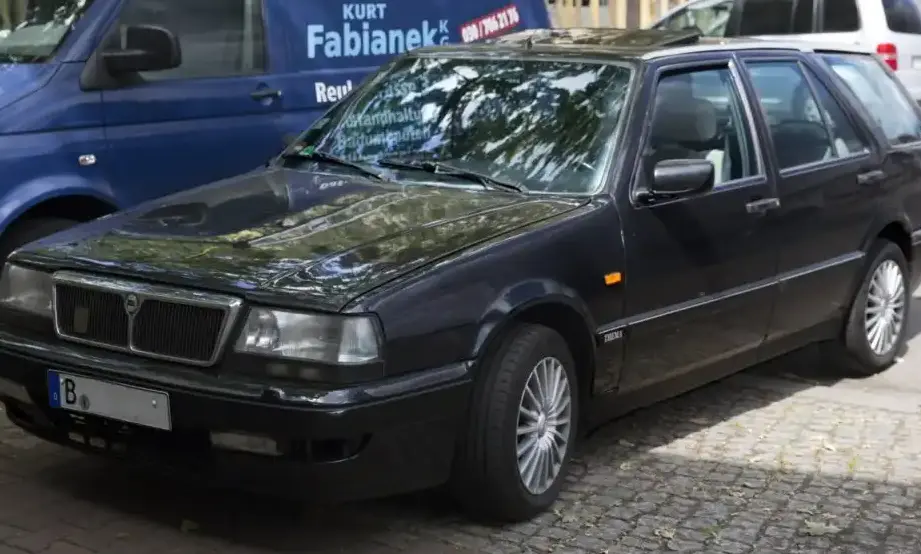
The Lancia Thema Station Wagon (834) 2000 i.e. Turbo, produced between 1989 and 1992, represented a sophisticated offering in the upper-midsize executive wagon segment. Part of the second generation Thema line, the 834 series specifically denotes the station wagon body style. This variant, powered by a turbocharged 2.0-liter inline-four engine, aimed to provide a blend of performance and practicality for discerning European buyers. It sat towards the higher end of the Thema wagon range, offering a more potent alternative to the naturally aspirated engines available.
Technical Specifications
| Brand | Lancia |
| Model | Thema |
| Generation | Thema Station Wagon (834) |
| Type (Engine) | 2000 i.e. Turbo (141 Hp) |
| Start of production | 1989 |
| End of production | 1992 |
| Powertrain Architecture | Internal Combustion engine |
| Body type | Station wagon (estate) |
| Fuel Type | Petrol (Gasoline) |
| Power | 141 Hp |
| Engine Model/Code | 834 B2.246 |
| Engine aspiration | Turbocharger |
| Engine oil capacity | 5.5 l (5.81 US qt | 4.84 UK qt) |
| Coolant capacity | 8.2 l (8.66 US qt | 7.21 UK qt) |
Powertrain & Engine Architecture
The heart of the Thema 2000 i.e. Turbo was the 834 B2.246 engine, a 1995cc inline-four cylinder unit. This engine featured a single overhead camshaft (SOHC) valvetrain with two valves per cylinder. Crucially, it employed a Garrett T25 turbocharger with an intercooler, boosting power output significantly compared to the naturally aspirated versions. Fuel delivery was managed by Bosch Motronic electronic fuel injection, a sophisticated system for its time, optimizing fuel efficiency and performance. The turbocharger provided approximately 8.5 psi of boost. The engine was notable for its relatively smooth operation and willingness to rev, characteristics appreciated in the European market. The engine was paired with a three-speed automatic transmission, a common choice for luxury vehicles of the era, prioritizing comfort over outright performance.
Driving Characteristics
The 2000 i.e. Turbo offered a noticeable step up in performance compared to the base Thema wagons. While not a sports car, the 141 horsepower and 199 lb-ft of torque provided brisk acceleration, especially considering the vehicle’s size and weight. The three-speed automatic transmission, while smooth, wasn’t particularly quick-shifting by modern standards. Gear ratios were geared towards comfortable cruising rather than aggressive acceleration. The turbocharger did introduce a degree of turbo lag, meaning there was a slight delay between pressing the accelerator and feeling the full power delivery. However, once spooled up, the engine provided a strong surge of power. Handling was generally secure, benefiting from the Thema’s well-engineered chassis, but the wagon’s weight and focus on comfort meant it wasn’t as agile as some of its competitors.
Equipment & Trim Levels
The Thema 2000 i.e. Turbo station wagon was positioned as a premium offering. Standard equipment typically included central locking, electric windows, power steering, and an upgraded audio system. Interior upholstery was usually a high-quality cloth or optional leather. Dashboard configuration featured wood trim and a comprehensive instrument cluster. Optional extras could include a sunroof, climate control, and upgraded sound systems. The Thema generally offered a high level of standard equipment, reflecting its status as a luxury vehicle. The station wagon body style itself added to the practicality, offering a generous cargo area and rear seating space.
Chassis & Braking
The Thema utilized an independent suspension setup at all four wheels, featuring MacPherson struts at the front and semi-trailing arms at the rear. This configuration provided a comfortable ride and good handling characteristics. Braking was initially equipped with front ventilated discs and rear drums on some models, though later versions often featured rear disc brakes as standard. Anti-lock braking system (ABS) was available as an option, enhancing safety. Stabilizer bars were fitted to both the front and rear axles, helping to reduce body roll during cornering. The chassis was robustly built, providing a solid foundation for the vehicle’s weight and performance.
Market Reception & Comparison
The Lancia Thema, in general, was well-regarded for its build quality, comfort, and sophisticated engineering. The 2000 i.e. Turbo wagon offered a compelling alternative to other executive wagons like the Volvo 940, Audi 80 Avant, and BMW 5 Series Touring. Critics praised the Thema’s spacious interior, comfortable ride, and the performance offered by the turbocharged engine. However, the Thema’s relatively complex electronics and sometimes questionable reliability were points of concern. Fuel economy, while reasonable for a vehicle of its size and performance, wasn’t exceptional. Compared to the naturally aspirated Thema wagons, the 2000 i.e. Turbo offered a significant performance boost, but at the cost of slightly increased fuel consumption and potentially higher maintenance costs.
Legacy
The Lancia Thema, while not a massive sales success, remains a fondly remembered vehicle among enthusiasts. The 2000 i.e. Turbo variant, in particular, is sought after for its combination of performance and practicality. The 834 B2.246 engine, while capable, can be prone to issues if not properly maintained, particularly related to the turbocharger and fuel injection system. Finding parts can be challenging, as the Thema is now a relatively rare vehicle. However, a dedicated community of owners and enthusiasts exists, providing support and resources for keeping these cars on the road. Today, well-maintained examples of the Thema 2000 i.e. Turbo wagon represent a unique and stylish alternative to more common executive cars of the era, offering a glimpse into a period of Italian automotive engineering and design.