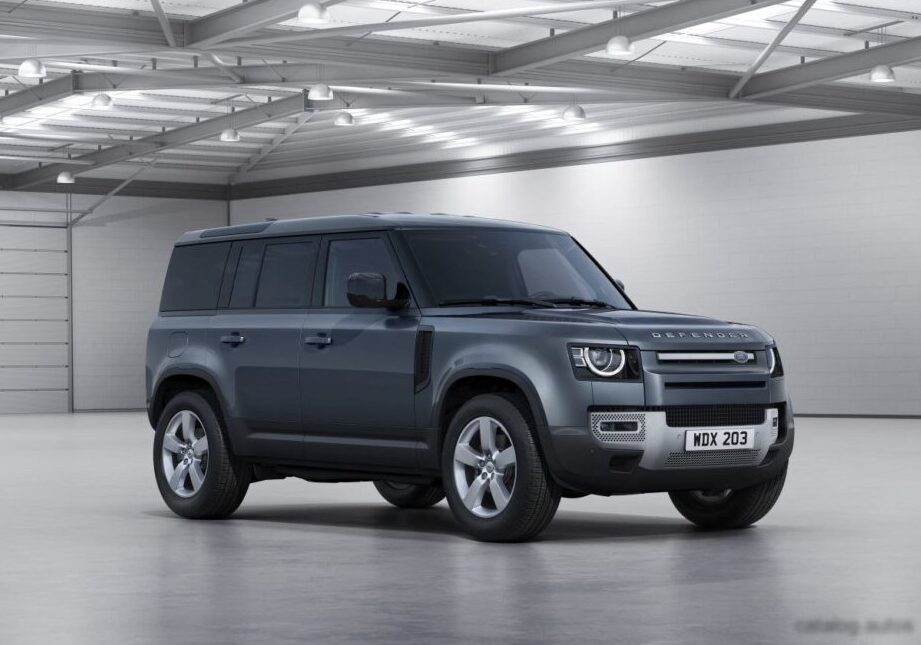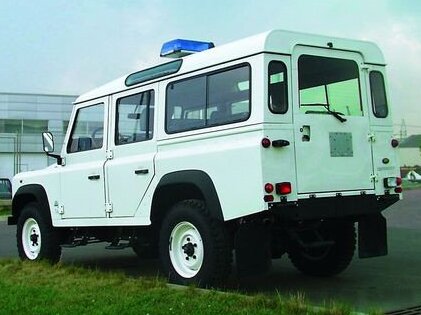
The Land Rover Defender 110, specifically equipped with the 3.5-liter V8 engine producing 136 horsepower, represents a pivotal point in the evolution of this iconic off-road vehicle. Produced from 1983 to 1990, this variant occupied a unique position within the Defender 110 lineup, offering a blend of robust capability and relatively accessible V8 power. It bridged the gap between the earlier, less powerful four-cylinder models and the later, more potent V8 iterations. This version was primarily aimed at buyers who desired the prestige and smooth operation of a V8 without the higher price tag and running costs associated with the more powerful, fuel-injected versions that followed.
Technical Specifications
| Brand | Land Rover |
| Model | Defender |
| Generation | Defender 110 |
| Type (Engine) | 3.5 V8 (136 Hp) |
| Start of Production | 1983 |
| End of Production | 1990 |
| Powertrain Architecture | Internal Combustion Engine |
| Body Type | Off-Road Vehicle |
| Fuel Type | Petrol (Gasoline) |
| Power | 136 Hp |
| Engine Aspiration | Naturally Aspirated |
Powertrain & Engine Architecture
The heart of this Defender 110 variant is the Rover 3.5-liter V8 engine, designated as the 3.5 RV8. This engine, originating from the Buick design of the 1960s and later refined by Rover, is a naturally aspirated, pushrod engine. It features a 90-degree V-angle and utilizes a cast iron block with aluminum cylinder heads. The 136 horsepower output was achieved through a relatively conservative compression ratio and a single Zenith-Stromberg 175CD carburetor. Unlike later V8 Defenders which adopted fuel injection, this model relied on carburetion, contributing to its simpler mechanical layout but also impacting fuel efficiency and emissions. The engine’s torque output, while not officially published in all markets, was approximately 210 lb-ft, providing ample low-end grunt for off-road work.
The transmission paired with the 3.5 V8 was typically a four-speed manual gearbox (LT76) or a three-speed automatic (though the automatic was less common with this engine). The automatic transmission, while offering ease of use, was known to slightly diminish the vehicle’s off-road performance due to its less precise control and torque multiplication. The transfer case was a robust, part-time four-wheel-drive unit with high and low range gearing, essential for tackling challenging terrain. The drivetrain included heavy-duty axles and differentials, designed to withstand the stresses of off-road use.
Driving Characteristics
The 136 hp 3.5 V8 Defender 110 offered a distinct driving experience. While not exceptionally quick, the V8 provided a smooth and refined power delivery compared to the four-cylinder engines. Acceleration was adequate for on-road driving, but the vehicle truly excelled in off-road scenarios. The engine’s torque allowed for confident climbing and traversing of difficult obstacles. The manual transmission provided greater control for experienced off-road drivers, while the automatic offered convenience for less demanding situations. The gear ratios were optimized for low-speed torque, making it ideal for rock crawling and navigating muddy terrain. However, highway cruising at higher speeds could be somewhat labored, requiring the engine to work harder and resulting in increased fuel consumption. Compared to later, fuel-injected V8 Defenders, this carbureted version felt less responsive and required more careful throttle control.
Equipment & Trim Levels
The Defender 110 3.5 V8 (136 hp) typically fell into a mid-range trim level. Standard equipment included basic instrumentation, vinyl or cloth upholstery, and a functional, utilitarian interior. The dashboard was typically constructed from durable plastic, and creature comforts were minimal. However, options were available to enhance the vehicle’s comfort and convenience. These included features like power steering (a desirable option), upgraded seating, a radio, and additional lighting. The exterior trim was generally sparse, with a focus on practicality rather than aesthetics. Roof racks and winches were popular aftermarket additions, further enhancing the vehicle’s off-road capabilities. The 110 designation refers to the wheelbase length, providing ample space for passengers and cargo.
Chassis & Braking
The Defender 110 chassis was a traditional ladder frame construction, renowned for its strength and durability. The suspension consisted of leaf springs at the front and rear, providing a robust and reliable ride, albeit one that could be somewhat firm. The steering was typically a recirculating ball system, offering good feedback but requiring considerable effort, especially at low speeds. Braking systems varied depending on the market and year of production. Earlier models often featured drum brakes on all four wheels, while later models received front disc brakes, improving stopping performance. Stabilizer bars were not typically fitted as standard, reflecting the vehicle’s focus on off-road articulation. The tires were typically heavy-duty, all-terrain tires, designed to provide maximum traction in a variety of conditions.
Market Reception & Comparison
The Defender 110 3.5 V8 (136 hp) was generally well-received by enthusiasts who appreciated its blend of capability and relative affordability. Critics praised the V8 engine’s smoothness and torque, but noted its lower fuel efficiency compared to the four-cylinder models. Compared to the later, fuel-injected V8 Defenders, this version was seen as a more accessible entry point into V8 ownership, but lacked the performance and refinement of its successors. The 1.9 TDI diesel variants, introduced later, offered superior fuel economy and torque, but lacked the V8’s distinctive character. The 2.25-liter petrol four-cylinder models were more affordable but offered significantly less power and refinement.
Legacy
The Land Rover Defender 110 3.5 V8 (136 hp) holds a significant place in the Defender lineage. It represents a transitional phase, bridging the gap between the earlier, simpler Defenders and the later, more sophisticated models. These vehicles are now highly sought after by collectors and enthusiasts, particularly those who appreciate their classic design and robust mechanicals. The 3.5 V8 engine, while not the most powerful or efficient, is relatively simple to maintain and rebuild, making these Defenders a viable option for those who enjoy hands-on mechanical work. The long-term reliability of the powertrain is generally good, provided that regular maintenance is performed. Today, well-maintained examples command a premium in the used car market, reflecting their enduring appeal and iconic status.