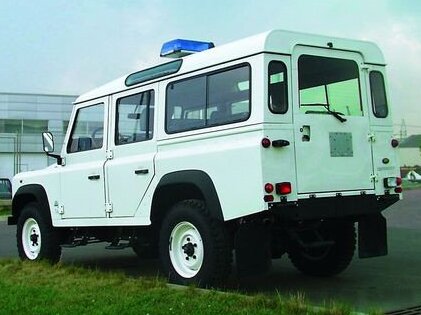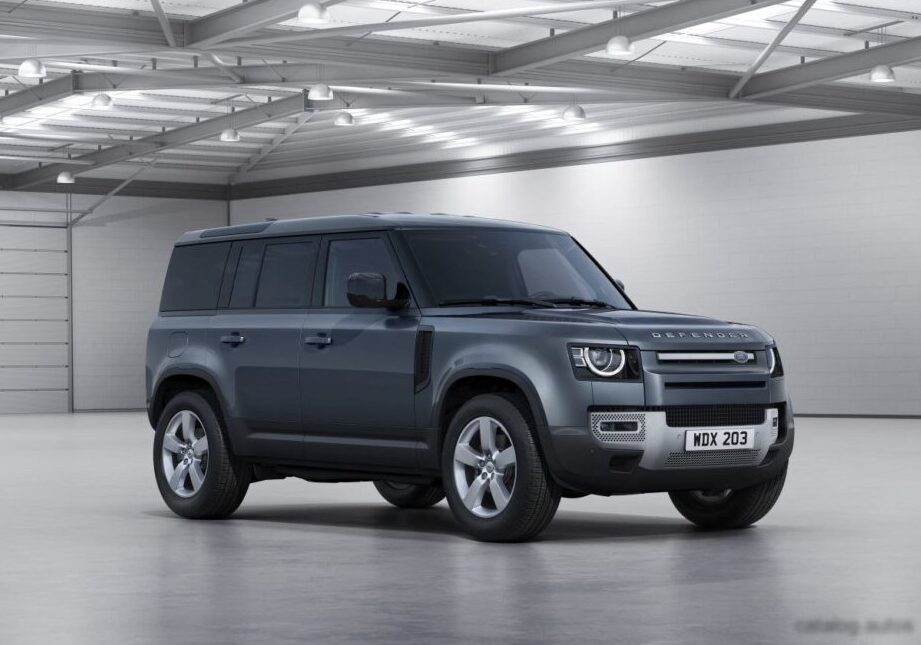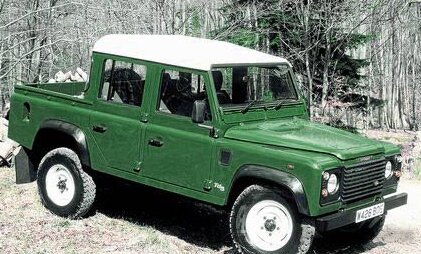
The Land Rover Defender 130 2.5 TD5, produced between 1999 and 2001, represented the longest wheelbase variant of the second-generation Defender (introduced in 1994). Positioned as a utility-focused vehicle, the 130 offered increased cargo capacity and seating options compared to the 90 and 110 models. It was primarily aimed at commercial users, agricultural applications, and those requiring a robust, go-anywhere vehicle with substantial load-carrying capabilities. The “130” designation refers to the approximate wheelbase length in inches. This particular variant, equipped with the 2.5-liter TD5 engine producing 122 horsepower, was a popular choice for those seeking a balance between durability, fuel efficiency, and affordability within the Defender range.
Technical Specifications
| Brand | Land Rover |
| Model | Defender |
| Generation | Defender 130 |
| Type (Engine) | 2.5 TD5 (122 Hp) |
| Start of production | 1999 |
| End of production | 2001 |
| Powertrain Architecture | Internal Combustion engine |
| Body type | Pick-up |
| Seats | 5 |
| Doors | 4 |
| Fuel consumption (combined) | 10.7 l/100 km (22 US mpg, 26.4 UK mpg, 9.3 km/l) |
| Fuel Type | Diesel |
| Acceleration 0 – 100 km/h | 19.5 sec |
| Acceleration 0 – 62 mph | 19.5 sec |
| Acceleration 0 – 60 mph | 18.5 sec |
| Maximum speed | 129 km/h (80.16 mph) |
| Weight-to-power ratio | 17.4 kg/Hp, 57.6 Hp/tonne |
| Weight-to-torque ratio | 7.1 kg/Nm, 141.7 Nm/tonne |
| Power | 122 Hp @ 4200 rpm |
| Power per litre | 48.9 Hp/l |
| Torque | 300 Nm @ 1950 rpm (221.27 lb.-ft. @ 1950 rpm) |
| Engine layout | Front, Longitudinal |
| Engine displacement | 2495 cm3 (152.25 cu. in.) |
| Number of cylinders | 5 |
| Engine configuration | Inline |
| Cylinder Bore | 84.5 mm (3.33 in.) |
| Piston Stroke | 89 mm (3.5 in.) |
| Compression ratio | 19.5:1 |
| Number of valves per cylinder | 2 |
| Fuel injection system | Diesel Commonrail |
| Engine aspiration | Turbocharger |
| Valvetrain | OHC |
| Engine oil capacity | 8.2 l (8.66 US qt | 7.21 UK qt) |
| Coolant | 13 l (13.74 US qt | 11.44 UK qt) |
| Kerb Weight | 2117 kg (4667.19 lbs.) |
| Max. weight | 3500 kg (7716.18 lbs.) |
| Max load | 1383 kg (3048.99 lbs.) |
| Fuel tank capacity | 93 l (24.57 US gal | 20.46 UK gal) |
| Length | 5063 mm (199.33 in.) |
| Width | 1790 mm (70.47 in.) |
| Height | 2035 mm (80.12 in.) |
| Wheelbase | 3226 mm (127.01 in.) |
| Front track | 1511 mm (59.49 in.) |
| Rear track | 1511 mm (59.49 in.) |
| Drive wheel | All wheel drive (4×4) |
| Number of gears and type of gearbox | 5 gears, manual transmission |
| Front suspension | Coil spring |
| Rear suspension | Coil spring |
| Front brakes | Ventilated discs |
| Rear brakes | Disc |
| Assisting systems | ABS (Anti-lock braking system) |
| Power steering | Hydraulic Steering |
Powertrain & Engine Architecture
The heart of the Defender 130 2.5 TD5 was the 2.5-liter five-cylinder diesel engine, designated as the 200Tdi derivative. This engine, introduced in 1998, was a significant upgrade over the older 200Tdi and 300Tdi engines. It featured a direct injection system with an electronic fuel injection pump, improving efficiency and reducing emissions. The TD5 engine produced 122 horsepower at 4200 rpm and 300 Nm (221 lb-ft) of torque at 1950 rpm. The engine’s robust construction and relatively simple design contributed to its renowned reliability. The five-speed manual transmission was the standard offering, providing a suitable gear ratio spread for both on-road and off-road driving. The transmission was known for its durability, though it could feel somewhat notchy compared to more modern gearboxes.
Driving Characteristics
The 130 2.5 TD5, with its longer wheelbase and relatively modest 122 horsepower, wasn’t designed for outright speed. Acceleration was leisurely, taking around 19.5 seconds to reach 62 mph. However, the engine’s strong low-end torque made it capable of tackling challenging terrain and hauling heavy loads. The manual transmission allowed for precise control, particularly useful when navigating difficult off-road conditions. Compared to the more powerful 300Tdi or later TD6 variants, the 2.5 TD5 offered a more economical driving experience, but at the expense of performance. The longer wheelbase of the 130 also affected handling, making it feel less nimble than the shorter 90 and 110 models, especially on paved roads.
Equipment & Trim Levels
The Defender 130 2.5 TD5 was typically equipped with a utilitarian interior focused on practicality rather than luxury. Standard features included vinyl upholstery, rubber floor mats, and a basic dashboard layout. Power steering and ABS were often included, but air conditioning and other comfort features were typically optional extras. Trim levels were relatively limited, with most customization occurring through optional accessories such as roof racks, winches, and upgraded seating. The pick-up body style was common, offering a large cargo bed for hauling goods. Some 130s were also available as station wagons with seating for up to ten passengers, though these were less common.
Chassis & Braking
The Defender 130 retained the traditional body-on-frame construction that characterized the Land Rover Defender lineage. The chassis was exceptionally strong, providing a solid foundation for both on-road and off-road use. Suspension consisted of coil springs all around, offering a comfortable ride despite the vehicle’s rugged nature. Braking was handled by ventilated discs at the front and discs at the rear, with ABS providing enhanced stopping power. The 130’s increased weight compared to the 90 and 110 models necessitated a more robust braking system.
Market Reception & Comparison
The Defender 130 2.5 TD5 was well-received by those needing a capable and durable workhorse vehicle. Critics praised its load-carrying capacity, off-road prowess, and relatively fuel-efficient engine. However, its slow acceleration and somewhat agricultural driving experience were noted. Compared to the higher-powered Defender variants, the 2.5 TD5 offered a more affordable entry point into the Defender range, making it popular with farmers, tradespeople, and those on a budget. Its fuel economy, averaging around 22 mpg, was a significant improvement over the older 300Tdi engine.
Legacy
The Land Rover Defender 130 2.5 TD5 has become a sought-after vehicle among enthusiasts and collectors. The TD5 engine is known for its reliability and relatively straightforward maintenance. While parts availability can be a concern due to the vehicle’s age, a strong aftermarket support network exists. Today, well-maintained examples command a premium price, reflecting the Defender’s enduring appeal and reputation for rugged dependability. The 130’s unique combination of length, capability, and the relatively economical TD5 engine makes it a distinctive and highly valued variant within the Defender family.