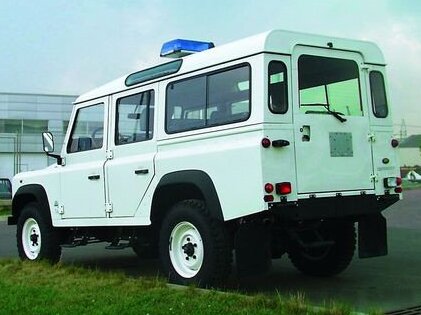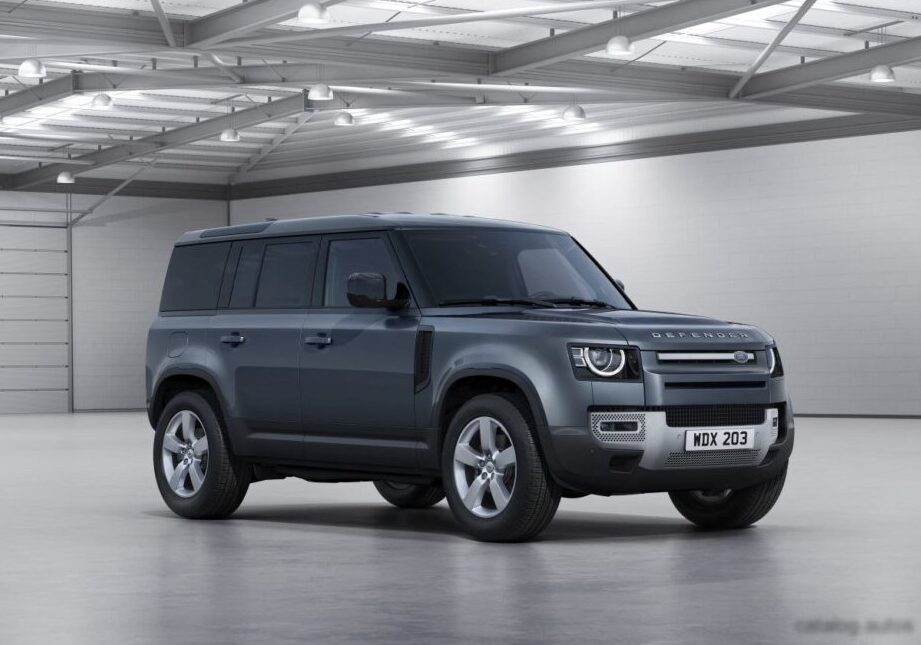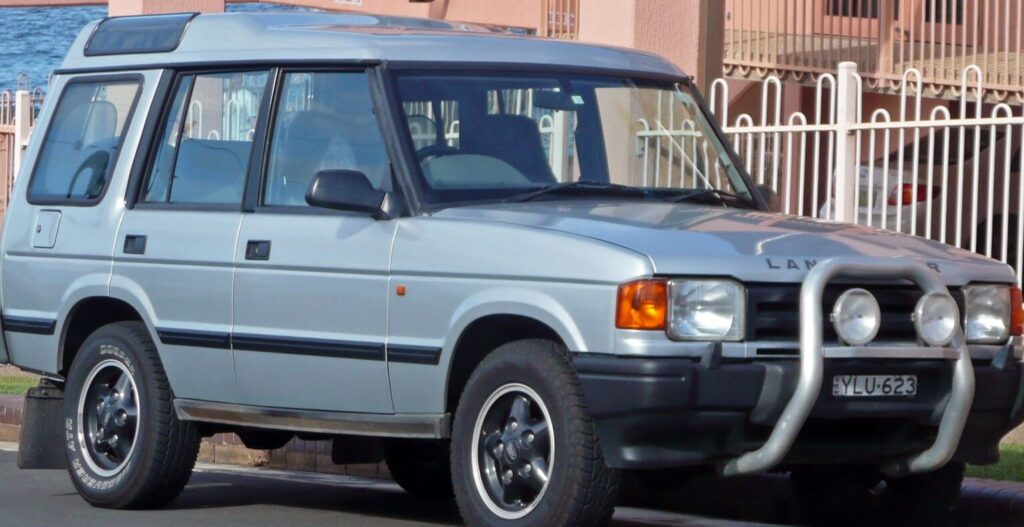
The Land Rover Discovery I 3.5i V8 (3-door), produced from 1989 to 1998, represented a significant expansion of the Land Rover lineup. Positioned as a more affordable and versatile alternative to the Range Rover, the Discovery I aimed to blend off-road capability with family-friendly practicality. The 3.5i V8 3-door model, generating 166 horsepower, was a key variant, particularly in European and select Commonwealth markets. It offered a compelling combination of performance and relative affordability within the Discovery range, appealing to buyers seeking a robust SUV for both on- and off-road adventures. This model was part of the first generation (Series I) of the Discovery, internally designated as the LJ/LT platform.
Technical Specifications
| Brand | Land Rover |
| Model | Discovery |
| Generation | Discovery I |
| Type (Engine) | 3.5 i V8 (3 dr) (166 Hp) |
| Start of production | 1989 |
| End of production | 1998 |
| Powertrain Architecture | Internal Combustion engine |
| Body type | SUV |
| Seats | 5 |
| Doors | 3 |
| Fuel consumption (urban) | 18.6 l/100 km (12.6 US mpg, 15.2 UK mpg, 5.4 km/l) |
| Fuel consumption (extra urban) | 11.7 l/100 km (20.1 US mpg, 24.1 UK mpg, 8.5 km/l) |
| Fuel consumption (combined) | 15.7 l/100 km (15 US mpg, 18 UK mpg, 6.4 km/l) |
| Fuel Type | Petrol (Gasoline) |
| Acceleration 0 – 100 km/h | 12.8 sec |
| Acceleration 0 – 62 mph | 12.8 sec |
| Acceleration 0 – 60 mph | 12.2 sec |
| Maximum speed | 163 km/h (101.28 mph) |
| Weight-to-power ratio | 11.6 kg/Hp, 86.2 Hp/tonne |
| Weight-to-torque ratio | 6.7 kg/Nm, 149.1 Nm/tonne |
| Power | 166 Hp @ 4750 rpm |
| Power per litre | 47 Hp/l |
| Torque | 287 Nm @ 2600 rpm (211.68 lb.-ft. @ 2600 rpm) |
| Engine layout | Front, Longitudinal |
| Engine displacement | 3532 cm3 (215.54 cu. in.) |
| Number of cylinders | 8 |
| Engine configuration | V-engine |
| Cylinder Bore | 88.9 mm (3.5 in.) |
| Piston Stroke | 71.12 mm (2.8 in.) |
| Compression ratio | 8.1:1 |
| Number of valves per cylinder | 2 |
| Fuel injection system | Multi-port manifold injection |
| Engine aspiration | Naturally aspirated engine |
| Engine oil capacity | 5.7 l (6.02 US qt | 5.02 UK qt) |
| Coolant capacity | 11.3 l (11.94 US qt | 9.94 UK qt) |
| Kerb Weight | 1925 kg (4243.9 lbs.) |
| Max. weight | 2720 kg (5996.57 lbs.) |
| Max load | 795 kg (1752.67 lbs.) |
| Trunk (boot) space – minimum | 1290 l (45.56 cu. ft.) |
| Trunk (boot) space – maximum | 1970 l (69.57 cu. ft.) |
| Fuel tank capacity | 82 l (21.66 US gal | 18.04 UK gal) |
| Length | 4520 mm (177.95 in.) |
| Width | 1795 mm (70.67 in.) |
| Height | 1915 mm (75.39 in.) |
| Wheelbase | 2540 mm (100 in.) |
| Front track | 1485 mm (58.46 in.) |
| Rear track | 1485 mm (58.46 in.) |
| Drive wheel | All wheel drive (4×4) |
| Number of gears | 5 gears, manual transmission |
| Front suspension | Rigid axle suspension |
| Rear suspension | Rigid axle suspension |
| Front brakes | Ventilated discs |
| Rear brakes | Disc |
| Assisting systems | ABS (Anti-lock braking system), Hydraulic Steering |
| Tires size | 205/80 R16 |
Powertrain & Engine Architecture
The heart of the Discovery I 3.5i was the Rover V8 engine, specifically the 3.5-liter (3532cc) version. This engine, derived from the Buick-Oldsmobile-Pontiac V8 family, had been heavily modified by Rover over the years. The 166 horsepower output was achieved through a 8.1:1 compression ratio and a multi-port fuel injection system. The engine featured a two-valve per cylinder configuration and a naturally aspirated design. The engine was mounted longitudinally in the front of the vehicle. The 3-door model was typically equipped with a 5-speed manual transmission, although a 4-speed automatic was also available. The automatic transmission, while offering convenience, did impact acceleration and fuel economy compared to the manual.
Driving Characteristics
The 3.5i V8 3-door Discovery offered a distinct driving experience. While not exceptionally quick – 0-60 mph in around 12.2 seconds – the V8 provided ample torque, particularly at lower RPMs, making it capable in off-road situations and when towing. The manual transmission allowed for greater driver control, while the automatic offered smoother shifts but at the expense of responsiveness. The relatively high curb weight of around 1925 kg (4244 lbs) meant that the 166 hp engine had to work to deliver brisk acceleration. Compared to the later 2.5-liter turbodiesel versions, the V8 offered more refined power delivery but significantly lower fuel economy. The 3-door configuration, while more maneuverable than the 5-door, resulted in a smaller cargo area.
Equipment & Trim Levels
The Discovery I 3.5i V8 3-door typically came with a fairly basic level of equipment, reflecting its positioning as a more affordable Land Rover. Standard features included power steering, ABS brakes, and cloth upholstery. Optional extras included air conditioning, a sunroof, and upgraded sound systems. Interior trim was generally functional and durable, prioritizing practicality over luxury. The 3-door model often featured a more utilitarian interior compared to the more upscale Range Rover.
Chassis & Braking
The Discovery I utilized a robust ladder-frame chassis, providing excellent strength and durability for off-road use. Suspension consisted of a rigid axle setup at both the front and rear, offering good articulation and wheel travel. Braking was handled by ventilated discs at the front and discs at the rear. The ABS system enhanced braking performance, particularly on slippery surfaces. The 3-door model’s shorter wheelbase contributed to its improved maneuverability in tight spaces.
Market Reception & Comparison
The Discovery I 3.5i V8 3-door was generally well-received by automotive critics. It was praised for its off-road capability, spacious interior (for its size), and robust construction. However, the V8 engine’s fuel economy was a common criticism. Compared to the 2.0-liter petrol and 2.5-liter diesel versions, the 3.5i V8 offered more power but consumed significantly more fuel. The 3-door configuration appealed to buyers who prioritized maneuverability and a more compact footprint.
Legacy
The Land Rover Discovery I 3.5i V8 3-door has become a popular classic among Land Rover enthusiasts. The Rover V8 engine, while known for its potential maintenance needs, is a relatively simple and robust design. Parts availability is generally good, although some components can be expensive. Today, well-maintained examples command a premium in the used car market. The Discovery I established the Discovery as a capable and versatile SUV, paving the way for subsequent generations. The 3.5i V8 variant, while not the most fuel-efficient, remains a desirable choice for those seeking a classic Land Rover with a distinctive character and proven off-road prowess.