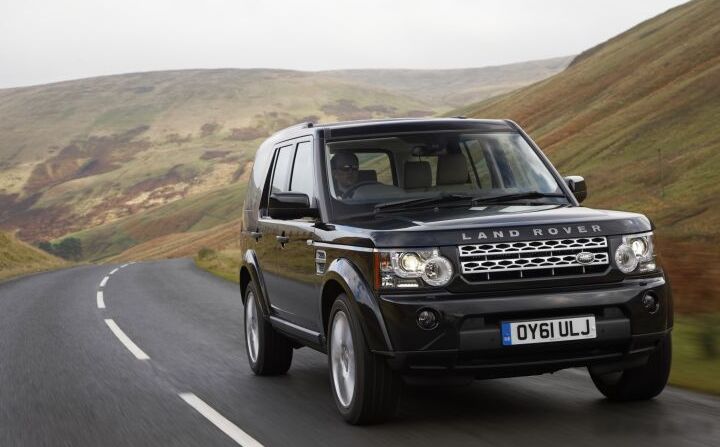
The Land Rover Discovery IV 2.7 LR TD V6, produced from 2009 to 2013, represented a significant evolution in the Discovery lineage. Positioned as a mid-range offering within the fourth-generation (L319) Discovery series, it aimed to balance off-road capability with on-road comfort and practicality. This variant, powered by the 2.7-liter turbodiesel V6 engine producing 190 horsepower, was a popular choice in European and international markets, offering a compelling alternative to petrol-powered options and higher-output diesel trims. It built upon the foundation of the outgoing Discovery 3, addressing some of its criticisms while retaining the core DNA of a versatile family SUV.
Technical Specifications
| Brand | Land Rover |
| Model | Discovery |
| Generation | Discovery IV |
| Type (Engine) | 2.7 LR TD V6 (190 Hp) AWD |
| Start of production | 2009 |
| End of production | 2013 |
| Powertrain Architecture | Internal Combustion engine |
| Body type | SUV |
| Seats | 5-7 |
| Doors | 5 |
| Fuel consumption (combined) | 9.2 l/100 km (25.6 US mpg, 30.7 UK mpg, 10.9 km/l) |
| CO2 emissions | 244 g/km |
| Fuel Type | Diesel |
| Acceleration 0 – 100 km/h | 11.7 sec |
| Acceleration 0 – 62 mph | 11.7 sec |
| Acceleration 0 – 60 mph | 11.1 sec |
| Maximum speed | 180 km/h (111.85 mph) |
| Power | 190 Hp @ 4000 rpm |
| Power per litre | 69.9 Hp/l |
| Torque | 440 Nm @ 1900 rpm (324.53 lb.-ft. @ 1900 rpm) |
| Engine layout | Front, Longitudinal |
| Engine Model/Code | 276DT |
| Engine displacement | 2720 cm3 (165.98 cu. in.) |
| Number of cylinders | 6 |
| Engine configuration | V-engine |
| Cylinder Bore | 81 mm (3.19 in.) |
| Piston Stroke | 88 mm (3.46 in.) |
| Compression ratio | 18:1 |
| Number of valves per cylinder | 4 |
| Fuel injection system | Diesel Commonrail |
| Engine aspiration | Turbocharger, Intercooler |
| Engine oil capacity | 5.45 l (5.76 US qt | 4.8 UK qt) |
| Coolant | 16.7 l (17.65 US qt | 14.69 UK qt) |
| Fuel tank capacity | 82.3 l (21.74 US gal | 18.1 UK gal) |
| Length | 4829 mm (190.12 in.) |
| Width with mirrors folded | 2022 mm (79.61 in.) |
| Width including mirrors | 2176 mm (85.67 in.) |
| Height | 1887 mm (74.29 in.) |
| Wheelbase | 2885 mm (113.58 in.) |
| Front track | 1605 mm (63.19 in.) |
| Rear track | 1613 mm (63.5 in.) |
| Drive wheel | All wheel drive (4×4) |
| Number of gears and type of gearbox | 6 gears, manual transmission |
| Front suspension | Double wishbone |
| Rear suspension | Double wishbone |
| Front brakes | Ventilated discs |
| Rear brakes | Ventilated discs |
| Assisting systems | ABS (Anti-lock braking system) |
| Steering type | Steering rack and pinion |
| Power steering | Electric Steering |
Powertrain & Engine Architecture
The heart of the Discovery IV 2.7 LR TD V6 is the 276DT engine, a 2.7-liter V6 diesel. This engine, developed in collaboration with PSA Peugeot Citroën, utilizes a common rail direct injection system, delivering fuel at extremely high pressure for optimized combustion. A variable geometry turbocharger (VGT) and intercooler work together to enhance power and torque across a broad RPM range. The engine features four valves per cylinder and a robust cast iron block, contributing to its durability. The 190 horsepower version of this engine was tuned for a balance of fuel efficiency and usable power. The six-speed manual transmission was standard, providing drivers with precise control over gear selection. While a six-speed automatic transmission was available as an option, the manual was favored by those prioritizing fuel economy and a more engaging driving experience.
Driving Characteristics
The 2.7 LR TD V6 with the manual transmission offered a respectable, if not exhilarating, driving experience. The 440 Nm (324.53 lb.-ft) of torque, available from a low 1900 rpm, provided ample pulling power for towing and off-road excursions. Acceleration to 60 mph took around 11.1 seconds, making it competitive with other mid-size SUVs of the era. The manual gearbox, while offering greater control, had a relatively long throw. Compared to the more powerful 3.0-liter SDV6 variants, the 2.7 felt less urgent in its acceleration, but it compensated with improved fuel economy. The gear ratios were well-chosen for both on-road cruising and low-speed off-road maneuvering.
Equipment & Trim Levels
The 2.7 LR TD V6 typically came equipped with a solid base level of features. Standard equipment included climate control, electric windows, a CD/radio system, and alloy wheels. Higher trim levels, such as the HSE, added luxuries like leather upholstery, heated seats, a sunroof, and upgraded audio systems. Optional extras included satellite navigation, rear parking sensors, and a premium sound system. Interior upholstery was typically cloth on the base models, with leather available as an upgrade. The dashboard layout was functional and well-designed, with a focus on usability.
Chassis & Braking
The Discovery IV utilized a robust body-on-frame construction, providing excellent strength and off-road capability. The suspension system consisted of double wishbones at both the front and rear, offering a comfortable ride both on and off the pavement. Ventilated disc brakes were fitted to all four wheels, providing ample stopping power. Anti-lock Braking System (ABS) was standard. The 2.7 TD V6 models generally featured slightly softer suspension settings compared to the higher-powered variants, prioritizing ride comfort over ultimate handling performance.
Market Reception & Comparison
The Discovery IV 2.7 LR TD V6 was generally well-received by automotive critics. It was praised for its spacious interior, comfortable ride, and impressive off-road capabilities. However, some reviewers noted that the 2.7-liter engine felt underpowered compared to the more expensive 3.0-liter SDV6 models. Fuel economy was a strong point, averaging around 25.6 US mpg in combined driving. Compared to competitors like the BMW X5 and Audi Q7, the Discovery offered a more rugged and utilitarian character, appealing to buyers who prioritized practicality and off-road performance over outright luxury.
Legacy
The 2.7 LR TD V6 engine, while not without its quirks, proved to be a relatively reliable powertrain when properly maintained. Common issues included turbocharger failures and injector problems, but these were often addressed with preventative maintenance. Today, the Discovery IV 2.7 TD V6 represents a relatively affordable entry point into Land Rover ownership. Well-maintained examples are still sought after by enthusiasts who appreciate the vehicle’s blend of capability, comfort, and practicality. Its robust construction and readily available parts supply ensure that it will continue to be a viable option for years to come. The 2.7 TD V6 variant remains a popular choice for those seeking a capable and versatile SUV without the higher price tag of the more powerful models.