
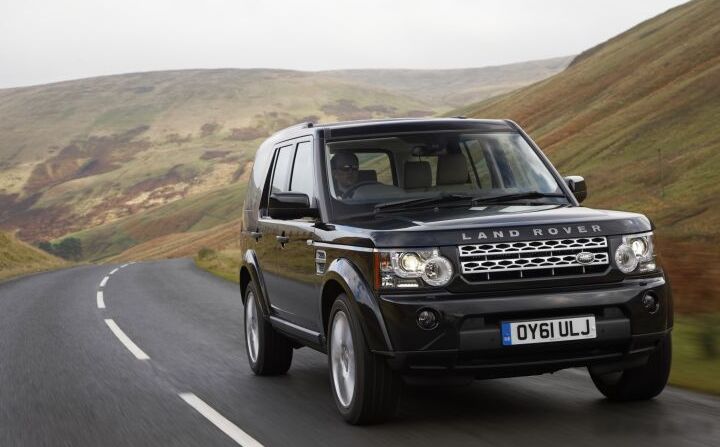
The Land Rover Discovery IV 2.7 LR TD V6 (190 hp) AWD Automatic, produced between 2009 and 2013, represents a significant iteration in the fourth generation of Land Rover’s popular SUV. Positioned as a mid-range offering within the Discovery IV lineup, this variant balanced fuel efficiency with respectable performance and Land Rover’s renowned off-road capability. It was a key model for the European and increasingly, North American markets, appealing to buyers seeking a versatile vehicle suitable for both daily driving and adventurous excursions. The Discovery IV, internally designated as the L319, built upon the success of its predecessors, offering improved refinement, technology, and a more contemporary design.
Technical Specifications
| Brand | Land Rover |
| Model | Discovery |
| Generation | Discovery IV |
| Type (Engine) | 2.7 LR TD V6 (190 Hp) AWD Automatic |
| Start of production | 2009 |
| End of production | 2013 |
| Powertrain Architecture | Internal Combustion engine |
| Body type | SUV |
| Seats | 5-7 |
| Doors | 5 |
| Fuel consumption (combined) | 10.2 l/100 km |
| Fuel consumption (US mpg) | 23.1 US mpg |
| Fuel consumption (UK mpg) | 27.7 UK mpg |
| Fuel consumption (km/l) | 9.8 km/l |
| CO2 emissions | 270 g/km |
| Fuel Type | Diesel |
| Acceleration 0 – 100 km/h | 12.7 sec |
| Acceleration 0 – 62 mph | 12.7 sec |
| Acceleration 0 – 60 mph | 12.1 sec |
| Maximum speed | 180 km/h (111.85 mph) |
| Power | 190 Hp @ 4000 rpm |
| Power per litre | 69.9 Hp/l |
| Torque | 440 Nm @ 1900 rpm (324.53 lb.-ft. @ 1900 rpm) |
| Engine layout | Front, Longitudinal |
| Engine Model/Code | 276DT |
| Engine displacement | 2720 cm3 (165.98 cu. in.) |
| Number of cylinders | 6 |
| Engine configuration | V-engine |
| Cylinder Bore | 81 mm (3.19 in.) |
| Piston Stroke | 88 mm (3.46 in.) |
| Compression ratio | 18:1 |
| Number of valves per cylinder | 4 |
| Fuel injection system | Diesel Commonrail |
| Engine aspiration | Turbocharger, Intercooler |
| Engine oil capacity | 5.45 l (5.76 US qt | 4.8 UK qt) |
| Coolant capacity | 16.7 l (17.65 US qt | 14.69 UK qt) |
| Fuel tank capacity | 82.3 l (21.74 US gal | 18.1 UK gal) |
| Length | 4829 mm (190.12 in.) |
| Width with mirrors folded | 2022 mm (79.61 in.) |
| Width including mirrors | 2176 mm (85.67 in.) |
| Height | 1887 mm (74.29 in.) |
| Wheelbase | 2885 mm (113.58 in.) |
| Front track | 1605 mm (63.19 in.) |
| Rear track | 1613 mm (63.5 in.) |
| Drive wheel | All wheel drive (4×4) |
| Number of gears | 6 |
| Gearbox type | Automatic transmission |
| Front suspension | Double wishbone |
| Rear suspension | Double wishbone |
| Front brakes | Ventilated discs |
| Rear brakes | Ventilated discs |
| Assisting systems | ABS (Anti-lock braking system) |
| Steering type | Steering rack and pinion |
| Power steering | Electric |
Powertrain & Engine Architecture
The heart of the Discovery IV 2.7 LR TD V6 was the 276DT engine, a 2.7-liter V6 turbodiesel. This engine, developed in collaboration with PSA Peugeot Citroën, utilized a common rail direct injection system, delivering fuel at extremely high pressure for optimized combustion. The engine featured a single variable geometry turbocharger (VGT) and an intercooler to enhance power and efficiency. The 276DT engine produced 190 horsepower at 4000 rpm and a substantial 440 Nm (324.53 lb.-ft.) of torque at a low 1900 rpm. This torque output was particularly beneficial for off-road driving and towing. The engine’s block was constructed from cast iron for durability, while the cylinder heads were aluminum alloy. Paired with the engine was a six-speed automatic transmission, providing smooth gear changes and contributing to the vehicle’s overall refinement. This transmission was known for its responsiveness and ability to handle the engine’s torque effectively.
Driving Characteristics
The 2.7-liter V6 with the automatic transmission offered a comfortable and capable driving experience. While not as overtly sporty as some of its competitors, the Discovery IV provided ample power for everyday driving and highway cruising. Acceleration from 0-60 mph took around 12.1 seconds, and the vehicle had a top speed of 111.85 mph. The automatic transmission’s gear ratios were tuned for a balance of fuel economy and performance. Compared to the higher-output 3.0-liter SDV6 variants, the 2.7 TDV6 felt less urgent in its acceleration, but it offered a more relaxed driving experience. The automatic transmission, while smooth, could sometimes feel hesitant during quick downshifts. However, the engine’s strong low-end torque made it well-suited for off-road conditions, providing excellent control and traction.
Equipment & Trim Levels
The 2.7 LR TD V6 Automatic typically came equipped with a generous level of standard features. These included climate control, leather upholstery, alloy wheels, a CD/radio system with auxiliary input, and electric windows and mirrors. Higher trim levels, such as the HSE, added features like heated seats, a sunroof, upgraded audio systems, and parking sensors. Optional extras included satellite navigation, rear seat entertainment, and various off-road packages. The interior design was functional and well-built, reflecting Land Rover’s commitment to quality and durability. The Discovery IV offered seating for up to seven passengers, with a flexible seating configuration that allowed for increased cargo space when needed.
Chassis & Braking
The Discovery IV featured a robust chassis and suspension system designed to handle both on-road and off-road conditions. The suspension utilized a double wishbone setup at both the front and rear, providing a comfortable ride and good handling characteristics. The vehicle was equipped with ventilated disc brakes on all four wheels, providing ample stopping power. An Anti-lock Braking System (ABS) was standard, enhancing safety and control during emergency braking. The Discovery IV’s Terrain Response system, a hallmark of Land Rover vehicles, allowed the driver to select different driving modes optimized for various surfaces, such as grass, gravel, snow, mud, and sand. This system adjusted the vehicle’s electronic systems, including traction control and stability control, to maximize performance and control in challenging conditions.
Market Reception & Comparison
The Land Rover Discovery IV 2.7 LR TD V6 Automatic was generally well-received by automotive critics. It was praised for its versatility, comfortable ride, and off-road capability. However, some critics noted that the 2.7-liter engine could feel underpowered compared to the more powerful engine options. Fuel economy was considered reasonable for a vehicle of its size and capability, averaging around 23.1 US mpg. Compared to the 3.0-liter SDV6 variants, the 2.7 TDV6 offered a lower purchase price and potentially lower running costs, but at the expense of performance. The 2.7 TDV6 was often seen as a good choice for buyers who prioritized fuel efficiency and off-road capability over outright speed.
Legacy
The 276DT engine, while generally reliable, has been known to exhibit some common issues, including potential problems with the turbocharger and fuel injectors. Regular maintenance and timely servicing are crucial to ensure the longevity of this powertrain. In the used car market, the Discovery IV 2.7 LR TD V6 Automatic remains a popular choice for buyers seeking a capable and versatile SUV. Its relatively affordable price point and proven reliability make it an attractive option. However, potential buyers should be aware of the potential maintenance costs associated with a vehicle of this age and complexity. The Discovery IV, and specifically this 2.7-liter variant, cemented Land Rover’s reputation for building rugged, capable, and comfortable SUVs that can handle a wide range of driving conditions.


