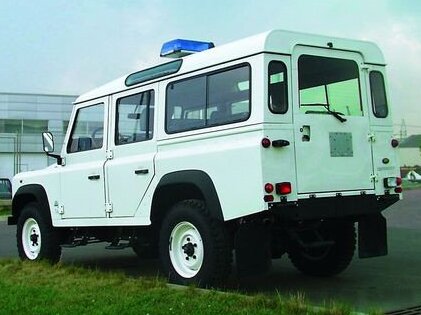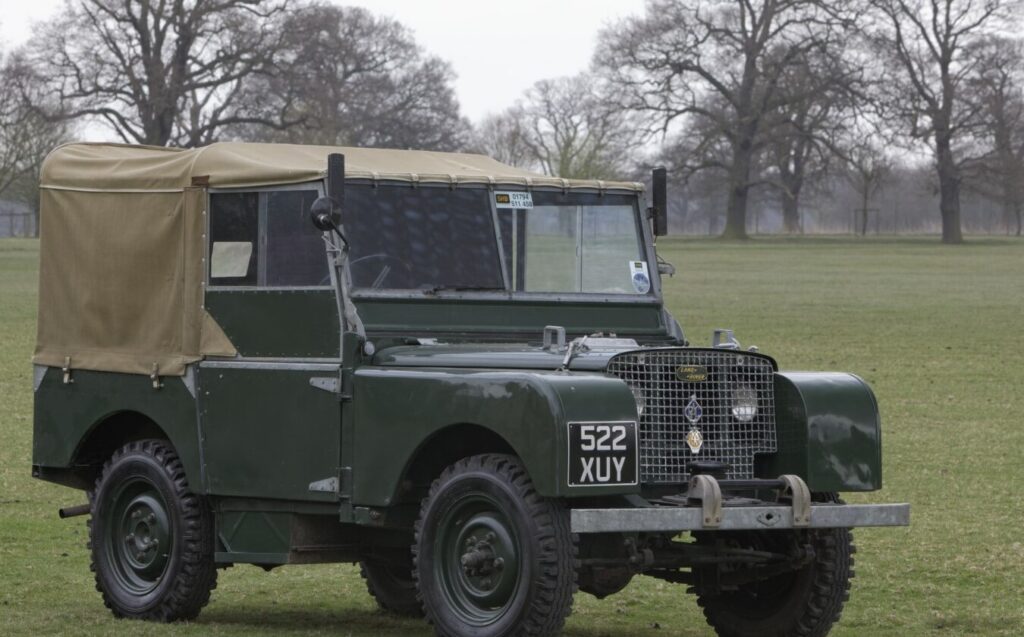
The Land Rover Series I 2.0, producing 52 horsepower, represents an early and pivotal iteration of the iconic British off-road vehicle. Produced between 1951 and 1953, this variant was crucial in establishing the Series I as a versatile and capable workhorse, particularly in agricultural and utility roles. It occupied the entry-level position within the Series I range, offering a more affordable option compared to the petrol-fueled 1.6-liter and later diesel-powered models. The 2.0-liter engine provided a noticeable step up in torque, making it suitable for tasks requiring more pulling power, while remaining relatively simple and robust in its construction.
Technical Specifications
| Brand | Land Rover |
| Model | Series I |
| Generation | Series I |
| Type (Engine) | 2.0 (52 Hp) |
| Start of production | 1951 |
| End of production | 1953 |
| Powertrain Architecture | Internal Combustion engine |
| Body type | Off-road vehicle |
| Fuel Type | Petrol (Gasoline) |
| Power | 52 Hp @ 4000 rpm |
| Power per litre | 26 Hp/l |
| Torque | 140 Nm / 103.26 lb.-ft. |
| Engine layout | Front, Longitudinal |
| Engine displacement | 1997 cm3 / 121.86 cu. in. |
| Number of cylinders | 4 |
| Engine configuration | Inline |
| Cylinder Bore | 77.8 mm / 3.06 in. |
| Piston Stroke | 105 mm / 4.13 in. |
| Compression ratio | 6.8:1 |
| Fuel injection system | Carburettor |
| Engine aspiration | Naturally aspirated engine |
Powertrain & Engine Architecture
The heart of the Series I 2.0 was a 1,997cc (121.86 cubic inch) inline-four cylinder petrol engine. This engine, while sharing a basic architecture with the earlier 1.6-liter unit, featured a larger bore and stroke (77.8mm x 105mm) to increase displacement and, consequently, torque. The engine utilized a relatively low 6.8:1 compression ratio, a common characteristic of engines designed to run on the lower octane fuels prevalent at the time. Fuel delivery was managed by a single carburetor, typically a Solex or Zenith model, providing a simple and reliable fueling system. The engine featured a traditional overhead valve (OHV) valvetrain, with a single camshaft operating the valves via pushrods and rocker arms. The engine was mounted longitudinally in the chassis, driving power to all four wheels through a four-speed gearbox and a two-speed transfer case, providing both high and low range gearing for optimal off-road performance.
Driving Characteristics
The 2.0-liter engine in the Series I offered a noticeable improvement in performance over the 1.6-liter version, particularly in terms of low-end torque. While 52 horsepower doesn’t sound substantial by modern standards, it was adequate for the vehicle’s intended purpose. The four-speed gearbox, while not particularly refined, provided a reasonable spread of ratios. The low-range transfer case was essential for tackling challenging terrain, allowing for slow, controlled ascents and descents. Compared to later, more powerful Series I variants, the 2.0-liter felt less strained when carrying heavy loads or traversing difficult obstacles. However, it lacked the outright speed and responsiveness of the higher-output engines. The driving experience was characterized by its simplicity and robustness, requiring a deliberate and considered approach to operation. The vehicle’s relatively high center of gravity and leaf-sprung suspension contributed to a somewhat bumpy ride on paved roads, but these characteristics were largely irrelevant given its primary role as an off-road utility vehicle.
Equipment & Trim Levels
The Series I 2.0 was typically offered in a fairly basic trim level, reflecting its position as the entry-level model. Standard features included a simple steel dashboard, basic instrumentation (speedometer, fuel gauge, and temperature gauge), and utilitarian seating, often covered in durable vinyl or canvas. Doors were typically equipped with simple latch mechanisms and minimal weather sealing. Optional extras included a heater, a winch, and various accessories for agricultural or commercial use. The bodywork was typically finished in a single color, with green and grey being common choices. The emphasis was on functionality and durability rather than luxury or comfort.
Chassis & Braking
The Series I chassis was a robust ladder frame construction, providing a solid foundation for the vehicle’s off-road capabilities. Suspension consisted of leaf springs at all four corners, offering a simple and durable, albeit somewhat harsh, ride. The 2.0-liter variant typically featured drum brakes on all four wheels, providing adequate stopping power for its weight and intended use. Steering was a traditional steering box system, requiring a significant amount of effort, particularly at low speeds. The vehicle’s ground clearance was substantial, allowing it to navigate rough terrain with ease. The wheelbase varied depending on the body style (80-inch, 88-inch, or 109-inch), influencing the vehicle’s maneuverability and load-carrying capacity.
Market Reception & Comparison
The Land Rover Series I 2.0 was well-received in its target markets, particularly in the United Kingdom, Australia, and other Commonwealth countries. It was praised for its ruggedness, reliability, and versatility. Critics noted the engine’s improved torque compared to the 1.6-liter model, making it more suitable for demanding tasks. Fuel economy, while not a primary concern for most buyers, was reasonable for the time. Compared to the later 2.0-liter petrol and diesel variants, the 52hp version offered a more affordable entry point into Land Rover ownership. However, it lacked the refinement and performance of the more powerful models. The 2.0-liter was often seen as a good compromise between price and capability, making it a popular choice for farmers, landowners, and utility companies.
Legacy
The Land Rover Series I 2.0 holds a significant place in automotive history as a foundational model for the iconic Land Rover brand. Its simple, robust design and exceptional off-road capabilities established the Series I as a benchmark for all-terrain vehicles. While not as highly sought after as some of the later, more powerful Series I variants, the 2.0-liter remains a popular choice among enthusiasts and collectors. The engine itself, while relatively simple, proved to be remarkably durable, and many examples are still in operation today. In the used car market, well-maintained Series I 2.0 models command reasonable prices, reflecting their historical significance and enduring appeal. The Series I 2.0 laid the groundwork for the generations of Land Rovers that followed, cementing its legacy as a true automotive icon.