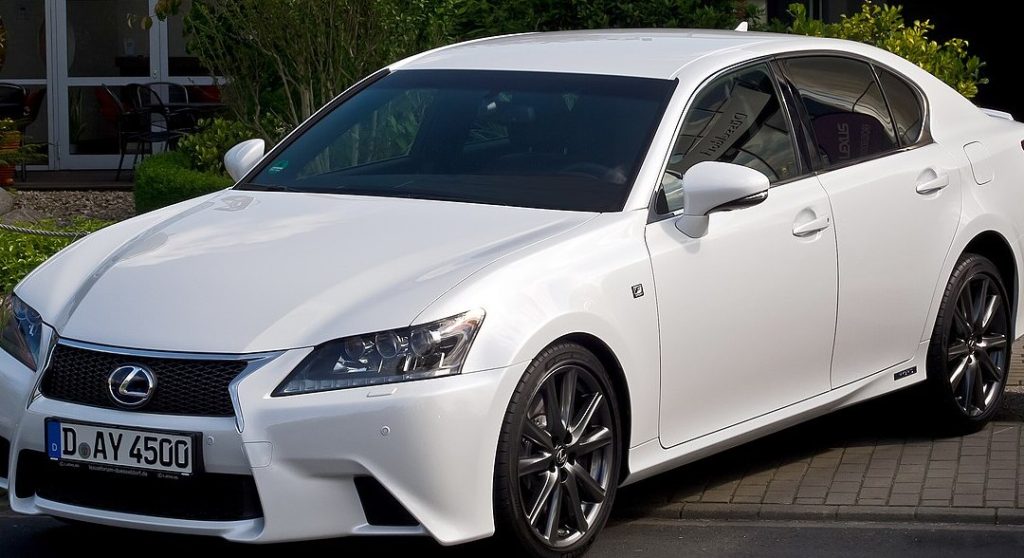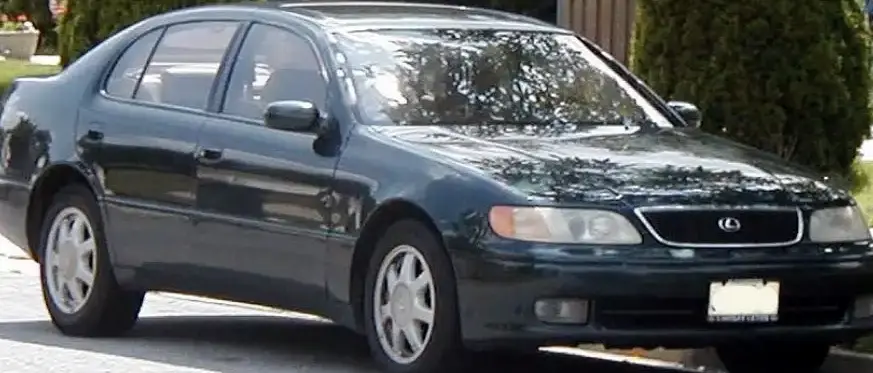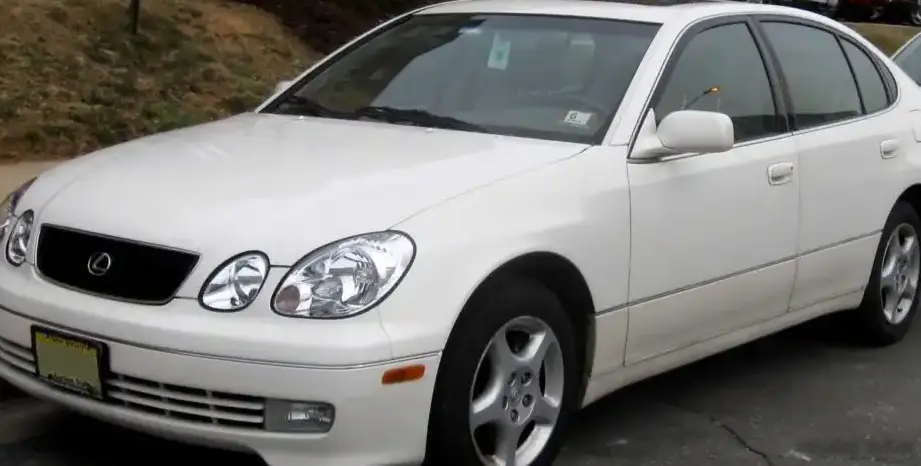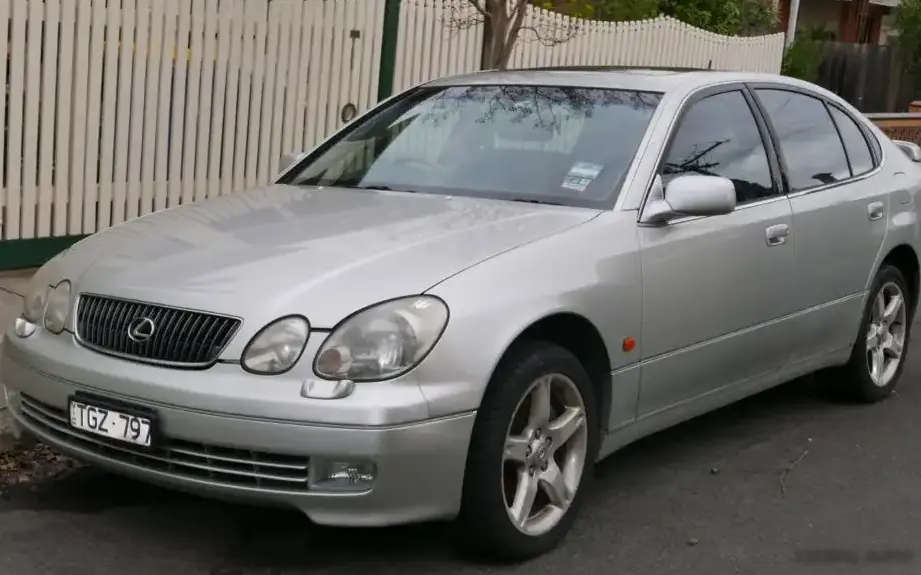
The Lexus GS 450h, produced between 2012 and 2015, represents the fourth generation (GS IV) of Lexus’s mid-size luxury sedan. This variant, equipped with a 3.5-liter V6 hybrid powertrain and an electronically controlled continuously variable transmission (e-CVT), was positioned as the flagship of the GS lineup, offering a blend of performance, luxury, and fuel efficiency. It was a key model in Lexus’s strategy to expand its hybrid offerings and compete with European luxury brands in the growing hybrid market. The GS IV platform (also underpinning the Toyota Crown) aimed to deliver a more engaging driving experience than its predecessor while maintaining Lexus’s reputation for refinement and reliability.
Technical Specifications
| Brand | Lexus |
| Model | GS |
| Generation | GS IV |
| Type (Engine) | 450h (345 Hp) Hybrid e-CVT |
| Start of production | 2012 |
| End of production | 2015 |
| Powertrain Architecture | FHEV (Full Hybrid Electric Vehicle) |
| Body type | Sedan |
| Seats | 5 |
| Doors | 4 |
| Fuel consumption (urban) | 6.5 – 6.9 l/100 km (36.2 – 34.1 US mpg) |
| Fuel consumption (extra urban) | 5.4 – 5.8 l/100 km (43.6 – 40.6 US mpg) |
| Fuel consumption (combined) | 5.9 – 6.2 l/100 km (39.9 – 37.9 US mpg) |
| CO2 emissions | 137 – 145 g/km |
| Fuel Type | Petrol (Gasoline) |
| Acceleration 0 – 100 km/h | 5.9 sec |
| Acceleration 0 – 62 mph | 5.9 sec |
| Acceleration 0 – 60 mph | 5.6 sec |
| Maximum speed | 250 km/h (155.34 mph) |
| Emission standard | Euro 5 |
| Weight-to-power ratio | 5.3 kg/Hp |
| Weight-to-torque ratio | 5.2 kg/Nm |
| Battery voltage | 288 V |
| Battery technology | Nickel-metal hydride (NiMH) |
| Battery location | Behind the back wall of the passenger cabin |
| Electric motor power | 200 Hp |
| Electric motor Torque | 275 Nm (202.83 lb.-ft.) |
| Electric motor location | Integrated into the transmission |
| Electric motor type | Synchronous |
| System power | 345 Hp @ 6000 rpm |
| Internal combustion engine power | 292 Hp @ 6000 rpm |
| Power per litre | 84.5 Hp/l |
| Engine Torque | 352 Nm @ 4500 rpm (259.62 lb.-ft. @ 4500 rpm) |
| Engine layout | Front, Longitudinal |
| Engine Model/Code | 2GR-FXE |
| Engine displacement | 3456 cm3 (210.9 cu. in.) |
| Number of cylinders | 6 |
| Engine configuration | V-engine |
| Cylinder Bore | 94 mm (3.7 in.) |
| Piston Stroke | 83 mm (3.27 in.) |
| Compression ratio | 13:1 |
| Number of valves per cylinder | 4 |
| Fuel injection system | Direct injection |
| Valvetrain | DOHC, dual VVT-i |
| Engine oil capacity | 6.3 l (6.66 US qt | 5.54 UK qt) |
| Coolant capacity | 9.4 l (9.93 US qt | 8.27 UK qt) |
| Kerb Weight | 1820-1860 kg (4012.41 – 4100.6 lbs.) |
| Max. weight | 2305-2335 kg (5081.66 – 5147.79 lbs.) |
| Max load | 475-485 kg (1047.2 – 1069.24 lbs.) |
| Trunk (boot) space | 405 l (14.3 cu. ft.) |
| Fuel tank capacity | 66 l (17.44 US gal | 14.52 UK gal) |
| Length | 4850 mm (190.94 in.) |
| Width | 1840 mm (72.44 in.) |
| Height | 1455 mm (57.28 in.) |
| Wheelbase | 2850 mm (112.2 in.) |
| Front track | 1575 mm (62.01 in.) |
| Rear track | 1590 mm (62.6 in.) |
| Front overhang | 870 mm (34.25 in.) |
| Rear overhang | 1130 mm (44.49 in.) |
| Drag coefficient (Cd) | 0.26 |
| Minimum turning circle | 10.6 m (34.78 ft.) |
| Drivetrain Architecture | Rear wheel drive. FHEV. ICE and electric motor drive rear wheels. |
| Drive wheel | Rear wheel drive |
| Number of gears | automatic transmission e-CVT |
| Front suspension | Double wishbone |
| Rear suspension | Independent multi-link suspension |
| Front brakes | Ventilated discs, 334 mm |
| Rear brakes | Ventilated discs, 310 mm |
| Assisting systems | ABS (Anti-lock braking system) |
| Steering type | Steering rack and pinion |
| Power steering | Electric Steering |
| Tires size | 245/40 R18 |
| Wheel rims size | 8J x 18 |
Powertrain & Engine Architecture
The heart of the GS 450h is the 2GR-FXE 3.5-liter V6 gasoline engine. This engine utilizes D-4S direct injection and dual VVT-i (Variable Valve Timing-intelligent) technology to optimize combustion efficiency and power output. The engine produces 292 horsepower at 6000 rpm and 259.62 lb-ft of torque at 4500 rpm. Crucially, this engine is part of a hybrid system. A 67kW (200 hp) electric motor is integrated into the transmission, drawing power from a 288V nickel-metal hydride (NiMH) battery pack located behind the rear seats. The e-CVT (electronically controlled continuously variable transmission) seamlessly blends the power from both the engine and the electric motor. Unlike traditional CVTs with belts, the Lexus e-CVT uses a planetary gearset, offering a more direct and responsive feel. The system prioritizes electric drive at low speeds and during gentle acceleration, switching to a combination of engine and electric power for more demanding situations.
Driving Characteristics
The GS 450h delivers a refined and comfortable driving experience. The e-CVT, while lacking the distinct gear changes of a traditional automatic, provides smooth and linear acceleration. The combined output of 345 horsepower allows for a 0-60 mph time of around 5.6 seconds, making it competitive with other luxury sedans. The hybrid system’s electric motor provides instant torque, enhancing responsiveness in city driving. Compared to the GS 350 (with its 3.5L naturally aspirated V6 and 8-speed automatic), the 450h prioritizes fuel efficiency and smoothness over outright performance. While the GS 350 offers a more engaging driving experience for enthusiasts, the 450h excels in providing a quiet and relaxed ride.
Equipment & Trim Levels
The GS 450h typically came well-equipped as standard. Features included leather upholstery, wood trim, a premium sound system, navigation system, a rearview camera, and Lexus’s Remote Touch interface. Optional extras included adaptive cruise control, a Mark Levinson premium audio system, and a head-up display. Trim levels were relatively limited, with most variations stemming from optional packages rather than distinct model designations. The focus was on providing a high level of standard luxury and technology.
Chassis & Braking
The GS 450h features a double wishbone front suspension and an independent multi-link rear suspension, tuned for a balance of comfort and handling. Ventilated disc brakes are used on all four wheels, providing ample stopping power. The car incorporates ABS (Anti-lock Braking System) and electronic brake-force distribution. Due to the added weight of the hybrid system components, the suspension was specifically calibrated to manage the increased mass and maintain a composed ride.
Market Reception & Comparison
The GS 450h was generally well-received by critics, praised for its fuel efficiency, smooth ride, and luxurious interior. However, some reviewers noted that the e-CVT could feel somewhat detached compared to traditional automatic transmissions. Compared to other hybrid luxury sedans, such as the BMW ActiveHybrid 5, the GS 450h offered a more competitive price point and a reputation for greater reliability. Fuel economy figures of around 39.9-37.9 US mpg combined were a significant selling point.
Legacy
The Lexus GS 450h has proven to be a reliable and durable vehicle. The hybrid powertrain, while complex, has demonstrated a strong track record for longevity. In the used car market, the GS 450h remains a popular choice for buyers seeking a fuel-efficient and luxurious sedan. Maintenance costs are generally comparable to those of other Lexus models, with the hybrid system components requiring periodic inspection and potential battery replacement after many years of service. The GS 450h represents a significant step in Lexus’s commitment to hybrid technology and continues to be a respected contender in the luxury hybrid segment.