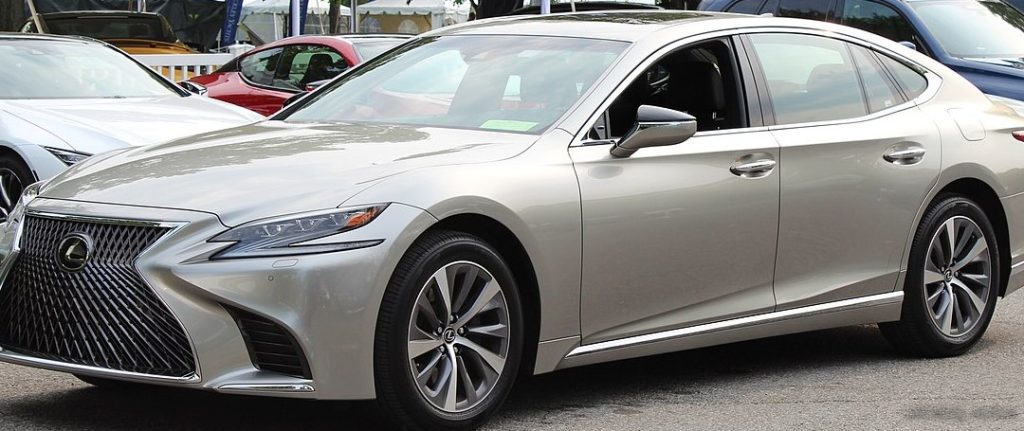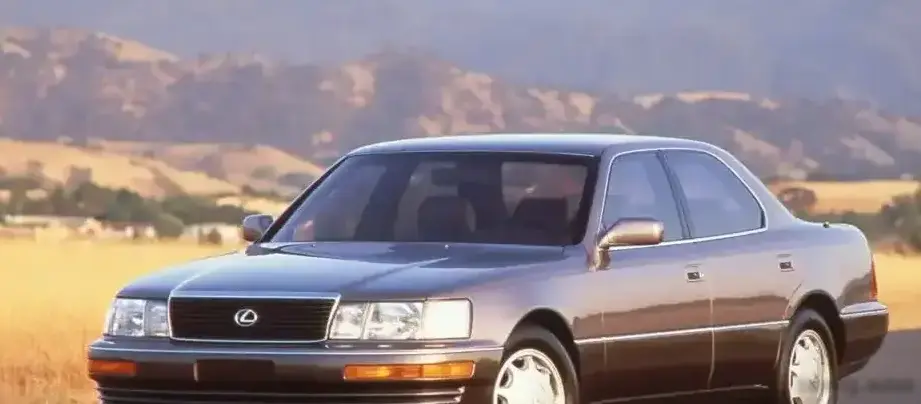
The Lexus LS 400, specifically the facelifted second-generation model produced from 1997 to 2000, represented a significant evolution of Lexus’s flagship sedan. Building upon the success of the original LS 400, this iteration refined the formula of quiet luxury, reliability, and sophisticated technology. The 1998 facelift brought subtle but important changes to the exterior styling, interior appointments, and, crucially, powertrain refinement. This particular variant, equipped with the 4.0-liter 1UZ-FE V8 engine producing 294 horsepower and a five-speed automatic transmission, occupied the top position within the LS lineup during its production run, offering a blend of performance and comfort aimed at discerning luxury car buyers.
Technical Specifications
| Brand | Lexus |
| Model | LS |
| Generation | LS II (facelift 1998) |
| Type (Engine) | 400 V8 (294 Hp) Automatic |
| Start of production | 1997 |
| End of production | 2000 |
| Powertrain Architecture | Internal Combustion engine |
| Body type | Sedan |
| Seats | 5 |
| Doors | 4 |
| Fuel consumption (urban) | 12.4 l/100 km (19 US mpg, 22.8 UK mpg) |
| Fuel consumption (extra urban) | 9.4 l/100 km (25 US mpg, 30.1 UK mpg) |
| Fuel consumption (combined) | 11.2 l/100 km (21 US mpg, 25.2 UK mpg) |
| Fuel Type | Petrol (Gasoline) |
| Acceleration 0 – 100 km/h | 6.6 sec |
| Acceleration 0 – 62 mph | 6.6 sec |
| Acceleration 0 – 60 mph | 6.3 sec |
| Maximum speed | 240 km/h (149.13 mph) |
| Weight-to-power ratio | 6 kg/Hp, 166.6 Hp/tonne |
| Weight-to-torque ratio | 4.3 kg/Nm, 230.6 Nm/tonne |
| Power | 294 Hp @ 6000 rpm |
| Power per litre | 74.1 Hp/l |
| Torque | 407 Nm @ 4000 rpm (300.19 lb.-ft. @ 4000 rpm) |
| Engine layout | Front, Longitudinal |
| Engine Model/Code | 1UZ-FE |
| Engine displacement | 3969 cm3 (242.2 cu. in.) |
| Number of cylinders | 8 |
| Engine configuration | V-engine |
| Cylinder Bore | 87.5 mm (3.44 in.) |
| Piston Stroke | 82.5 mm (3.25 in.) |
| Compression ratio | 10.5:1 |
| Number of valves per cylinder | 4 |
| Fuel injection system | Multi-port manifold injection |
| Engine aspiration | Naturally aspirated engine |
| Valvetrain | DOHC |
| Engine oil capacity | 5.6 l (5.92 US qt | 4.93 UK qt) |
| Coolant capacity | 11 l (11.62 US qt | 9.68 UK qt) |
| Kerb Weight | 1765 kg (3891.16 lbs.) |
| Trunk (boot) space – minimum | 463 l (16.35 cu. ft.) |
| Fuel tank capacity | 85 l (22.45 US gal | 18.7 UK gal) |
| Length | 4995 mm (196.65 in.) |
| Width | 1830 mm (72.05 in.) |
| Height | 1435 mm (56.5 in.) |
| Wheelbase | 2850 mm (112.2 in.) |
| Front track | 1575 mm (62.01 in.) |
| Rear (Back) track | 1575 mm (62.01 in.) |
| Ride height (ground clearance) | 140 mm (5.51 in.) |
| Drag coefficient (Cd) | 0.27 |
| Minimum turning circle (turning diameter) | 11.4 m (37.4 ft.) |
| Drivetrain Architecture | Rear wheel drive |
| Number of gears and type of gearbox | 5 gears, automatic transmission |
| Front suspension | Double wishbone |
| Rear suspension | Double wishbone |
| Front brakes | Ventilated discs, 315 mm |
| Rear brakes | Ventilated discs, 307 mm |
| Assisting systems | ABS (Anti-lock braking system) |
| Steering type | Steering rack and pinion |
| Power steering | Hydraulic Steering |
| Tires size | 225/60 R16 |
| Wheel rims size | 7J x 16 |
INTRODUCTION
The Lexus LS 400, launched in 1989, fundamentally altered the luxury car landscape by offering a level of refinement, reliability, and customer service previously unseen from Japanese automakers. The second-generation, introduced in 1994, further solidified this reputation. The 1998 facelift brought subtle exterior updates – revised headlights, taillights, and grille – along with interior enhancements and improvements to the already-renowned V8 engine. This particular configuration, the 4.0-liter V8 paired with a five-speed automatic, was the flagship offering, representing the pinnacle of Lexus engineering at the time. It was primarily sold in the North American market, where large, comfortable, and reliable luxury sedans were highly sought after.
Powertrain & Engine Architecture
At the heart of the LS 400 was the 1UZ-FE 4.0-liter V8 engine. This engine was a masterpiece of engineering, known for its smoothness, durability, and relatively lightweight construction thanks to its all-aluminum block and heads. The 1UZ-FE utilized a dual overhead camshaft (DOHC) design with four valves per cylinder, contributing to its impressive power output and efficiency. Fuel delivery was handled by a multi-port fuel injection system, ensuring precise fuel metering for optimal combustion. The engine produced 294 horsepower at 6000 rpm and 407 Nm (300 lb-ft) of torque at 4000 rpm. The five-speed automatic transmission, a Lexus-developed unit, was specifically tuned for smooth and seamless gear changes, prioritizing comfort over outright sportiness. It featured electronically controlled torque converter lock-up for improved fuel economy at highway speeds. The transmission’s gear ratios were optimized for relaxed cruising and effortless acceleration.
Driving Characteristics
The LS 400 4.0L Automatic offered a driving experience focused on comfort and refinement. While not a sports sedan, the 294 horsepower engine provided ample power for confident highway merging and passing maneuvers. Acceleration from 0 to 60 mph took approximately 6.3 seconds, respectable for a large luxury car of that era. The automatic transmission’s smooth shifts minimized any disruption to the cabin’s tranquility. Compared to the base LS 400 models, the 4.0-liter engine delivered noticeably stronger acceleration, particularly at higher speeds. The suspension, tuned for a plush ride, absorbed bumps and imperfections in the road with ease. The steering was light and precise, making the car easy to maneuver in city traffic.
Equipment & Trim Levels
The LS 400, even in its base form, was exceptionally well-equipped. Standard features included leather upholstery, power-adjustable front seats with memory function, a premium sound system, automatic climate control, and power windows, locks, and mirrors. The 1998 facelift brought upgraded interior materials and a revised dashboard design. Optional extras included a navigation system, a rear-seat entertainment system, and a power moonroof. The LS 400 was positioned as a premium offering, and as such, it came standard with a high level of luxury and convenience features.
Chassis & Braking
The LS 400 featured a robust chassis with a double wishbone suspension system at both the front and rear. This suspension design provided a comfortable ride and excellent handling characteristics. The car was equipped with ventilated disc brakes on all four wheels, providing ample stopping power. An Anti-lock Braking System (ABS) was standard, enhancing safety and control during emergency braking situations. The LS 400’s chassis was designed to minimize noise, vibration, and harshness (NVH), contributing to the car’s serene cabin environment.
Market Reception & Comparison
The Lexus LS 400 was consistently praised by automotive critics for its refinement, reliability, and value. The 4.0-liter engine was lauded for its smooth power delivery and quiet operation. Compared to its European rivals, such as the Mercedes-Benz S-Class and BMW 7 Series, the LS 400 offered a similar level of luxury and performance at a more competitive price point. Fuel economy, while not exceptional, was reasonable for a V8-powered luxury sedan, averaging around 21 mpg in combined driving. The LS 400’s reputation for reliability was a major selling point, and it consistently ranked highly in consumer satisfaction surveys.
Legacy
The Lexus LS 400, particularly the 1998 facelifted model, remains a highly regarded luxury car. The 1UZ-FE engine is renowned for its durability and longevity, with many examples exceeding 200,000 miles with proper maintenance. Today, well-maintained LS 400s are sought after by enthusiasts and collectors who appreciate their classic styling, luxurious interiors, and legendary reliability. While newer luxury cars offer more advanced technology and features, the LS 400 continues to represent a benchmark for quiet luxury and engineering excellence. The car’s enduring appeal is a testament to Lexus’s commitment to quality and customer satisfaction.