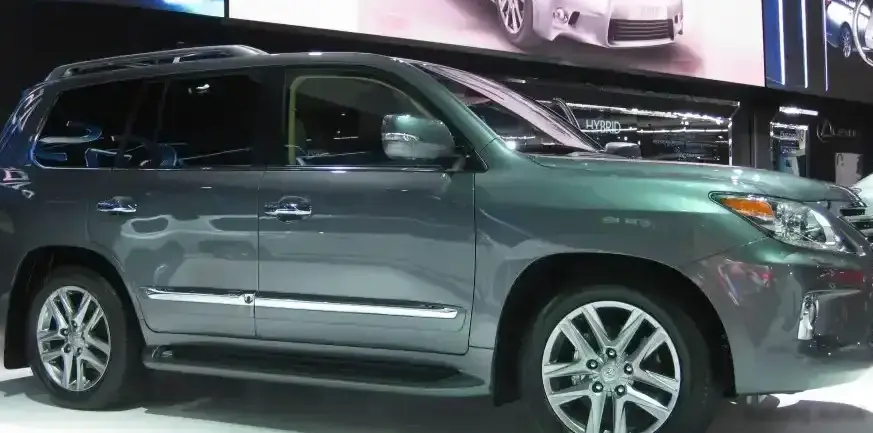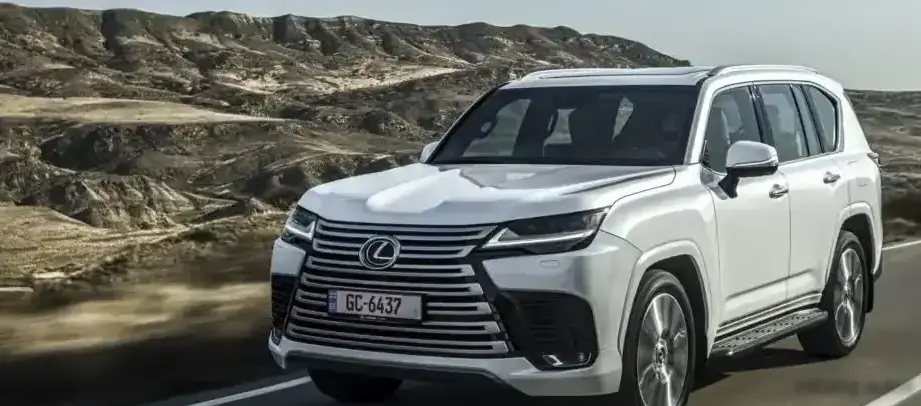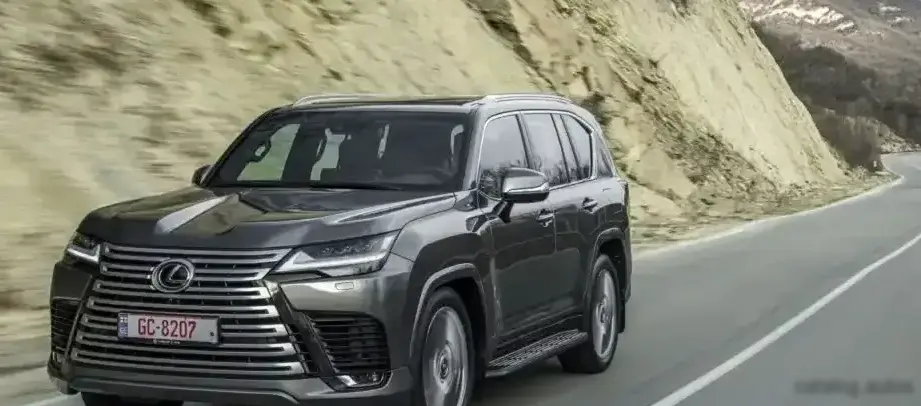
The Lexus LX II 470, produced between 1998 and 2002, represents the second generation of Lexus’s full-size luxury SUV. Based heavily on the Toyota Land Cruiser J80 platform, the LX 470 aimed to deliver Land Cruiser reliability and off-road capability wrapped in a more luxurious and refined package for the North American and other international markets. This particular variant, equipped with the 4.7-liter V8 engine producing 230 horsepower and paired with a four-speed automatic transmission, and full-time all-wheel drive, occupied a significant position in the LX lineup as the standard engine offering. It served as the entry point into the LX experience, balancing performance, luxury, and capability.
Technical Specifications
| Brand | Lexus |
| Model | LX |
| Generation | LX II |
| Type (Engine) | 470 V8 (230 Hp) AWD Automatic |
| Start of production | 1998 |
| End of production | 2002 |
| Powertrain Architecture | Internal Combustion engine |
| Body type | SUV |
| Seats | 8 |
| Doors | 5 |
| Fuel consumption (urban) | 17.5 l/100 km (13.4 US mpg, 16.1 UK mpg, 5.7 km/l) |
| Fuel consumption (extra urban) | 13.2 l/100 km (17.8 US mpg, 21.4 UK mpg, 7.6 km/l) |
| Fuel consumption (combined) | 15.6 l/100 km (15.1 US mpg, 18.1 UK mpg, 6.4 km/l) |
| Fuel Type | Petrol (Gasoline) |
| Acceleration 0 – 100 km/h | 10.1 sec |
| Acceleration 0 – 62 mph | 10.1 sec |
| Acceleration 0 – 60 mph | 9.6 sec |
| Maximum speed | 175 km/h (108.74 mph) |
| Weight-to-power ratio | 10.7 kg/Hp, 93.9 Hp/tonne |
| Weight-to-torque ratio | 5.6 kg/Nm, 177.1 Nm/tonne |
| Power | 230 Hp @ 4800 rpm |
| Power per litre | 49.3 Hp/l |
| Torque | 434 Nm @ 3400 rpm (320.1 lb.-ft. @ 3400 rpm) |
| Engine layout | Front, Longitudinal |
| Engine Model/Code | 2UZ-FE |
| Engine displacement | 4664 cm3 (284.61 cu. in.) |
| Number of cylinders | 8 |
| Engine configuration | V-engine |
| Cylinder Bore | 94 mm (3.7 in.) |
| Piston Stroke | 84 mm (3.31 in.) |
| Compression ratio | 9.6:1 |
| Number of valves per cylinder | 4 |
| Fuel injection system | Multi-port manifold injection |
| Engine aspiration | Naturally aspirated engine |
| Valvetrain | DOHC |
| Engine oil capacity | 6.8 l (7.19 US qt | 5.98 UK qt) |
| Coolant | 15.3 l (16.17 US qt | 13.46 UK qt) |
| Kerb Weight | 2450 kg (5401.33 lbs.) |
| Max. weight | 3110 kg (6856.38 lbs.) |
| Max load | 660 kg (1455.05 lbs.) |
| Trunk (boot) space – minimum | 510 l (18.01 cu. ft.) |
| Trunk (boot) space – maximum | 2510 l (88.64 cu. ft.) |
| Fuel tank capacity | 96 l (25.36 US gal | 21.12 UK gal) |
| Length | 4890 mm (192.52 in.) |
| Width | 1940 mm (76.38 in.) |
| Height | 1875 mm (73.82 in.) |
| Wheelbase | 2850 mm (112.2 in.) |
| Front track | 1620 mm (63.78 in.) |
| Rear (Back) track | 1615 mm (63.58 in.) |
| Ride height (ground clearance) | 220 mm (8.66 in.) |
| Drag coefficient (Cd) | 0.40 |
| Minimum turning circle (turning diameter) | 12.1 m (39.7 ft.) |
| Approach angle | 30° |
| Departure angle | 23° |
| Drive wheel | All wheel drive (4×4) |
| Number of gears and type of gearbox | 4 gears, automatic transmission |
| Front suspension | Double wishbone |
| Rear suspension | Independent multi-link suspension |
| Front brakes | Ventilated discs, 311 mm |
| Rear brakes | Ventilated discs, 327 mm |
| Assisting systems | ABS (Anti-lock braking system) |
| Steering type | Steering rack and pinion |
| Power steering | Hydraulic Steering |
| Tires size | 275/70 R16 114S |
| Wheel rims size | 8.0J x 16 |
Powertrain & Engine Architecture
The heart of the LX 470 is the 2UZ-FE 4.7-liter V8 engine. This engine, a member of Toyota’s UZ engine family, is renowned for its durability and relatively simple design. It features a cast-iron block and aluminum cylinder heads, employing a double overhead camshaft (DOHC) valvetrain with four valves per cylinder. Fuel delivery is managed by a multi-port fuel injection system. The 2UZ-FE is a naturally aspirated engine, meaning it doesn’t utilize forced induction like a turbocharger or supercharger. The engine’s robust construction and conservative tuning contributed to its long-term reliability. The four-speed automatic transmission (A750E) was specifically chosen for its ability to handle the engine’s torque and provide smooth shifts, although it lacks the efficiency of more modern transmissions. This transmission is electronically controlled, adapting shift points based on throttle input and driving conditions.
Driving Characteristics
The LX 470 with the 4.7-liter V8 and automatic transmission delivers a comfortable, albeit not particularly sporty, driving experience. Acceleration from 0-60 mph takes around 9.6 seconds, which was adequate for the time but feels slower by modern standards. The automatic transmission, while smooth, can feel somewhat dated, with relatively wide gear ratios. This results in a noticeable drop in engine RPM during shifts. The full-time all-wheel-drive system provides excellent traction in various conditions, making it a capable vehicle on and off-road. However, the LX 470’s substantial weight (over 5,400 lbs) is always apparent, impacting handling and braking performance. Compared to the Land Cruiser, the LX 470 offered a slightly more refined ride quality due to suspension tuning adjustments.
Equipment & Trim Levels
The LX 470 came standard with a comprehensive list of luxury features, including leather upholstery, power-adjustable front seats, dual-zone automatic climate control, a premium sound system, and wood trim. Standard safety features included ABS, traction control, and multiple airbags. Optional extras included a navigation system, a rear entertainment system, and upgraded leather. The LX 470’s interior was designed to provide a comfortable and luxurious experience for all occupants, with ample space in all three rows of seating. The dashboard layout was relatively straightforward and user-friendly, prioritizing functionality over flashy design.
Chassis & Braking
The LX 470 utilizes a body-on-frame construction, providing a robust and durable chassis. The front suspension features a double wishbone design, while the rear utilizes an independent multi-link suspension. This setup aims to balance ride comfort and off-road capability. Braking duties are handled by ventilated disc brakes on all four wheels. The LX 470’s braking performance is adequate for its weight class, but it doesn’t offer the stopping power of more modern SUVs. The standard tire size is 275/70 R16, providing a good balance of on-road comfort and off-road traction.
Market Reception & Comparison
The LX 470 was generally well-received by critics, who praised its luxurious interior, comfortable ride, and off-road capability. However, some reviewers criticized its fuel economy (around 15 mpg combined) and its relatively slow acceleration. Compared to other luxury SUVs of the time, such as the Cadillac Escalade and Lincoln Navigator, the LX 470 offered a more refined and reliable experience, but at a higher price point. The LX 470’s fuel economy was notably worse than the Land Cruiser, due to the added weight and luxury features. Reliability was a strong point, with many owners reporting few major issues even after high mileage.
Legacy
The Lexus LX II 470, particularly the 4.7-liter V8 automatic variant, has developed a strong following among enthusiasts and off-roaders. The 2UZ-FE engine is known for its exceptional durability and longevity, with many examples exceeding 200,000 miles with proper maintenance. The LX 470’s robust construction and capable all-wheel-drive system make it a popular choice for overlanding and off-road adventures. In the used car market, well-maintained LX 470s command a premium price, reflecting their reputation for reliability and capability. While fuel economy remains a concern, the LX 470 continues to be a desirable and respected luxury SUV.