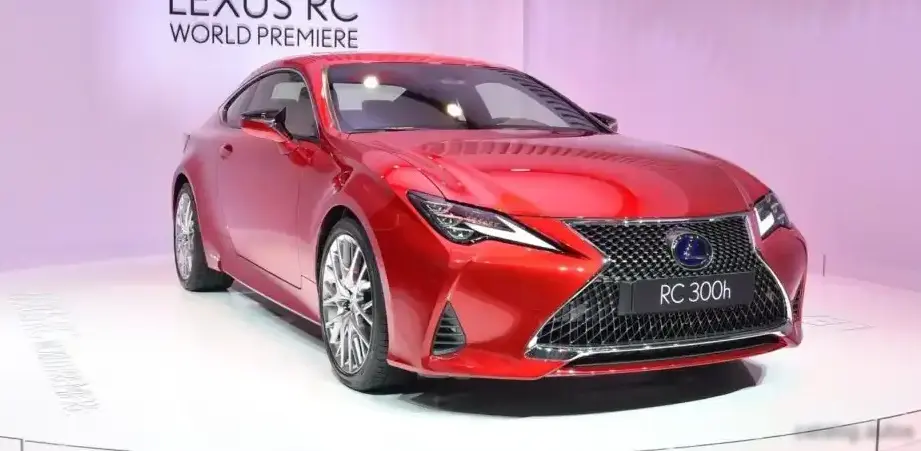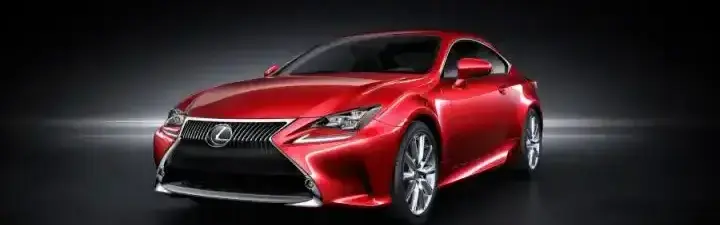
The Lexus RC 350, specifically the V6 variant producing 311 horsepower and equipped with an all-wheel-drive (AWD) system and automatic transmission, represents a significant offering in the luxury sports coupe segment. Produced from 2014 to 2018, this model year range falls within the first generation (XV70) of the RC series, which was designed to provide a more emotionally engaging driving experience compared to other Lexus models. Positioned as the mid-range offering within the RC lineup – above the RC 200t and below the high-performance RC F – the RC 350 aimed to balance performance, luxury, and everyday usability. It served as a key competitor to vehicles like the BMW 4 Series, Audi S5, and Infiniti Q60.
Technical Specifications
| Brand | Lexus |
| Model | RC |
| Generation | RC |
| Type (Engine) | 350 V6 (311 Hp) AWD Automatic |
| Start of production | 2014 |
| End of production | 2018 |
| Powertrain Architecture | Internal Combustion engine |
| Body type | Coupe |
| Seats | 4 |
| Doors | 2 |
| Fuel consumption (economy) – urban | 12.3 l/100 km (19.1 US mpg, 23 UK mpg, 8.1 km/l) |
| Fuel consumption (economy) – extra urban | 9 l/100 km (26.1 US mpg, 31.4 UK mpg, 11.1 km/l) |
| Fuel consumption (economy) – combined | 11.2 l/100 km (21 US mpg, 25.2 UK mpg, 8.9 km/l) |
| Fuel Type | Petrol (Gasoline) |
| Maximum speed | 209 km/h (129.87 mph) |
| Weight-to-power ratio | 5.7 kg/Hp, 176.2 Hp/tonne |
| Weight-to-torque ratio | 4.6 kg/Nm, 215.3 Nm/tonne |
| Power | 311 Hp @ 6600 rpm |
| Power per litre | 89.9 Hp/l |
| Torque | 380 Nm @ 4800 rpm (280.27 lb.-ft. @ 4800 rpm) |
| Engine layout | Front, Longitudinal |
| Engine Model/Code | 2GR-FKS |
| Engine displacement | 3458 cm3 (211.02 cu. in.) |
| Number of cylinders | 6 |
| Engine configuration | V-engine |
| Cylinder Bore | 94 mm (3.7 in.) |
| Piston Stroke | 83 mm (3.27 in.) |
| Compression ratio | 11.8:1 |
| Number of valves per cylinder | 4 |
| Fuel injection system | Direct injection |
| Engine aspiration | Naturally aspirated engine |
| Valvetrain | DOHC, VVT-i |
| Engine oil capacity | 5.7 l (6.02 US qt | 5.02 UK qt) |
| Coolant | 9.5 l (10.04 US qt | 8.36 UK qt) |
| Kerb Weight | 1765 kg (3891.16 lbs.) |
| Max. weight | 2245 kg (4949.38 lbs.) |
| Max load | 480 kg (1058.22 lbs.) |
| Trunk (boot) space – minimum | 294 l (10.38 cu. ft.) |
| Fuel tank capacity | 66 l (17.44 US gal | 14.52 UK gal) |
| Length | 4695 mm (184.84 in.) |
| Width | 1840 mm (72.44 in.) |
| Width including mirrors | 2070 mm (81.5 in.) |
| Height | 1340 mm (52.76 in.) |
| Wheelbase | 2730 mm (107.48 in.) |
| Front track | 1580 mm (62.2 in.) |
| Rear (Back) track | 1570 mm (61.81 in.) |
| Ride height (ground clearance) | 135 mm (5.31 in.) |
| Drag coefficient (Cd) | 0.304 |
| Minimum turning circle (turning diameter) | 10.6 m (34.78 ft.) |
| Drive wheel | All wheel drive (4×4) |
| Number of gears and type of gearbox | 6 gears, automatic transmission |
| Front suspension | Double wishbone |
| Rear suspension | Independent multi-link suspension |
| Front brakes | Ventilated discs |
| Rear brakes | Ventilated discs |
| Assisting systems | ABS (Anti-lock braking system) |
| Steering type | Steering rack and pinion |
| Power steering | Electric Steering |
| Tires size | 235/45 R18 94Y; 235/40 R19 96Y; 265/35 R19 94Y |
| Wheel rims size | 8J x 18; 8J x 19 |
Powertrain & Engine Architecture
The heart of the RC 350 is the 2GR-FKS 3.5-liter V6 engine. This naturally aspirated engine utilizes Toyota’s D-4S direct and port fuel injection system, optimizing combustion efficiency and power delivery. The engine features a double overhead camshaft (DOHC) valvetrain with Variable Valve Timing-intelligent (VVT-i) technology, further enhancing performance and fuel economy. The 2GR-FKS is known for its smooth operation and relatively high reliability. Paired with this engine is a six-speed automatic transmission, specifically tuned for Lexus’s emphasis on refinement. This transmission features paddle shifters for manual control, although its primary focus is on providing seamless and comfortable gear changes. The all-wheel-drive system employs a viscous coupling center differential, distributing torque between the front and rear axles as needed for optimal traction.
Driving Characteristics
The RC 350 AWD Automatic delivers a balanced driving experience. While not as overtly sporty as the RC F, it offers ample power for confident acceleration and highway cruising. The automatic transmission is generally responsive, though some reviewers noted a slight hesitation during quick downshifts. The AWD system provides enhanced grip in various weather conditions, making it a practical choice for regions with inclement weather. Compared to the RC 200t, the RC 350 offers a significant performance upgrade, with noticeably quicker acceleration and a more robust powerband. The gear ratios are tuned for a blend of acceleration and fuel efficiency, prioritizing comfortable cruising over outright track performance.
Equipment & Trim Levels
The RC 350 came standard with a generous array of features, including leather upholstery, a 7-inch infotainment display, a rearview camera, and automatic climate control. Optional extras included a Mark Levinson premium sound system, a larger 8.4-inch infotainment screen with navigation, heated and ventilated front seats, and a power-adjustable steering column. Trim levels were relatively straightforward, with most options available as standalone additions rather than distinct packages. Interior color choices typically included black, brown, and a two-tone combination. The dashboard layout is driver-focused, with a clean and modern design.
Chassis & Braking
The RC 350 utilizes a double wishbone front suspension and an independent multi-link rear suspension, providing a comfortable ride and predictable handling. The chassis is relatively stiff, contributing to a feeling of solidity and control. Braking duties are handled by ventilated discs on all four wheels, providing ample stopping power. The ABS (Anti-lock Braking System) is standard, enhancing safety during emergency braking situations. The steering is electrically assisted, offering a good balance of feel and responsiveness. Stabilizer bars are present at both the front and rear, helping to minimize body roll during cornering.
Market Reception & Comparison
The Lexus RC 350 was generally well-received by automotive critics, who praised its stylish design, comfortable interior, and refined driving experience. However, some criticisms were leveled at its relatively small rear seats and limited trunk space. Fuel economy was considered average for its class. Compared to its rivals, the RC 350 offered a compelling combination of luxury, reliability, and performance. The BMW 4 Series was often cited as a more engaging driver’s car, while the Audi S5 offered a more technologically advanced interior. The RC 350’s reputation for reliability and Lexus’s strong customer service were key selling points.
Legacy
The 2GR-FKS engine has proven to be a durable and reliable powerplant, with many examples exceeding 150,000 miles with proper maintenance. The RC 350, in general, has maintained relatively strong resale values, reflecting its reputation for quality and dependability. On the used car market, the RC 350 represents a good value proposition for buyers seeking a stylish and comfortable luxury coupe. Routine maintenance, such as oil changes and fluid checks, is relatively straightforward and affordable. The six-speed automatic transmission is also known for its longevity, although regular transmission fluid changes are recommended to ensure optimal performance.