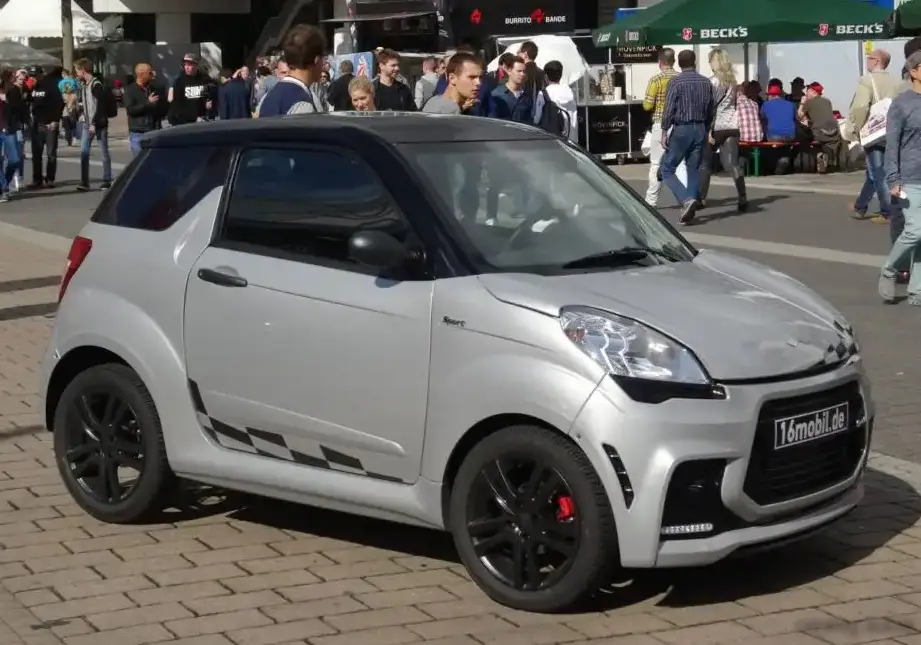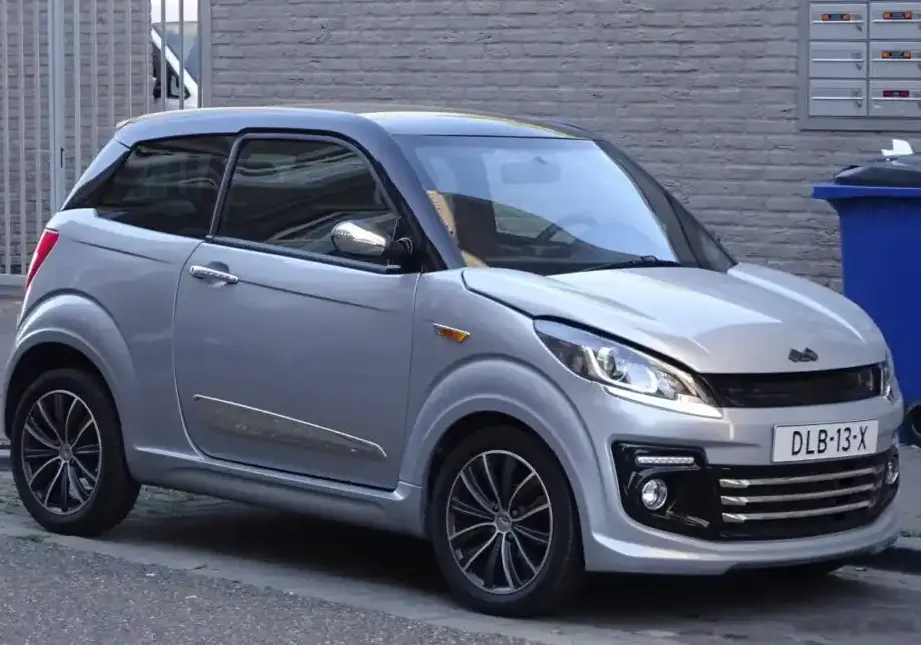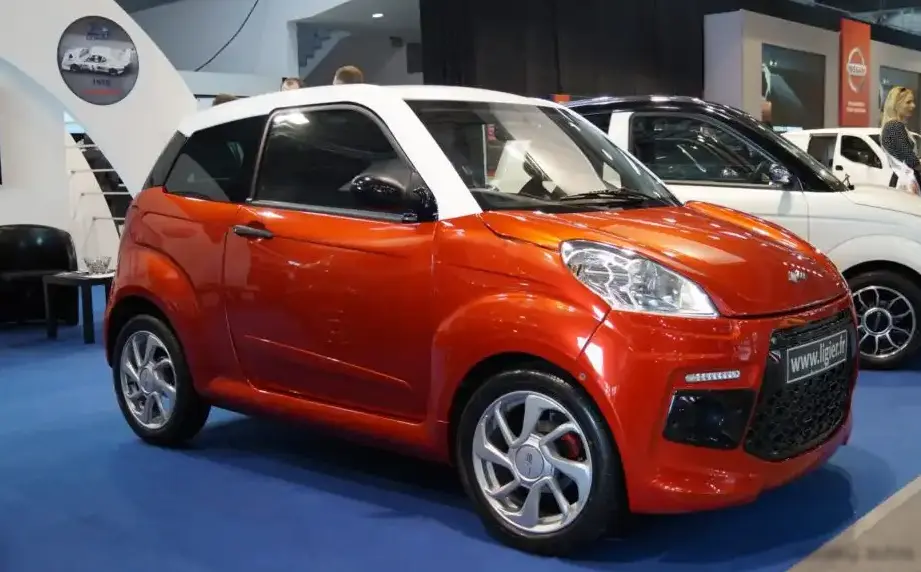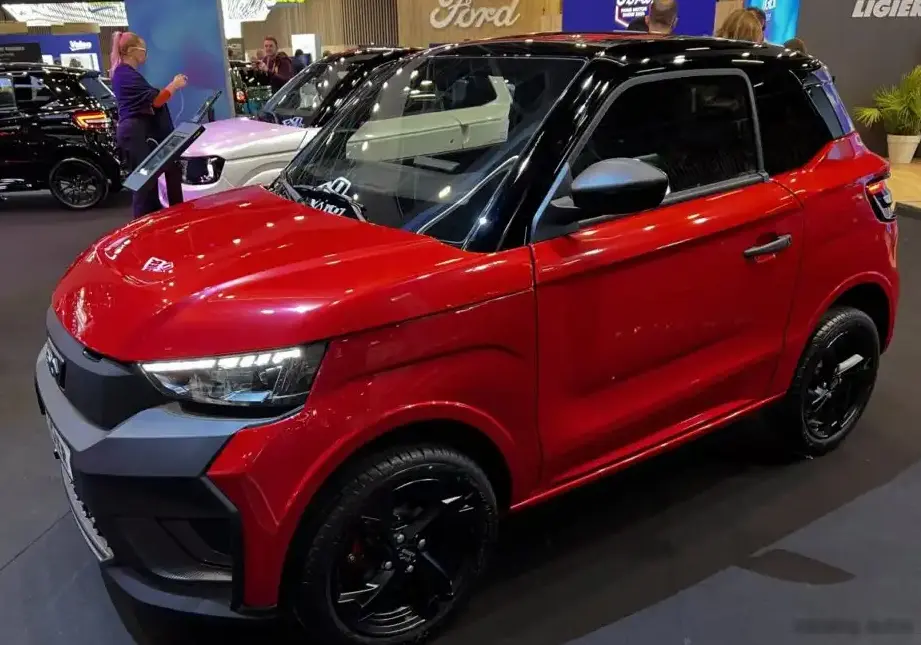
The Ligier JS50 II L7e 12.42 kWh (8 hp) Electric is a microcar produced by Ligier, a French automotive manufacturer specializing in lightweight vehicles. Introduced in October 2024, this variant represents Ligier’s entry into the burgeoning electric quadricycle market, specifically categorized as an L7e vehicle under European Union regulations. The JS50 II is designed for urban mobility, offering a compact and efficient transportation solution for short commutes and city driving. It’s positioned as a practical alternative to scooters or bicycles, providing weather protection and a degree of comfort not found in two-wheeled options.
Technical Specifications
| Brand | Ligier |
| Model | JS50 |
| Generation | JS50 II |
| Type (Engine) | L7e 12.42 kWh (8 Hp) Electric |
| Start of production | October, 2024 |
| Powertrain Architecture | BEV (Electric Vehicle) |
| Body type | Quadricycle |
| Seats | 2 |
| Doors | 3 |
| Fuel Type | Electricity |
| Maximum speed | 75 km/h (46.6 mph) |
| Weight-to-power ratio | 47.9 kg/Hp, 20.9 Hp/tonne |
| Weight-to-torque ratio | 38.3 kg/Nm, 26.1 Nm/tonne |
| Gross battery capacity | 12.42 kWh |
| Battery technology | Lithium-ion (Li-Ion) |
| Battery location | Below the floor |
| All-electric range | 179 km (111.23 mi) |
| Electric motor power | 8 Hp @ 5000 rpm |
| Electric motor Torque | 10 Nm @ 5000 rpm (7.38 lb.-ft. @ 5000 rpm) |
| Electric motor location | Front axle, Transverse |
| Electric motor type | Synchronous |
| System power | 8 Hp @ 5000 rpm |
| System torque | 10 Nm @ 5000 rpm (7.38 lb.-ft. @ 5000 rpm) |
| Kerb Weight | 383 kg (844.37 lbs) |
| Trunk (boot) space – minimum | 319 l (11.27 cu. ft) |
| Length | 2972 mm (117.01 in) |
| Width | 1499 mm (59.02 in) |
| Height | 1503 mm (59.17 in) |
| Minimum turning circle | 8.7 m (28.54 ft) |
| Drivetrain Architecture | One electric motor drives the front wheels |
| Drive wheel | Front wheel drive |
| Number of gears | 1, automatic transmission |
| Front brakes | Disc, 220 mm |
| Rear brakes | Disc, 180 mm |
| Steering type | Steering rack and pinion |
| Tires size | 155/60 R15; 165/50 R16 |
| Wheel rims size | 15; 16 |
Powertrain & Engine Architecture
The JS50 II L7e is powered by a single synchronous electric motor producing 8 horsepower at 5000 rpm and 10 Nm (7.38 lb-ft) of torque, also at 5000 rpm. The motor is transversely mounted on the front axle, driving the front wheels. Power is derived from a 12.42 kWh lithium-ion battery pack located under the floor of the vehicle, contributing to a low center of gravity. The single-speed automatic transmission simplifies operation, making it akin to driving a golf cart. The vehicle utilizes a standard charging port, compatible with common EV charging infrastructure. The electric powertrain is designed for efficiency and low running costs, aligning with the vehicle’s intended use case as a city commuter.
Driving Characteristics
Given its limited power output, the JS50 II L7e is not designed for rapid acceleration or high-speed driving. Its performance is best described as adequate for urban environments. The single-speed transmission provides smooth, linear acceleration, and the electric motor delivers instant torque, making it surprisingly nimble in city traffic. The top speed is limited to 75 km/h (46.6 mph), which is sufficient for most urban roads. Compared to potential future higher-powered variants, this 8 hp version prioritizes range and efficiency over outright performance. The lightweight construction (383 kg / 844.37 lbs) helps to mitigate the lack of horsepower, providing a reasonable driving experience within its intended operating parameters.
Equipment & Trim Levels
The JS50 II L7e, in its base configuration, is relatively sparsely equipped, reflecting its position as an affordable urban mobility solution. Standard features typically include basic instrumentation, comfortable seating for two, and a small cargo area behind the seats (319 liters / 11.27 cu. ft). The interior is functional and designed for durability. Optional extras may include upgraded upholstery, a basic audio system, and potentially, features like air conditioning or power windows, depending on market and regional specifications. The focus is on providing essential transportation features at a competitive price point.
Chassis & Braking
The JS50 II utilizes a simple yet effective chassis design. The suspension system consists of independent suspension in the front and a torsion beam axle in the rear. Braking is provided by disc brakes on all four wheels – 220mm discs at the front and 180mm discs at the rear – offering adequate stopping power for the vehicle’s weight and speed. The steering system is a rack and pinion setup, providing responsive and precise steering. The vehicle is equipped with 15 or 16-inch wheels, depending on the trim level, and tires sized 155/60 R15 or 165/50 R16, respectively.
Market Reception & Comparison
The Ligier JS50 II L7e has been generally well-received as a practical and affordable electric microcar. Critics have praised its compact size, ease of driving, and low running costs. However, its limited power and speed have also been noted. Compared to other L7e quadricycles, the JS50 II offers a competitive range of 179 km (111.23 mi) on a single charge. Its price point positions it as an attractive option for those seeking a cost-effective and environmentally friendly urban transportation solution. Compared to gasoline-powered microcars, the electric version offers significant fuel savings and reduced emissions.
Legacy
As a relatively new model, the long-term reliability of the JS50 II L7e remains to be fully established. However, Ligier has a long history of producing durable and reliable microcars. The simplicity of the electric powertrain, with fewer moving parts than a traditional internal combustion engine, suggests that it should prove to be relatively maintenance-free. In the used car market, the JS50 II is expected to hold its value reasonably well, particularly as demand for electric vehicles continues to grow. Its appeal lies in its practicality, affordability, and environmental credentials, making it a potentially attractive option for urban dwellers seeking a convenient and sustainable mode of transportation.