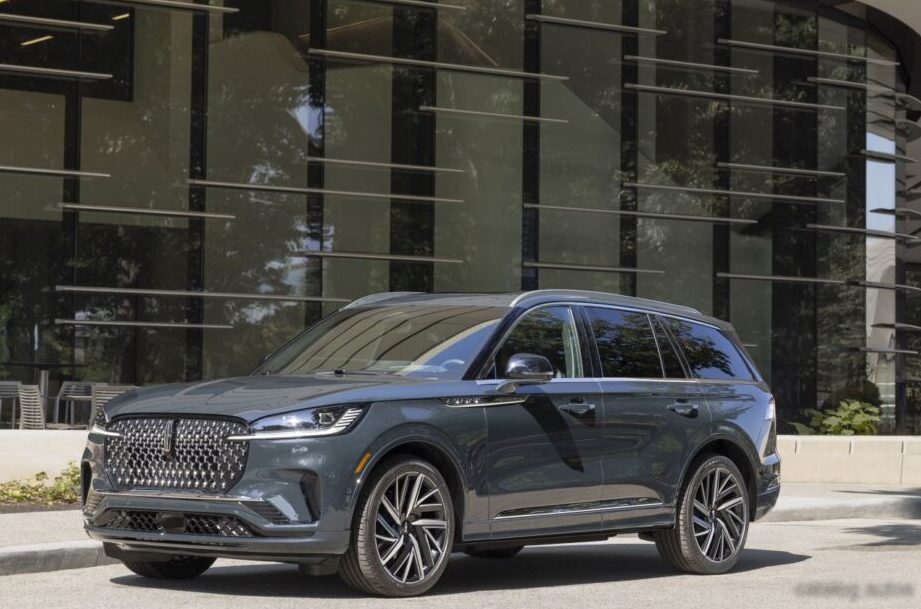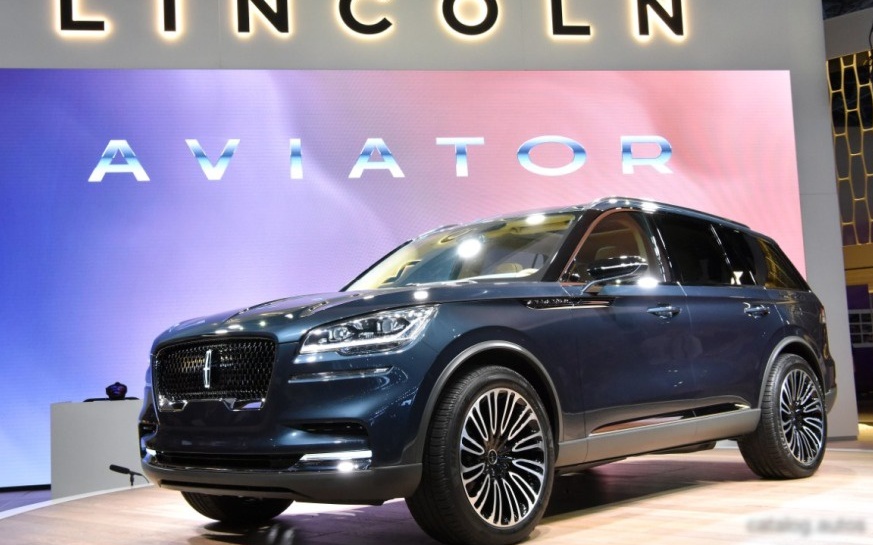
The Lincoln Aviator II, specifically the 3.0 V6 variant producing 400 horsepower with all-wheel drive and an automatic transmission, represents a significant entry in the luxury SUV market. Produced from 2019 to 2024, this iteration of the Aviator aimed to recapture the brand’s former glory by offering a compelling blend of American comfort, technology, and performance. It slots into the mid-to-upper range of Lincoln’s lineup, positioned above base models and offering a more potent alternative to competitors like the Cadillac XT6, Acura MDX, and BMW X5.
Technical Specifications
| Brand | Lincoln |
| Model | Aviator |
| Generation | Aviator II |
| Type (Engine) | 3.0 V6 (400 Hp) AWD Automatic |
| Start of production | 2019 |
| End of production | 2024 |
| Powertrain Architecture | Internal Combustion engine |
| Body type | SUV |
| Seats | 7 |
| Doors | 5 |
| Fuel consumption (economy) – urban | 13.8 l/100 km (17 US mpg, 20.5 UK mpg, 7.2 km/l) |
| Fuel consumption (economy) – extra urban | 9.8 l/100 km (24 US mpg, 28.8 UK mpg, 10.2 km/l) |
| Fuel consumption (economy) – combined | 11.8 l/100 km (19.9 US mpg, 23.9 UK mpg, 8.5 km/l) |
| Fuel Type | Petrol (Gasoline) |
| Weight-to-power ratio | 5.6 kg/Hp, 180.1 Hp/tonne |
| Weight-to-torque ratio | 4.1 kg/Nm, 244 Nm/tonne |
| Power | 400 Hp |
| Torque | 542 Nm (399.76 lb.-ft.) |
| Number of cylinders | 6 |
| Engine configuration | V-engine |
| Compression ratio | 9.5:1 |
| Fuel injection system | Direct injection |
| Engine aspiration | Twin-Turbo, Intercooler |
| Engine oil capacity | 5.7 l (6.02 US qt, 5.02 UK qt) |
| Coolant | 17 l (17.96 US qt, 14.96 UK qt) |
| Kerb Weight | 2221 kg (4896.47 lbs.) |
| Trunk (boot) space – minimum | 520 l (18.36 cu. ft.) |
| Trunk (boot) space – maximum | 2200 l (77.69 cu. ft.) |
| Fuel tank capacity | 76 l (20.08 US gal, 16.72 UK gal) |
| Permitted trailer load with brakes (12%) | 3040 kg (6702.05 lbs.) |
| Length | 5062 mm (199.29 in.) |
| Width | 2022 mm (79.61 in.) |
| Width with mirrors folded | 2090 mm (82.28 in.) |
| Width including mirrors | 2283 mm (89.88 in.) |
| Height | 1773 mm (69.8 in.) |
| Wheelbase | 3025 mm (119.09 in.) |
| Front track | 1699 mm (66.89 in.) |
| Rear (Back) track | 1699 mm (66.89 in.) |
| Drive wheel | All wheel drive (4×4) |
| Number of gears and type of gearbox | 10 gears, automatic transmission SelectShift |
| Front suspension | Double wishbone |
| Rear suspension | Independent multi-link spring suspension with stabilizer |
| Front brakes | Disc |
| Rear brakes | Disc |
| Assisting systems | ABS (Anti-lock braking system) |
| Steering type | Steering rack and pinion |
| Power steering | Electric Steering |
| Wheel rims size | 18 |
Powertrain & Engine Architecture
At the heart of the Aviator II 3.0 V6 lies a 3.0-liter twin-turbocharged V6 engine, designated as part of the EcoBoost family. This engine utilizes direct fuel injection and a sophisticated variable valve timing system to optimize both power and efficiency. The twin-turbochargers, coupled with an intercooler, deliver a substantial boost in horsepower and torque. The engine produces 400 horsepower and 542 Nm (399.76 lb.-ft.) of torque, providing ample power for both daily driving and towing. The engine’s 9.5:1 compression ratio strikes a balance between performance and fuel economy. The powertrain is paired with a 10-speed automatic transmission, branded as SelectShift, which offers smooth and responsive gear changes. This transmission is designed to maximize efficiency and provide a comfortable driving experience.
Driving Characteristics
The 400-hp V6 and 10-speed automatic combination delivers a refined and powerful driving experience. Acceleration is brisk, with the Aviator capable of reaching 60 mph in around 6.0 seconds. The 10-speed transmission is well-tuned, providing seamless shifts and keeping the engine in its optimal power band. Compared to lower-powered Aviator trims, this variant offers significantly more responsive acceleration and a greater sense of confidence when merging onto highways or overtaking other vehicles. While not as overtly sporty as some European competitors, the Aviator prioritizes a comfortable and composed ride, absorbing bumps and imperfections in the road with ease. The all-wheel-drive system provides excellent traction in various weather conditions.
Equipment & Trim Levels
The Aviator II 3.0 V6 AWD Automatic typically came standard with a generous array of features, including leather upholstery, a panoramic sunroof, a premium sound system, and a suite of advanced driver-assistance systems (ADAS) such as adaptive cruise control, lane-keeping assist, and automatic emergency braking. Higher trim levels, such as the Reserve and Grand Touring, added features like upgraded leather, massaging seats, and a more sophisticated infotainment system. Optional extras included a rear-seat entertainment system, a head-up display, and various cosmetic enhancements.
Chassis & Braking
The Aviator II utilizes a robust chassis with a double wishbone front suspension and an independent multi-link rear suspension, both incorporating stabilizer bars to minimize body roll. This suspension setup provides a comfortable ride while maintaining good handling characteristics. The Aviator is equipped with disc brakes on all four wheels, providing ample stopping power. The anti-lock braking system (ABS) and electronic stability control further enhance safety. The electric power steering offers a light and precise feel.
Market Reception & Comparison
The Lincoln Aviator II 3.0 V6 AWD Automatic was generally well-received by critics, who praised its comfortable ride, spacious interior, and powerful engine. However, some reviewers noted that its fuel economy was not class-leading. Compared to the base 2.0L turbocharged four-cylinder engine, the 3.0 V6 offered a significant performance upgrade, but at the cost of increased fuel consumption. The 3.0 V6 also provided a more refined and luxurious driving experience than the hybrid Grand Touring model, which prioritized fuel efficiency. Against its European rivals, the Aviator offered a compelling value proposition, providing a similar level of luxury and performance at a lower price point.
Legacy
The Lincoln Aviator II 3.0 V6 AWD Automatic has established itself as a reliable and desirable SUV in the used car market. The EcoBoost engine, while complex, has proven to be relatively durable with proper maintenance. Common issues reported by owners include occasional software glitches and minor trim-related problems. Overall, the Aviator II represents a successful attempt by Lincoln to revitalize its brand and compete in the highly competitive luxury SUV segment. Its blend of American comfort, technology, and performance continues to appeal to buyers seeking a spacious and capable family vehicle.