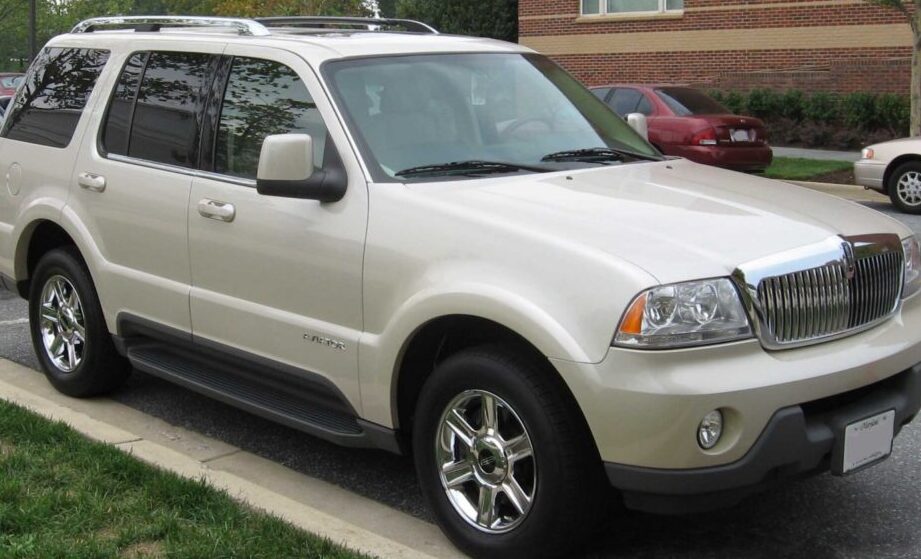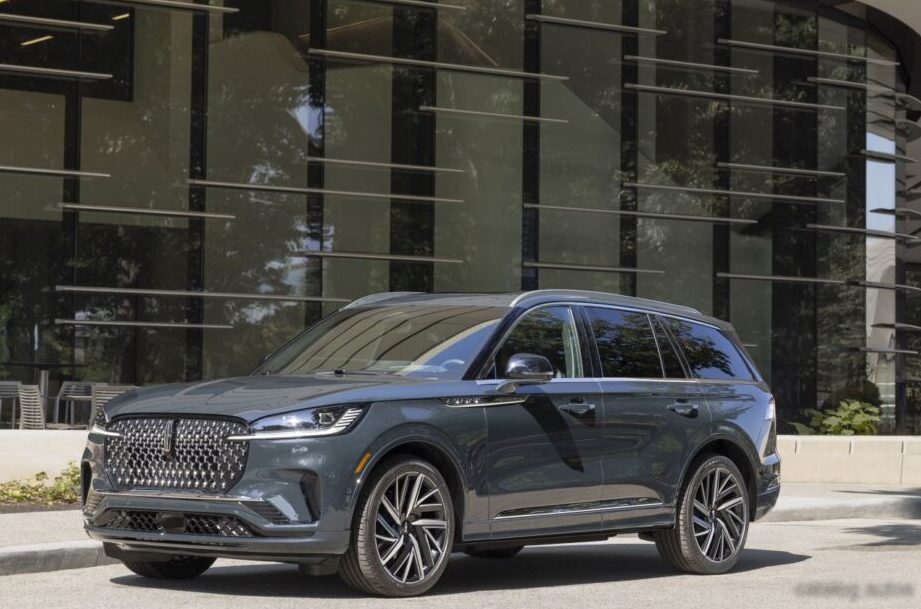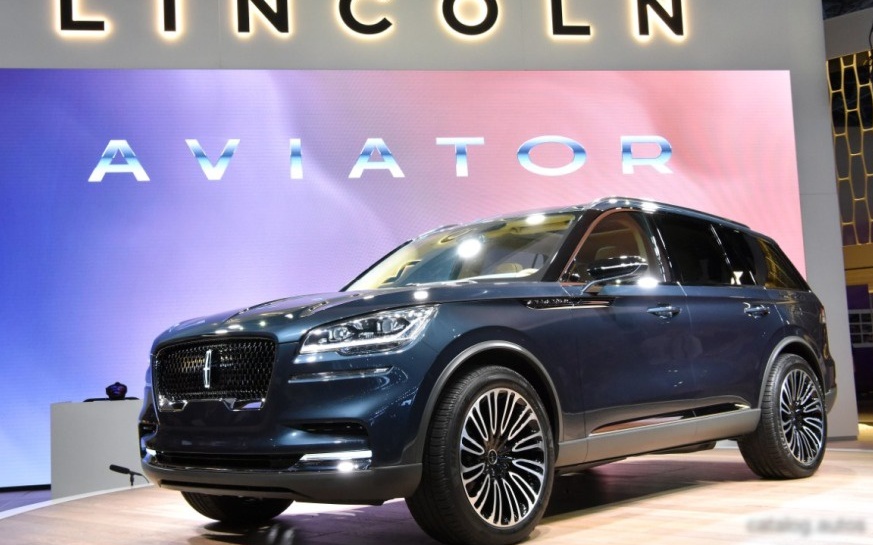
The Lincoln Aviator II, specifically the 3.0 V6 Hybrid AWD SelectShift variant, represents Lincoln’s entry into the burgeoning luxury plug-in hybrid SUV market. Produced from 2019 to 2024, this model year Aviator aimed to blend the traditional American luxury experience with improved fuel efficiency and a degree of electric-only driving capability. Positioned as a premium offering within the Aviator lineup, it sat above the base gasoline models and offered a compelling alternative to competitors like the Volvo XC90 Recharge and the BMW X5 xDrive45e. The Aviator II is built on a rear-wheel drive biased platform, capable of all-wheel drive operation, and features a sophisticated powertrain designed for both performance and efficiency.
Technical Specifications
| Brand | Lincoln |
| Model | Aviator |
| Generation | Aviator II |
| Type (Engine) | 3.0 V6 (494 Hp) Hybrid AWD SelectShift |
| Start of production | 2019 |
| End of production | 2024 |
| Powertrain Architecture | PHEV (Plug-in Hybrid Electric Vehicle) |
| Body type | SUV |
| Seats | 7 |
| Doors | 5 |
| Fuel consumption (combined) | 10.2 l/100 km (23.1 US mpg, 27.7 UK mpg, 9.8 km/l) |
| Fuel Type | Petrol / electricity |
| Weight-to-power ratio | 5.2 kg/Hp, 192 Hp/tonne |
| Weight-to-torque ratio | 3 kg/Nm, 331.9 Nm/tonne |
| Gross battery capacity | 13.6 kWh |
| Battery technology | Lithium-ion (Li-Ion) |
| Battery location | Below the floor |
| All-electric range | 33.8 km (21 mi) |
| Average Energy consumption | 37.4 kWh/100 km (60.19 kWh/100 mi, 56 MPGe, 2.7 km/kWh, 1.7 mi/kWh) |
| Electric motor power | 102 Hp |
| Electric motor Torque | 300 Nm (221.27 lb.-ft.) |
| Electric motor location | Between the combustion engine and the transmission |
| System power | 494 Hp @ 5500 rpm |
| System torque | 854 Nm @ 2250 rpm (629.88 lb.-ft. @ 2250 rpm) |
| Power | 400 Hp @ 5500 rpm |
| Power per litre | 135.6 Hp/l |
| Torque | 563 Nm @ 2250 rpm (415.25 lb.-ft. @ 2250 rpm) |
| Engine layout | Front, Longitudinal |
| Engine Model/Code | Nano |
| Engine displacement | 2950 cm3 (180.02 cu. in.) |
| Number of cylinders | 6 |
| Engine configuration | V-engine |
| Cylinder Bore | 85.34 mm (3.36 in.) |
| Piston Stroke | 86.11 mm (3.39 in.) |
| Compression ratio | 9.5:1 |
| Number of valves per cylinder | 4 |
| Fuel injection system | Direct injection |
| Engine aspiration | Twin-Turbo, Intercooler |
| Valvetrain | DOHC |
| Engine oil capacity | 5.7 l (6.02 US qt | 5.02 UK qt) |
| Coolant | 18.3 l (19.34 US qt | 16.1 UK qt) |
| Kerb Weight | 2573 kg (5672.49 lbs.) |
| Trunk (boot) space – minimum | 519 l (18.33 cu. ft.) |
| Trunk (boot) space – maximum | 2200 l (77.69 cu. ft.) |
| Fuel tank capacity | 68 l (17.96 US gal | 14.96 UK gal) |
| Permitted trailer load with brakes (12%) | 2540 kg (5599.74 lbs.) |
| Length | 5063 mm (199.33 in.) |
| Width | 2022 mm (79.61 in.) |
| Width with mirrors folded | 2091 mm (82.32 in.) |
| Width including mirrors | 2284 mm (89.92 in.) |
| Height | 1758 mm (69.21 in.) |
| Wheelbase | 3025 mm (119.09 in.) |
| Front track | 1700 mm (66.93 in.) |
| Rear (Back) track | 1700 mm (66.93 in.) |
| Number of gears and type of gearbox | 10 gears, automatic transmission SelectShift |
Powertrain & Engine Architecture
The heart of the Aviator II Hybrid is the 3.0-liter, twin-turbocharged V6 engine, internally designated as the “Nano” engine. This engine produces 400 horsepower and 563 lb-ft of torque. Combined with the 102 horsepower and 300 lb-ft electric motor, the total system output reaches 494 horsepower and a substantial 854 lb-ft of torque. The engine utilizes direct fuel injection and a double overhead camshaft (DOHC) valvetrain for optimized combustion efficiency. The electric motor is integrated between the engine and the 10-speed SelectShift automatic transmission, allowing for seamless transitions between electric, hybrid, and gasoline power. The 13.6 kWh lithium-ion battery pack is strategically located under the floor, minimizing impact on passenger and cargo space. The powertrain is designed to prioritize rear-wheel drive, with the electric motor primarily powering the rear wheels, and the front wheels engaging as needed through an electronically controlled clutch for all-wheel drive capability.
Driving Characteristics
The 3.0L Hybrid Aviator delivers a surprisingly refined driving experience. The electric motor provides instant torque, resulting in brisk acceleration off the line. The 10-speed automatic transmission is well-tuned, offering smooth and responsive shifts. In pure electric mode, the Aviator can travel up to 21 miles, suitable for short commutes or city driving. The hybrid system seamlessly blends power from the engine and motor, providing ample power for highway passing and merging. Compared to the standard gasoline-powered Aviator, the hybrid variant offers improved fuel economy and a quieter cabin experience. While not as overtly sporty as some European competitors, the Aviator prioritizes comfort and a relaxed driving experience. The weight of the battery pack does add some mass, but the combined power output mitigates any noticeable performance deficit.
Equipment & Trim Levels
The Aviator II 3.0 V6 Hybrid AWD SelectShift typically came standard with a high level of equipment. This included leather upholstery, heated and ventilated front seats, a panoramic sunroof, a premium sound system, and a suite of advanced driver-assistance systems such as adaptive cruise control, lane-keeping assist, and automatic emergency braking. Optional extras included upgraded leather packages, rear-seat entertainment systems, and a more powerful Revel audio system. The interior design emphasized luxury and spaciousness, with a focus on high-quality materials and a user-friendly infotainment system.
Chassis & Braking
The Aviator II features a double wishbone front suspension and an independent multi-link rear suspension, both incorporating stabilizer bars to minimize body roll. The suspension is tuned for a comfortable ride, absorbing bumps and imperfections in the road effectively. Ventilated disc brakes are used on all four wheels, providing ample stopping power. The Aviator also incorporates ABS (Anti-lock Braking System) and electronic stability control for enhanced safety. Steering is provided by an electric power steering system, offering a light and precise feel.
Market Reception & Comparison
The Lincoln Aviator II Hybrid was generally well-received by critics, who praised its luxurious interior, comfortable ride, and impressive powertrain. Fuel economy was a significant selling point, particularly compared to traditional gasoline-powered SUVs in its class. However, some reviewers noted that the infotainment system could be complex to navigate and that the Aviator’s size could make it challenging to maneuver in tight spaces. Compared to the standard Aviator, the hybrid variant offered a more refined and efficient driving experience, albeit at a higher price point. Against competitors like the Volvo XC90 Recharge and the BMW X5 xDrive45e, the Aviator offered a unique blend of American luxury and hybrid technology.
Legacy
The Lincoln Aviator II 3.0 V6 Hybrid AWD SelectShift represents a significant step forward for Lincoln in terms of technology and efficiency. The powertrain has proven to be relatively reliable, with few widespread issues reported. On the used car market, these models hold their value reasonably well, reflecting their desirable features and luxurious appointments. As the automotive industry continues to shift towards electrification, the Aviator II Hybrid serves as a bridge between traditional gasoline power and a fully electric future, offering a compelling option for buyers seeking a luxurious and efficient SUV.