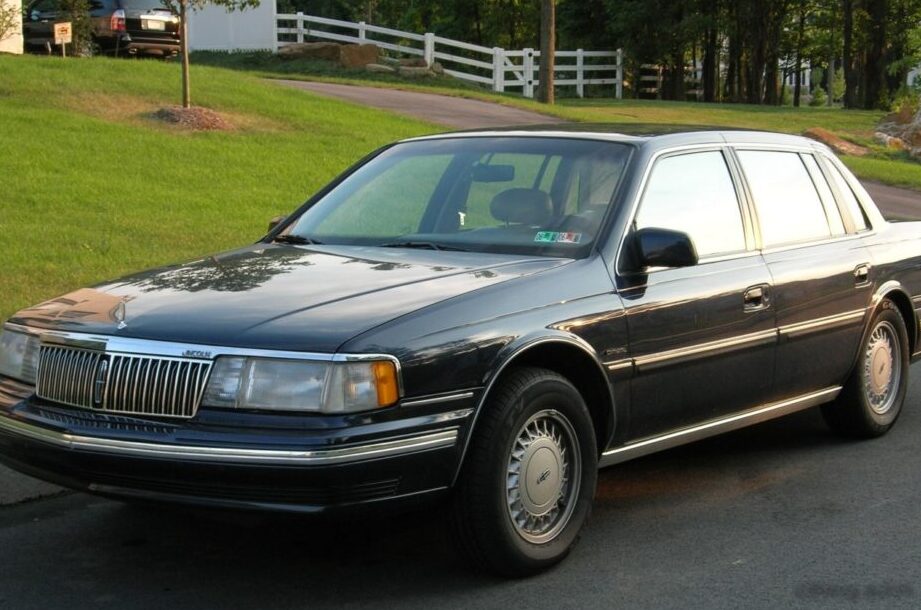
The Lincoln Continental VIII 3.8, produced between 1988 and 1991, represented a continuation of the long-running Continental lineage, albeit during a period of significant transition for the model. This iteration, part of the seventh generation (1988-1994), aimed to blend traditional American luxury with evolving automotive technology. The 3.8-liter variant, delivering 140 horsepower, occupied a middle ground in the Continental VIII lineup, positioned as a more accessible option compared to the higher-output engines available. It catered to buyers prioritizing a comfortable ride and established brand prestige over outright performance.
Technical Specifications
| Brand | Lincoln |
| Model | Continental |
| Generation | Continental VIII |
| Type (Engine) | 3.8 (140 Hp) |
| Start of production | 1988 |
| End of production | 1991 |
| Powertrain Architecture | Internal Combustion engine |
| Body type | Sedan |
| Seats | 5 |
| Doors | 4 |
| Fuel consumption (urban) | 15.7 l/100 km (15 US mpg, 18 UK mpg, 6.4 km/l) |
| Fuel consumption (extra urban) | 10.2 l/100 km (23.1 US mpg, 27.7 UK mpg, 9.8 km/l) |
| Fuel consumption (combined) | 13.1 l/100 km (18 US mpg, 21.6 UK mpg, 7.6 km/l) |
| Fuel Type | Petrol (Gasoline) |
| Power | 140 Hp |
| Engine Model/Code | Essex |
| Engine aspiration | Naturally aspirated |
| Engine oil capacity | 4.3 l (4.54 US qt, 3.78 UK qt) |
| Coolant capacity | 13 l (13.74 US qt, 11.44 UK qt) |
| Length | 5210 mm (205.12 in) |
| Width | 1847 mm (72.72 in) |
| Height | 1412 mm (55.59 in) |
Powertrain & Engine Architecture
The Lincoln Continental VIII 3.8 was powered by the Ford Essex V6 engine. This 3.8-liter (232 cubic inch) engine was a 60-degree V6, utilizing a cast iron block and aluminum cylinder heads. The Essex engine had been in production for some time, undergoing revisions throughout its lifespan. The 1988-1991 version featured multi-port fuel injection, a significant improvement over earlier carbureted versions, contributing to improved efficiency and smoother operation. The engine employed a single overhead camshaft (SOHC) valvetrain, operating two valves per cylinder. The 140 horsepower output was achieved at approximately 4800 rpm, with peak torque of around 220 lb-ft at 3200 rpm. This engine was typically paired with a four-speed automatic transmission, a common configuration for American luxury cars of the era. The transmission was electronically controlled, offering smoother shifts compared to earlier hydraulically governed units.
Driving Characteristics
The 3.8-liter Continental VIII offered a comfortable, albeit not particularly sporty, driving experience. The automatic transmission was tuned for smooth, relaxed cruising rather than aggressive acceleration. Acceleration from 0 to 60 mph was estimated to be around 10-11 seconds, which was adequate for the time but lagged behind European competitors and even some domestic rivals with more powerful engines. The gear ratios were optimized for highway driving, providing relaxed cruising at typical interstate speeds. Compared to the optional 5.0-liter V8 engine, the 3.8 offered significantly less power, resulting in slower acceleration and a less engaging driving experience. However, the 3.8 provided better fuel economy and was generally considered more reliable. The suspension, tuned for comfort, absorbed bumps and road imperfections effectively, providing a plush ride.
Equipment & Trim Levels
The Continental VIII 3.8 typically came standard with a generous array of features expected of a luxury car in the late 1980s. These included power windows, power locks, power seats, air conditioning, and an AM/FM stereo. Leather upholstery was standard, and the interior featured woodgrain trim accents. Optional extras included a premium sound system, a sunroof, and upgraded leather packages. The trim level for the 3.8 was generally considered the base Continental VIII, with higher trims offering more luxurious appointments and additional features. The dashboard layout was relatively straightforward, with clearly marked gauges and easy-to-use controls.
Chassis & Braking
The Continental VIII utilized a body-on-frame construction, a traditional approach for American full-size cars. The suspension consisted of independent front suspension with coil springs and a solid rear axle with leaf springs. This setup prioritized ride comfort over handling precision. Braking duties were handled by power-assisted disc brakes in the front and drum brakes in the rear. Anti-lock braking systems (ABS) were available as an option, enhancing safety. The steering was power-assisted, providing light and easy steering effort. Stabilizer bars were included at both the front and rear to reduce body roll during cornering, although the car’s inherent weight and suspension setup limited its cornering ability.
Market Reception & Comparison
The Lincoln Continental VIII 3.8 received mixed reviews from automotive critics. While praised for its comfortable ride and spacious interior, it was often criticized for its lack of performance and somewhat dated styling. Compared to the 5.0-liter V8 version, the 3.8 was seen as a more sensible choice for buyers prioritizing fuel economy and reliability. However, it lacked the prestige and driving excitement of its more powerful sibling. Fuel economy, while not exceptional, was better than the V8, averaging around 18 mpg in combined driving. Reliability was generally good, although the Essex V6 engine was known to be prone to oil leaks as it aged. Compared to European luxury cars of the same era, the Continental VIII offered more space and a softer ride but lacked the handling precision and sophisticated technology.
Legacy
The Lincoln Continental VIII 3.8, while not a standout performer, remains a representative example of late 1980s American luxury. The Essex V6 engine, while not known for its longevity, proved to be relatively durable with proper maintenance. Today, these cars are relatively affordable on the used car market, appealing to collectors and enthusiasts seeking a classic American cruiser. Parts availability is generally good, although some trim-specific components may be difficult to find. The 3.8-liter version is often preferred by those seeking a more economical and reliable Continental VIII, making it a viable option for those looking to experience a piece of American automotive history.