
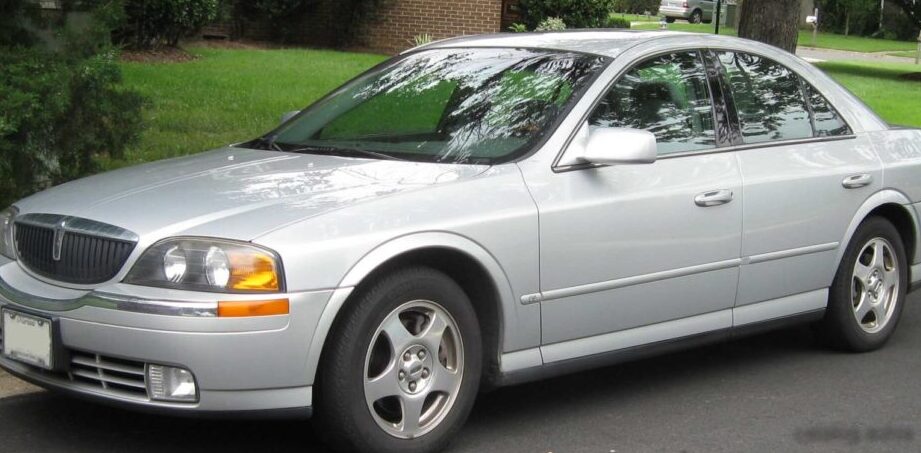
The Lincoln LS 3.0i, produced from 2001 to 2006, represented Lincoln’s attempt to enter the mid-size luxury sedan segment, directly competing with European marques like BMW and Mercedes-Benz. Positioned as a more sporting alternative to the larger Town Car and Grand Marquis, the LS utilized a rear-wheel-drive platform and a sophisticated independent suspension. The 3.0i variant, equipped with the 99S 3.0-liter V6 engine and a 5-speed automatic transmission, served as the entry point to the LS lineup, offering a balance of performance and luxury features. It was a key model in establishing the LS as a distinct offering within the Lincoln brand.
Technical Specifications
| Brand | Lincoln |
| Model | LS |
| Generation | LS |
| Type (Engine) | 3.0i V6 24V (213 Hp) |
| Start of production | 2001 |
| End of production | 2006 |
| Powertrain Architecture | Internal Combustion engine |
| Body type | Sedan |
| Seats | 5 |
| Doors | 4 |
| Fuel consumption (urban) | 13.1 l/100 km (18 US mpg, 21.6 UK mpg) |
| Fuel consumption (extra urban) | 9.4 l/100 km (25 US mpg, 30.1 UK mpg) |
| Fuel Type | Petrol (Gasoline) |
| Acceleration 0 – 100 km/h | 8 sec |
| Acceleration 0 – 62 mph | 8 sec |
| Acceleration 0 – 60 mph | 7.6 sec |
| Maximum speed | 219 km/h (136.08 mph) |
| Weight-to-power ratio | 7.8 kg/Hp, 127.5 Hp/tonne |
| Weight-to-torque ratio | 6 kg/Nm, 166.5 Nm/tonne |
| Power | 213 Hp @ 6500 rpm |
| Power per litre | 71.8 Hp/l |
| Torque | 278 Nm @ 4750 rpm (205.04 lb.-ft. @ 4750 rpm) |
| Engine layout | Front, Longitudinal |
| Engine Model/Code | 99S |
| Engine displacement | 2967 cm3 (181.06 cu. in.) |
| Number of cylinders | 6 |
| Engine configuration | V-engine |
| Cylinder Bore | 88.9 mm (3.5 in.) |
| Piston Stroke | 79.5 mm (3.13 in.) |
| Compression ratio | 10.5:1 |
| Number of valves per cylinder | 4 |
| Fuel injection system | Multi-port manifold injection |
| Engine aspiration | Naturally aspirated engine |
| Engine oil capacity | 6.2 l (6.55 US qt | 5.46 UK qt) |
| Coolant capacity | 11.3 l (11.94 US qt | 9.94 UK qt) |
| Kerb Weight | 1670 kg (3681.72 lbs.) |
| Max. weight | 2066 kg (4554.75 lbs.) |
| Max load | 396 kg (873.03 lbs.) |
| Trunk (boot) space – minimum | 382 l (13.49 cu. ft.) |
| Fuel tank capacity | 68 l (17.96 US gal | 14.96 UK gal) |
| Length | 4925 mm (193.9 in.) |
| Width | 1869 mm (73.58 in.) |
| Height | 1425 mm (56.1 in.) |
| Wheelbase | 2908 mm (114.49 in.) |
| Front track | 1537 mm (60.51 in.) |
| Rear (Back) track | 1544 mm (60.79 in.) |
| Drivetrain Architecture | Rear wheel drive |
| Number of gears and type of gearbox | 5 gears, automatic transmission |
| Front suspension | Coil spring |
| Rear suspension | Coil spring |
| Front brakes | Ventilated discs |
| Rear brakes | Disc |
| Assisting systems | ABS (Anti-lock braking system) |
| Steering type | Steering rack and pinion |
| Power steering | Hydraulic Steering |
| Tires size | 235/50 R17 |
| Wheel rims size | 17 |
Powertrain & Engine Architecture
The heart of the LS 3.0i is the 99S 3.0-liter DOHC 24-valve V6 engine. This engine, a member of the Jaguar AJ-V6 family (acquired by Ford with the purchase of Jaguar), featured a 60-degree V-angle and aluminum block and cylinder heads. The engine utilized multi-port fuel injection and a variable intake manifold to optimize performance across the rev range. The 5-speed automatic transmission, a Ford 5R55E unit, was chosen for its smooth shifting characteristics and reliability. This transmission featured electronic control and adaptive shift strategies. While a 5-speed manual was offered on other LS trims, it was not available with the 3.0L engine.
Driving Characteristics
The 3.0i’s powertrain delivered adequate, though not exhilarating, performance. Acceleration from 0-60 mph took approximately 7.6 seconds. The automatic transmission, while smooth, was tuned for comfort rather than aggressive shifting. Compared to the higher-output 3.7-liter V8 found in other LS models, the 3.0i felt noticeably less powerful, particularly during highway passing maneuvers. The gear ratios were optimized for fuel efficiency and relaxed cruising, resulting in a more refined driving experience than outright speed. The rear-wheel-drive configuration contributed to balanced handling, though it lacked the sporty feel of some European competitors.
Equipment & Trim Levels
The LS 3.0i typically came standard with features such as leather upholstery, power-adjustable front seats, a premium audio system, automatic climate control, and alloy wheels. Optional extras included a navigation system, sunroof, and upgraded interior trim packages. The 3.0i was often positioned as a more accessible entry point into the LS range, offering a good level of standard equipment without the higher price tag of the V8-powered models. Interior materials were generally of high quality, reflecting Lincoln’s emphasis on luxury.
Chassis & Braking
The Lincoln LS featured a fully independent suspension system, with double wishbones at all four corners. This setup provided a comfortable ride and good handling characteristics. The 3.0i models typically came equipped with ventilated front disc brakes and solid rear disc brakes. Anti-lock brakes (ABS) were standard. The suspension tuning was geared towards comfort, prioritizing a smooth ride over aggressive cornering. Stabilizer bars were fitted front and rear to reduce body roll.
Market Reception & Comparison
Critics generally praised the Lincoln LS for its comfortable ride, quiet interior, and upscale features. However, the 3.0i variant often received criticism for its relatively modest performance compared to its European rivals. Fuel economy was considered average for the class. Compared to the LS 3.7, the 3.0i offered a lower purchase price and slightly better fuel efficiency, but at the expense of performance. The 3.0i appealed to buyers who prioritized comfort and luxury over outright speed and handling.
Legacy
The Lincoln LS, despite its relatively short production run, remains a popular choice among enthusiasts seeking a comfortable and well-equipped American luxury sedan. The 3.0i powertrain, while not known for its exceptional performance, has proven to be reasonably reliable. Common issues include occasional transmission problems and oil leaks. Today, well-maintained examples of the LS 3.0i can be found on the used car market at affordable prices, making them an attractive option for those seeking a classic American luxury experience. The engine’s Jaguar heritage also contributes to its appeal among those familiar with British engineering.
