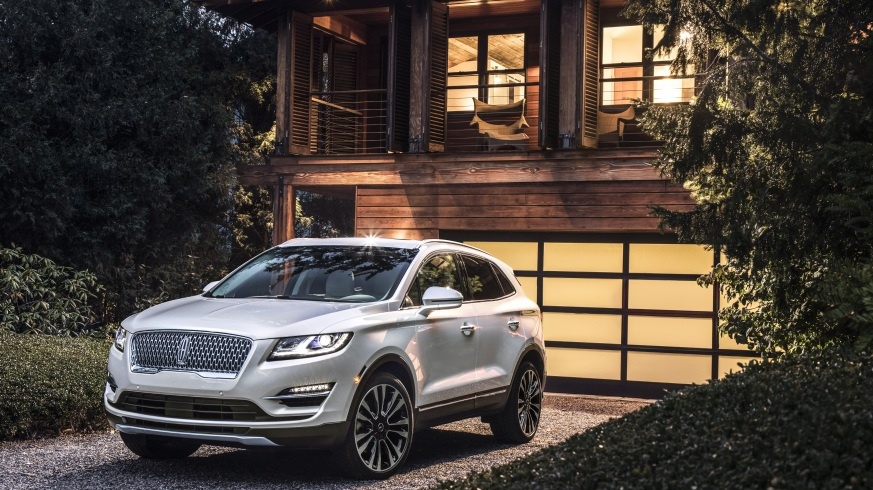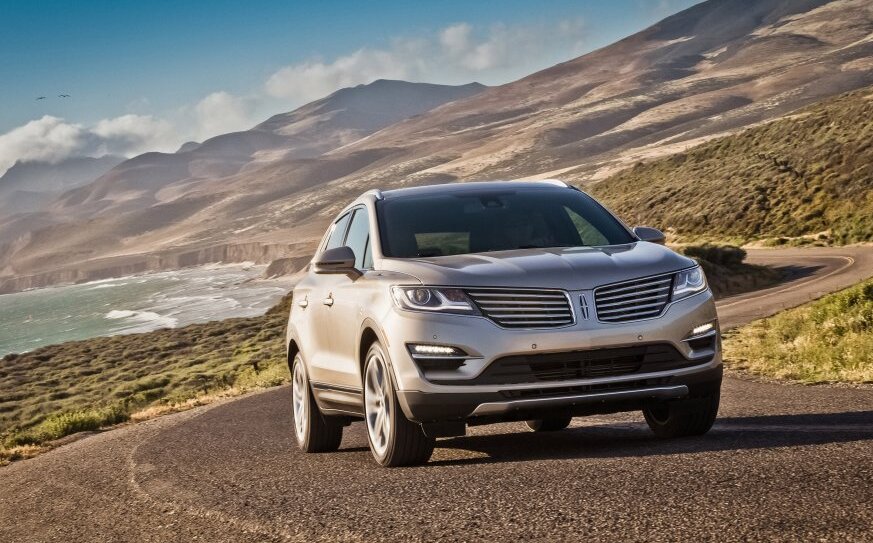
The Lincoln MKC 2.0 GTDI AWD Automatic, produced from 2014 to 2016, represented Lincoln’s entry into the burgeoning compact luxury SUV segment. Positioned as a premium offering, the MKC aimed to attract buyers seeking a blend of comfort, technology, and a more refined driving experience than mainstream competitors. It was built on the Ford C1 platform, shared with the Ford Escape and other Ford Motor Company vehicles, but distinguished itself through unique styling, interior appointments, and available powertrain options. The 2.0 GTDI (Gasoline Turbocharged Direct Injection) variant, equipped with all-wheel drive and a six-speed automatic transmission, served as a popular mid-range option within the MKC lineup.
Technical Specifications
| Brand | Lincoln |
| Model | MKC |
| Generation | MKC |
| Type (Engine) | 2.0 GTDI (240 Hp) AWD Automatic |
| Start of production | 2014 |
| End of production | 2016 |
| Powertrain Architecture | Internal Combustion engine |
| Body type | SUV |
| Seats | 5 |
| Doors | 5 |
| Fuel consumption (urban) | 12.4 l/100 km (19 US mpg) |
| Fuel consumption (extra urban) | 9 l/100 km (26.1 US mpg) |
| Fuel consumption (combined) | 10.7 l/100 km (22 US mpg) |
| Fuel Type | Petrol (Gasoline) |
| Weight-to-power ratio | 7.5 kg/Hp |
| Weight-to-torque ratio | 4.9 kg/Nm |
| Power | 240 Hp @ 5500 rpm |
| Power per litre | 120.1 Hp/l |
| Torque | 366 Nm @ 3000 rpm (269.95 lb.-ft. @ 3000 rpm) |
| Maximum engine speed | 6500 rpm |
| Engine layout | Front, Transverse |
| Engine Model/Code | EcoBoost |
| Engine displacement | 1999 cm3 (121.99 cu. in.) |
| Number of cylinders | 4 |
| Engine configuration | Inline |
| Cylinder Bore | 87.5 mm (3.44 in.) |
| Piston Stroke | 83.1 mm (3.27 in.) |
| Compression ratio | 9.3:1 |
| Number of valves per cylinder | 4 |
| Fuel injection system | Direct injection |
| Engine aspiration | Turbocharger, Intercooler |
| Valvetrain | DOHC, Ti-VCT |
| Engine oil capacity | 5.4 l (5.71 US qt | 4.75 UK qt) |
| Coolant | 8.1 l (8.56 US qt | 7.13 UK qt) |
| Kerb Weight | 1798 kg (3963.91 lbs.) |
| Trunk (boot) space – minimum | 799 l (28.22 cu. ft.) |
| Trunk (boot) space – maximum | 1504 l (53.11 cu. ft.) |
| Fuel tank capacity | 58 l (15.32 US gal | 12.76 UK gal) |
| Length | 4552 mm (179.21 in.) |
| Width | 1864 mm (73.39 in.) |
| Width including mirrors | 2136 mm (84.09 in.) |
| Height | 1656 mm (65.2 in.) |
| Wheelbase | 2690 mm (105.91 in.) |
| Front track | 1585 mm (62.4 in.) |
| Rear (Back) track | 1587 mm (62.48 in.) |
| Drag coefficient (Cd) | 0.34 |
| Minimum turning circle | 11.58 m (37.99 ft.) |
| Drive wheel | All wheel drive (4×4) |
| Number of gears | 6 |
| Gearbox type | automatic transmission SelectShift |
| Front brakes | Ventilated discs |
| Rear brakes | Disc |
| Assisting systems | ABS (Anti-lock braking system) |
| Steering type | Steering rack and pinion |
| Power steering | Electric Steering |
| Tires size | 235/50 R18 |
| Wheel rims size | 18 |
Powertrain & Engine Architecture
The heart of the MKC 2.0 GTDI was Ford’s 2.0-liter EcoBoost inline-four cylinder engine. This engine, part of Ford’s EcoBoost family, utilized a combination of direct fuel injection, a twin-scroll turbocharger, and variable valve timing (Ti-VCT) to deliver a balance of power and efficiency. The engine code for this specific configuration is generally associated with the Ford engine family, and variations existed depending on the specific production year. The direct injection system allowed for precise fuel delivery, enhancing combustion efficiency and reducing emissions. The twin-scroll turbocharger minimized turbo lag, providing quicker throttle response. The six-speed automatic transmission, branded as SelectShift, offered both fully automatic operation and the ability for the driver to manually select gears via steering wheel-mounted paddle shifters or the gear selector. This transmission was tuned for smooth shifts and responsive performance.
Driving Characteristics
The 240 horsepower and 366 lb-ft of torque produced by the 2.0 GTDI engine provided adequate performance for the MKC. Acceleration was brisk, though not particularly sporty, with a 0-60 mph time estimated around 7.5-8.0 seconds. The automatic transmission generally shifted smoothly, but could occasionally feel hesitant during quick acceleration maneuvers. Compared to the available 3.7-liter V6 engine option, the 2.0 GTDI offered a more fuel-efficient driving experience, but with a noticeable reduction in overall power and responsiveness. The all-wheel-drive system provided enhanced traction in inclement weather conditions, making the MKC a capable all-season vehicle. The gear ratios were optimized for everyday driving, prioritizing fuel economy over outright performance.
Equipment & Trim Levels
The MKC 2.0 GTDI AWD Automatic typically came standard with a respectable array of features, including leather upholstery, heated front seats, a rearview camera, Ford’s SYNC infotainment system, and automatic climate control. Higher trim levels, such as the Reserve trim, added features like navigation, premium audio systems, and advanced safety technologies such as blind-spot monitoring and lane-keeping assist. Optional extras included a panoramic sunroof, adaptive cruise control, and power-adjustable pedals. Interior color schemes varied, offering a range of choices to suit individual preferences.
Chassis & Braking
The MKC’s chassis featured a MacPherson strut front suspension and an independent multi-link rear suspension. The suspension was tuned for a comfortable ride, prioritizing smoothness over sporty handling. The all-wheel-drive system utilized an automatic disconnecting rear axle, allowing the vehicle to operate in front-wheel drive under normal driving conditions to improve fuel efficiency. Braking duties were handled by ventilated discs at the front and solid discs at the rear. Anti-lock brakes (ABS) were standard, along with electronic stability control. The MKC’s steering was electrically assisted, providing light and precise steering feel.
Market Reception & Comparison
The Lincoln MKC 2.0 GTDI AWD Automatic was generally well-received by automotive critics. It was praised for its comfortable ride, spacious interior, and user-friendly technology. However, some reviewers noted that the 2.0 GTDI engine could feel underpowered when fully loaded or during aggressive driving. Fuel economy was considered average for the segment. Compared to competitors like the Acura RDX, BMW X3, and Audi Q5, the MKC offered a more affordable price point but lacked the same level of performance and brand prestige. The 2.0 GTDI variant offered a better balance of fuel economy and performance compared to the larger 3.7L V6, making it a popular choice for buyers prioritizing efficiency.
Legacy
The Lincoln MKC, and specifically the 2.0 GTDI AWD Automatic variant, has proven to be a relatively reliable vehicle in the used car market. The EcoBoost engine, while occasionally susceptible to timing belt issues (depending on the specific engine code and maintenance history), generally holds up well with proper maintenance. The six-speed automatic transmission is also known for its durability. As of today, well-maintained MKCs can be found at reasonable prices, offering a comfortable and well-equipped luxury SUV experience for budget-conscious buyers. The MKC paved the way for Lincoln’s continued expansion into the SUV market, and its design cues and features influenced subsequent Lincoln models.