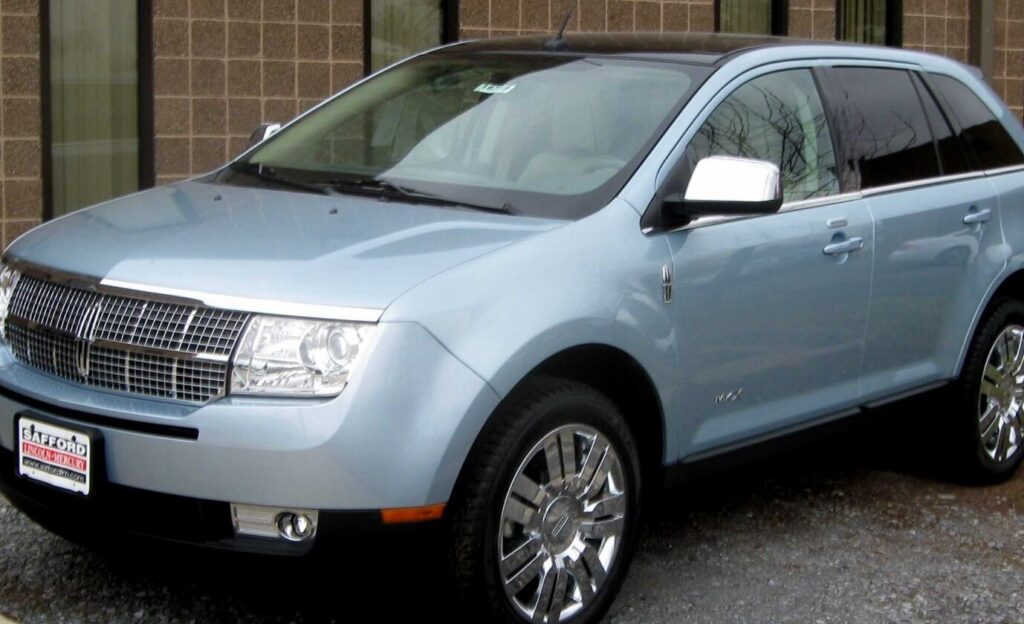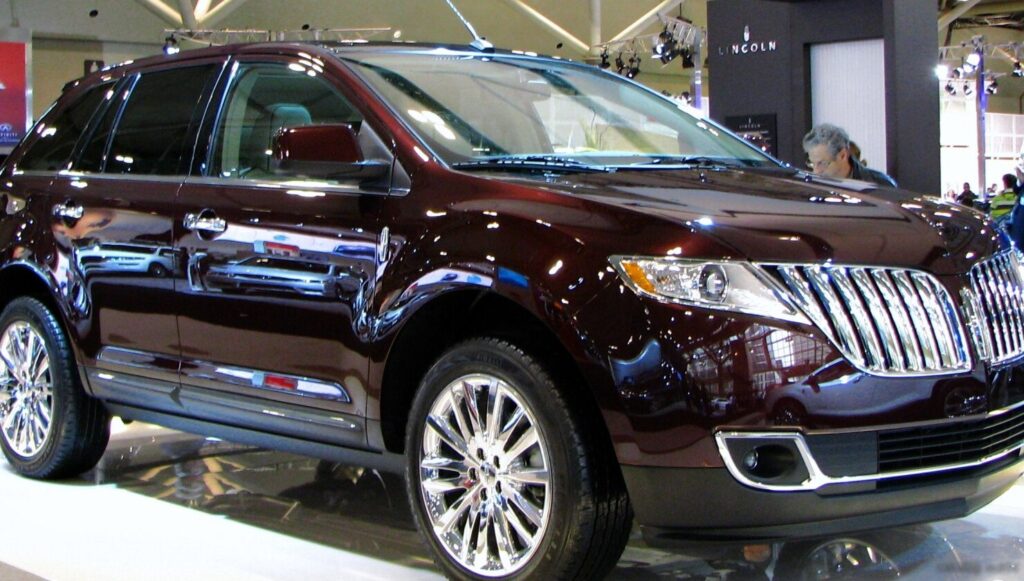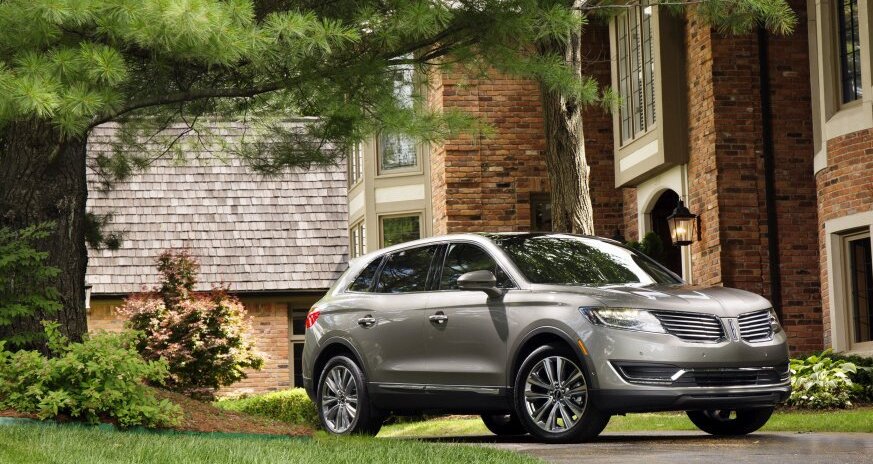
The Lincoln MKX II 2.7 GTDI V6 AWD Automatic, produced from 2015 to 2018, represented a significant step forward for Lincoln’s mid-size luxury crossover offering. Positioned as a premium trim within the second generation MKX (introduced in 2016 as a 2016 model, replacing the first generation launched in 2007), this variant combined a potent turbocharged engine with all-wheel drive and a six-speed automatic transmission. It aimed to deliver a balance of performance, luxury, and capability to compete with established players like the Acura RDX, Audi Q5, and BMW X3 in the North American market. The MKX II was built on the Ford D4 platform, shared with the Ford Edge, but differentiated itself through unique styling, a more refined interior, and a focus on comfort and technology.
Technical Specifications
| Brand | Lincoln |
| Model | MKX |
| Generation | MKX II |
| Type (Engine) | 2.7 GTDI V6 (335 Hp) AWD Automatic |
| Start of production | 2015 year |
| End of production | 2018 year |
| Powertrain Architecture | Internal Combustion engine |
| Body type | Crossover |
| Seats | 5 |
| Doors | 5 |
| Fuel consumption (economy) – urban | 13.8 l/100 km (17 US mpg, 20.5 UK mpg, 7.2 km/l) |
| Fuel consumption (economy) – extra urban | 9.8 l/100 km (24 US mpg, 28.8 UK mpg, 10.2 km/l) |
| Fuel consumption (economy) – combined | 12.4 l/100 km (19 US mpg, 22.8 UK mpg, 8.1 km/l) |
| Fuel Type | Petrol (Gasoline) |
| Weight-to-power ratio | 6 kg/Hp, 166.1 Hp/tonne |
| Weight-to-torque ratio | 3.9 kg/Nm, 255.3 Nm/tonne |
| Power | 335 Hp @ 5500 rpm |
| Power per litre | 124.6 Hp/l |
| Torque | 515 Nm @ 3000 rpm (379.84 lb.-ft. @ 3000 rpm) |
| Maximum engine speed | 6500 rpm |
| Engine layout | Front, Transverse |
| Engine Model/Code | EcoBoost |
| Engine displacement | 2688 cm3 (164.03 cu. in.) |
| Number of cylinders | 6 |
| Engine configuration | V-engine |
| Cylinder Bore | 83 mm (3.27 in.) |
| Piston Stroke | 83 mm (3.27 in.) |
| Compression ratio | 10.5:1 |
| Number of valves per cylinder | 4 |
| Fuel injection system | Direct injection |
| Engine aspiration | Twin-Turbo, Intercooler |
| Valvetrain | DOHC, Ti-VCT |
| Engine oil capacity | 5.7 l (6.02 US qt | 5.02 UK qt) |
| Coolant | 10 l (10.57 US qt | 8.8 UK qt) |
| Kerb Weight | 2017 kg (4446.72 lbs.) |
| Max. weight | 2425 kg (5346.21 lbs.) |
| Max load | 408 kg (899.49 lbs.) |
| Trunk (boot) space – minimum | 1053 l (37.19 cu. ft.) |
| Trunk (boot) space – maximum | 1948 l (68.79 cu. ft.) |
| Fuel tank capacity | 70 l (18.49 US gal | 15.4 UK gal) |
| Permitted trailer load with brakes (12%) | 1587 kg (3498.74 lbs.) |
| Permitted trailer load without brakes | 907 kg (1999.59 lbs.) |
| Length | 4826 mm (190 in.) |
| Width | 1933 mm (76.1 in.) |
| Width including mirrors | 2187 mm (86.1 in.) |
| Height | 1681 mm (66.18 in.) |
| Wheelbase | 2850 mm (112.2 in.) |
| Front track | 1646 mm (64.8 in.) |
| Rear (Back) track | 1644 mm (64.72 in.) |
| Ride height (ground clearance) | 198 mm (7.8 in.) |
| Drag coefficient (Cd) | 0.34 |
| Minimum turning circle (turning diameter) | 11.77 m (38.62 ft.) |
| Approach angle | 18° |
| Departure angle | 23.6° |
| Ramp-over (brakeover) angle | 16.4° |
| Drive wheel | All wheel drive (4×4) |
| Number of gears and type of gearbox | 6 gears, automatic transmission SelectShift |
| Front brakes | Ventilated discs |
| Rear brakes | Disc |
| Assisting systems | ABS (Anti-lock braking system) |
| Power steering | Electric Steering |
| Tires size | 245/50 R20 |
| Wheel rims size | 20 |
Powertrain & Engine Architecture
The heart of the MKX II 2.7 GTDI was the 2.7-liter EcoBoost V6 engine. This engine, part of Ford’s EcoBoost family, utilized a twin-turbocharged configuration to deliver a substantial 335 horsepower and 380 lb-ft of torque. The engine featured direct fuel injection, a double overhead camshaft (DOHC) valvetrain with variable valve timing (Ti-VCT), and a relatively high 10.5:1 compression ratio. The twin-turbo setup employed a single scroll turbocharger design, aimed at reducing turbo lag and improving responsiveness. The engine code is generally associated with the Ford EcoBoost family, and specific calibrations were tailored for the MKX. The six-speed “SelectShift” automatic transmission was the sole transmission offering for this variant. This transmission featured paddle shifters for manual gear selection, although its primary focus was on smooth, comfortable shifts rather than outright performance.
Driving Characteristics
The 2.7 GTDI AWD MKX offered a noticeably more spirited driving experience compared to the base 3.7-liter V6 model. The twin-turbocharged engine provided strong acceleration, particularly in the mid-range, making highway merging and overtaking maneuvers effortless. While not a sports car, the MKX felt confident and capable on the road. The all-wheel-drive system provided enhanced traction in inclement weather. The six-speed automatic transmission generally shifted smoothly, but some reviewers noted it could occasionally feel hesitant during quick downshifts. The gear ratios were tuned for comfort and fuel efficiency rather than maximizing performance. Compared to the 3.7L V6, the 2.7 GTDI offered a more refined and powerful experience, while the fuel economy was comparable, despite the significant power increase.
Equipment & Trim Levels
The 2.7 GTDI AWD typically came standard with a generous array of features. These included leather upholstery, heated and ventilated front seats, a power-adjustable steering column, a premium sound system (often Revel), and a suite of driver-assistance technologies such as blind-spot monitoring, lane-keeping assist, and adaptive cruise control. Optional extras included a panoramic sunroof, navigation system, and upgraded interior trim packages. The MKX II offered several trim levels, with the 2.7 GTDI often found in the Reserve and Black Label trims, representing the higher end of the lineup. The Black Label trim, in particular, offered exclusive materials and finishes, elevating the interior to a truly luxurious level.
Chassis & Braking
The MKX II utilized an independent front and rear suspension system. The front suspension featured MacPherson struts, while the rear employed a multi-link setup. The suspension was tuned for a comfortable ride, prioritizing isolation from road imperfections. The 2.7 GTDI models typically featured larger brakes compared to the base models, with ventilated discs at all four corners. Anti-lock brakes (ABS) and electronic stability control were standard. The all-wheel-drive system was primarily front-biased, but could dynamically shift power to the rear wheels as needed to maintain traction.
Market Reception & Comparison
The Lincoln MKX II 2.7 GTDI AWD was generally well-received by automotive critics. The engine was praised for its power and refinement, and the all-wheel-drive system was appreciated for its added security. However, some reviewers noted that the MKX’s interior, while luxurious, didn’t quite match the sophistication of some European competitors. Fuel economy was considered average for the segment. Compared to the 3.7L V6 MKX, the 2.7 GTDI offered a significant performance upgrade with minimal compromise in fuel efficiency. Against rivals like the Acura RDX and Audi Q5, the MKX offered a compelling blend of luxury, performance, and value.
Legacy
The 2.7 GTDI engine proved to be a relatively reliable powertrain, although some owners have reported issues with the turbochargers and fuel injectors over the long term. Regular maintenance, including oil changes and inspections of the cooling system, is crucial for ensuring longevity. On the used car market, the MKX II 2.7 GTDI AWD commands a slightly higher price than the base 3.7L models, reflecting its superior performance and features. The MKX II, and particularly this variant, helped to revitalize the Lincoln brand and establish it as a credible competitor in the luxury crossover segment. The engine itself became a staple in various Ford and Lincoln vehicles, demonstrating its versatility and capability.