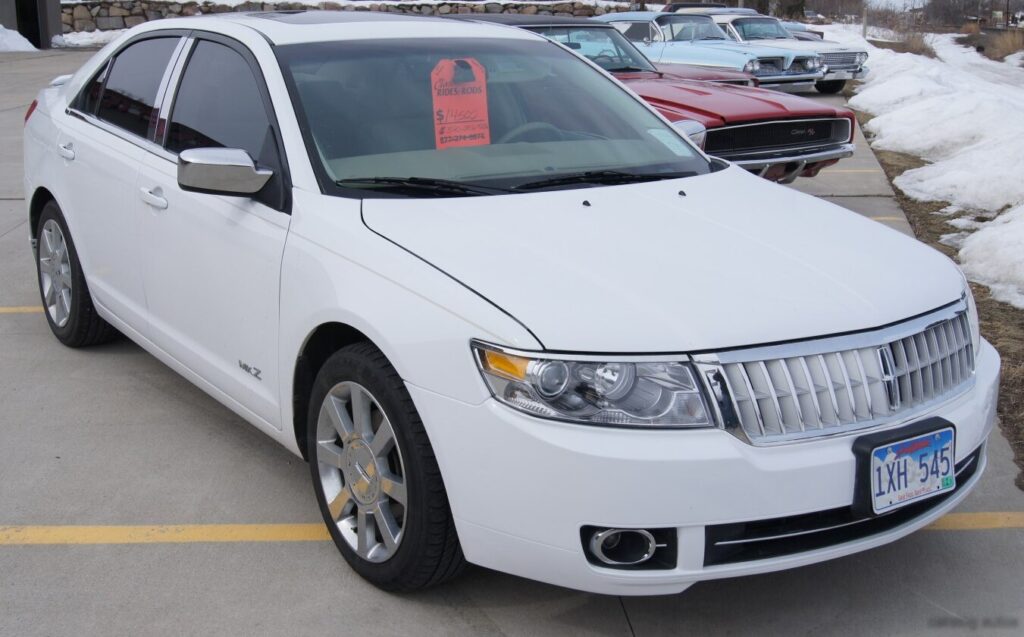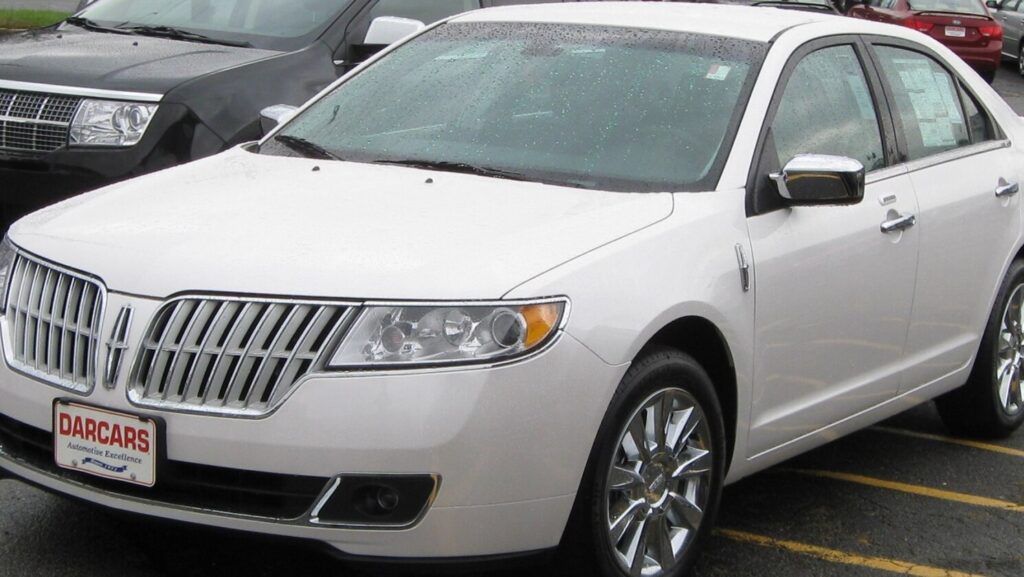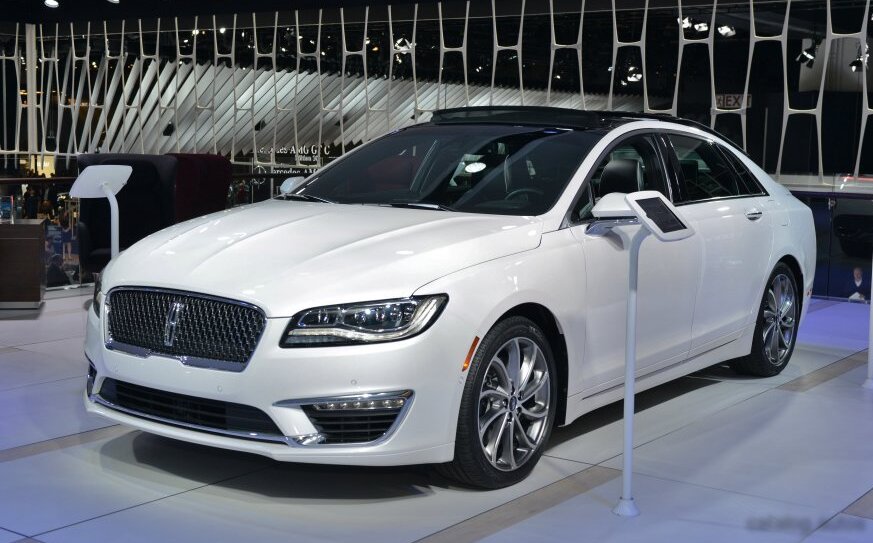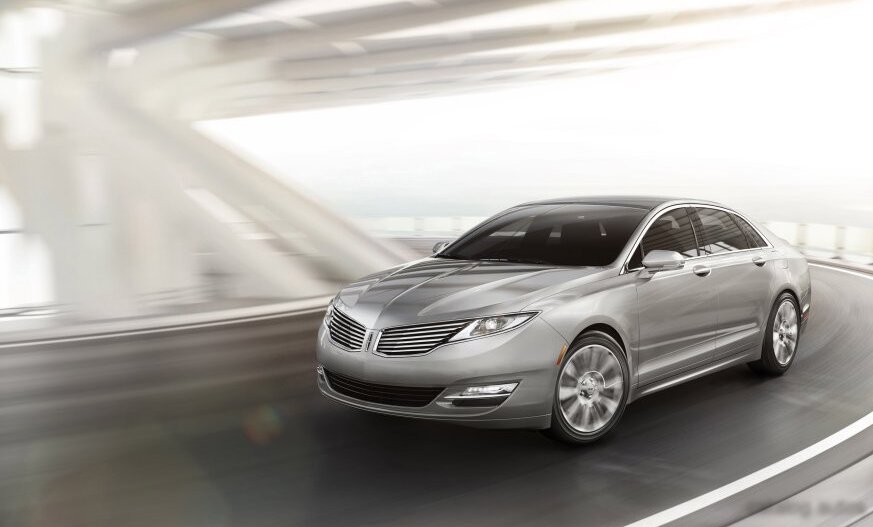
The Lincoln MKZ II, specifically the 3.7 V6 variant with all-wheel drive and an automatic transmission, represented a significant step forward for Lincoln in the mid-size luxury sedan segment. Produced from 2012 to 2016, this generation MKZ aimed to attract a younger, more sophisticated buyer than previous Lincoln models. The 3.7L V6 AWD Automatic trim occupied the upper-mid range of the MKZ lineup, offering a balance of performance and luxury features, positioned below the more exclusive Reserve trim but above the base 2.0L EcoBoost models. It was Lincoln’s attempt to compete directly with established players like the Acura TLX, Audi A6, and Lexus ES.
Technical Specifications
| Brand | Lincoln |
| Model | MKZ |
| Generation | MKZ II |
| Type (Engine) | 3.7 V6 (300 Hp) AWD Automatic |
| Start of production | 2012 |
| End of production | 2016 |
| Powertrain Architecture | Internal Combustion engine |
| Body type | Sedan |
| Seats | 5 |
| Doors | 4 |
| Fuel consumption (urban) | 13.1 l/100 km (18 US mpg, 21.6 UK mpg, 7.6 km/l) |
| Fuel consumption (extra urban) | 9 l/100 km (26.1 US mpg, 31.4 UK mpg, 11.1 km/l) |
| Fuel consumption (combined) | 11.2 l/100 km (21 US mpg, 25.2 UK mpg, 8.9 km/l) |
| Fuel Type | Petrol (Gasoline) |
| Weight-to-power ratio | 6.1 kg/Hp, 165.3 Hp/tonne |
| Weight-to-torque ratio | 5 kg/Nm, 201.7 Nm/tonne |
| Power | 300 Hp @ 6500 rpm |
| Power per litre | 80.5 Hp/l |
| Torque | 366 Nm @ 4000 rpm (269.95 lb.-ft. @ 4000 rpm) |
| Maximum engine speed | 6750 rpm |
| Engine layout | Front, Transverse |
| Engine Model/Code | Cyclone |
| Engine displacement | 3726 cm3 (227.37 cu. in.) |
| Number of cylinders | 6 |
| Engine configuration | V-engine |
| Cylinder Bore | 95.5 mm (3.76 in.) |
| Piston Stroke | 86.7 mm (3.41 in.) |
| Compression ratio | 10.3:1 |
| Number of valves per cylinder | 4 |
| Fuel injection system | Multi-port manifold injection |
| Engine aspiration | Naturally aspirated engine |
| Valvetrain | DOHC, Ti-VCT |
| Engine oil capacity | 5.2 l (5.49 US qt | 4.58 UK qt) |
| Coolant | 9.2 l (9.72 US qt | 8.09 UK qt) |
| Kerb Weight | 1815 kg (4001.39 lbs.) |
| Trunk (boot) space – maximum | 436 l (15.4 cu. ft.) |
| Fuel tank capacity | 68 l (17.96 US gal | 14.96 UK gal) |
| Length | 4930 mm (194.09 in.) |
| Width | 1864 mm (73.39 in.) |
| Height | 1478 mm (58.19 in.) |
| Wheelbase | 2850 mm (112.2 in.) |
| Front track | 1582 mm (62.28 in.) |
| Rear (Back) track | 1575 mm (62.01 in.) |
| Drag coefficient (Cd) | 0.30 |
| Minimum turning circle (turning diameter) | 11.9 m (39.04 ft.) |
| Drive wheel | All wheel drive (4×4) |
| Number of gears and type of gearbox | 6 gears, automatic transmission SelectShift |
| Front brakes | Ventilated discs |
| Rear brakes | Disc |
| Assisting systems | ABS (Anti-lock braking system) |
| Steering type | Steering rack and pinion |
| Power steering | Electric Steering |
| Tires size | 245/45 R18 |
| Wheel rims size | 18 |
INTRODUCTION
The Lincoln MKZ II, launched for the 2013 model year, represented a departure from the traditionally styled Lincolns of the past. Built on the Ford CD3 platform (shared with the Ford Fusion and Ford Mondeo), the MKZ aimed for a more modern and European-influenced aesthetic. The 3.7-liter V6 AWD Automatic model was a key component of the lineup, offering a compelling blend of power, all-weather capability, and a relatively luxurious driving experience. Production continued through 2016, with minor updates throughout its lifespan. This variant was aimed at buyers who desired a comfortable and capable sedan without the higher price tag of the flagship models from European competitors.
Powertrain & Engine Architecture
At the heart of the MKZ II 3.7L AWD was the Ford Cyclone family of engines. This 3.7-liter, naturally aspirated V6 (engine code 3.7L Duratec) produced 300 horsepower at 6500 rpm and 270 lb-ft of torque at 4000 rpm. The engine featured a dual overhead camshaft (DOHC) design with variable valve timing (Ti-VCT) on both intake and exhaust valves, contributing to its broad powerband. Fuel delivery was handled by multi-port fuel injection. The engine’s aluminum block and cylinder heads helped to keep weight down. The transmission was a six-speed automatic with SelectShift functionality, allowing for manual gear selection. The all-wheel-drive system was an intelligent system that could vary the torque split between the front and rear axles based on road conditions and driver input, enhancing stability and traction.
Driving Characteristics
The 3.7L V6 provided brisk acceleration, capable of propelling the MKZ from 0 to 60 mph in around 5.5 seconds. While not a sports sedan, the engine offered ample power for highway passing and merging. The six-speed automatic transmission generally shifted smoothly, although some reviewers noted a slight hesitation at times. The all-wheel-drive system provided confident handling in inclement weather. Compared to the 2.0L EcoBoost models, the 3.7L offered a more refined and powerful driving experience, but at the cost of fuel economy. The manual shift mode, while present, wasn’t particularly engaging, lacking the responsiveness of some competitors’ systems. The suspension was tuned for comfort, resulting in a smooth ride, but it didn’t offer the same level of handling precision as some sport-tuned sedans.
Equipment & Trim Levels
The MKZ II 3.7L AWD Automatic typically came standard with features such as leather upholstery, heated front seats, a rearview camera, dual-zone automatic climate control, and a premium audio system. Optional extras included a navigation system, a THX II Certified sound system, adaptive cruise control, blind-spot monitoring, and a power moonroof. The interior design was modern and well-appointed, with a focus on comfort and convenience. The dashboard featured a prominent touchscreen display for controlling infotainment functions. The MKZ offered a relatively spacious interior for its class, with comfortable seating for five adults.
Chassis & Braking
The MKZ II utilized a MacPherson strut front suspension and a multi-link rear suspension. The suspension was tuned for a balance of comfort and handling. The 3.7L AWD models typically featured larger brakes than the base models, with ventilated discs at all four corners. Anti-lock brakes (ABS) and electronic stability control were standard. The steering was electric power-assisted, providing a light and responsive feel. The all-wheel-drive system added to the vehicle’s stability and braking performance, particularly on slippery surfaces.
Market Reception & Comparison
The MKZ II 3.7L AWD Automatic received generally positive reviews from automotive critics. It was praised for its comfortable ride, spacious interior, and powerful engine. However, some reviewers criticized its fuel economy and the somewhat dated infotainment system. Compared to the 2.0L EcoBoost models, the 3.7L offered more power but lower fuel efficiency. Compared to its European rivals, the MKZ offered a competitive level of luxury and features at a more affordable price point. Reliability was generally good, although some owners reported minor issues with the infotainment system and the automatic transmission.
Legacy
The Lincoln MKZ II 3.7L V6 AWD Automatic remains a relatively affordable and well-equipped used car option. The Cyclone V6 engine is known for its durability, and the six-speed automatic transmission has proven to be reliable. While not a standout performer in any particular category, the MKZ II 3.7L offers a comfortable, capable, and stylish driving experience. Its all-wheel-drive system makes it a practical choice for buyers in regions with harsh winters. As of today, these models can be found in good condition with reasonable mileage, representing a good value for those seeking a mid-size luxury sedan.