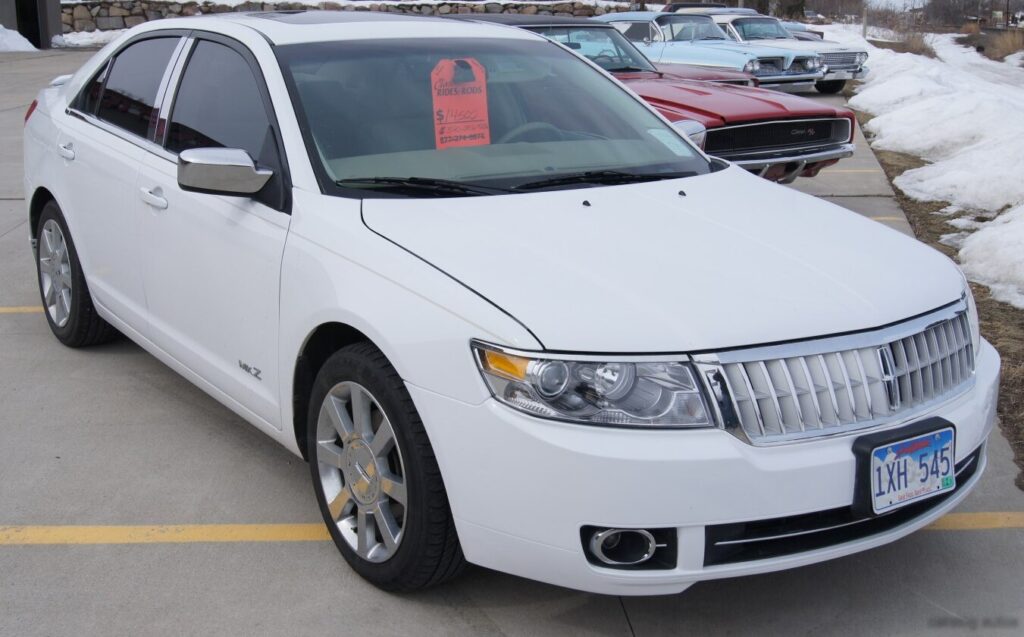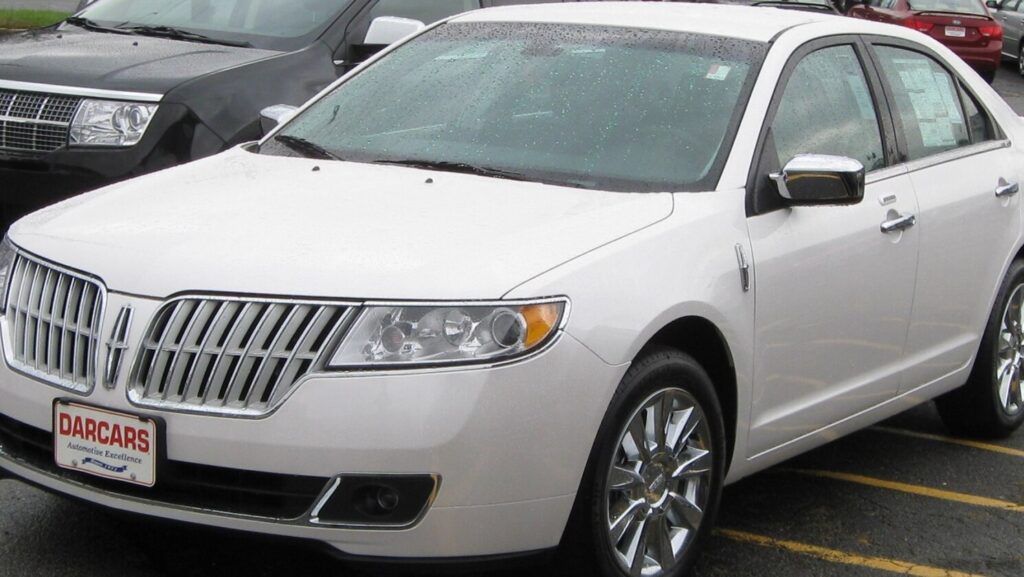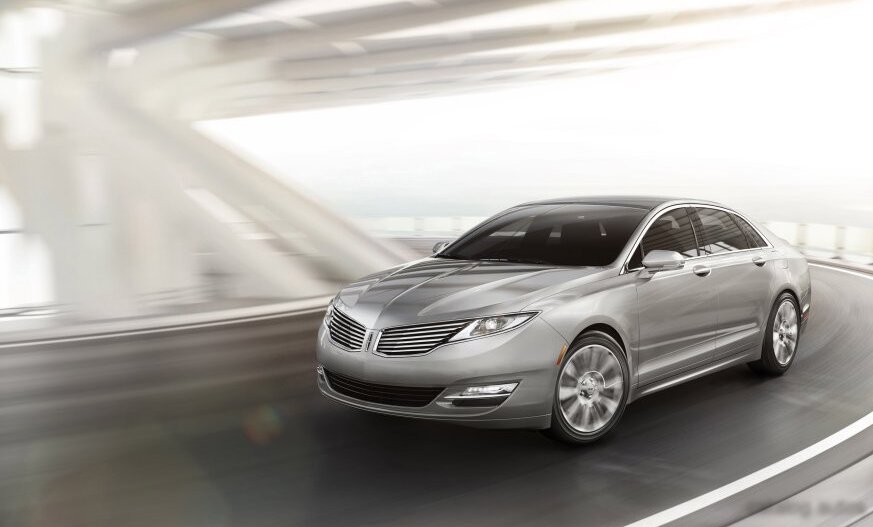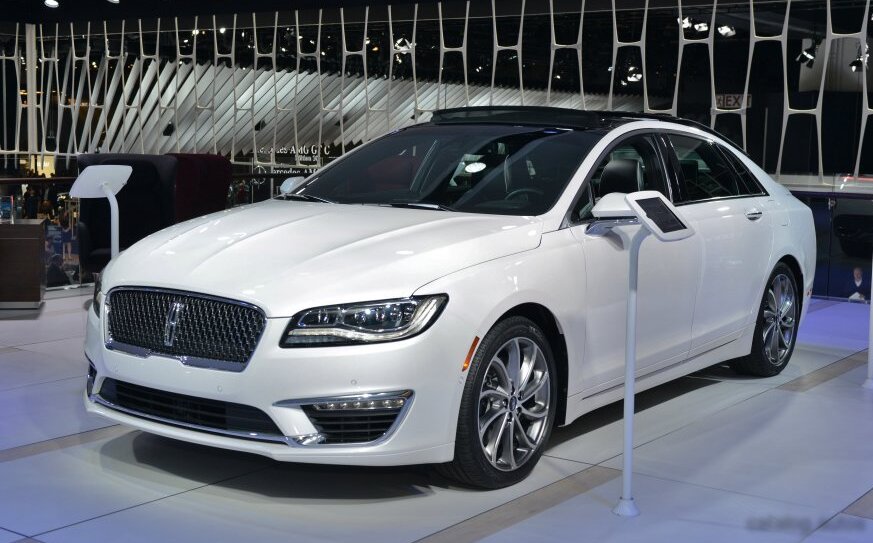
The Lincoln MKZ II, specifically the 2.0 GTDI variant with the automatic transmission, represented a significant step in Lincoln’s attempt to capture a larger share of the mid-size luxury sedan market in North America. Produced from 2016 to 2020, this facelifted version of the MKZ (introduced in 2013) aimed to blend sophisticated styling with a more engaging driving experience. The 2.0 GTDI Automatic trim occupied a middle ground in the MKZ lineup, offering a balance between performance and fuel efficiency, positioned above the base 2.5L engine and below the more powerful 3.0L twin-turbocharged V6.
Technical Specifications
| Brand | Lincoln |
| Model | MKZ |
| Generation | MKZ II (facelift 2017) |
| Type (Engine) | 2.0 GTDI (245 Hp) Automatic |
| Start of production | 2016 |
| End of production | 2020 |
| Powertrain Architecture | Internal Combustion engine |
| Body type | Sedan |
| Seats | 5 |
| Doors | 4 |
| Fuel consumption (urban) | 11.2 l/100 km (21 US mpg) |
| Fuel consumption (extra urban) | 7.6 l/100 km (30.9 US mpg) |
| Fuel consumption (combined) | 9.8 l/100 km (24 US mpg) |
| Fuel Type | Petrol (Gasoline) |
| Weight-to-power ratio | 6.9 kg/Hp |
| Weight-to-torque ratio | 4.5 kg/Nm |
| Power | 245 Hp @ 5500 rpm |
| Power per litre | 122.6 Hp/l |
| Torque | 373 Nm @ 3000 rpm (275.11 lb.-ft. @ 3000 rpm) |
| Engine layout | Front, Transverse |
| Engine Model/Code | EcoBoost |
| Engine displacement | 1999 cm3 (121.99 cu. in.) |
| Number of cylinders | 4 |
| Engine configuration | Inline |
| Cylinder Bore | 87.5 mm (3.44 in.) |
| Piston Stroke | 83.1 mm (3.27 in.) |
| Compression ratio | 9.7:1 |
| Number of valves per cylinder | 4 |
| Fuel injection system | Direct injection |
| Engine aspiration | Turbocharger, Intercooler |
| Valvetrain | DOHC, Ti-VCT |
| Engine oil capacity | 5.4 l (5.71 US qt | 4.75 UK qt) |
| Coolant | 8 l (8.45 US qt | 7.04 UK qt) |
| Kerb Weight | 1696 kg (3739.04 lbs.) |
| Trunk (boot) space – maximum | 436 l (15.4 cu. ft.) |
| Fuel tank capacity | 62 l (16.38 US gal | 13.64 UK gal) |
| Length | 4925 mm (193.9 in.) |
| Width | 1864 mm (73.39 in.) |
| Height | 1478 mm (58.19 in.) |
| Wheelbase | 2850 mm (112.2 in.) |
| Front track | 1582 mm (62.28 in.) |
| Rear (Back) track | 1575 mm (62.01 in.) |
| Drag coefficient (Cd) | 0.30 |
| Minimum turning circle | 11.9 m (39.04 ft.) |
| Drivetrain Architecture | Front wheel drive |
| Number of gears and type of gearbox | 6 gears, automatic transmission SelectShift |
| Front brakes | Ventilated discs |
| Rear brakes | Disc |
| Tires size | 245/45 R18 |
| Wheel rims size | 18 |
Powertrain & Engine Architecture
The heart of the MKZ 2.0 GTDI Automatic is Ford’s 2.0-liter EcoBoost inline-four cylinder engine. This engine, designated as part of the EcoBoost family, utilizes direct fuel injection combined with a single turbocharger and intercooler to deliver a compelling blend of power and efficiency. The engine code is a key identifier, often found in service manuals and parts catalogs. The 2.0L EcoBoost features a double overhead camshaft (DOHC) valvetrain with variable valve timing (Ti-VCT) on both intake and exhaust valves, optimizing engine breathing across the rev range. The six-speed automatic transmission, marketed as SelectShift, offers a blend of smooth automatic operation and the ability for the driver to manually select gears via steering wheel-mounted paddle shifters or the gear selector. This transmission was chosen for its responsiveness and ability to handle the engine’s torque output.
Driving Characteristics
The 245 horsepower and 275 lb-ft of torque produced by the 2.0 GTDI engine provided the MKZ with respectable acceleration. While not as brisk as the 3.0L twin-turbo V6, the 2.0L offered a more than adequate driving experience for most drivers. The automatic transmission’s gear ratios were tuned for a balance between fuel economy and performance, with a focus on providing smooth shifts during normal driving conditions. Compared to the manual transmission option available on other MKZ trims, the automatic prioritized comfort and ease of use over outright performance. The front-wheel-drive configuration contributed to a comfortable ride, but also limited the car’s handling capabilities compared to all-wheel-drive variants.
Equipment & Trim Levels
The 2.0 GTDI Automatic trim typically included standard features such as leather upholstery, a power-adjustable driver’s seat, dual-zone automatic climate control, and a premium audio system. Infotainment was handled by Lincoln’s SYNC system, offering features like Bluetooth connectivity, navigation, and smartphone integration. Optional extras included a panoramic sunroof, adaptive cruise control, lane-keeping assist, and a rear-view camera. Interior color options varied, with choices typically including black, gray, and beige leather. The exterior styling was generally consistent across trims, with the 2.0 GTDI Automatic often featuring chrome accents and alloy wheels.
Chassis & Braking
The MKZ II utilized a front-wheel-drive platform with independent front suspension and a multi-link rear suspension. The suspension was tuned for a comfortable ride, prioritizing isolation from road imperfections. Front brakes were ventilated discs, providing ample stopping power, while rear brakes were solid discs. Anti-lock braking system (ABS) was standard, enhancing safety and control during emergency braking situations. The steering system employed electric power steering, offering a light and responsive feel. Stabilizer bars were fitted to both the front and rear axles to reduce body roll during cornering.
Market Reception & Comparison
Critics generally praised the MKZ 2.0 GTDI Automatic for its comfortable ride, refined interior, and fuel efficiency. However, some reviewers noted that the engine lacked the punch of its competitors, and the handling wasn’t as engaging as some other luxury sedans. Compared to the base 2.5L engine, the 2.0 GTDI offered a noticeable performance upgrade. Against the 3.0L twin-turbo V6, it represented a more economical choice, albeit with less power. Fuel economy figures of around 24 mpg combined were competitive for the segment. Reliability reports were generally positive, with the 2.0L EcoBoost engine proving to be a relatively dependable unit.
Legacy
The Lincoln MKZ II, including the 2.0 GTDI Automatic variant, played a role in Lincoln’s efforts to modernize its brand image and attract a younger demographic. While the MKZ was eventually discontinued in 2020, the 2.0L EcoBoost engine continues to be used in various Ford and Lincoln vehicles. On the used car market, the MKZ 2.0 GTDI Automatic offers a compelling value proposition, providing a comfortable and well-equipped luxury sedan at a relatively affordable price point. The powertrain, while not without its potential maintenance needs (like any turbocharged engine), has proven to be reasonably durable, making it a viable option for buyers seeking a reliable and stylish mid-size sedan.