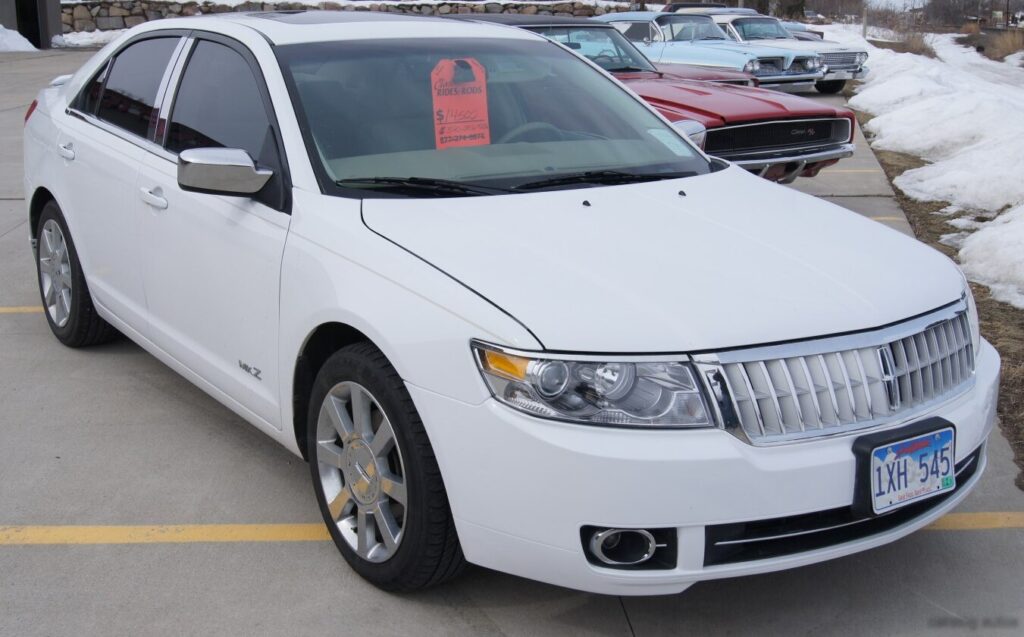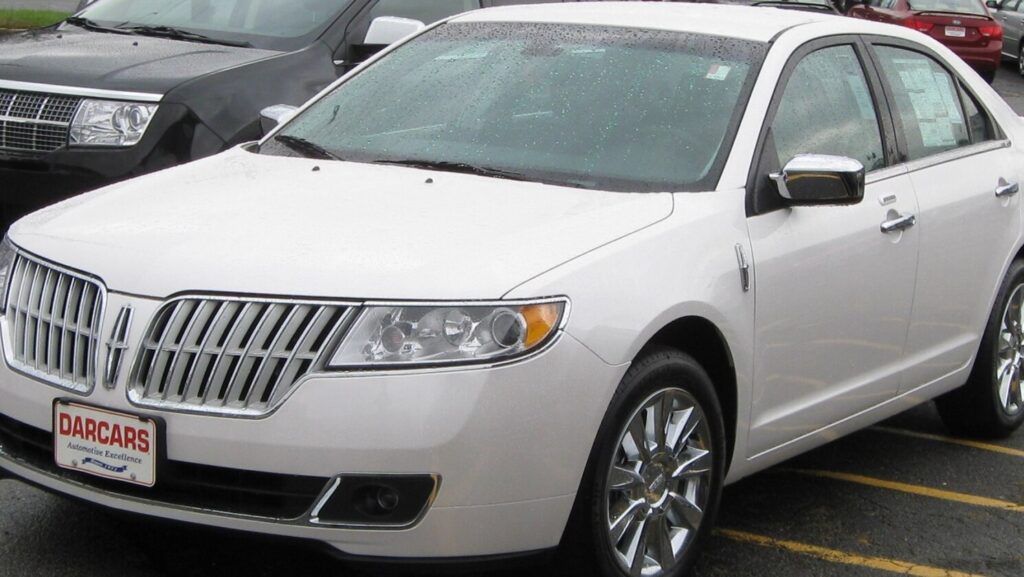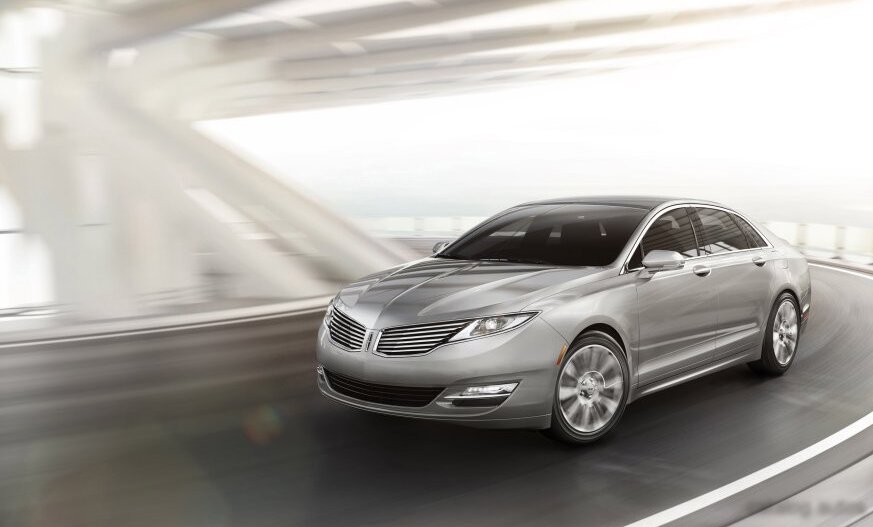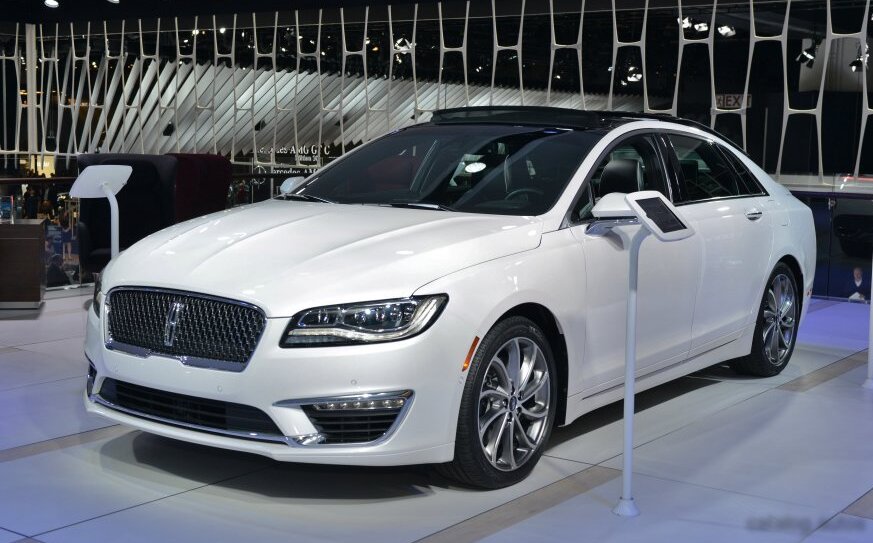
The Lincoln MKZ II, specifically the 3.0 GTDI V6 variant with the automatic transmission, represented a significant step in Lincoln’s attempt to recapture a segment of the mid-size luxury sedan market. Produced from 2016 to 2020, this facelifted version of the MKZ (introduced in 2013) aimed to offer a more compelling blend of performance, technology, and comfort. The 3.0 GTDI model, positioned as the premium offering within the MKZ lineup, distinguished itself through its potent twin-turbocharged V6 engine and sophisticated features. It competed directly with established players like the Acura TLX, Audi A6, and Lexus ES.
Technical Specifications
| Brand | Lincoln |
| Model | MKZ |
| Generation | MKZ II (facelift 2017) |
| Type (Engine) | 3.0 GTDI V6 (350 Hp) Automatic |
| Start of production | 2016 |
| End of production | 2020 |
| Powertrain Architecture | Internal Combustion engine |
| Body type | Sedan |
| Seats | 5 |
| Doors | 4 |
| Fuel consumption (urban) | 13.1 l/100 km (18 US mpg, 21.6 UK mpg, 7.6 km/l) |
| Fuel consumption (extra urban) | 8.7 l/100 km (27 US mpg, 32.5 UK mpg, 11.5 km/l) |
| Fuel consumption (combined) | 11.2 l/100 km (21 US mpg, 25.2 UK mpg, 8.9 km/l) |
| Fuel Type | Petrol (Gasoline) |
| Weight-to-power ratio | 5.2 kg/Hp, 191.8 Hp/tonne |
| Weight-to-torque ratio | 3.4 kg/Nm, 297 Nm/tonne |
| Power | 350 Hp @ 5500 rpm |
| Power per litre | 118.4 Hp/l |
| Torque | 542 Nm @ 2750 rpm (399.76 lb.-ft. @ 2750 rpm) |
| Engine layout | Front, Transverse |
| Engine Model/Code | EcoBoost |
| Engine displacement | 2956 cm3 (180.39 cu. in.) |
| Number of cylinders | 6 |
| Engine configuration | V-engine |
| Cylinder Bore | 85.4 mm (3.36 in.) |
| Piston Stroke | 86 mm (3.39 in.) |
| Compression ratio | 9.5:1 |
| Number of valves per cylinder | 4 |
| Fuel injection system | Direct injection |
| Engine aspiration | Twin-Turbo, Intercooler |
| Valvetrain | DOHC, Ti-VCT |
| Engine oil capacity | 5.7 l (6.02 US qt | 5.02 UK qt) |
| Coolant | 10.8 l (11.41 US qt | 9.5 UK qt) |
| Kerb Weight | 1825 kg (4023.44 lbs.) |
| Trunk (boot) space – maximum | 436 l (15.4 cu. ft.) |
| Fuel tank capacity | 62 l (16.38 US gal | 13.64 UK gal) |
| Length | 4925 mm (193.9 in.) |
| Width | 1864 mm (73.39 in.) |
| Height | 1478 mm (58.19 in.) |
| Wheelbase | 2850 mm (112.2 in.) |
| Front track | 1582 mm (62.28 in.) |
| Rear (Back) track | 1575 mm (62.01 in.) |
| Drag coefficient (Cd) | 0.30 |
| Minimum turning circle (turning diameter) | 11.9 m (39.04 ft.) |
| Drivetrain Architecture | The Internal combustion engine (ICE) drives the front wheels of the vehicle. |
| Drive wheel | Front wheel drive |
| Number of gears and type of gearbox | 6 gears, automatic transmission SelectShift |
| Front brakes | Ventilated discs |
| Rear brakes | Disc |
| Assisting systems | ABS (Anti-lock braking system) |
| Steering type | Steering rack and pinion |
| Power steering | Electric Steering |
| Tires size | 245/40 R19V |
| Wheel rims size | 19 |
Powertrain & Engine Architecture
The heart of the MKZ 3.0 GTDI is Lincoln’s 3.0-liter EcoBoost V6 engine. This engine, part of Ford’s EcoBoost family, utilizes a twin-turbocharged configuration to deliver a substantial 350 horsepower and 542 lb-ft of torque. The engine employs direct fuel injection, maximizing combustion efficiency and power output. The valvetrain features a Double Overhead Camshaft (DOHC) design with Twin Independent Variable Camshaft Timing (Ti-VCT), allowing for precise control of valve timing to optimize performance across the rev range. The engine is transversely mounted in the front of the vehicle.
The automatic transmission is a six-speed “SelectShift” unit. While not a dual-clutch transmission, it offers manual shift control via paddle shifters or the gear selector, providing drivers with a degree of engagement. The transmission is tuned for smooth, comfortable shifts, prioritizing refinement over outright sportiness.
Driving Characteristics
The 3.0 GTDI MKZ delivers brisk acceleration, with the twin-turbo V6 providing ample power for both highway passing and city driving. The automatic transmission, while smooth, isn’t as quick to downshift as some competitors. The gear ratios are optimized for a balance of fuel efficiency and performance. Compared to the base 2.0-liter turbocharged four-cylinder engine, the 3.0 GTDI offers a significantly more powerful and refined driving experience. It also feels more responsive than the hybrid variant, which prioritizes fuel economy. The front-wheel-drive configuration, while adequate for most conditions, doesn’t offer the same level of handling precision as all-wheel-drive systems found in some competing models.
Equipment & Trim Levels
The 3.0 GTDI typically came well-equipped, often including features like leather upholstery, heated and ventilated front seats, a premium sound system, and a large touchscreen infotainment system. Standard features also included a rearview camera, parking sensors, and a suite of driver-assistance technologies such as blind-spot monitoring and lane-keeping assist. Optional extras included a panoramic sunroof, adaptive cruise control, and a navigation system. Interior trim options varied, with choices in wood and metal accents.
Chassis & Braking
The MKZ II utilizes a front-wheel-drive platform with independent front and rear suspension. The front suspension features MacPherson struts, while the rear employs a multi-link setup. The 3.0 GTDI models generally received slightly stiffer suspension tuning compared to lower trims to better manage the increased power. Braking duties are handled by ventilated discs at the front and solid discs at the rear. Anti-lock brakes (ABS) are standard, along with electronic stability control.
Market Reception & Comparison
Critics generally praised the MKZ 3.0 GTDI for its powerful engine and comfortable ride. However, some reviewers noted that the interior design, while luxurious, wasn’t as modern or visually striking as those of some European competitors. Fuel economy, while respectable, wasn’t class-leading. Compared to the 2.0-liter EcoBoost model, the 3.0 GTDI offered a substantial performance upgrade but came at a higher price point and with slightly lower fuel efficiency. The hybrid variant provided better fuel economy but lacked the V6’s outright power.
Legacy
The Lincoln MKZ II 3.0 GTDI, while not a runaway sales success, represents a commendable effort by Lincoln to offer a competitive luxury sedan. The EcoBoost V6 powertrain proved to be relatively reliable, although routine maintenance, including oil changes and spark plug replacements, is crucial. On the used car market, these models offer a good value proposition for buyers seeking a comfortable and powerful mid-size sedan. The engine’s robust design and readily available parts contribute to its long-term durability, making it a viable option for years to come.