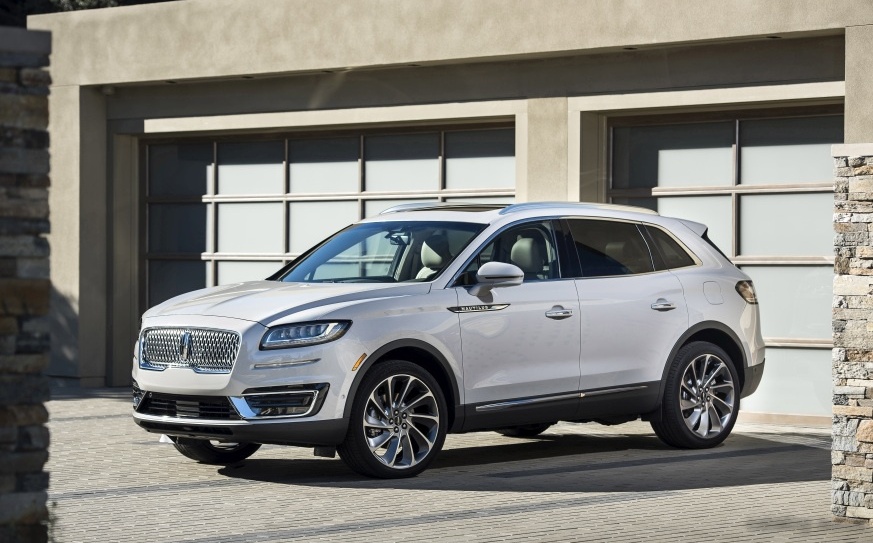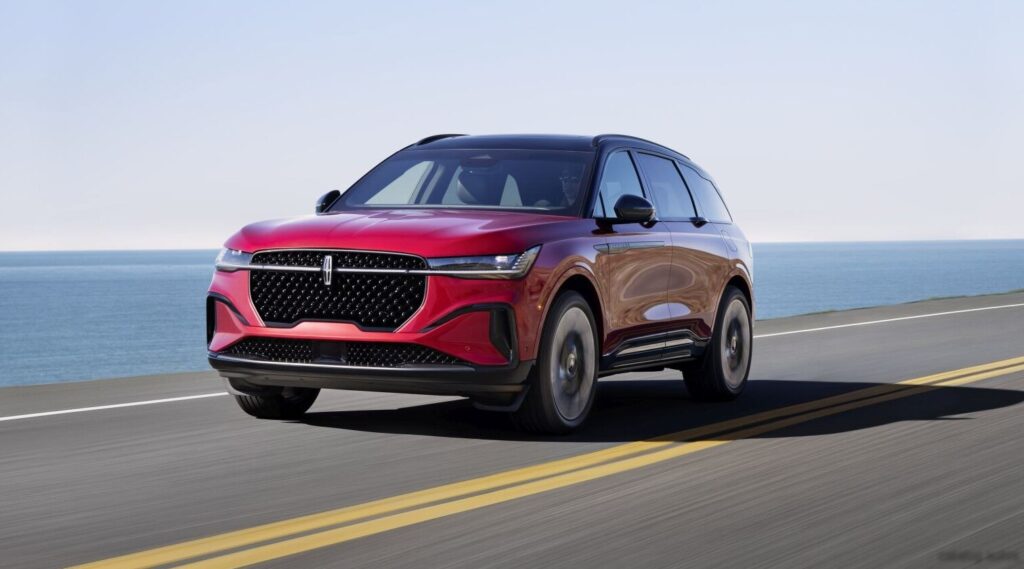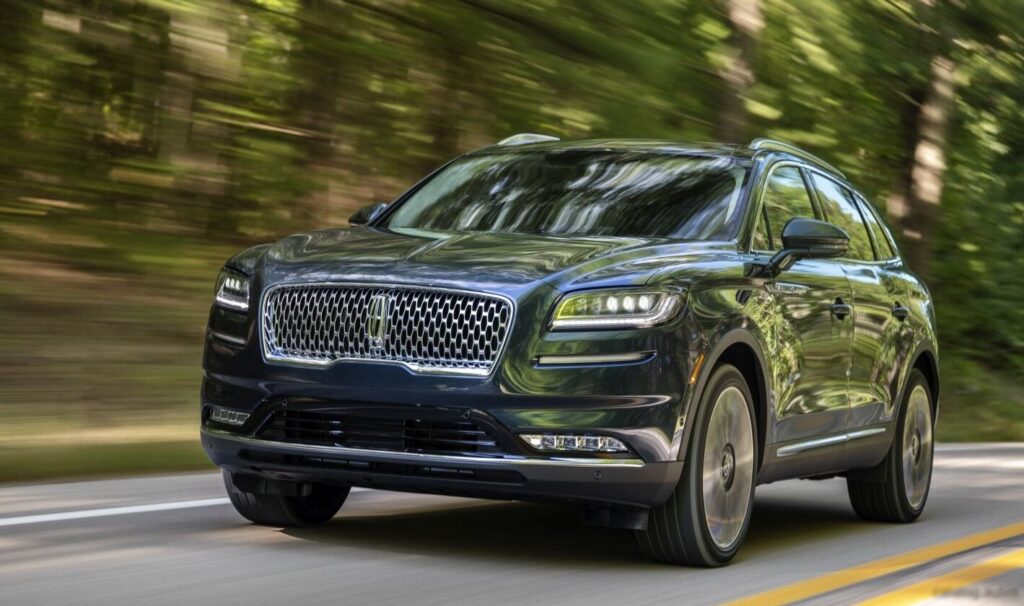
The Lincoln Nautilus I (facelift, 2020) 2.0L (250 hp) AWD Automatic represents a mid-cycle refresh of the first-generation Nautilus, a mid-size luxury SUV positioned below the larger Aviator in Lincoln’s lineup. Introduced in November 2020 for the 2021 model year and continuing through April 2023, this variant aimed to balance performance, fuel efficiency, and all-weather capability for the North American market. It served as a popular choice for buyers seeking a comfortable and well-equipped SUV with standard all-wheel drive. This specific configuration occupied the middle ground in the Nautilus range, offering a step up in power and refinement from the base 2.0L engine while remaining more accessible than the optional 2.7L turbocharged V6.
Technical Specifications
| Brand | Lincoln |
| Model | Nautilus |
| Generation | Nautilus I (facelift 2020) |
| Type (Engine) | 2.0 (250 Hp) AWD Automatic |
| Start of production | November, 2020 |
| End of production | April, 2023 |
| Powertrain Architecture | Internal Combustion engine |
| Body type | SUV |
| Seats | 5 |
| Doors | 5 |
| Fuel consumption (urban) | 11.8 l/100 km (19.9 US mpg) |
| Fuel consumption (extra urban) | 9.4 l/100 km (25 US mpg) |
| Fuel consumption (combined) | 10.7 l/100 km (22 US mpg) |
| Fuel Type | Petrol (Gasoline) |
| Weight-to-power ratio | 7.9 kg/Hp (127 Hp/tonne) |
| Weight-to-torque ratio | 5.2 kg/Nm (193.1 Nm/tonne) |
| Power | 250 Hp @ 5500 rpm |
| Torque | 380 Nm @ 3000 rpm (280.27 lb.-ft. @ 3000 rpm) |
| Engine layout | Front, Transverse |
| Engine Model/Code | EcoBoost |
| Number of cylinders | 4 |
| Engine configuration | Inline |
| Cylinder Bore | 86.36 mm (3.4 in.) |
| Piston Stroke | 83.06 mm (3.27 in.) |
| Compression ratio | 10:1 |
| Number of valves per cylinder | 4 |
| Fuel injection system | Direct injection |
| Engine aspiration | Turbocharger, Intercooler |
| Valvetrain | DOHC |
| Engine oil capacity | 5.2 l (5.49 US qt | 4.58 UK qt) |
| Coolant capacity | 9.2 l (9.72 US qt | 8.09 UK qt) |
| Kerb Weight | 1968 kg (4338.7 lbs.) |
| Trunk (boot) space – minimum | 1053 l (37.19 cu. ft.) |
| Trunk (boot) space – maximum | 1948 l (68.79 cu. ft.) |
| Fuel tank capacity | 68 l (17.96 US gal | 14.96 UK gal) |
| Permitted trailer load with brakes (12%) | 1588 kg (3500.94 lbs.) |
| Length | 4826 mm (190 in.) |
| Width with mirrors folded | 1999 mm (78.7 in.) |
| Width including mirrors | 2187 mm (86.1 in.) |
| Height | 1681 mm (66.18 in.) |
| Wheelbase | 2850 mm (112.2 in.) |
| Front track | 1646 mm (64.8 in.) |
| Rear (Back) track | 1643 mm (64.69 in.) |
| Minimum turning circle | 12 m (39.37 ft.) |
| Drivetrain Architecture | All wheel drive (4×4) |
| Number of gears and type of gearbox | 8 gears, automatic transmission SelectShift |
| Front suspension | Independent, type McPherson with coil spring and anti-roll bar |
| Rear suspension | Independent multi-link spring suspension with stabilizer |
| Front brakes | Ventilated discs, 350×32 mm |
| Rear brakes | Disc, 345×19 mm |
| Tires size | 245/50 R20; 265/40 R21 |
| Wheel rims size | 20; 21 |
Introduction
The 2021-2023 Lincoln Nautilus 2.0L AWD Automatic emerged as a key variant within the refreshed first generation of Lincoln’s mid-size SUV. Building upon the foundation laid by the original Nautilus (introduced as a replacement for the MKX), the facelift brought updated styling, enhanced technology, and refined interior appointments. This 2.0-liter turbocharged four-cylinder engine paired with an eight-speed automatic transmission and standard all-wheel drive offered a compelling blend of efficiency and capability, targeting buyers who prioritized a smooth driving experience and all-weather confidence. The Nautilus competed directly with luxury SUVs like the Acura RDX, Audi Q5, and BMW X3.
Powertrain & Engine Architecture
At the heart of this Nautilus variant lies Ford’s 2.0-liter EcoBoost inline-four cylinder engine. This engine, designated within Ford’s engine family as a variant of the I4-20, utilizes direct fuel injection and a single twin-scroll turbocharger with an integrated intercooler. The engine’s architecture features a double overhead camshaft (DOHC) valvetrain with four valves per cylinder, contributing to its responsive performance. The 10:1 compression ratio is a balance between efficiency and power output. The eight-speed automatic transmission, marketed as SelectShift, provides smooth and efficient gear changes. This transmission is designed to adapt to driving conditions and driver input, offering both automatic and manual shift modes. The all-wheel-drive system is primarily front-wheel drive, engaging the rear wheels as needed via an electronically controlled clutch for enhanced traction.
Driving Characteristics
The 250 horsepower and 380 lb-ft of torque delivered by the 2.0L EcoBoost engine provide adequate acceleration for everyday driving situations. While not as overtly sporty as some competitors, the Nautilus 2.0L AWD offers a comfortable and composed ride. The eight-speed automatic transmission is well-tuned, providing smooth shifts and keeping the engine in its optimal power band. Compared to the available 2.7L V6, the 2.0L feels less powerful, particularly during quick overtaking maneuvers or when fully loaded. However, the 2.0L’s lighter weight contributes to slightly better handling and fuel economy. The all-wheel-drive system provides confident traction in inclement weather, enhancing stability and control. The gear ratios are optimized for a balance of acceleration and fuel efficiency, with a focus on providing a relaxed and refined driving experience.
Equipment & Trim Levels
The Nautilus 2.0L AWD Automatic was typically offered in Reserve and Ultimate trim levels. The Reserve trim included standard features such as leather upholstery, a power liftgate, a panoramic sunroof, and a suite of advanced driver-assistance systems including blind-spot monitoring, lane-keeping assist, and automatic emergency braking. The Ultimate trim added features like premium leather, adaptive suspension, a 13.2-inch touchscreen infotainment system, and a Revel premium audio system. Optional extras included a Technology Package, which added features like adaptive cruise control and a 360-degree camera system. Interior color options typically included various shades of black, gray, and brown leather.
Chassis & Braking
The Nautilus utilizes a unibody construction for enhanced rigidity and crash safety. The front suspension features an independent McPherson strut design with coil springs and an anti-roll bar, while the rear suspension employs an independent multi-link setup with a stabilizer bar. This suspension configuration prioritizes ride comfort and handling balance. Braking duties are handled by ventilated discs at the front and solid discs at the rear. The anti-lock braking system (ABS) and electronic stability control (ESC) are standard features, providing enhanced braking performance and stability. Steering is provided by an electric power-assisted steering system, offering a light and responsive feel.
Market Reception & Comparison
The Lincoln Nautilus 2.0L AWD Automatic received generally positive reviews from automotive critics. It was praised for its comfortable ride, spacious interior, and user-friendly technology. However, some reviewers noted that the 2.0L engine could feel underpowered compared to some competitors. Fuel economy was generally considered to be competitive for its class, averaging around 22 mpg in combined driving. Compared to the 2.7L V6 Nautilus, the 2.0L offered a lower price point and slightly better fuel efficiency, making it an attractive option for budget-conscious buyers. Reliability reports have been mixed, with some owners reporting minor issues with the infotainment system and occasional engine hiccups.
Legacy
The Lincoln Nautilus 2.0L AWD Automatic represents a significant step forward in Lincoln’s efforts to re-establish itself as a luxury brand. While the first-generation Nautilus has been replaced by a fully redesigned model, the 2.0L EcoBoost engine continues to be a popular choice in other Ford and Lincoln vehicles. The powertrain, while not without its quirks, has proven to be generally reliable and durable. On the used car market, these models offer a good value proposition for buyers seeking a comfortable, well-equipped, and capable luxury SUV. The 2021-2023 facelifted models, in particular, benefit from the updated styling and enhanced technology features.