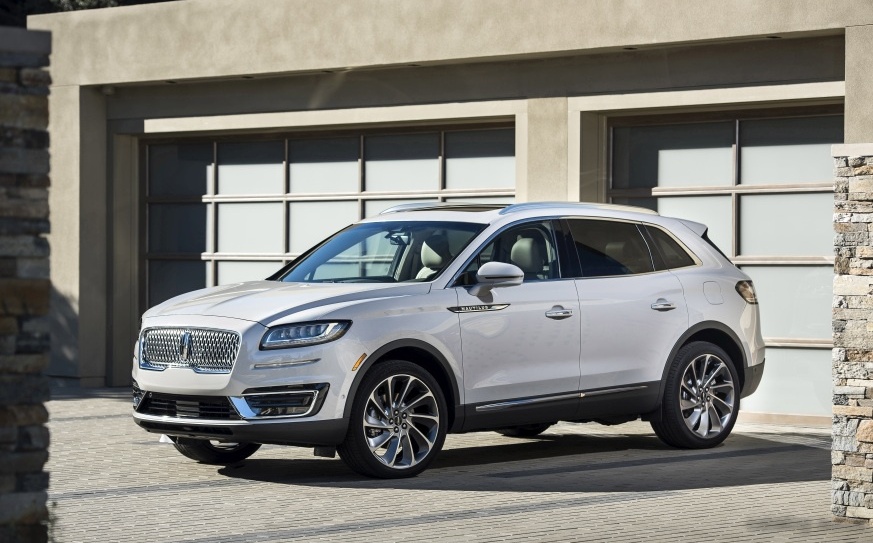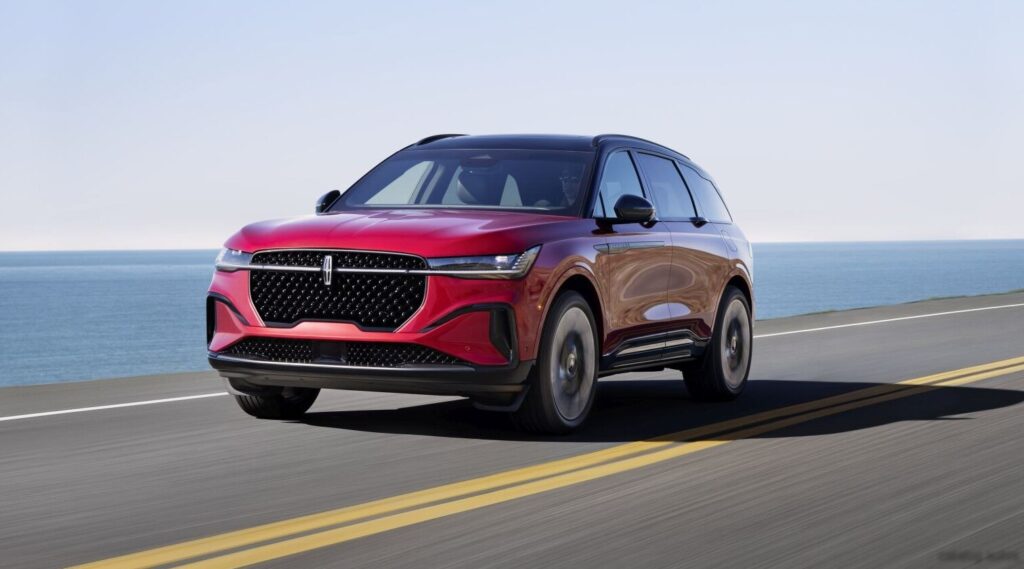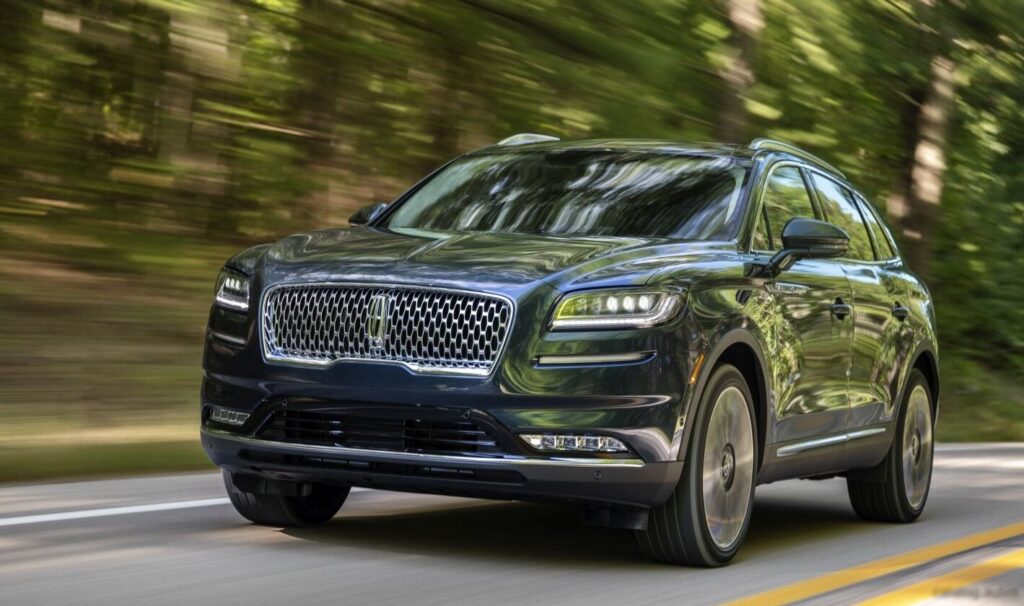
The Lincoln Nautilus I, specifically the facelifted version introduced in November 2020 and produced through April 2023, represented a significant step forward for Lincoln’s mid-size luxury SUV offering. This iteration, and particularly the 2.7 V6 engine paired with an all-wheel-drive system and automatic transmission, aimed to balance performance, comfort, and technology within the competitive luxury SUV segment. Positioned as a mid-to-upper trim level within the Nautilus lineup, it offered a more potent alternative to the base engine while remaining more accessible than potential future high-performance variants. The Nautilus I (facelift) built upon the foundation of the original Nautilus (introduced for 2018), incorporating styling updates and enhanced features.
Technical Specifications
| Brand | Lincoln |
| Model | Nautilus |
| Generation | Nautilus I (facelift 2020) |
| Type (Engine) | 2.7 V6 (335 Hp) AWD Automatic |
| Start of production | November, 2020 |
| End of production | April, 2023 |
| Powertrain Architecture | Internal Combustion engine |
| Body type | SUV |
| Seats | 5 |
| Doors | 5 |
| Fuel consumption (urban) | 12.4 l/100 km (19 US mpg, 22.8 UK mpg, 8.1 km/l) |
| Fuel consumption (extra urban) | 9.4 l/100 km (25 US mpg, 30.1 UK mpg, 10.6 km/l) |
| Fuel consumption (combined) | 11.2 l/100 km (21 US mpg, 25.2 UK mpg, 8.9 km/l) |
| Fuel Type | Petrol (Gasoline) |
| Weight-to-power ratio | 6.2 kg/Hp, 162.5 Hp/tonne |
| Weight-to-torque ratio | 4 kg/Nm, 249.8 Nm/tonne |
| Power | 335 Hp @ 5500 rpm |
| Torque | 515 Nm @ 3250 rpm (379.84 lb.-ft. @ 3250 rpm) |
| Engine layout | Front, Transverse |
| Engine Model/Code | EcoBoost |
| Number of cylinders | 6 |
| Engine configuration | V-engine |
| Cylinder Bore | 83.82 mm (3.3 in) |
| Piston Stroke | 83.82 mm (3.3 in) |
| Compression ratio | 10:1 |
| Number of valves per cylinder | 4 |
| Fuel injection system | Direct injection |
| Engine aspiration | Twin-Turbo, Intercooler |
| Valvetrain | DOHC |
| Engine oil capacity | 5.7 l (6.02 US qt | 5.02 UK qt) |
| Coolant capacity | 11.8 l (12.47 US qt | 10.38 UK qt) |
| Kerb Weight | 2062 kg (4545.93 lbs) |
| Trunk (boot) space – minimum | 1053 l (37.19 cu. ft) |
| Trunk (boot) space – maximum | 1948 l (68.79 cu. ft) |
| Fuel tank capacity | 68 l (17.96 US gal | 14.96 UK gal) |
| Permitted trailer load with brakes (12%) | 1588 kg (3500.94 lbs) |
| Length | 4826 mm (190 in) |
| Width with mirrors folded | 1999 mm (78.7 in) |
| Width including mirrors | 2187 mm (86.1 in) |
| Height | 1681 mm (66.18 in) |
| Wheelbase | 2850 mm (112.2 in) |
| Front track | 1646 mm (64.8 in) |
| Rear (Back) track | 1643 mm (64.69 in) |
| Minimum turning circle | 12 m (39.37 ft) |
| Drivetrain Architecture | All wheel drive (4×4). ICE drives front wheels, rear driven via clutch. |
| Number of gears | 8 |
| Gearbox type | Automatic transmission SelectShift |
| Front suspension | Independent, McPherson with coil spring and anti-roll bar |
| Rear suspension | Independent multi-link with stabilizer |
| Front brakes | Ventilated discs, 350×32 mm |
| Rear brakes | Disc, 345×19 mm |
| Assisting systems | ABS (Anti-lock braking system) |
| Steering type | Steering rack and pinion |
| Power steering | Electric |
| Tires size | 245/50 R20; 265/40 R21 |
| Wheel rims size | 20; 21 |
Powertrain & Engine Architecture
At the heart of the 2020-2023 Lincoln Nautilus I facelift 2.7L AWD Automatic is Ford’s 2.7-liter EcoBoost V6 engine. This engine, part of Ford’s EcoBoost family, utilizes a twin-turbocharged configuration to deliver a substantial 335 horsepower and 380 lb-ft of torque. The engine employs direct fuel injection, optimizing combustion efficiency and power output. The valvetrain features a double overhead camshaft (DOHC) design with four valves per cylinder, further enhancing breathing and performance. The engine’s block is constructed from aluminum, contributing to weight savings. The 8-speed automatic transmission, branded as SelectShift, is designed for smooth and responsive shifting. It features a wide gear ratio spread to optimize both acceleration and fuel economy. The all-wheel-drive system is primarily front-wheel drive, engaging the rear wheels as needed via an electronically controlled clutch for improved traction and stability.
Driving Characteristics
The 2.7L EcoBoost engine provides brisk acceleration, making the Nautilus feel confident in most driving situations. While not a dedicated performance SUV, the 335 hp output allows for effortless highway merging and passing maneuvers. The 8-speed automatic transmission generally shifts smoothly, although some drivers have noted occasional hesitancy at lower speeds. Compared to the base 2.0L turbocharged four-cylinder engine, the 2.7L offers a significantly more refined and powerful driving experience. It also provides a noticeable advantage over the optional diesel engine (not offered in the US market) in terms of responsiveness. The all-wheel-drive system enhances stability, particularly in inclement weather, but doesn’t transform the Nautilus into an off-road vehicle. The suspension is tuned for comfort, prioritizing a smooth ride over sporty handling.
Equipment & Trim Levels
The 2.7L AWD Automatic Nautilus typically came standard with a generous array of features, including leather upholstery, heated and ventilated front seats, a power-adjustable steering column, and a premium sound system. The infotainment system featured a large touchscreen display with navigation and smartphone integration (Apple CarPlay and Android Auto). Available options included a panoramic sunroof, adaptive cruise control, a 360-degree camera system, and advanced safety features such as lane-keeping assist and automatic emergency braking. Trim levels above the base model often added features like upgraded leather, wood trim, and enhanced sound systems. The Reserve trim, in particular, was a popular choice, offering a comprehensive package of luxury and convenience features.
Chassis & Braking
The Nautilus utilizes an independent suspension system at all four corners. The front suspension employs a McPherson strut design, while the rear features a multi-link setup. Both ends are equipped with coil springs and anti-roll bars to minimize body roll during cornering. The braking system consists of ventilated discs at the front and solid discs at the rear. The ABS (Anti-lock Braking System) is standard, providing enhanced stopping power and control. Steering is handled by an electric power steering system, offering a light and precise feel. The chassis is designed to provide a comfortable ride while maintaining reasonable handling characteristics.
Market Reception & Comparison
The 2020-2023 Lincoln Nautilus 2.7L AWD Automatic received generally positive reviews from automotive critics. The engine was praised for its strong performance and smooth operation. The spacious interior and comfortable ride were also highlighted as strengths. However, some reviewers noted that the infotainment system could be complex to use and that the fuel economy was not class-leading. Compared to rivals such as the Acura RDX, BMW X5, and Audi Q7, the Nautilus offered a compelling value proposition, particularly considering its standard features and generous warranty. The 2.7L engine provided a noticeable performance advantage over the base 2.0L engine, but at the cost of slightly lower fuel economy.
Legacy
The 2.7L EcoBoost engine has proven to be a relatively reliable powertrain in the Lincoln Nautilus. While some owners have reported minor issues with the turbochargers or fuel injectors, these are not widespread problems. The 8-speed automatic transmission has also demonstrated good durability. On the used car market, the 2020-2023 Nautilus 2.7L AWD Automatic holds its value reasonably well, reflecting its strong performance, comfortable ride, and well-equipped interior. It remains a popular choice for buyers seeking a mid-size luxury SUV with a blend of practicality, refinement, and power.