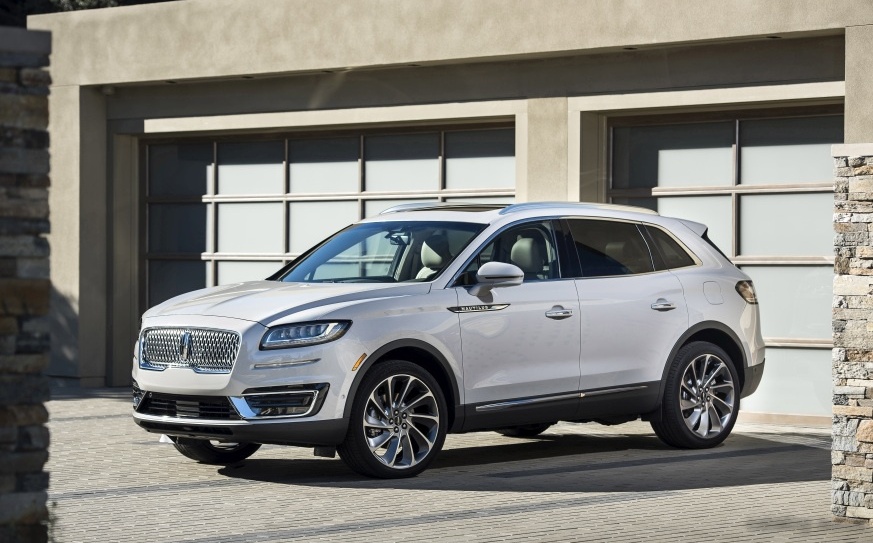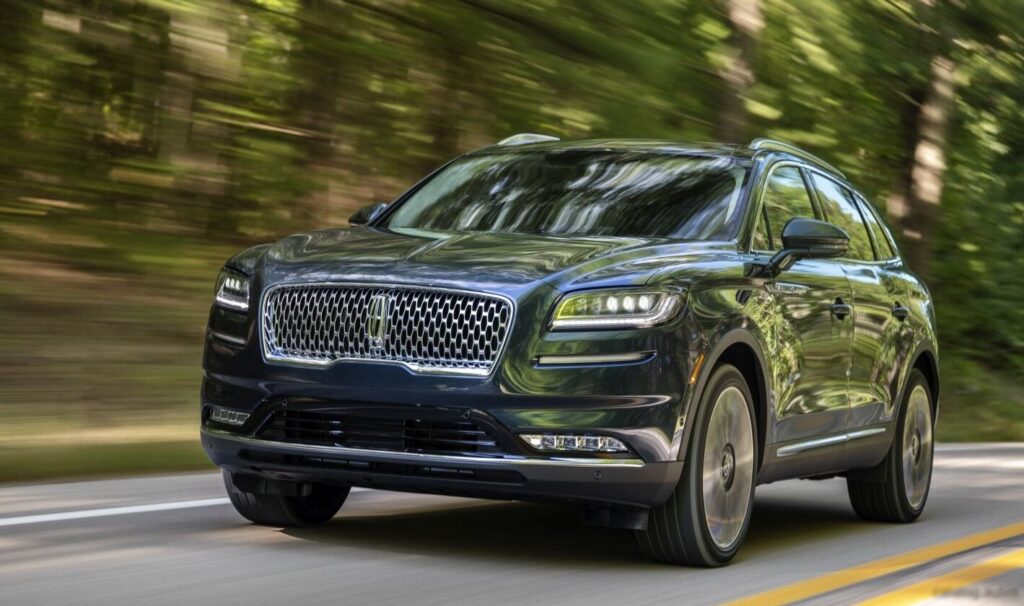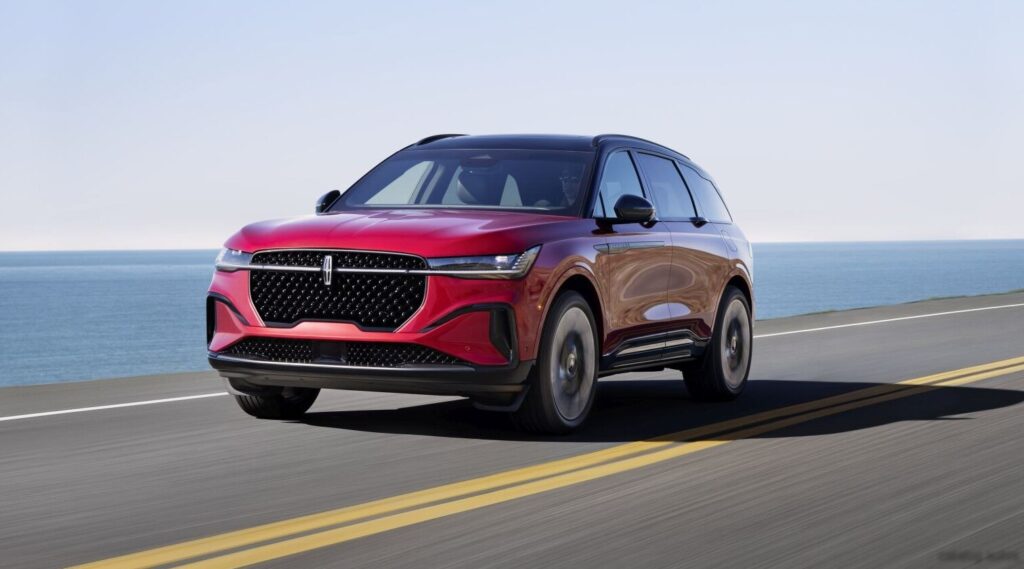
The Lincoln Nautilus II 2.0 Turbo (310 Hp) HEV AWD CVT, launched in April 2023, represents a significant evolution in Lincoln’s mid-size luxury SUV offerings. Positioned as a premium trim within the second generation Nautilus lineup, this variant combines a turbocharged four-cylinder engine with a full hybrid electric vehicle (FHEV) system and a continuously variable transmission (CVT), delivering a balance of performance, efficiency, and all-weather capability. It builds upon the foundation of the 1HX0 platform, aiming to compete with established players like the Acura MDX, BMW X5, and Audi Q7 in the North American market.
Technical Specifications
| Brand | Lincoln |
| Model | Nautilus |
| Generation | Nautilus II |
| Type (Engine) | 2.0 Turbo (310 Hp) HEV AWD CVT |
| Start of production | April, 2023 |
| Powertrain Architecture | FHEV (Full Hybrid Electric Vehicle) |
| Body type | SUV |
| Seats | 5 |
| Doors | 5 |
| Fuel Type | Petrol (Gasoline) |
| Weight-to-power ratio | 6.6 kg/Hp, 151.3 Hp/tonne |
| Weight-to-torque ratio | 5.5 kg/Nm, 182 Nm/tonne |
| Electric motor power | 136 Hp |
| System power | 310 Hp @ 5500 rpm |
| Internal combustion engine power | 250 Hp @ 5500 rpm |
| Torque | 373 Nm @ 3000 rpm, 275.11 lb.-ft. @ 3000 rpm |
| Engine layout | Front, Transverse |
| Number of cylinders | 4 |
| Engine configuration | Inline |
| Cylinder Bore | 86.36 mm (3.4 in) |
| Piston Stroke | 83.06 mm (3.27 in) |
| Compression ratio | 10:1 |
| Number of valves per cylinder | 4 |
| Fuel injection system | Direct injection |
| Engine aspiration | Turbocharger, Intercooler |
| Valvetrain | DOHC |
| Kerb Weight | 2049 kg (4517.27 lbs) |
| Trunk (boot) space – minimum | 1031 l (36.41 cu. ft) |
| Trunk (boot) space – maximum | 2019 l (71.3 cu. ft) |
| Fuel tank capacity | 76 l (20.08 US gal | 16.72 UK gal) |
| Permitted trailer load with brakes (12%) | 794 kg (1750.47 lbs) |
| Length | 4907 mm (193.19 in) |
| Width with mirrors folded | 2027 mm (79.8 in) |
| Width including mirrors | 2169 mm (85.39 in) |
| Height | 1732 mm (68.19 in) |
| Wheelbase | 2901 mm (114.21 in) |
| Front track | 1656 mm (65.2 in) |
| Rear (Back) track | 1659 mm (65.31 in) |
| Minimum turning circle | 11.4 m (37.4 ft) |
| Drivetrain Architecture | ICE and electric motor drive front wheels, rear drive via clutch |
| Drive wheel | All wheel drive (4×4) |
| Number of gears and type of gearbox | automatic transmission CVT |
| Front suspension | Independent, McPherson with coil spring and anti-roll bar |
| Rear suspension | Independent multi-link spring suspension with stabilizer |
| Front brakes | Ventilated discs, 345×28 mm |
| Rear brakes | Disc, 320×11 mm |
| Assisting systems | ABS (Anti-lock braking system) |
| Steering type | Steering rack and pinion |
| Power steering | Electric Steering |
| Tires size | 255/50 R21; 255/45 R22 |
| Wheel rims size | 21; 22 |
Powertrain & Engine Architecture
At the heart of the Nautilus II 2.0 Turbo HEV is a 2.0-liter inline-four cylinder engine, utilizing direct fuel injection and a single turbocharger with an intercooler. This engine, designated within the Ford Motor Company as part of the EcoBoost family, produces 250 horsepower at 5500 rpm and 275 lb-ft of torque at 3000 rpm. The addition of a 136-horsepower electric motor integrated into the powertrain results in a combined system output of 310 horsepower. The engine features a double overhead camshaft (DOHC) valvetrain with four valves per cylinder, optimizing airflow for improved efficiency and power delivery. The FHEV system incorporates a lithium-ion battery pack, allowing for limited all-electric driving range and regenerative braking to recapture energy. The powertrain is paired with a continuously variable transmission (CVT), chosen for its smooth operation and ability to keep the engine operating within its optimal efficiency range. A Start & Stop system is standard, further enhancing fuel economy in city driving conditions.
Driving Characteristics
The 2.0-liter Turbo HEV AWD CVT configuration delivers a refined and comfortable driving experience. The CVT, while not offering the traditional gear changes of an automatic transmission, provides seamless acceleration and contributes to improved fuel economy. The electric motor provides instant torque, supplementing the turbocharger to minimize turbo lag and offer responsive acceleration from a standstill. Compared to potential higher-output engine options (if offered in the Nautilus lineup), this variant prioritizes efficiency and smoothness over outright performance. While it may not offer the same level of spirited acceleration as a larger displacement engine, the combined output of 310 horsepower is sufficient for confident highway merging and passing maneuvers. The all-wheel-drive system provides enhanced traction and stability in various weather conditions. The CVT is programmed to mimic traditional gear shifts under hard acceleration, providing a more engaging driving experience.
Equipment & Trim Levels
The Nautilus II 2.0 Turbo HEV AWD CVT typically comes well-equipped with standard features reflecting its premium positioning. These include leather upholstery, a large touchscreen infotainment system with Apple CarPlay and Android Auto compatibility, a premium sound system, and a comprehensive suite of advanced driver-assistance systems (ADAS) such as adaptive cruise control, lane-keeping assist, and automatic emergency braking. Optional extras often include a panoramic sunroof, upgraded leather trim, ventilated front seats, and a rear-seat entertainment system. The interior design emphasizes luxury and comfort, with attention paid to material quality and craftsmanship. Dashboard configuration is modern and minimalist, focusing on intuitive controls and a clean aesthetic.
Chassis & Braking
The Nautilus II utilizes an independent suspension system at all four corners. The front suspension employs a McPherson strut design with coil springs and an anti-roll bar, while the rear features an independent multi-link setup with a stabilizer bar. This configuration is tuned to provide a comfortable ride while maintaining good handling characteristics. Braking duties are handled by ventilated discs at the front (345x28mm) and solid discs at the rear (320x11mm). An Anti-lock Braking System (ABS) is standard, along with electronic stability control and traction control. The steering system is an electric power-assisted rack and pinion setup, providing precise and responsive steering feel.
Market Reception & Comparison
The Lincoln Nautilus II 2.0 Turbo HEV AWD CVT has been generally well-received by automotive critics, praised for its comfortable ride, refined interior, and fuel efficiency. Compared to other trims in the Nautilus lineup, this hybrid variant offers a compelling balance of performance and economy. While the base engine may offer a lower price point, the 2.0-liter Turbo HEV provides a noticeable improvement in power and responsiveness. Fuel economy figures are competitive within the mid-size luxury SUV segment, offering a significant advantage over non-hybrid powertrains. Reliability reports are still emerging for this relatively new model, but the EcoBoost engine family has a generally good track record.
Legacy
The long-term reliability of the 2.0-liter Turbo HEV powertrain remains to be fully assessed, but early indications suggest it is a durable and dependable unit. The combination of a turbocharged engine, electric motor, and CVT transmission represents a modern approach to luxury SUV propulsion, prioritizing efficiency and refinement. As the Nautilus II matures in the used car market, this variant is likely to be a desirable option for buyers seeking a comfortable, well-equipped, and fuel-efficient luxury SUV with all-wheel-drive capability. The integration of hybrid technology positions this Nautilus as a forward-thinking option in a rapidly evolving automotive landscape.