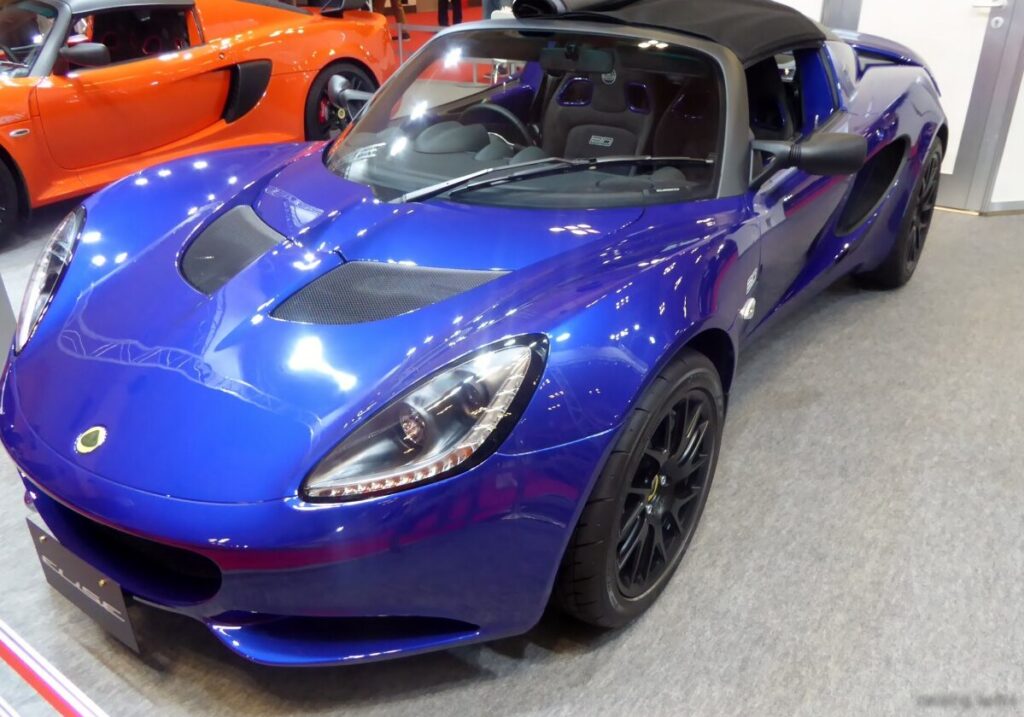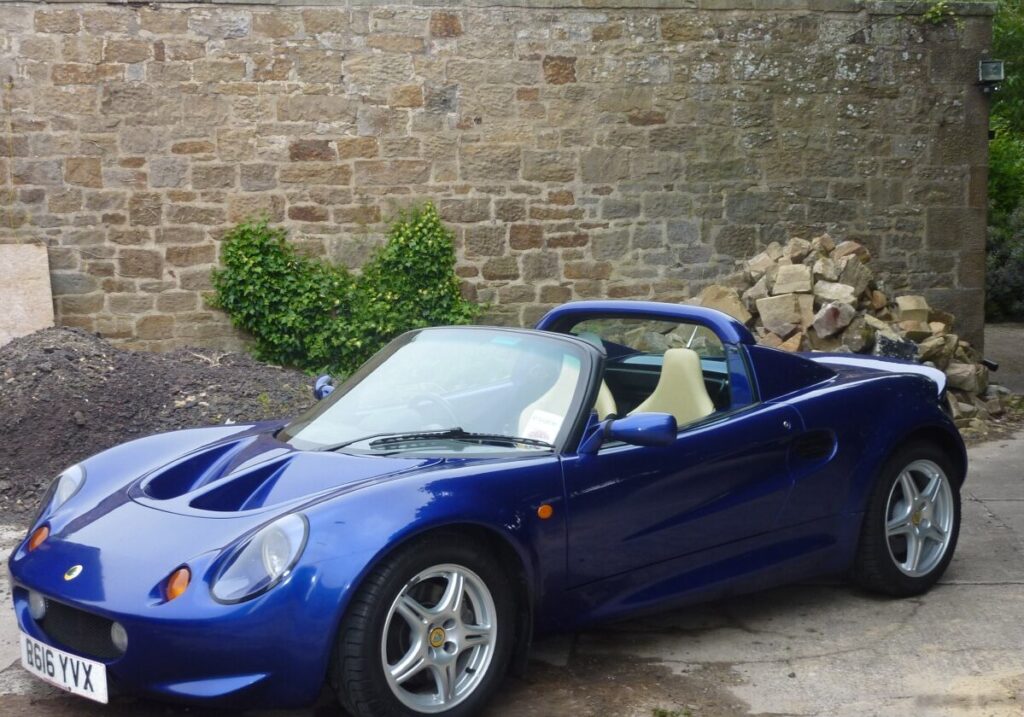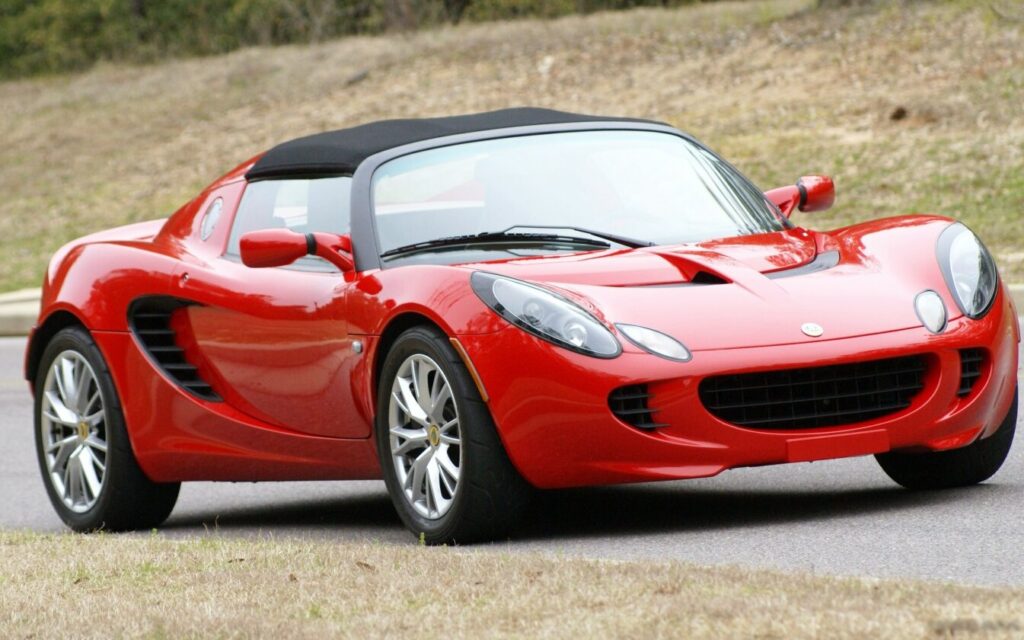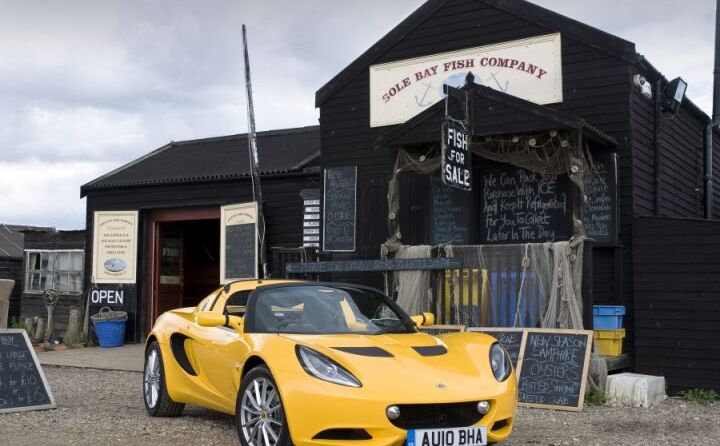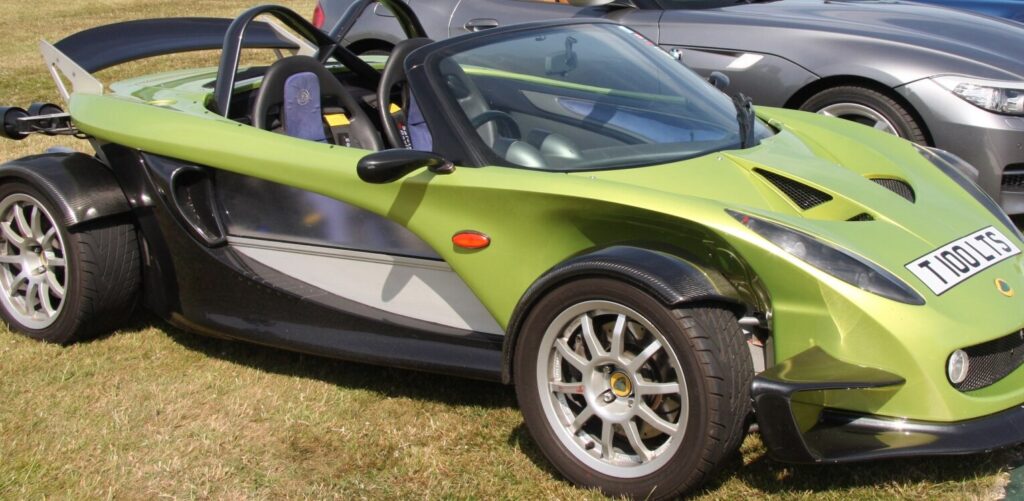
The Lotus Elise 340R 1.8 i 16V, produced for a limited run in 2000, represents a focused and exhilarating iteration of the iconic Elise roadster. Positioned as a higher-performance variant within the Series 1 Elise range, the 340R aimed to deliver a purist driving experience, emphasizing lightweight construction and responsive handling. It was a key model in establishing the Elise’s reputation as a benchmark for sports car agility and driver engagement. The “340” designation refers to the car’s approximate power-to-weight ratio in horsepower, highlighting its performance intent. Built on the Lotus 1HX0/A3 platform, the 340R was a relatively short-lived model, adding to its collectibility.
Technical Specifications
| Brand | Lotus |
| Model | Elise |
| Generation | Elise 340 R |
| Type (Engine) | 1.8 i 16V (180 Hp) |
| Start of production | 2000 |
| End of production | 2000 |
| Powertrain Architecture | Internal Combustion engine |
| Body type | Roadster |
| Seats | 2 |
| Doors | 2 |
| Fuel Type | Petrol (Gasoline) |
| Acceleration 0 – 100 km/h | 4.6 sec |
| Acceleration 0 – 62 mph | 4.6 sec |
| Acceleration 0 – 60 mph | 4.4 sec |
| Maximum speed | 210 km/h (130.49 mph) |
| Weight-to-power ratio | 3.7 kg/Hp, 272.7 Hp/tonne |
| Weight-to-torque ratio | 3.9 kg/Nm, 259.1 Nm/tonne |
| Power | 180 Hp @ 7800 rpm |
| Power per litre | 100.2 Hp/l |
| Torque | 171 Nm @ 5000 rpm (126.12 lb.-ft. @ 5000 rpm) |
| Engine layout | Middle, Longitudinal |
| Engine Model/Code | K16 (18K4FL70) |
| Engine displacement | 1796 cm3 (109.6 cu. in.) |
| Number of cylinders | 4 |
| Engine configuration | Inline |
| Cylinder Bore | 80 mm (3.15 in.) |
| Piston Stroke | 89.3 mm (3.52 in.) |
| Compression ratio | 11.5:1 |
| Number of valves per cylinder | 4 |
| Fuel injection system | Multi-port manifold injection |
| Engine aspiration | Naturally aspirated engine |
| Engine oil capacity | 4.5 l (4.76 US qt | 3.96 UK qt) |
| Coolant | 8 l (8.45 US qt | 7.04 UK qt) |
| Kerb Weight | 660 kg (1455.05 lbs) |
| Fuel tank capacity | 40 l (10.57 US gal | 8.8 UK gal) |
| Length | 3620 mm (142.52 in) |
| Width | 1702 mm (67.01 in) |
| Height | 1123 mm (44.21 in) |
| Wheelbase | 2300 mm (90.55 in) |
| Front track | 1488 mm (58.58 in) |
| Rear track | 1470 mm (57.87 in) |
| Drivetrain Architecture | Rear wheel drive |
| Number of gears | 5 gears, manual transmission |
| Front suspension | Coil spring |
| Rear suspension | Coil spring |
| Front brakes | Ventilated discs |
| Rear brakes | Ventilated discs |
| Assisting systems | ABS (Anti-lock braking system) |
| Steering type | Steering rack and pinion |
| Tires size | 195/50 R15; 225/45 R15 |
| Wheel rims size | 15 |
Powertrain & Engine Architecture
The heart of the Elise 340R is the Lotus-developed K-series engine, specifically the 1.8-liter 16-valve variant designated K16 (18K4FL70). This engine, while based on the Rover K-series design (Lotus acquired the rights in 1996), underwent significant modifications by Lotus to enhance its performance and reliability. It features a naturally aspirated configuration with multi-port fuel injection. The engine’s 11.5:1 compression ratio contributes to its spirited power delivery. The 340R utilizes a five-speed manual transmission, chosen for its direct connection and driver involvement. The transmission’s gear ratios are relatively short, optimized for acceleration rather than outright top speed. The engine is mounted longitudinally in a mid-engine layout, contributing to excellent weight distribution and handling balance.
Driving Characteristics
The Elise 340R delivers a raw and engaging driving experience. Its lightweight construction (approximately 1455 lbs) combined with the 180 horsepower engine results in a power-to-weight ratio that feels significantly higher than the numbers suggest. Acceleration is brisk, with 0-60 mph times consistently in the low 4-second range. The short gear ratios mean frequent shifting is required to stay in the powerband, but this adds to the sense of connection with the car. Compared to later Elise models with more powerful engines, the 340R feels more manageable and approachable, particularly for drivers new to mid-engine sports cars. While lacking the outright speed of the later S2 Elise, the 340R’s agility and responsiveness are exceptional. The manual transmission provides precise control, and the lack of electronic driver aids forces the driver to be actively involved in controlling the car.
Equipment & Trim Levels
The Elise 340R was purposefully minimalist in its equipment levels, prioritizing weight reduction above all else. Standard features included lightweight composite body panels, a simple interior with supportive bucket seats, and basic instrumentation. Power steering and air conditioning were typically omitted to save weight, though some examples may have been optioned with them. Interior trim was spartan, with exposed aluminum and minimal carpeting. Optional extras included upgraded suspension components, different wheel and tire combinations, and a roll bar for track use. The focus was on creating a pure driving machine, rather than a luxurious sports car.
Chassis & Braking
The Elise 340R’s chassis is a bonded aluminum monocoque, providing exceptional rigidity and lightness. Suspension consists of independent double wishbones at all four corners, with coil springs and adjustable dampers. The suspension setup is tuned for responsive handling and minimal body roll. Braking is provided by ventilated discs at all four wheels, offering ample stopping power for the car’s weight and performance. An Anti-lock Braking System (ABS) was standard. The relatively narrow tires (195/50 R15 front, 225/45 R15 rear) contribute to a direct steering feel and predictable handling characteristics.
Market Reception & Comparison
The Elise 340R was well-received by automotive critics, who praised its exceptional handling, lightweight construction, and engaging driving experience. It was often compared favorably to more expensive sports cars, demonstrating that high performance didn’t necessarily require a high price tag. Compared to the standard Elise, the 340R offered a noticeable performance upgrade, thanks to its higher-output engine and optimized weight. Compared to later Elise models, the 340R’s simplicity and raw feel were seen as both strengths and weaknesses. Some found it too basic, while others appreciated its purist approach. Fuel economy was reasonable for a sports car of its performance level, and reliability was generally good, although the K-series engine is known to require careful maintenance, particularly regarding head gasket integrity.
Legacy
The Lotus Elise 340R remains a highly sought-after model among enthusiasts. Its limited production run and focus on driving purity have made it a collector’s item. The K-series engine, while requiring diligent maintenance, is relatively straightforward to work on, and parts availability is generally good. The 340R’s influence can be seen in subsequent Elise models and other lightweight sports cars. It established the Elise as a benchmark for handling and driver engagement, and its legacy continues to inspire automotive engineers and enthusiasts today. Well-maintained examples command premium prices on the used car market, reflecting their desirability and rarity.