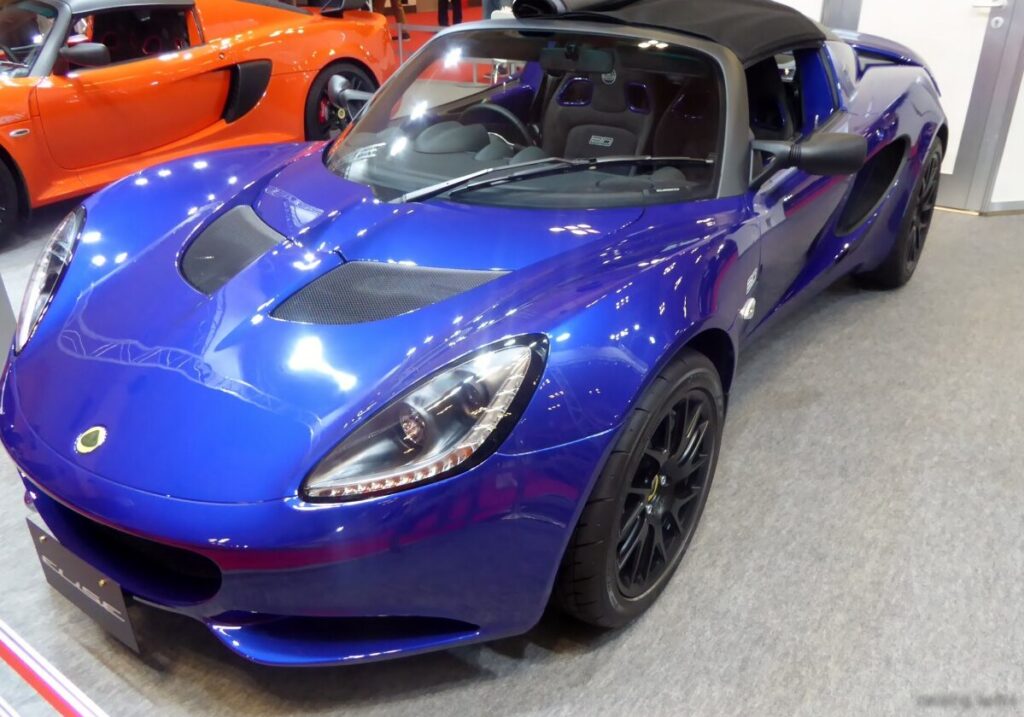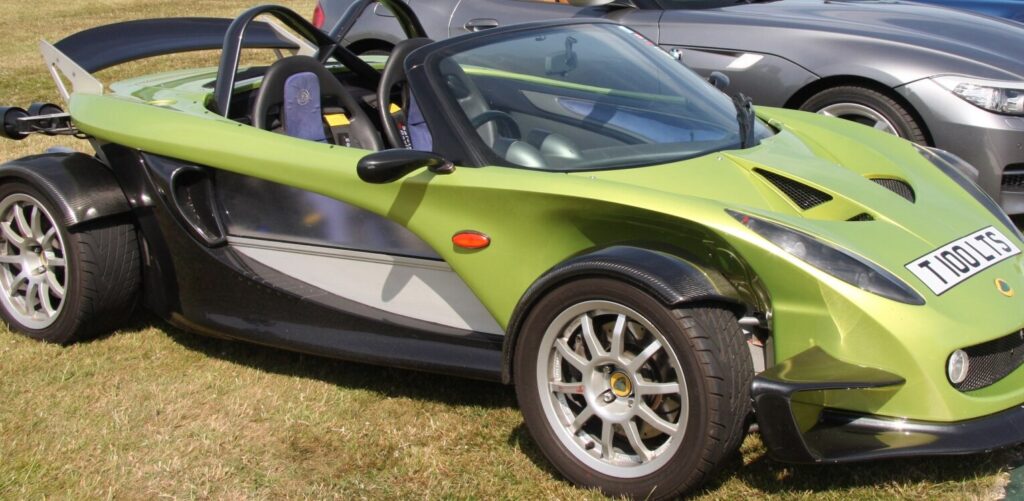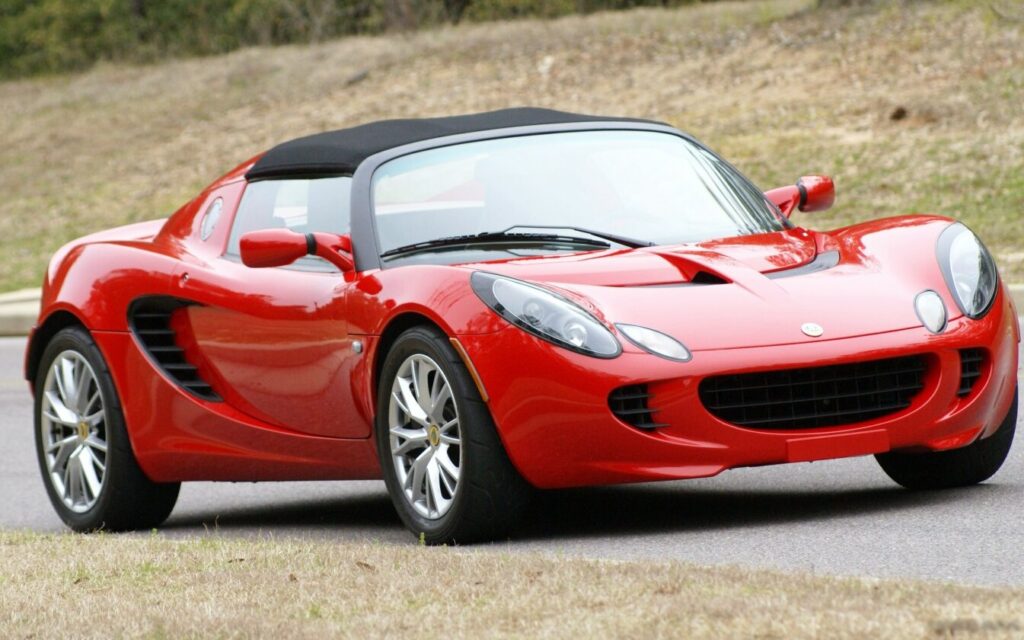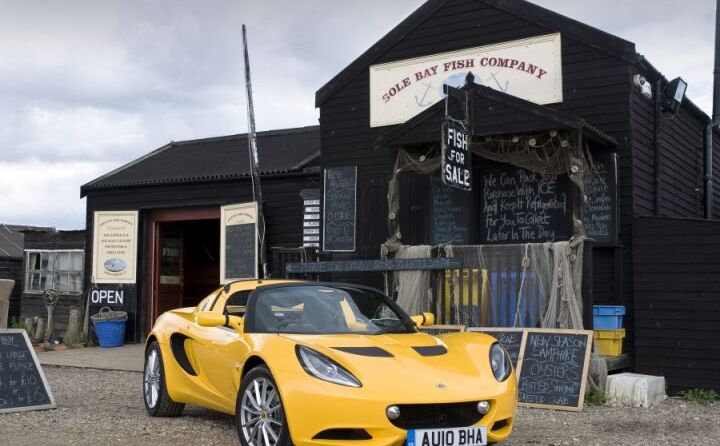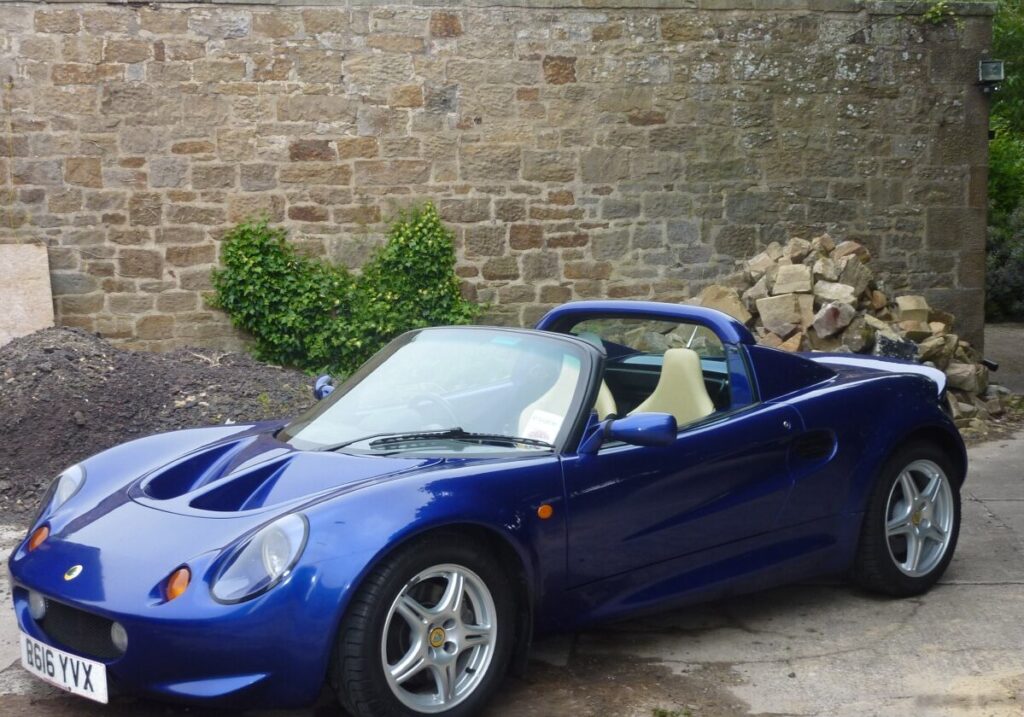
The Lotus Elise (Series 1) 1.8i 16V, specifically the 111S variant producing 146 horsepower, represents a pivotal moment in the revitalization of the Lotus marque. Produced from 1997 to 2000, this model was the initial offering in the W20 generation Elise, internally designated as the Series 1. It aimed to recapture the spirit of the original Lotus Elan – lightweight, agile, and focused on delivering a pure driving experience. The 111S trim sat at the upper end of the initial Series 1 range, offering increased power over the base 1.8L model and establishing a performance benchmark for the Elise line. It was a key component in Lotus’s strategy to return to its roots as a manufacturer of driver’s cars, and its impact resonated throughout the sports car world.
Technical Specifications
| Brand | Lotus |
| Model | Elise |
| Generation | Elise (Series 1) |
| Type (Engine) | 1.8 i 16V 111S (146 Hp) |
| Start of production | 1997 |
| End of production | 2000 |
| Powertrain Architecture | Internal Combustion engine |
| Body type | Roadster |
| Seats | 2 |
| Doors | 2 |
| Fuel consumption (urban) | 9.6 l/100 km (24.5 US mpg) |
| Fuel consumption (extra urban) | 5.9 l/100 km (39.9 US mpg) |
| Fuel Type | Petrol (Gasoline) |
| Acceleration 0 – 100 km/h | 5.4 sec |
| Acceleration 0 – 62 mph | 5.4 sec |
| Acceleration 0 – 60 mph | 5.38 sec |
| Maximum speed | 213 km/h (132.35 mph) |
| Weight-to-power ratio | 5.3 kg/Hp |
| Weight-to-torque ratio | 4.4 kg/Nm |
| Power | 146 Hp @ 7000 rpm |
| Power per litre | 81.3 Hp/l |
| Torque | 174 Nm @ 4500 rpm (128.34 lb.-ft. @ 4500 rpm) |
| Engine layout | Middle, Longitudinal |
| Engine Model/Code | K16 (18K4K) |
| Engine displacement | 1796 cm3 (109.6 cu. in.) |
| Number of cylinders | 4 |
| Engine configuration | Inline |
| Cylinder Bore | 80 mm (3.15 in.) |
| Piston Stroke | 89.3 mm (3.52 in.) |
| Compression ratio | 10.5:1 |
| Number of valves per cylinder | 4 |
| Fuel injection system | Multi-port manifold injection |
| Engine aspiration | Naturally aspirated |
| Engine oil capacity | 4.5 l (4.76 US qt | 3.96 UK qt) |
| Coolant | 8 l (8.45 US qt | 7.04 UK qt) |
| Kerb Weight | 770 kg (1697.56 lbs.) |
| Max. weight | 1010 kg (2226.67 lbs.) |
| Max load | 240 kg (529.11 lbs.) |
| Trunk (boot) space – minimum | 210 l (7.42 cu. ft.) |
| Fuel tank capacity | 40 l (10.57 US gal | 8.8 UK gal) |
| Length | 3734 mm (147.01 in.) |
| Width | 1701 mm (66.97 in.) |
| Height | 1202 mm (47.32 in.) |
| Wheelbase | 2300 mm (90.55 in.) |
| Front track | 1440 mm (56.69 in.) |
| Rear track | 1453 mm (57.2 in.) |
| Drivetrain Architecture | Front wheel drive |
| Number of gears | 5 |
| Gearbox type | Manual transmission |
| Front suspension | Coil spring |
| Rear suspension | Coil spring |
| Front brakes | Ventilated discs |
| Rear brakes | Ventilated discs |
| Assisting systems | ABS (Anti-lock braking system) |
| Steering type | Steering rack and pinion |
| Tires size | 185/55 R16; 225/45 R16 |
| Wheel rims size | 16 |
Powertrain & Engine Architecture
The heart of the Elise 111S is the Rover K-Series engine, specifically the 1.8-liter 16-valve variant designated as the K16 (18K4K). This engine, while originally developed by Rover, was heavily refined by Lotus engineers for use in the Elise. It features a naturally aspirated, inline-four configuration with multi-port fuel injection. The 111S version benefited from a higher compression ratio (10.5:1) and revised engine management software, boosting output to 146 hp at 7000 rpm and 128 lb-ft of torque at 4500 rpm. The engine’s lightweight construction – utilizing an aluminum block and cylinder head – was crucial to the Elise’s overall weight reduction strategy. The transmission is a five-speed manual gearbox, chosen for its direct feel and contribution to the car’s engaging driving experience. The engine is mounted longitudinally in a mid-engine layout, contributing to excellent balance and handling characteristics.
Driving Characteristics
The Elise 111S delivers a remarkably pure and engaging driving experience. Its low weight (approximately 1698 lbs) combined with the 146 hp engine results in a power-to-weight ratio that feels significantly higher than the numbers suggest. Acceleration from 0-60 mph takes around 5.4 seconds, and the car feels quick and responsive. The manual gearbox is precise and provides a direct connection to the engine. Compared to the base 1.8L Elise, the 111S offers noticeably more punch, particularly in the mid-range, making it more enjoyable for spirited driving. While not as brutally fast as later, more powerful Elise variants, the 111S provides a beautifully balanced and rewarding driving experience that prioritizes agility and driver involvement over outright speed. The relatively short wheelbase and direct steering contribute to a go-kart-like feel.
Equipment & Trim Levels
The Elise 111S, while focused on performance, wasn’t entirely spartan. Standard equipment included leather seats, a Momo steering wheel, and basic instrumentation. However, the emphasis was on minimizing weight, so features like air conditioning, power windows, and a radio were either optional or unavailable. The interior was functional and minimalist, with exposed aluminum and a focus on providing the driver with essential information. Optional extras included a hardtop, upgraded suspension components, and various cosmetic enhancements. The 111S trim generally featured a more premium interior finish compared to the base model, with higher-quality materials and additional sound deadening.
Chassis & Braking
The Elise’s chassis is arguably its most significant engineering achievement. It utilizes a bonded aluminum monocoque construction, a revolutionary technique at the time, resulting in an incredibly stiff and lightweight structure. The suspension consists of independent double wishbones at all four corners, with coil springs and adjustable dampers. This setup provides excellent handling and ride quality, considering the car’s focus on performance. Braking duties are handled by ventilated discs on all four wheels, providing ample stopping power. The Elise 111S did not feature ABS as standard, reflecting its focus on a pure driving experience, although it was available as an option. The car’s low weight and balanced chassis contribute to exceptional cornering ability and stability.
Market Reception & Comparison
The Lotus Elise 111S was widely praised by automotive critics for its exceptional handling, lightweight construction, and engaging driving experience. It was lauded as a return to form for Lotus, recapturing the spirit of the original Elan. Compared to other sports cars of the time, the Elise offered a unique combination of performance and purity. While its lack of creature comforts might have been a drawback for some, enthusiasts appreciated its focus on driving dynamics. The 111S offered a significant performance upgrade over the base 1.8L Elise, making it the preferred choice for drivers seeking a more exhilarating experience. Fuel economy was respectable, averaging around 30 mpg in mixed driving. Reliability was generally good, although the Rover K-Series engine was known to require careful maintenance, particularly regarding head gasket issues.
Legacy
The Lotus Elise Series 1 1.8i 16V 111S remains a highly sought-after sports car among enthusiasts. Its lightweight construction, engaging driving dynamics, and iconic design have cemented its place in automotive history. While the Rover K-Series engine can require diligent maintenance, the Elise’s overall reliability is generally considered good. In the used car market, well-maintained examples command premium prices. The Elise 111S laid the foundation for the subsequent generations of Elise and Exige, and its influence can be seen in many modern sports cars. It represents a pivotal moment in Lotus’s history, demonstrating the company’s commitment to building pure, driver-focused automobiles.