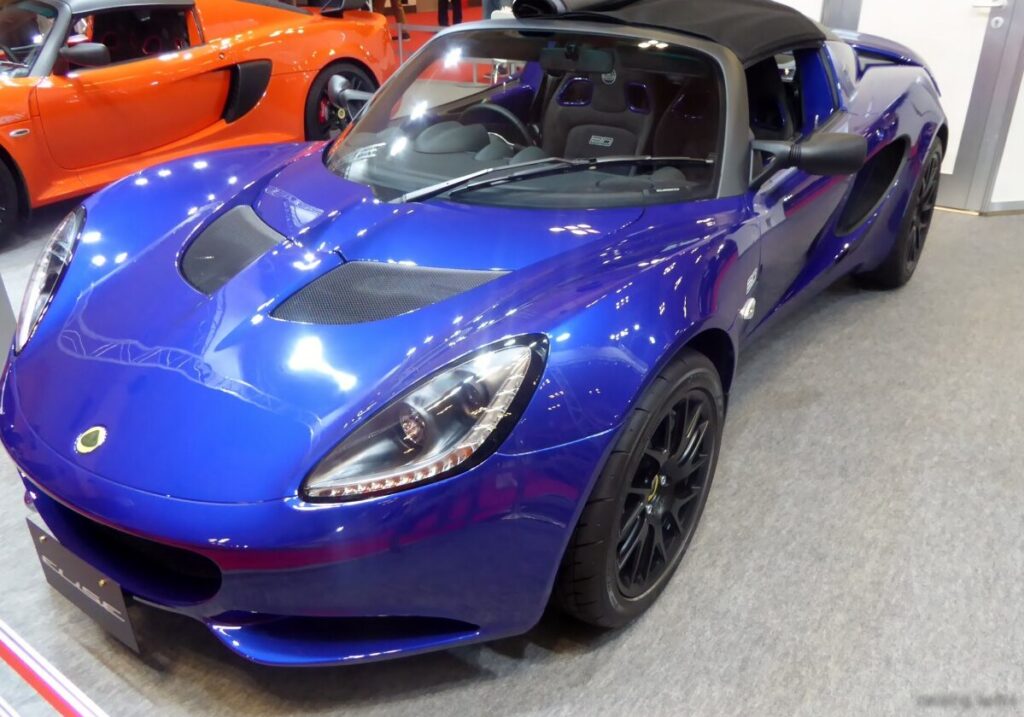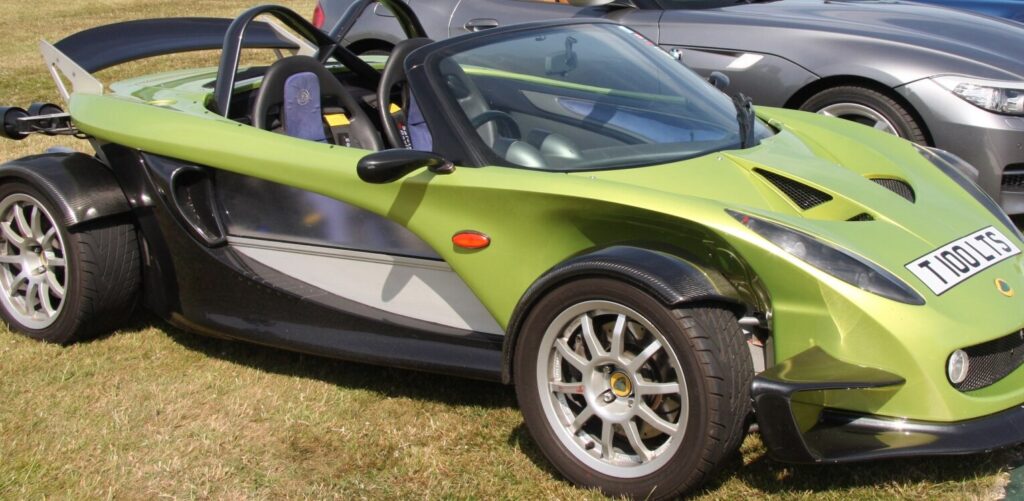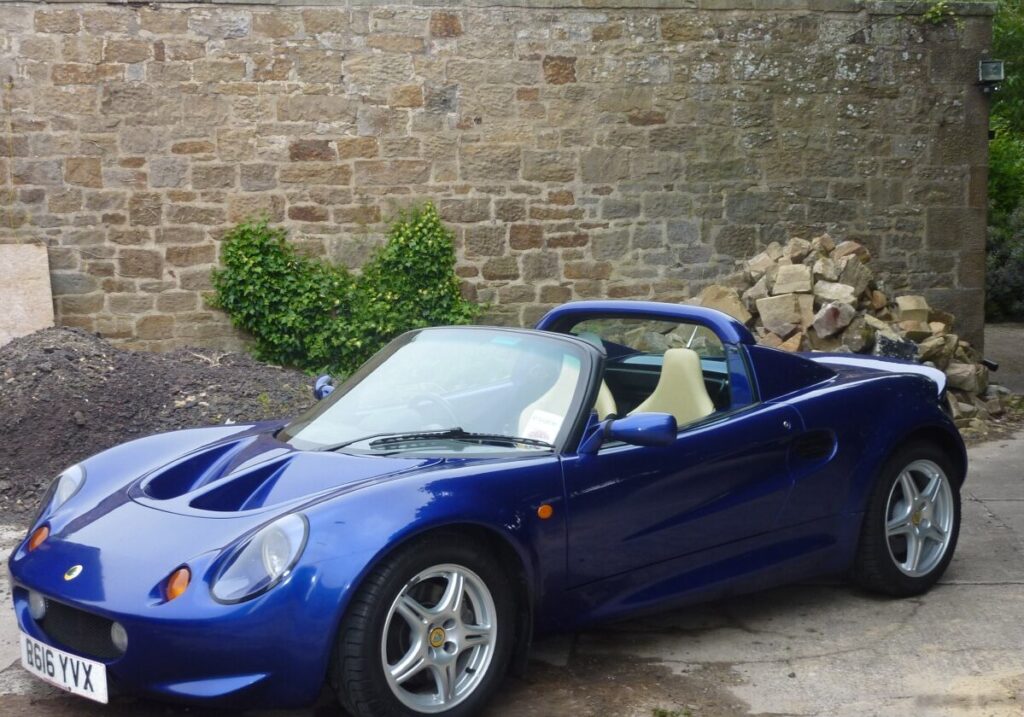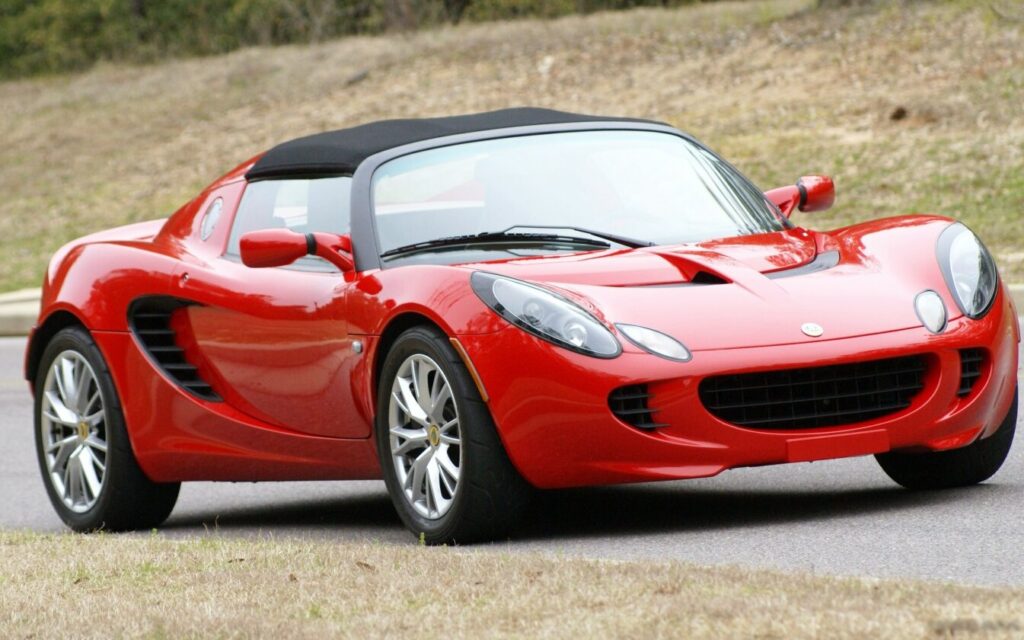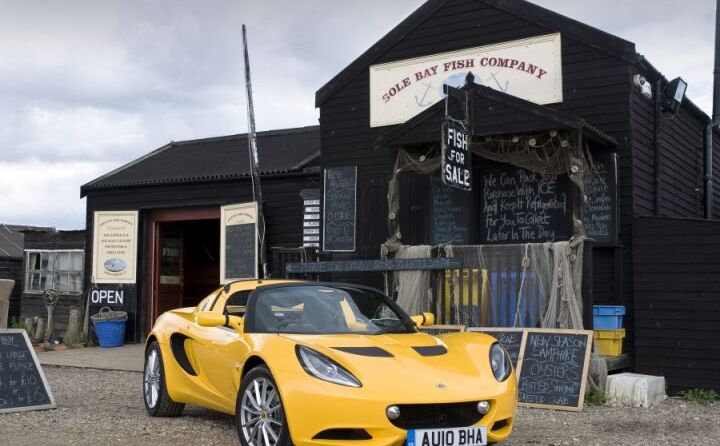
The Lotus Elise Series 3 Cup 250 1.8, produced from 2016 to 2017, represents a focused, high-performance iteration of the iconic Elise roadster. Positioned as a track-day oriented variant within the Series 3 lineup, it built upon the already lightweight and agile foundations of the Elise, offering a significant power increase over the standard models. The Cup 250 was designed for enthusiasts seeking a raw, unfiltered driving experience, bridging the gap between the standard Elise and the more extreme 3-Eleven model. It’s a key example of Lotus’s commitment to “simplify, then add lightness,” prioritizing performance through weight reduction and efficient engineering.
Technical Specifications
| Brand | Lotus |
| Model | Elise |
| Generation | Elise (Series 3) |
| Type | Cup 250 1.8 (246 Hp) |
| Start of production | 2016 |
| End of production | 2017 |
| Powertrain Architecture | Internal Combustion engine |
| Body type | Roadster |
| Seats | 2 |
| Doors | 2 |
| Fuel consumption (urban) | 10.1 l/100 km (23.3 US mpg) |
| Fuel consumption (extra urban) | 6 l/100 km (39.2 US mpg) |
| Fuel consumption (combined) | 7.5 l/100 km (31.4 US mpg) |
| CO2 emissions | 175 g/km |
| Fuel Type | Petrol (Gasoline) |
| Acceleration 0 – 100 km/h | 4.3 sec |
| Acceleration 0 – 62 mph | 4.3 sec |
| Acceleration 0 – 60 mph | 4.1 sec |
| Maximum speed | 248 km/h (154.1 mph) |
| Weight-to-power ratio | 3.8 kg/Hp |
| Weight-to-torque ratio | 3.7 kg/Nm |
| Power | 246 Hp @ 7200 rpm |
| Power per litre | 136.8 Hp/l |
| Torque | 250 Nm @ 3500-5000 rpm (184.39 lb.-ft.) |
| Engine layout | Middle, Transverse |
| Engine Model/Code | 2ZR-FE |
| Engine displacement | 1798 cm3 (109.72 cu. in.) |
| Number of cylinders | 4 |
| Engine configuration | Inline |
| Cylinder Bore | 80.5 mm (3.17 in.) |
| Piston Stroke | 88.3 mm (3.48 in.) |
| Compression ratio | 10:1 |
| Number of valves per cylinder | 4 |
| Fuel injection system | Multi-port manifold injection |
| Engine aspiration | Supercharger, Intercooler |
| Valvetrain | DOHC, dual VVT-i |
| Engine oil capacity | 2.4 l (2.54 US qt | 2.11 UK qt) |
| Coolant capacity | 4 l (4.23 US qt | 3.52 UK qt) |
| Kerb Weight | 931 kg (2052.5 lbs.) |
| Trunk (boot) space (minimum) | 112 l (3.96 cu. ft.) |
| Fuel tank capacity | 40 l (10.57 US gal | 8.8 UK gal) |
| Length | 3824 mm (150.55 in.) |
| Width | 1719 mm (67.68 in.) |
| Height | 1117 mm (43.98 in.) |
| Wheelbase | 2300 mm (90.55 in.) |
| Front track | 1457 mm (57.36 in.) |
| Rear track | 1507 mm (59.33 in.) |
| Ride height (ground clearance) | 130 mm (5.12 in.) |
| Drivetrain | Rear wheel drive |
| Number of gears | 6 |
| Gearbox type | Manual transmission |
| Front suspension | Double wishbone |
| Rear suspension | Double wishbone |
| Front brakes | Ventilated discs |
| Rear brakes | Ventilated discs |
| Assisting systems | ABS (Anti-lock braking system) |
| Tires size | 195/50 R16; 225/45 R17 |
| Wheel rims size | 6J x 16; 8J x 17 |
INTRODUCTION
The Lotus Elise Series 3 Cup 250 1.8, launched in 2016 and continuing through 2017, is a high-performance variant of the Series 3 Elise. Built on the lightweight 1HX0/A3 platform, it aimed to deliver a more engaging and track-focused experience than the standard Elise. The “Cup” designation signifies its enhanced performance capabilities, including a supercharged engine and optimized suspension. This model occupied a niche above the base Elise and Elise S, offering a significant step up in power and handling for drivers seeking a more visceral connection to the road.
Powertrain & Engine Architecture
At the heart of the Cup 250 lies the Toyota-sourced 2ZR-FE 1.8-liter inline-four cylinder engine. This engine is notable for its supercharger and intercooler, boosting power output to 246 horsepower. The 2ZR-FE utilizes multi-port fuel injection and a dual variable valve timing (VVT-i) system, contributing to both performance and efficiency. The engine is transversely mounted in a mid-engine configuration, optimizing weight distribution. The Cup 250 exclusively came with a six-speed manual transmission, chosen for its direct engagement and driver control. This transmission features close ratios designed to maximize acceleration and keep the engine within its optimal power band. The engine oil capacity is 2.4 liters, and requires a specification adhering to Lotus’s guidelines.
Driving Characteristics
The driving experience in the Cup 250 is defined by its responsiveness and agility. The supercharged engine delivers a strong surge of power from 3500 to 5000 rpm, providing ample torque for both road and track use. The six-speed manual transmission allows for precise gear selection, and the close ratios keep the engine singing. Compared to the naturally aspirated Elise S, the Cup 250 offers significantly quicker acceleration – 0-60 mph in approximately 4.1 seconds and a top speed of 154.1 mph. The lightweight construction (931 kg / 2052.5 lbs) further enhances the car’s handling, allowing for quick changes in direction and impressive cornering grip. While the standard Elise offers a more compliant ride, the Cup 250 prioritizes performance, resulting in a firmer suspension setup.
Equipment & Trim Levels
The Cup 250 was relatively spartan in terms of luxury features, reflecting its focus on performance. Standard equipment included lightweight composite seats, a leather-wrapped steering wheel, and basic instrumentation. Air conditioning and a radio were often optional extras. The interior trim was functional and minimalist, with aluminum pedals and a focus on driver ergonomics. The Cup 250 also featured a unique body kit with a front splitter and rear wing, designed to improve aerodynamic performance. Available options included upgraded suspension components, track-focused tires, and a roll cage for serious track enthusiasts.
Chassis & Braking
The Elise Series 3 chassis is renowned for its rigidity and lightweight construction, utilizing bonded aluminum extrusions. The Cup 250 benefits from a sport-tuned suspension with stiffer springs and dampers. Both front and rear brakes are ventilated discs, providing ample stopping power. ABS (Anti-lock Braking System) is standard. The suspension geometry is optimized for handling, and the car features a limited-slip differential to improve traction. The rear track is slightly wider than the front, contributing to stability during cornering. The relatively low ride height (130 mm / 5.12 in) further enhances handling but requires careful negotiation of speed bumps and uneven road surfaces.
Market Reception & Comparison
The Lotus Elise Series 3 Cup 250 was well-received by automotive critics, who praised its exceptional handling, responsive engine, and overall driving experience. It was often compared favorably to other lightweight sports cars, such as the Porsche Cayman and Mazda MX-5 Miata. However, the Elise’s minimalist interior and lack of everyday practicality were noted as drawbacks. Compared to the standard Elise, the Cup 250 offered a significant performance upgrade, but at a higher price point. Fuel economy, while respectable at 31.4 US mpg combined, was slightly lower than the base Elise due to the supercharged engine. Reliability was generally good, although the supercharger did introduce a slightly more complex maintenance schedule.
Legacy
The Lotus Elise Series 3 Cup 250 1.8 remains a highly sought-after model among Lotus enthusiasts. Its combination of lightweight construction, powerful engine, and engaging driving dynamics has cemented its reputation as a true driver’s car. The 2ZR-FE engine, while requiring regular maintenance, has proven to be relatively reliable when properly cared for. On the used car market, Cup 250 models typically command a premium over standard Elise variants, reflecting their performance capabilities and limited production numbers. The Cup 250 serves as a testament to Lotus’s enduring philosophy of prioritizing performance through simplicity and lightweight engineering, and continues to provide an exhilarating driving experience for those who appreciate a raw and unfiltered connection to the road.