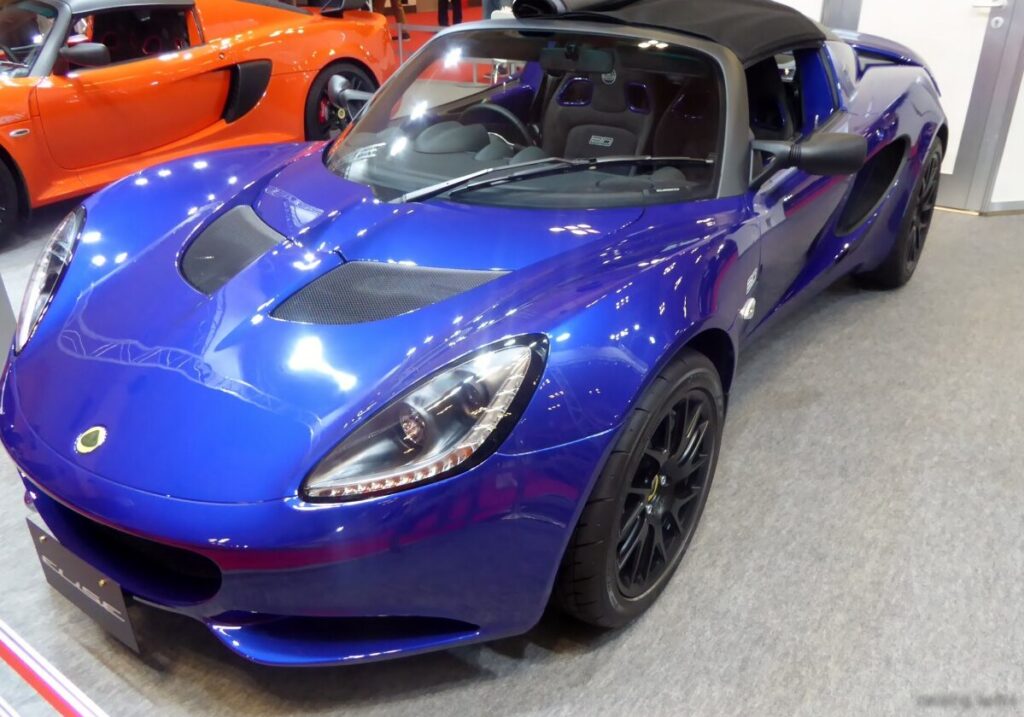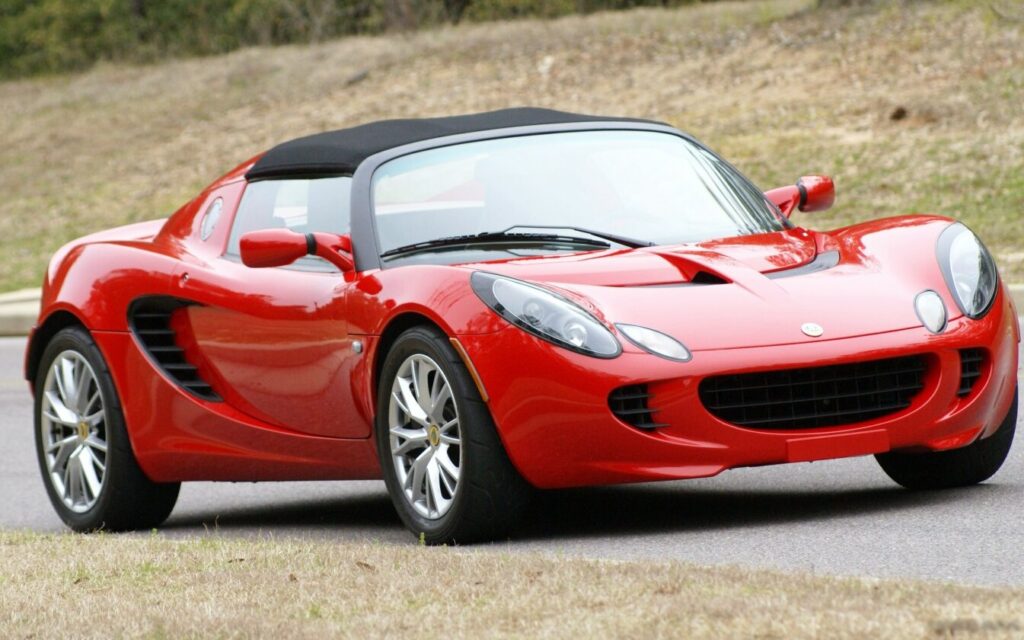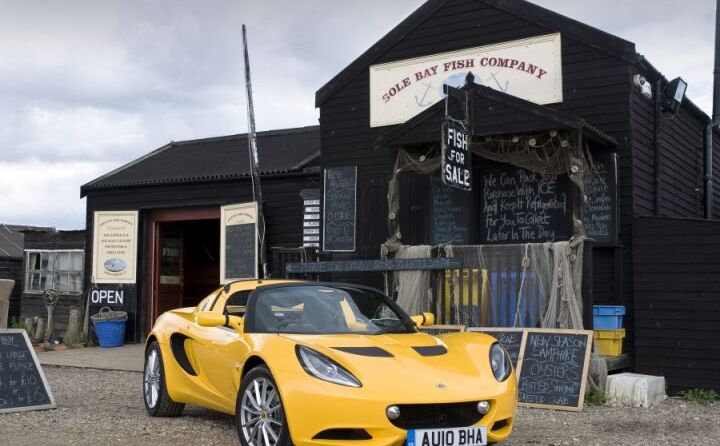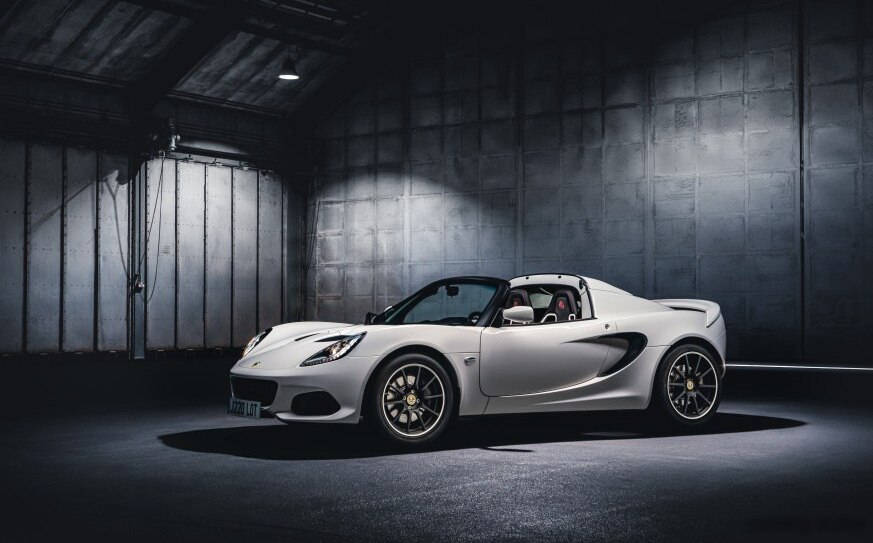
The Lotus Elise Series 3 Cup 250 1.8, introduced in April 2017, represents a significant evolution of the iconic Elise roadster. This variant, part of the Series 3 facelift (internally designated the 1HX0/A3 platform), was positioned as a high-performance offering within the Elise range, bridging the gap between the standard Elise Sprint and the more track-focused Elise Race models. The Cup 250 distinguished itself with a supercharged 1.8-liter engine producing 246 horsepower, paired exclusively with a six-speed automatic transmission – a relatively uncommon pairing for the traditionally driver-focused Lotus brand. It aimed to deliver accessible performance and a more relaxed driving experience without sacrificing the core Elise attributes of lightweight construction and exceptional handling.
Technical Specifications
| Brand | Lotus |
| Model | Elise |
| Generation | Elise (Series 3, facelift 2017) |
| Type (Engine) | Cup 250 1.8 (246 Hp) |
| Start of production | April, 2017 |
| Powertrain Architecture | Internal Combustion engine |
| Body type | Roadster |
| Seats | 2 |
| Doors | 2 |
| Fuel consumption (urban) | 10.1 l/100 km (23.3 US mpg) |
| Fuel consumption (extra urban) | 6 l/100 km (39.2 US mpg) |
| Fuel consumption (combined) | 7.5 l/100 km (31.4 US mpg) |
| Fuel Type | Petrol (Gasoline) |
| Acceleration 0 – 100 km/h | 4.3 sec |
| Acceleration 0 – 62 mph | 4.3 sec |
| Acceleration 0 – 60 mph | 3.9 sec |
| Maximum speed | 248 km/h (154.1 mph) |
| Weight-to-power ratio | 3.7 kg/Hp |
| Weight-to-torque ratio | 3.7 kg/Nm |
| Power | 246 Hp @ 7200 rpm |
| Torque | 250 Nm @ 3500-5500 rpm (184.39 lb.-ft.) |
| Engine layout | Middle, Transverse |
| Engine Model/Code | 2ZR-FE |
| Engine displacement | 1798 cm3 (109.72 cu. in.) |
| Number of cylinders | 4 |
| Engine configuration | Inline |
| Number of valves per cylinder | 4 |
| Engine aspiration | Supercharger, Intercooler |
| Valvetrain | DOHC |
| Engine oil capacity | 2.4 l (2.54 US qt | 2.11 UK qt) |
| Coolant capacity | 4 l (4.23 US qt | 3.52 UK qt) |
| Kerb Weight | 917 kg (2021.64 lbs) |
| Fuel tank capacity | 48 l (12.68 US gal | 10.56 UK gal) |
| Length | 3824 mm (150.55 in) |
| Width | 1719 mm (67.68 in) |
| Height | 1117 mm (43.98 in) |
| Drivetrain Architecture | Rear wheel drive |
| Number of gears | 6 |
| Type of gearbox | Automatic transmission |
| Front suspension | Double wishbone |
| Rear suspension | Double wishbone |
| Front brakes | Ventilated discs, 288×26 mm |
| Rear brakes | Ventilated discs, 288×26 mm |
| Front tires | 195/50 R16 |
| Rear tires | 225/45 R17 |
| Front wheel rims | 16 |
| Rear wheel rims | 17 |
Powertrain & Engine Architecture
At the heart of the Cup 250 lies the Toyota-sourced 2ZR-FE 1.8-liter inline-four cylinder engine. This engine is notable for its supercharger and intercooler, which significantly boost power output compared to naturally aspirated versions. The 2ZR-FE utilizes a dual overhead camshaft (DOHC) valvetrain and benefits from Toyota’s VVT-i variable valve timing system, optimizing performance across the rev range. Fuel delivery is managed by electronic fuel injection. The six-speed automatic transmission, while offering convenience, is a Jatco unit and represents a departure from the manual transmissions traditionally favored in the Elise. It’s programmed for relatively quick shifts, but doesn’t offer the same level of driver engagement as a manual gearbox.
Driving Characteristics
The combination of the supercharged engine and automatic transmission results in a unique driving experience. While the 246 hp provides brisk acceleration – 0-60 mph in around 3.9 seconds – the automatic transmission slightly diminishes the raw, visceral feel associated with the Elise. The automatic’s gear ratios are tuned for a balance of performance and fuel efficiency. Compared to the manual Elise, the Cup 250 offers smoother, less demanding driving, particularly in urban environments. However, enthusiasts seeking maximum control and involvement might find the automatic less satisfying than the available manual options in other Elise variants.
Equipment & Trim Levels
The Cup 250 came standard with a number of performance-oriented features, including a revised suspension setup with firmer springs and dampers, and lightweight alloy wheels. Inside, the cabin featured sport seats upholstered in Alcantara and leather. Standard equipment also included air conditioning, power windows, and a basic audio system. Optional extras included a full interior trim package, upgraded audio systems, and various cosmetic enhancements. The Cup 250’s interior, while functional, remained minimalist in keeping with the Elise’s focus on lightweight construction.
Chassis & Braking
The Elise’s renowned handling is largely attributed to its lightweight chassis, constructed from bonded aluminum extrusions. The Cup 250 retains this core strength. Suspension utilizes a double wishbone setup at both the front and rear, providing precise control and minimal body roll. Braking is handled by ventilated discs on all four wheels, providing ample stopping power. The Cup 250 typically featured a slightly stiffer suspension setup compared to the standard Elise, further enhancing its handling capabilities. The rear brakes were typically solid discs, a cost-saving measure compared to the more expensive ventilated rear discs found on higher-spec models.
Market Reception & Comparison
The Elise Cup 250 1.8 Automatic received mixed reviews. Critics praised the engine’s performance and the car’s overall handling, but some questioned the inclusion of an automatic transmission in a vehicle traditionally celebrated for its driver engagement. Fuel economy was respectable for a sports car, averaging around 31.4 US mpg in combined driving. Compared to the manual Elise, the automatic version offered slightly lower fuel economy. Against competitors like the Porsche Cayman, the Elise Cup 250 offered a more raw and focused driving experience at a lower price point.
Legacy
The 2ZR-FE engine, while generally reliable, requires regular maintenance, including oil changes and spark plug replacements. The automatic transmission, while robust, is not known for being particularly innovative and may require more attentive servicing as it ages. Today, the Elise Cup 250 1.8 Automatic holds a unique position in the Elise lineage. It represents a compromise between performance and convenience, appealing to drivers who desire the Elise experience without the demands of a manual gearbox. Well-maintained examples are sought after by collectors and enthusiasts, though they typically command a slightly lower price than their manual counterparts. The Cup 250 remains a testament to Lotus’s commitment to lightweight design and engaging driving dynamics.