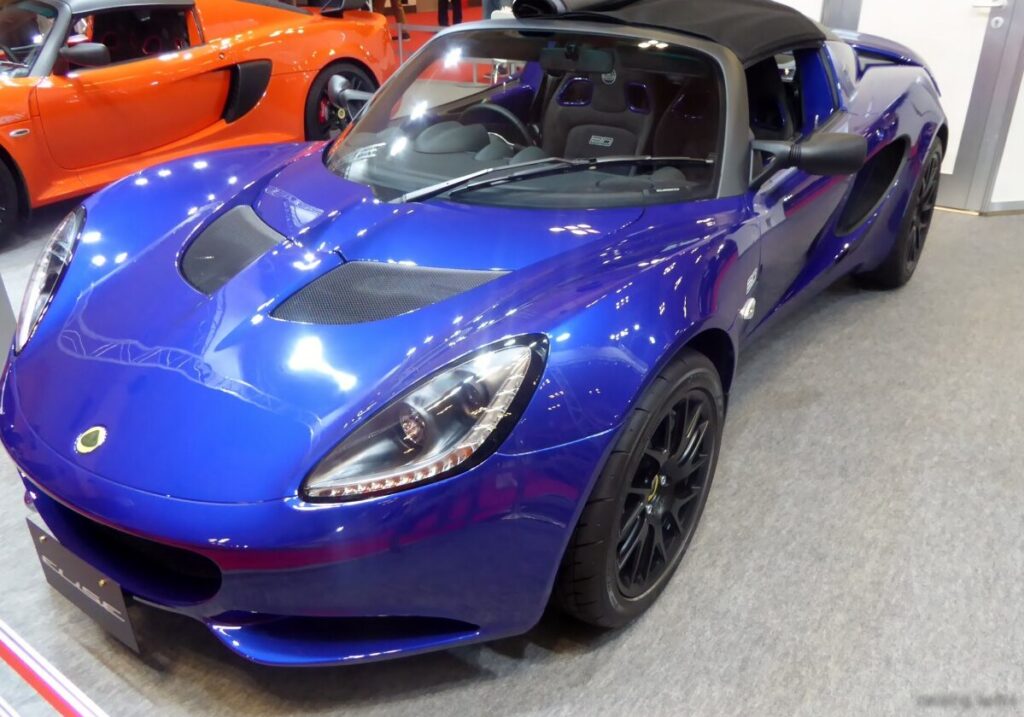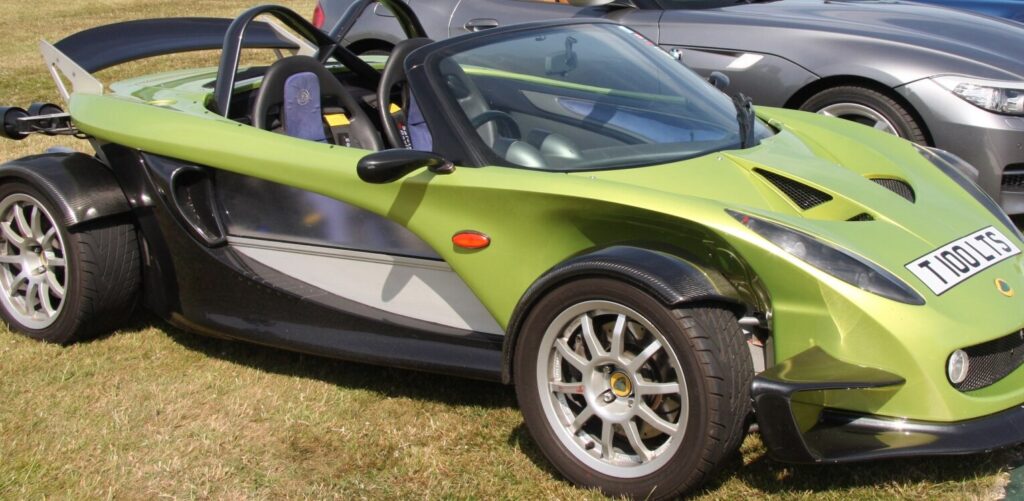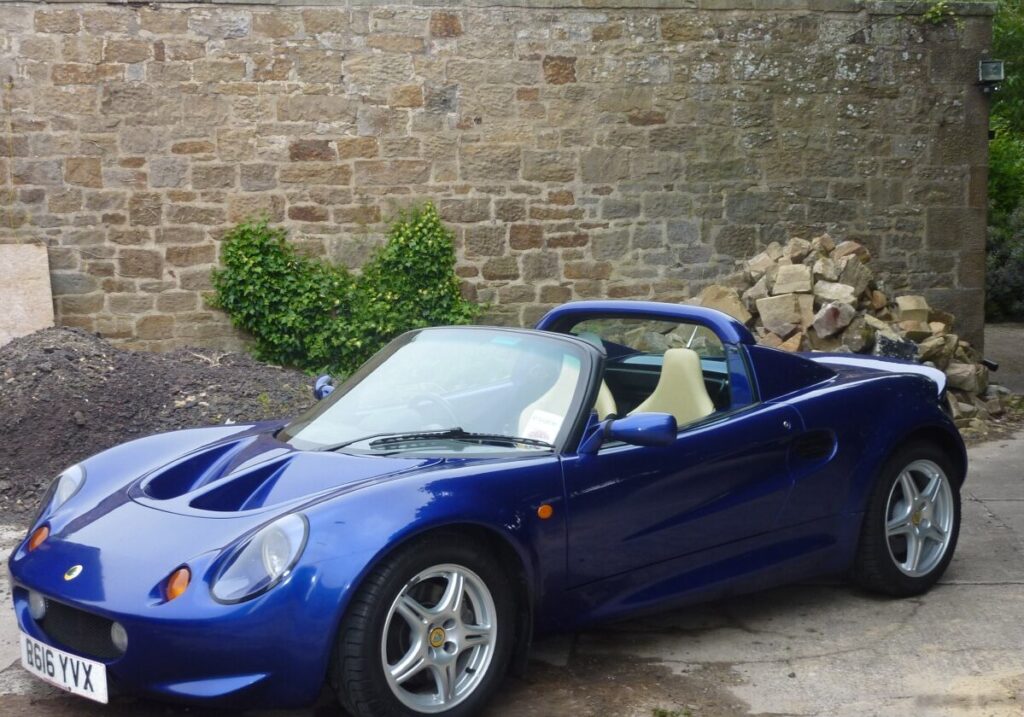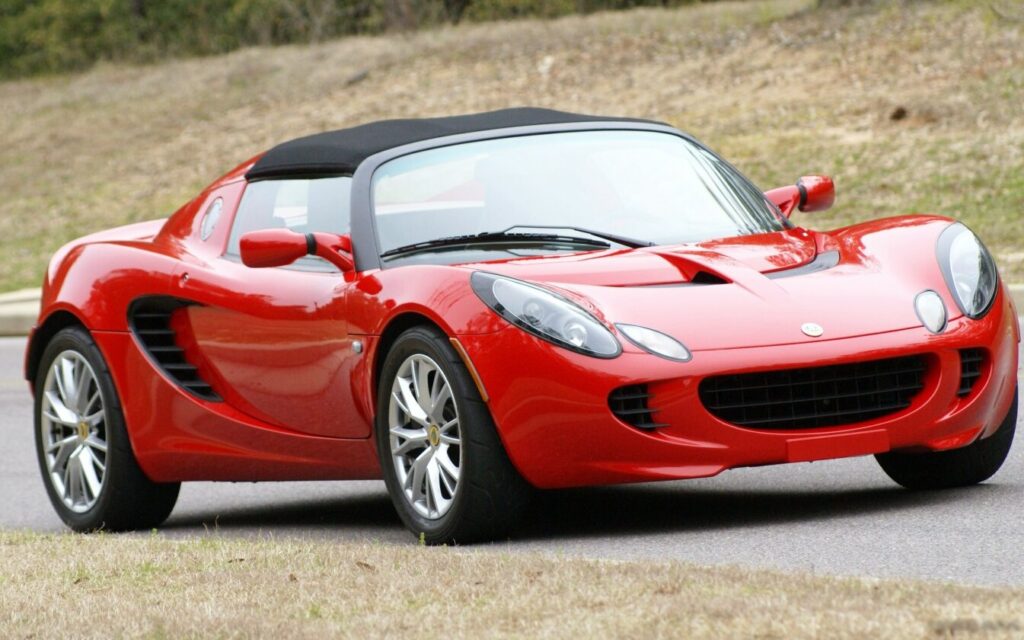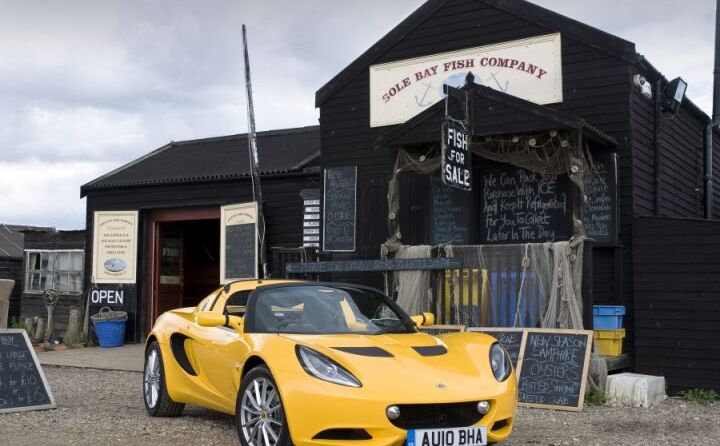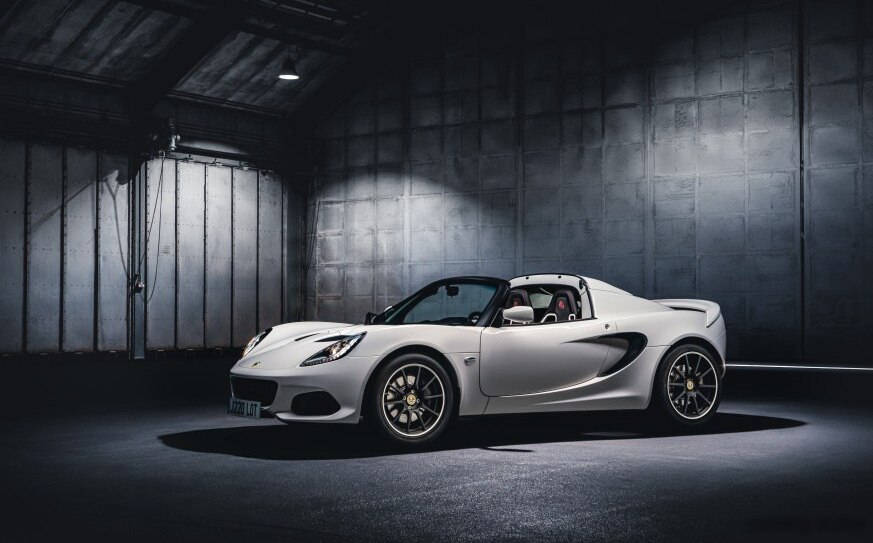
The Lotus Elise Cup 260, introduced in 2017 as part of the Series 3 facelift, represents a focused, high-performance iteration of the iconic Elise roadster. Building upon the already lightweight and agile foundations of the Elise, the Cup 260 was designed for enthusiasts seeking a visceral driving experience, both on the road and the track. It slots into the Elise lineup as a step above the base Elise Sport, offering significantly increased power and track-focused enhancements. Production continued through 2017, solidifying its place as a desirable variant within the broader Elise family, which itself is based on the 1HX0/A3 platform.
Technical Specifications
| Brand | Lotus |
| Model | Elise |
| Generation | Elise (Series 3, facelift 2017) |
| Type | Cup 260 1.8 (250 Hp) |
| Start of production | 2017 |
| Powertrain Architecture | Internal Combustion engine |
| Body type | Roadster |
| Seats | 2 |
| Doors | 2 |
| Fuel consumption (urban) | 10.1 l/100 km (23.3 US mpg, 28 UK mpg, 9.9 km/l) |
| Fuel consumption (extra urban) | 6 l/100 km (39.2 US mpg, 47.1 UK mpg, 16.7 km/l) |
| Fuel consumption (combined) | 7.5 l/100 km (31.4 US mpg, 37.7 UK mpg, 13.3 km/l) |
| CO2 emissions | 175 g/km |
| Fuel Type | Petrol (Gasoline) |
| Acceleration 0 – 100 km/h | 4.2 sec |
| Acceleration 0 – 62 mph | 4.2 sec |
| Acceleration 0 – 60 mph | 3.8 sec |
| Maximum speed | 243 km/h (150.99 mph) |
| Weight-to-power ratio | 3.6 kg/Hp, 279.3 Hp/tonne |
| Weight-to-torque ratio | 3.4 kg/Nm, 296.1 Nm/tonne |
| Power | 250 Hp @ 7200 rpm |
| Power per litre | 139 Hp/l |
| Torque | 265 Nm @ 5500 rpm (195.45 lb.-ft. @ 5500 rpm) |
| Engine layout | Middle, Transverse |
| Engine Model/Code | 2ZR-FE |
| Engine displacement | 1798 cm3 (109.72 cu. in.) |
| Number of cylinders | 4 |
| Engine configuration | Inline |
| Number of valves per cylinder | 4 |
| Fuel injection system | Multi-port manifold injection |
| Engine aspiration | Supercharger, Intercooler |
| Valvetrain | DOHC, Dual VVT-i |
| Engine oil capacity | 4.8 l (5.07 US qt, 4.22 UK qt) |
| Coolant | 12 l (12.68 US qt, 10.56 UK qt) |
| Kerb Weight | 895 kg (1973.14 lbs) |
| Drivetrain Architecture | Rear wheel drive |
| Number of gears and type of gearbox | 6 gears, manual transmission |
| Front suspension | Double wishbone, Transverse stabilizer |
| Rear suspension | Double wishbone |
| Front brakes | Ventilated discs, 288 mm |
| Rear brakes | Ventilated discs, 288 mm |
| Assisting systems | ABS (Anti-lock braking system) |
| Front tires | 205/45 R16 |
| Rear tires | 235/40 R17 |
| Front wheel rims | 16 |
| Rear wheel rims | 17 |
Powertrain & Engine Architecture
At the heart of the Elise Cup 260 lies the Toyota-sourced 2ZR-FE 1.8-liter inline-four cylinder engine. This engine is supercharged, a key differentiator from naturally aspirated Elise models. The addition of an Eaton supercharger, along with an intercooler, boosts power output to 250 horsepower at 7200 rpm and 265 Nm (195 lb-ft) of torque at 5500 rpm. The engine utilizes a multi-port fuel injection system and a dual variable valve timing (VVT-i) system, contributing to both performance and efficiency. The engine is transversely mounted in a mid-engine configuration, optimizing weight distribution. The Elise Cup 260 exclusively came with a six-speed manual transmission, chosen for its direct connection and driver engagement. This transmission features close ratios designed to maximize the engine’s power band.
Driving Characteristics
The Elise Cup 260 delivers a remarkably engaging driving experience. The supercharged engine provides a strong surge of power throughout the rev range, making it feel significantly faster than the naturally aspirated Elise variants. The lightweight construction (approximately 895 kg or 1973 lbs) combined with the 250 hp output results in a power-to-weight ratio of approximately 279 hp per tonne. This translates to rapid acceleration – 0-60 mph in around 3.8 seconds – and a thrilling sense of speed. The manual transmission requires precise shifts, rewarding skilled drivers with optimal performance. The car’s handling is exceptionally sharp and responsive, thanks to its double wishbone suspension and direct steering. While comfortable enough for road use, the Cup 260 is undeniably focused on track performance, with a firm ride and minimal driver aids.
Equipment & Trim Levels
The Elise Cup 260 was relatively spartan in its standard equipment, reflecting Lotus’s philosophy of prioritizing performance over luxury. Standard features included lightweight composite seats, a leather-wrapped steering wheel, and air conditioning. The interior was focused on functionality, with minimal trim and a clear, driver-focused layout. Optional extras included upgraded audio systems, full carpeting, and various exterior color options. The Cup 260 also featured a unique aero package, including a front splitter and rear wing, designed to increase downforce and improve stability at high speeds. The interior trim was typically a combination of black Alcantara and leather, emphasizing the car’s sporty character.
Chassis & Braking
The Elise’s renowned chassis is a bonded aluminum monocoque, providing exceptional rigidity and lightness. The suspension consists of independent double wishbones at both the front and rear, with a transverse stabilizer bar to reduce body roll. The Cup 260 benefits from revised suspension settings optimized for track use, offering increased stiffness and improved control. Braking duties are handled by ventilated discs at all four corners, providing ample stopping power. The ABS system is standard, but traction control is deliberately absent, encouraging skilled drivers to manage the car’s power and balance. The tires are specifically chosen for grip and performance, with 205/45 R16 tires at the front and 235/40 R17 tires at the rear.
Market Reception & Comparison
The Elise Cup 260 was well-received by automotive critics, who praised its exceptional handling, exhilarating performance, and raw driving experience. It was often compared favorably to other lightweight sports cars, such as the Porsche Cayman and the Mazda MX-5 Miata, but the Elise offered a more focused and uncompromising driving experience. Compared to the standard Elise Sport, the Cup 260 offered a significant power increase and track-focused enhancements, justifying its higher price tag. Fuel economy, while not a primary concern for buyers of this type of vehicle, was respectable at around 31.4 US mpg combined. Reliability was generally good, although the Elise’s complex suspension and limited production numbers meant that maintenance could be more expensive than for more mainstream sports cars.
Legacy
The Lotus Elise Cup 260 has become a highly sought-after model in the used car market. Its limited production numbers and exceptional driving characteristics have made it a favorite among enthusiasts and collectors. The 2ZR-FE engine, while not without its quirks, has proven to be relatively reliable when properly maintained. The Elise Cup 260 represents a high point in Lotus’s history, embodying the brand’s commitment to lightweight design, exceptional handling, and a pure driving experience. Today, it remains a benchmark for sports car enthusiasts seeking a truly engaging and rewarding driving experience.