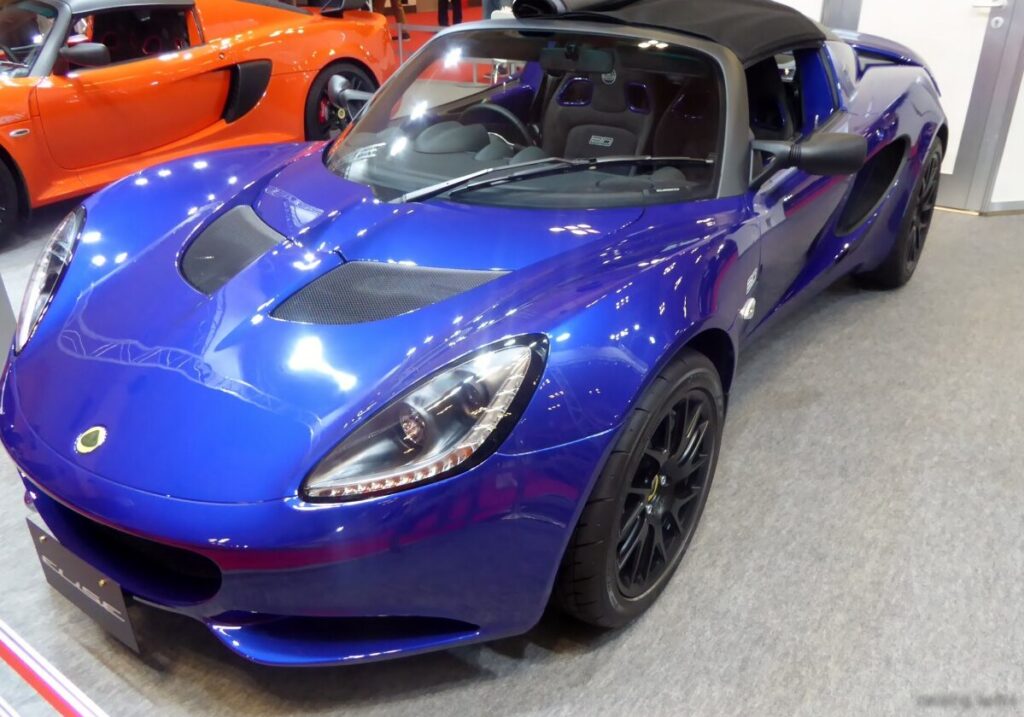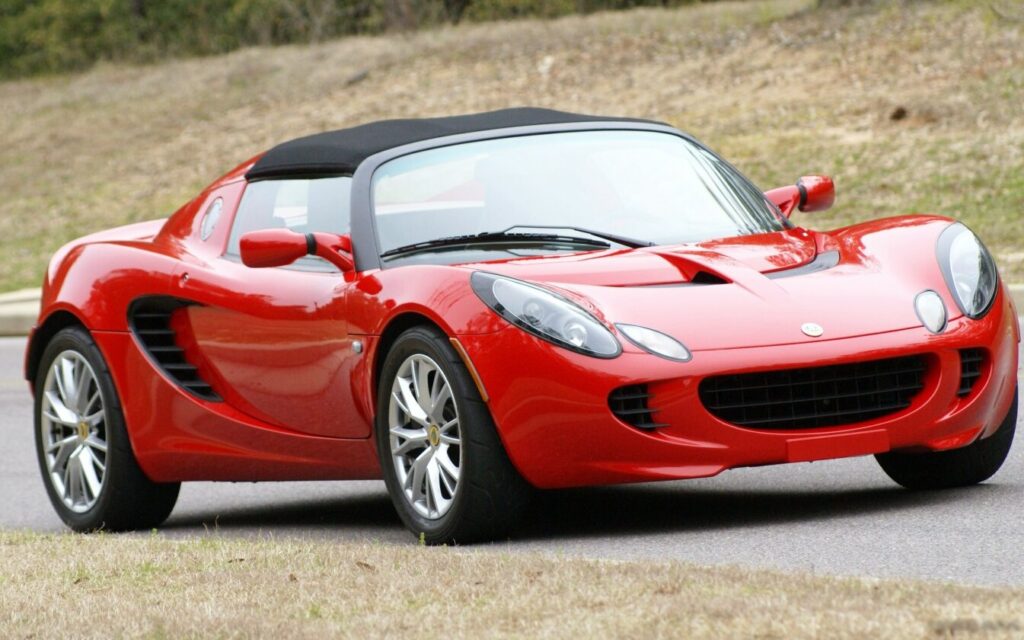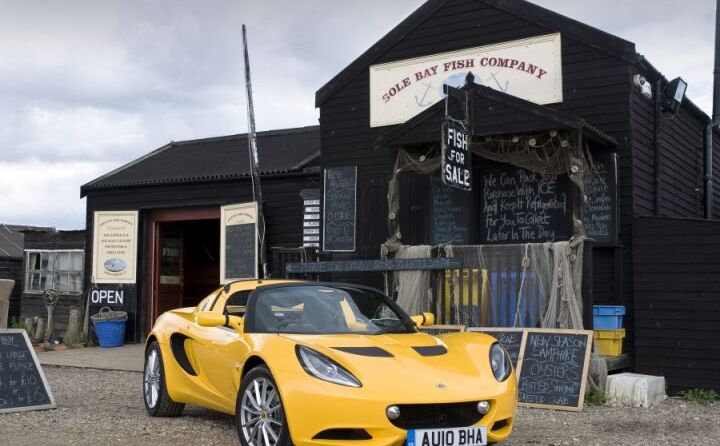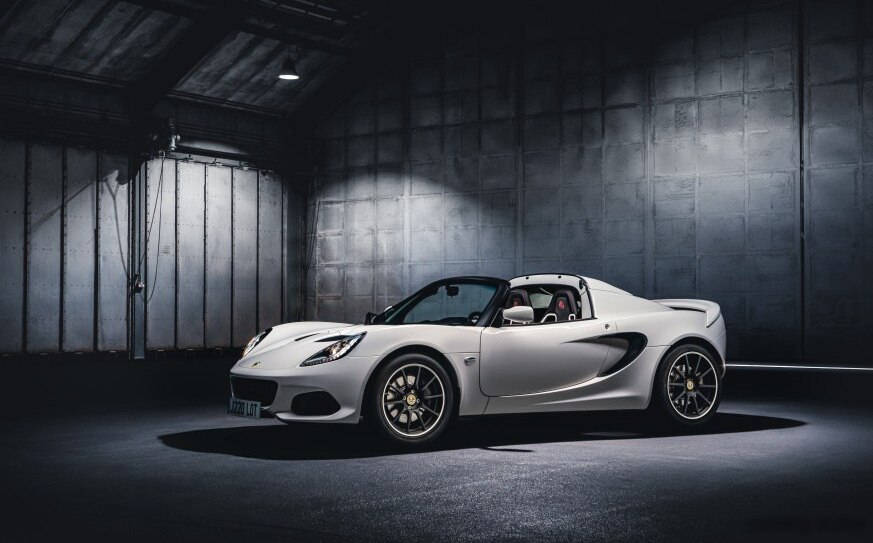
The Lotus Elise (Series 3), specifically the Sport 1.6 variant with 136 horsepower, represents a focused iteration of the iconic British sports car. Introduced with the 2017 facelift, this model continued the Elise’s tradition of providing an exceptionally pure driving experience. Production spanned from 2017 to 2018, fitting within the broader Series 3 lifecycle (2011-2021) which itself was based on the 1HX0/A3 platform. The Sport 1.6 served as an entry point into the Elise range, prioritizing lightweight construction and agile handling over outright power, appealing to drivers seeking a visceral connection to the road.
Technical Specifications
| Brand | Lotus |
| Model | Elise |
| Generation | Elise (Series 3, facelift 2017) |
| Type (Engine) | Sport 1.6 (136 Hp) |
| Start of production | 2017 |
| End of production | 2018 |
| Powertrain Architecture | Internal Combustion engine |
| Body type | Roadster |
| Seats | 2 |
| Doors | 2 |
| Fuel consumption (urban) | 8.3 l/100 km (28.3 US mpg, 34 UK mpg, 12 km/l) |
| Fuel consumption (extra urban) | 5 l/100 km (47 US mpg, 56.5 UK mpg, 20 km/l) |
| Fuel consumption (combined) | 6.3 l/100 km (37.3 US mpg, 44.8 UK mpg, 15.9 km/l) |
| CO2 emissions | 149 g/km |
| Fuel Type | Petrol (Gasoline) |
| Acceleration 0 – 100 km/h | 6.5 sec |
| Acceleration 0 – 62 mph | 6.5 sec |
| Acceleration 0 – 60 mph | 6.7 sec |
| Maximum speed | 204 km/h (126.76 mph) |
| Weight-to-power ratio | 6.4 kg/Hp, 157 Hp/tonne |
| Weight-to-torque ratio | 5.4 kg/Nm, 184.8 Nm/tonne |
| Power | 136 Hp @ 6800 rpm |
| Power per litre | 85.1 Hp/l |
| Torque | 160 Nm @ 4400 rpm (118.01 lb.-ft. @ 4400 rpm) |
| Engine layout | Middle, Transverse |
| Engine Model/Code | 1ZR-FAE |
| Engine displacement | 1598 cm3 (97.52 cu. in.) |
| Number of cylinders | 4 |
| Engine configuration | Inline |
| Number of valves per cylinder | 4 |
| Engine aspiration | Naturally aspirated engine |
| Valvetrain | DOHC |
| Engine oil capacity | 4.8 l (5.07 US qt | 4.22 UK qt) |
| Coolant | 12 l (12.68 US qt | 10.56 UK qt) |
| Kerb Weight | 866 kg (1909.2 lbs.) |
| Drivetrain Architecture | Rear wheel drive |
| Number of gears and type of gearbox | 6 gears, manual transmission |
| Front suspension | Double wishbone |
| Rear suspension | Double wishbone |
| Front brakes | Ventilated discs, 288 mm |
| Rear brakes | Ventilated discs, 288 mm |
| Assisting systems | ABS (Anti-lock braking system) |
| Front tires | 175/55 R16 |
| Rear tires | 225/45 R17 |
| Front wheel rims | 16 |
| Rear wheel rims | 17 |
Powertrain & Engine Architecture
The heart of the Elise Sport 1.6 is the 1.6-liter (1598cc) naturally aspirated inline-four cylinder engine, designated the 1ZR-FAE. This engine, sourced from Toyota, is a key component in the Elise’s lightweight philosophy. It features a double overhead camshaft (DOHC) valvetrain and utilizes multi-point fuel injection. While not a particularly high-output engine, it’s known for its reliability and responsiveness. The 136 horsepower peak arrives at 6800 rpm, with 118 lb-ft of torque generated at 4400 rpm. The engine is transversely mounted in a mid-engine layout, contributing to the car’s exceptional balance. The standard transmission is a six-speed manual, carefully geared to maximize the engine’s potential. The absence of turbocharging or complex forced induction systems keeps the powertrain relatively simple and easy to maintain.
Driving Characteristics
The Elise Sport 1.6 delivers a driving experience that prioritizes agility and driver engagement. The relatively modest power output, combined with the car’s incredibly low weight (approximately 1909 lbs), results in a surprisingly quick and nimble machine. Acceleration from 0-60 mph takes around 6.7 seconds, and top speed is around 127 mph. However, the numbers don’t fully capture the experience. The manual gearbox is precise and rewarding to use, and the short wheelbase and responsive steering provide exceptional cornering ability. Compared to the higher-powered Elise variants (like those with the 1.8L engine), the Sport 1.6 requires more driver involvement to extract its full potential. It’s less about brute force and more about maintaining momentum and precise control. The gear ratios are tuned to keep the engine within its optimal power band, encouraging frequent shifting and a connected driving experience.
Equipment & Trim Levels
The Elise Sport 1.6 was designed to be a purist’s sports car, so standard equipment was relatively sparse. The focus was on minimizing weight, so features like air conditioning and a premium audio system were often optional extras. Standard features typically included lightweight composite seats, a leather-wrapped steering wheel, and basic instrumentation. The interior was functional and minimalist, with aluminum accents and exposed chassis components. Optional extras could include air conditioning, upgraded audio systems, leather upholstery, and various aerodynamic enhancements. The Elise Sport 1.6 occupied the entry-level position in the Series 3 lineup, making it the most accessible way to experience the Elise’s core driving characteristics.
Chassis & Braking
The Elise’s chassis is its defining feature. It utilizes a bonded aluminum monocoque construction, providing exceptional rigidity and lightness. The suspension consists of independent double wishbones at both the front and rear, tuned for precise handling and minimal body roll. The braking system features ventilated discs on all four wheels, providing ample stopping power. ABS (Anti-lock Braking System) was standard. Given the car’s low weight, the braking performance is more than adequate for spirited driving. The Sport 1.6 typically featured a slightly softer suspension setup compared to the more track-focused Elise Cup variants, prioritizing ride comfort without sacrificing handling precision. Tire sizes were 175/55 R16 at the front and 225/45 R17 at the rear, chosen to balance grip and weight.
Market Reception & Comparison
The Elise Sport 1.6 was generally well-received by automotive critics, who praised its exceptional handling, lightweight construction, and engaging driving experience. While some noted the relatively modest power output, most agreed that the car’s agility and responsiveness more than compensated for it. Compared to the higher-powered Elise variants, the Sport 1.6 offered a more accessible price point and a more forgiving driving experience. Fuel economy was respectable, averaging around 37.3 US mpg in combined driving. Reliability was generally good, thanks to the simplicity of the powertrain and the robust construction of the chassis. However, the Elise’s minimalist interior and lack of creature comforts were sometimes criticized.
Legacy
The Lotus Elise Sport 1.6 has established itself as a desirable used sports car, particularly among enthusiasts who appreciate its pure driving experience. The 1ZR-FAE engine is known for its reliability, and the Elise’s bonded aluminum chassis is exceptionally durable. While maintenance costs can be higher than those of more mainstream sports cars, the Elise’s simplicity and robust construction make it a relatively easy car to maintain. Today, the Sport 1.6 represents an affordable entry point into the world of Lotus ownership, offering a unique and rewarding driving experience that few other cars can match. Its continued popularity in the used car market is a testament to its enduring appeal and the timeless quality of its design.