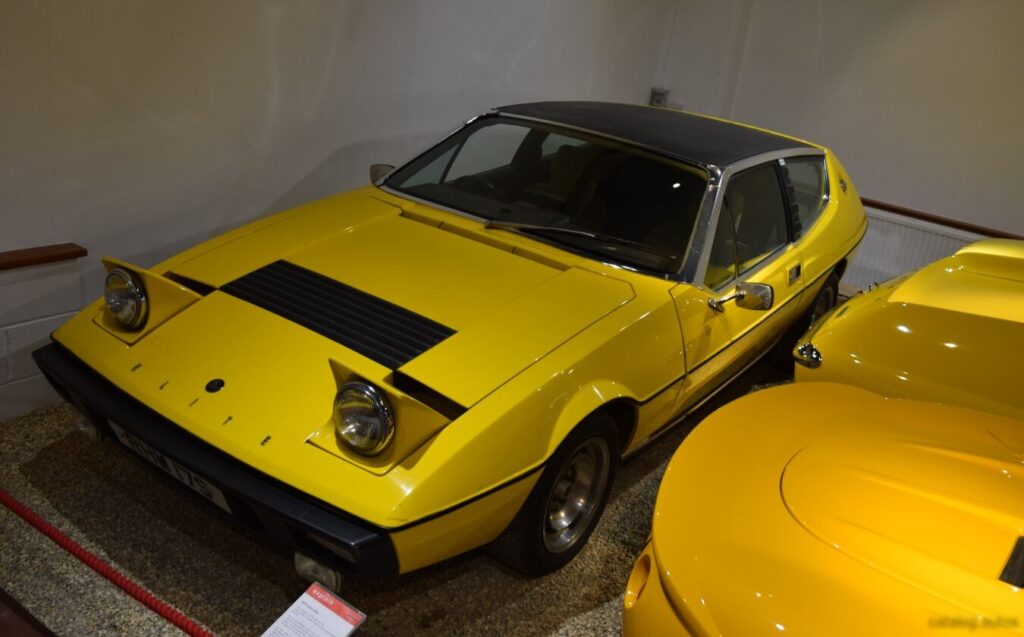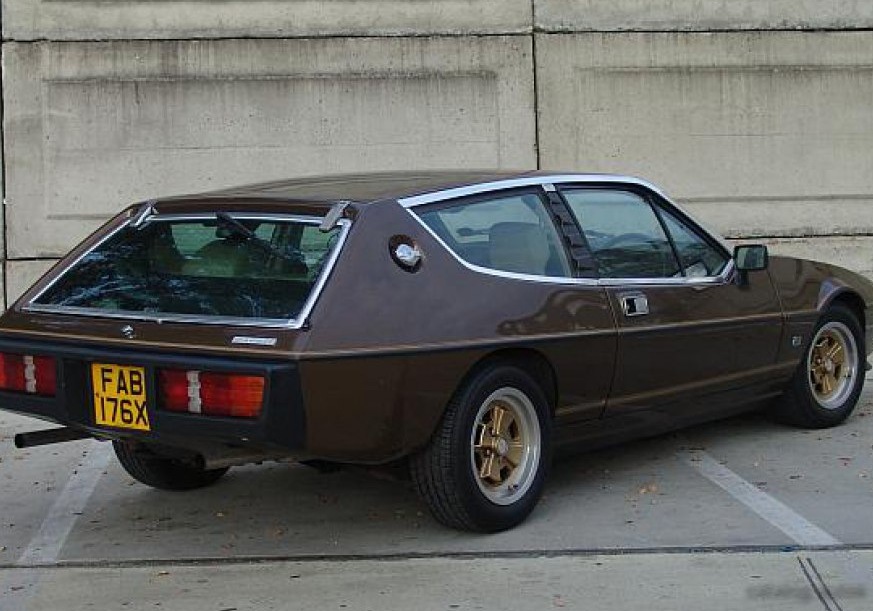
The Lotus Elite Type 83, specifically the 2.2-liter (162 hp) variant produced between 1980 and 1982, represents a pivotal, though often overlooked, chapter in the storied history of Lotus Cars. Positioned as a more accessible entry point into the Lotus lineup compared to the Esprit, the Elite Type 83 aimed to deliver the brand’s signature handling and lightweight philosophy in a comfortable, stylish, and relatively affordable package. It was the first Lotus to feature a backbone chassis with a fully stressed body shell, a construction technique that would influence future models. The Type 83 sought to broaden Lotus’s appeal beyond the dedicated sports car enthusiast, attracting buyers seeking a grand tourer with a distinct sporting edge. Despite its innovative design, production was hampered by quality control issues and financial difficulties at Lotus, leading to a relatively short production run.
Technical Specifications
| Brand | Lotus |
| Model | Elite |
| Generation | Elite (Type 83) |
| Type (Engine) | 2.2 (162 Hp) |
| Start of Production | 1980 |
| End of Production | 1982 |
| Powertrain Architecture | Internal Combustion Engine |
| Body Type | Coupe |
| Fuel Type | Petrol (Gasoline) |
| Acceleration 0-60 mph | 7.5 sec |
| Power | 162 Hp |
| Engine Model/Code | Lotus 912 |
| Engine Aspiration | Naturally Aspirated |
| Engine Oil Capacity | 5 l (5.28 US qt | 4.4 UK qt) |
| Coolant Capacity | 8.5 l (8.98 US qt | 7.48 UK qt) |
Powertrain & Engine Architecture
The heart of the 1980-1982 Lotus Elite 2.2 was the Lotus 912 engine, a 2.2-liter, naturally aspirated, all-aluminum inline-four cylinder powerplant. This engine was derived from the earlier Lotus 911 unit, but with an increased bore size to achieve the larger displacement. It featured a twin overhead camshaft design, driven by a timing chain, and utilized a Bosch K-Jetronic fuel injection system. The K-Jetronic system, while sophisticated for its time, was known for its complexity and potential maintenance requirements. The engine produced 162 horsepower at 5500 rpm and 148 lb-ft of torque at 3750 rpm. The engine’s all-aluminum construction contributed significantly to the Elite’s relatively low weight. The transmission was a four-speed automatic, a somewhat unusual choice for a Lotus, which traditionally favored manual gearboxes. This automatic transmission was sourced from Chrysler and was chosen to broaden the car’s appeal to a wider audience seeking a more comfortable driving experience.
Driving Characteristics
The combination of the 2.2-liter engine and the four-speed automatic transmission resulted in a driving experience that was more grand touring than outright sports car. While the 7.5-second 0-60 mph acceleration was respectable for the era, it didn’t quite match the performance of the manual transmission-equipped models or the more powerful Lotus Esprit. The automatic transmission, while providing convenience, did detract from the driver engagement that Lotus was renowned for. Gear ratios were optimized for cruising comfort rather than aggressive acceleration. The Elite’s lightweight construction and well-tuned suspension, however, still delivered the characteristic Lotus handling. The car exhibited excellent balance and responsiveness in corners, providing a rewarding driving experience, albeit one that was somewhat muted by the automatic gearbox. The power delivery was smooth and linear, making the car easy to drive in everyday situations.
Equipment & Trim Levels
The Lotus Elite Type 83 2.2 was relatively well-equipped for a sports car of its time. Standard features included leather upholstery, power windows, central locking, and a stereo system. The interior design was focused on comfort and style, with a wood-trimmed dashboard and comfortable seats. Optional extras included air conditioning, a sunroof, and upgraded stereo systems. The exterior featured sleek, wedge-shaped styling, a hallmark of Lotus design in the late 1970s and early 1980s. Paint options were varied, with a range of metallic colors available. The overall trim level aimed for a balance between luxury and sportiness, appealing to buyers who wanted a stylish and comfortable grand tourer with a sporting pedigree.
Chassis & Braking
The Elite Type 83 utilized a revolutionary chassis design for Lotus – a backbone chassis with a fully stressed body shell. This construction method provided a high degree of structural rigidity while minimizing weight. The suspension consisted of independent double wishbones all around, with coil springs and anti-roll bars. This setup provided excellent handling and ride comfort. Braking was initially equipped with front disc brakes and rear drum brakes. Later models received rear disc brakes as standard equipment, improving stopping performance. The braking system was hydraulically assisted, providing good stopping power for a car of its weight and performance. Steering was rack and pinion, providing precise and responsive control.
Market Reception & Comparison
The Lotus Elite Type 83 received mixed reviews from automotive critics. While the car was praised for its handling, styling, and comfort, concerns were raised about build quality and reliability. The automatic transmission was also a point of criticism, with many reviewers preferring the more engaging experience of a manual gearbox. Compared to its siblings, the Elite occupied a unique position in the Lotus lineup. The Esprit was a more focused sports car with higher performance, while the Excel was a more luxurious grand tourer. The Elite aimed to bridge the gap between these two models, offering a blend of performance, comfort, and style. Fuel economy was reasonable for the era, averaging around 20-25 mpg. However, the K-Jetronic fuel injection system could be prone to issues, leading to increased maintenance costs.
Legacy
The Lotus Elite Type 83, despite its relatively short production run and initial quality control issues, remains a significant model in Lotus history. It was the first Lotus to utilize the backbone chassis with a fully stressed body shell, a construction technique that would influence future models like the Excel and the Evora. The 2.2-liter engine, while not the most powerful Lotus powerplant, proved to be relatively reliable when properly maintained. In the used car market today, the Elite Type 83 is a sought-after classic, particularly among Lotus enthusiasts. Values have been steadily increasing in recent years, reflecting the car’s rarity and historical significance. However, potential buyers should be aware of the potential maintenance costs associated with the K-Jetronic fuel injection system and the age of the vehicle. The Elite Type 83 represents a unique and often overlooked chapter in the Lotus story, a testament to the brand’s innovative spirit and commitment to driving pleasure.