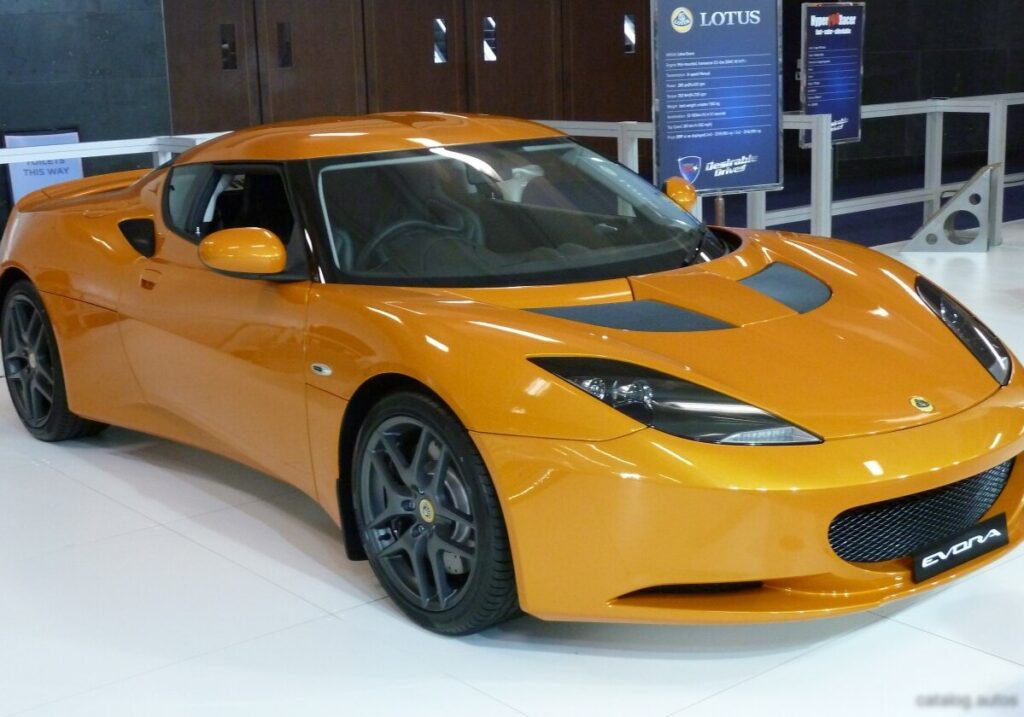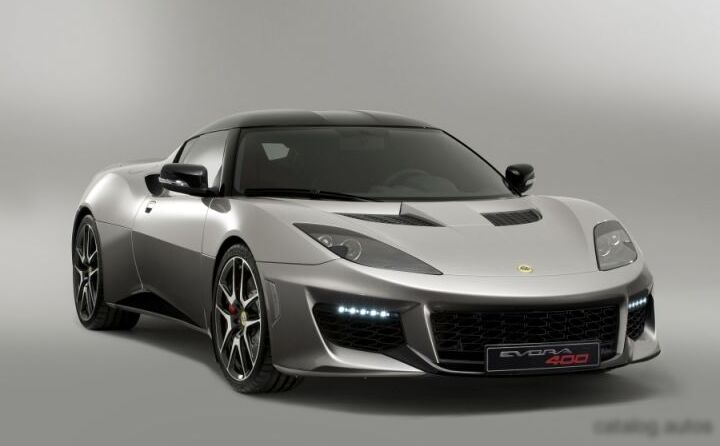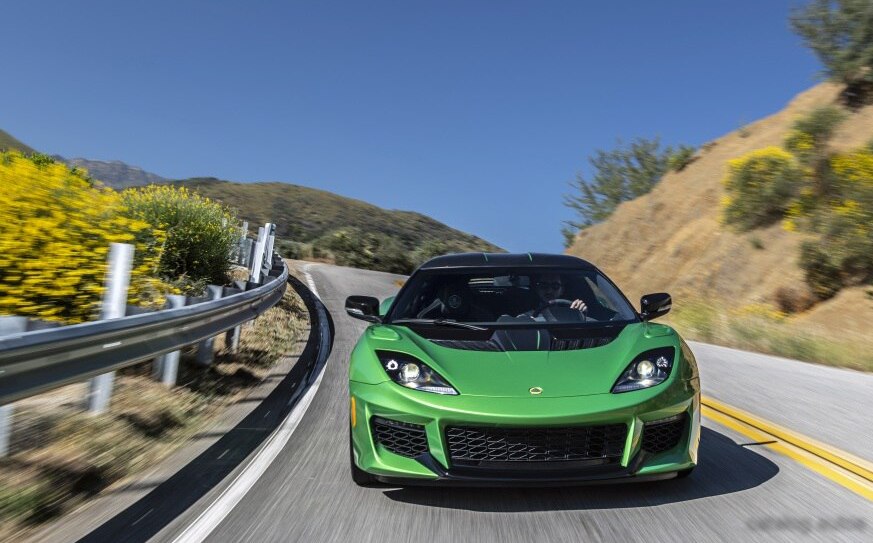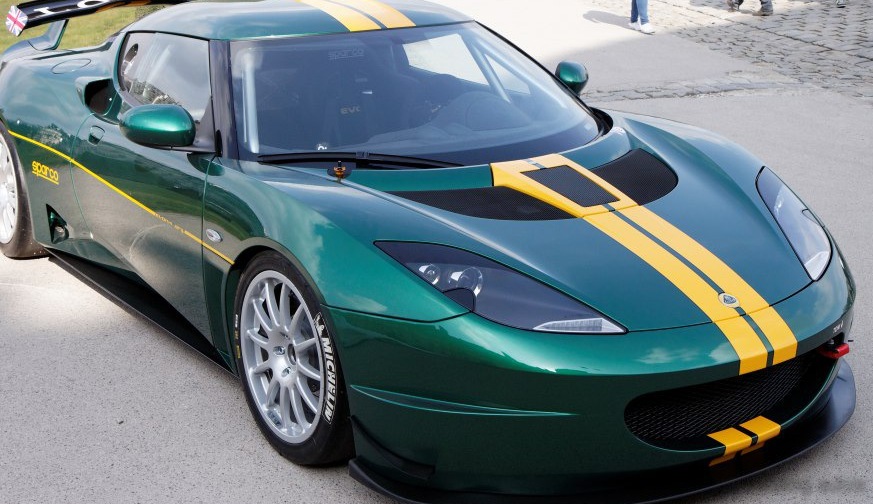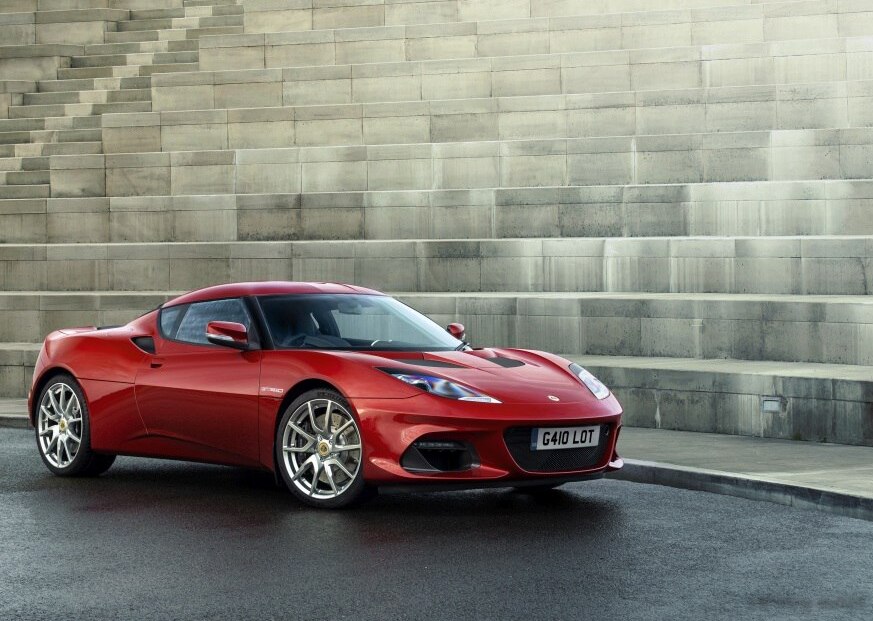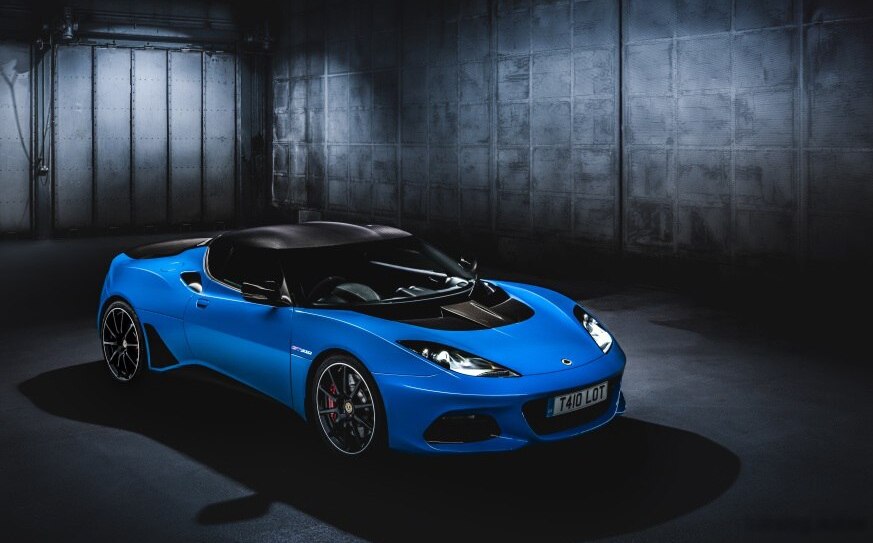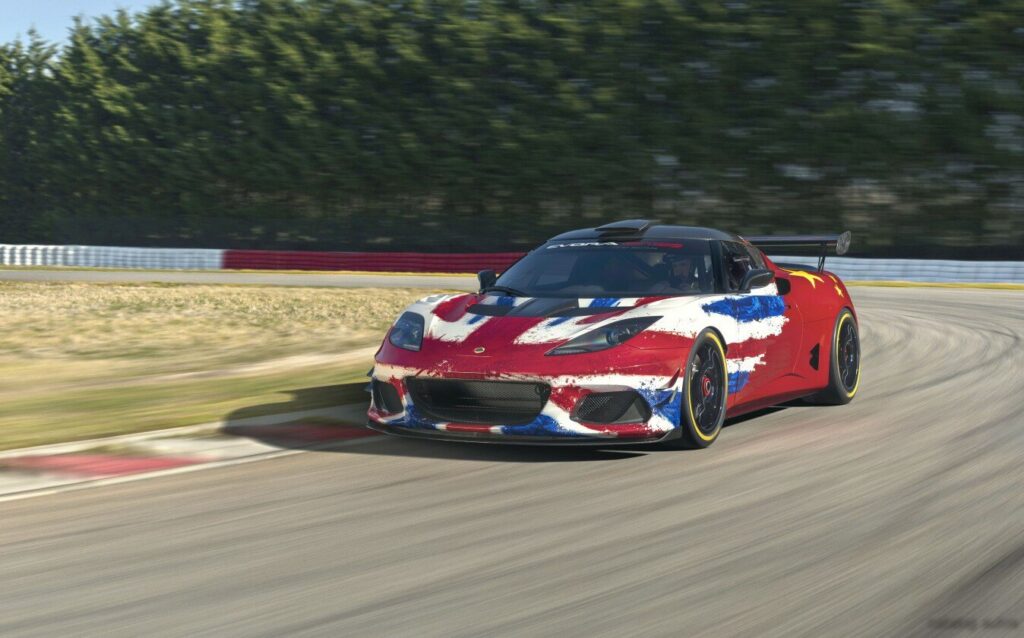
The Lotus Evora 430 GT4 Concept, introduced in 2019, represents a focused, track-oriented evolution of the Evora platform. Built upon the foundation of the Evora, this variant was designed to bridge the gap between the road-going Evora 430 and a full-fledged racing GT4 machine. It served as a concept showcasing potential upgrades and performance enhancements for customer racing programs, while also offering an exceptionally capable track day car. The 430 GT4 Concept is part of the broader Evora lineage, which began production in 2009 as Lotus’s attempt to create a more practical and accessible sports car compared to the Elise and Exige.
Technical Specifications
| Brand | Lotus |
| Model | Evora |
| Generation | Evora 430 GT4 Concept |
| Type (Engine) | 3.5 V6 (457 Hp) Automatic |
| Start of production | 2019 |
| Powertrain Architecture | Internal Combustion engine |
| Body type | Coupe |
| Seats | 1 |
| Doors | 2 |
| Fuel Type | Petrol (Gasoline) |
| Maximum speed | 274 km/h (170.26 mph) |
| Weight-to-power ratio | 2.6 kg/Hp, 380.8 Hp/tonne |
| Weight-to-torque ratio | 2.4 kg/Nm, 425 Nm/tonne |
| Power | 457 Hp @ 7000 rpm |
| Power per litre | 132.2 Hp/l |
| Torque | 510 Nm @ 4000 rpm (376.16 lb.-ft. @ 4000 rpm) |
| Engine layout | Middle, Longitudinal |
| Engine Model/Code | 2GR-FE |
| Engine displacement | 3456 cm3 (210.9 cu. in.) |
| Number of cylinders | 6 |
| Engine configuration | V-engine |
| Cylinder Bore | 94 mm (3.7 in.) |
| Piston Stroke | 83 mm (3.27 in.) |
| Compression ratio | 10:1 |
| Number of valves per cylinder | 4 |
| Fuel injection system | Direct injection |
| Engine aspiration | Supercharger, Intercooler |
| Valvetrain | DOHC, dual VVT-i |
| Kerb Weight | 1200 kg (2645.55 lbs.) |
| Fuel tank capacity | 120 l (31.7 US gal | 26.4 UK gal) |
| Drivetrain Architecture | The Internal combustion engine (ICE) drives the rear wheels of the vehicle. |
| Drive wheel | Rear wheel drive |
| Number of gears and type of gearbox | 6 gears, automatic transmission |
| Front suspension | Double wishbone |
| Rear suspension | Double wishbone |
| Front brakes | Ventilated discs, 380×34 mm |
| Rear brakes | Ventilated discs, 355×32 mm |
| Assisting systems | ABS (Anti-lock braking system) |
| Front wheel tires | 245/645 R18 |
| Rear wheel tires | 330/660 R18 |
| Front wheel rims | 8.5J x 18 |
| Rear wheel rims | 11J x 18 |
Powertrain & Engine Architecture
At the heart of the Evora 430 GT4 Concept lies the Toyota-sourced 2GR-FE 3.5-liter V6 engine. This engine, a staple in various Toyota and Lotus models, is significantly upgraded from the standard Evora powerplant. The key enhancement is the addition of an Edelbrock E-Force supercharger, boosting output to 457 horsepower at 7000 rpm and 510 Nm (376 lb-ft) of torque at 4000 rpm. The engine utilizes direct fuel injection for improved efficiency and responsiveness, coupled with a dual VVT-i (Variable Valve Timing-intelligent) system to optimize valve timing across the rev range. The engine is mounted longitudinally in a mid-engine configuration, contributing to excellent weight distribution. The six-speed automatic transmission, while not a dual-clutch unit, is tuned for quick shifts and is designed to withstand the rigors of track use. It’s important to note that while a manual transmission was available on other Evora variants, the GT4 Concept exclusively featured the automatic.
Driving Characteristics
The combination of the supercharged V6 and the automatic transmission delivers a unique driving experience. While a manual transmission would offer more driver engagement, the automatic provides consistent and predictable shifts, particularly beneficial for racing applications or track days where minimizing driver workload is crucial. The power delivery is strong throughout the rev range, with the supercharger providing instant boost. The relatively low kerb weight of 1200 kg (2645 lbs) contributes to a high power-to-weight ratio, resulting in brisk acceleration and impressive cornering ability. The automatic transmission’s gear ratios are optimized for track performance, prioritizing acceleration out of corners. Compared to the naturally aspirated Evora 400, the GT4 Concept offers a substantial performance increase, while the automatic differentiates it from the more common manual-equipped models.
Equipment & Trim Levels
The Evora 430 GT4 Concept was not a consumer-focused trim level, but rather a demonstration of potential upgrades. As such, it featured a stripped-down interior focused on functionality. Standard features included a racing-style bucket seat, a roll cage for added safety, and a minimalist dashboard. Creature comforts were largely absent, prioritizing weight reduction. Optional extras, geared towards racing, included a data logging system, racing harnesses, and upgraded cooling systems. The interior materials were primarily focused on durability and practicality, rather than luxury.
Chassis & Braking
The chassis of the Evora 430 GT4 Concept benefits from Lotus’s renowned expertise in lightweight construction and handling. The suspension utilizes a double wishbone setup at both the front and rear, optimized for track use with stiffer springs and dampers. Braking performance is enhanced by ventilated discs at all four corners, measuring 380×34 mm at the front and 355×32 mm at the rear. An ABS (Anti-lock Braking System) is included as a standard safety feature. The car rides on 18-inch wheels, with wider tires at the rear (330/660 R18) to maximize grip. The suspension geometry and damping characteristics are tuned to minimize body roll and maximize cornering stability.
Market Reception & Comparison
The Evora 430 GT4 Concept received positive reviews from automotive journalists and racing enthusiasts. Critics praised its impressive performance, balanced handling, and track-focused design. Compared to other Evora variants, the GT4 Concept offered a significant performance upgrade, but at the expense of everyday usability. The automatic transmission, while providing convenience, was seen by some as less engaging than the available manual. Fuel economy, as expected, was not a primary concern for this variant, with a focus on maximizing performance. Its primary competition came from other track-focused sports cars, such as the Porsche Cayman GT4 and Chevrolet Corvette Z06.
Legacy
The Evora 430 GT4 Concept served as a valuable stepping stone in the development of Lotus’s customer racing programs. It demonstrated the potential of the Evora platform for competitive motorsport. While the concept itself was not a high-volume production model, the technologies and upgrades showcased in the GT4 Concept were incorporated into subsequent Evora variants and racing cars. On the used car market, examples of the Evora 430 GT4 Concept are rare and command a premium price due to their limited production and unique specifications. The 2GR-FE engine, in general, has proven to be a reliable and durable powerplant, contributing to the long-term appeal of the Evora platform.